
Somewhere between garage sales and estate auctions, the tools your grandfather swore by became serious collector's items. Prices are climbing, fakes are multiplying, and the smart DIYer knows exactly what to look for. Here's what's worth grabbing — and why.
Stanley Planes That Woodworkers Cherish
Picture this: a dusty wooden plane pulled from a box at an estate sale, still sharp enough to shave end grain. Stanley planes from the 60s — particularly the No. 4 and No. 5 bench planes — are woodworkers' holy grail because the machining tolerances were tighter than today's imports. The fix for a pitted sole is lapping on a flat granite surface with wet-dry sandpaper. One specific tip: check the frog adjustment screw; stripped threads are the most common dealbreaker.
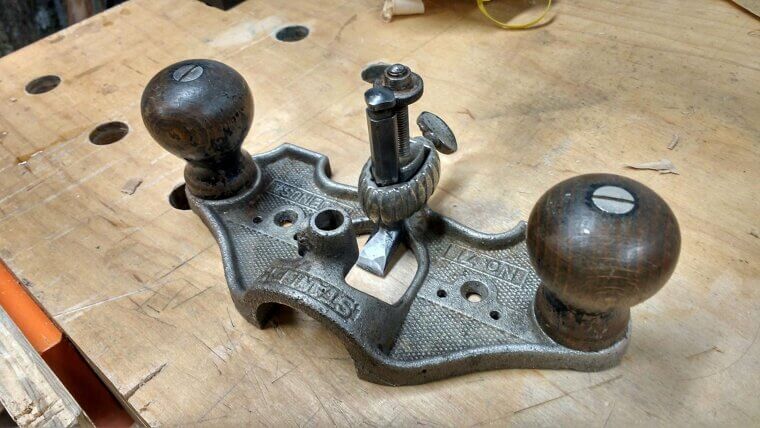
A complete, uncracked tote and knob adds serious collector value. Missing hardware drops the price fast — keep that in mind before buying.
The Classic Craftsman Hand Drill
Got a wobbly old hand drill rattling around in a box? Don't toss it. Craftsman hand drills from the 1960s are increasingly sought after because they were built with solid steel gearing and hardwood handles that modern versions simply don't replicate. The problem most collectors face is surface rust obscuring the model stamp. Fix it with naval jelly, then check the chuck — a smooth, wobble-free chuck is the key detail that separates a $15 shelf piece from a $120 score.
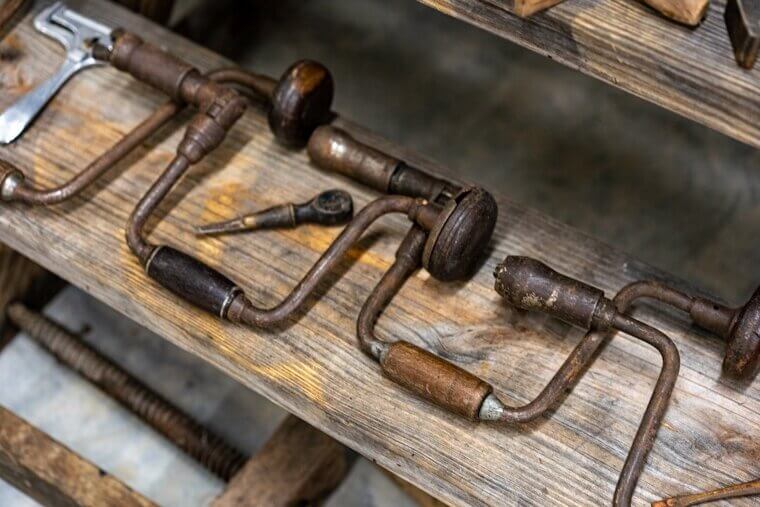
Look for the model number stamped near the chuck. That single detail can triple the resale value at swap meets.
The Beloved Yankee Screwdriver
Test it yourself: push the handle down on a vintage Yankee screwdriver and feel the spiral ratchet engage with a satisfying click. North Bros. built these push-drills through the 60s before Stanley absorbed the line, and the mechanism is nearly indestructible. The common problem is a frozen ratchet from dried grease. Soak the collar in penetrating oil overnight, work it slowly, and you'll almost always free it up. A full set of original drill points in the handle cap is the detail that makes collectors pay top dollar.
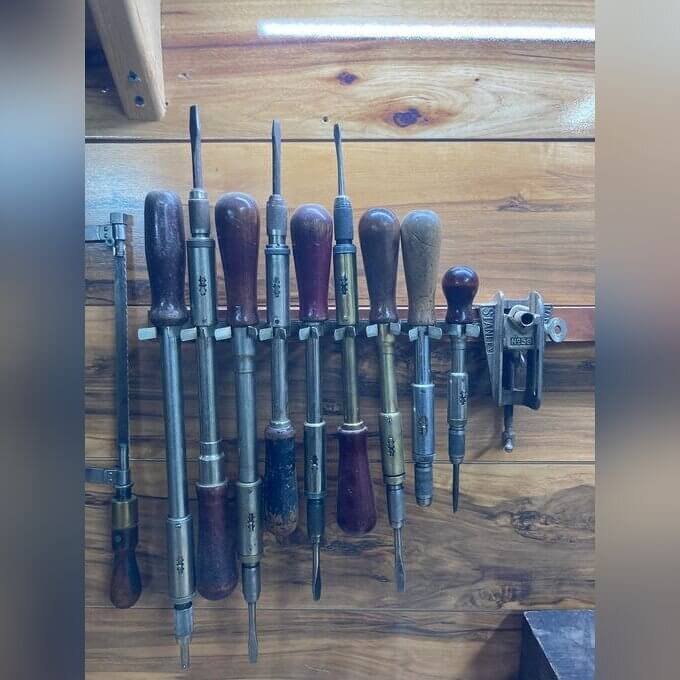
Original drill points stored in the hollow handle are rare. Finding a complete set is like hitting the jackpot at any flea market.
Vintage Plumb Bob Sets Worth Keeping
Would you pay $80 for a pointed brass weight on a string? Collectors absolutely will. Vintage plumb bob sets from the 60s — especially those with turned brass bodies and original leather cases — are disappearing from the market fast. The problem is that the string is almost always rotted or missing. Replace it with braided nylon mason's line, which replicates the weight-to-diameter ratio of the original. The specific detail worth checking: the tip should be perfectly centered; an off-center point means the bob was dropped and is now decorative only.
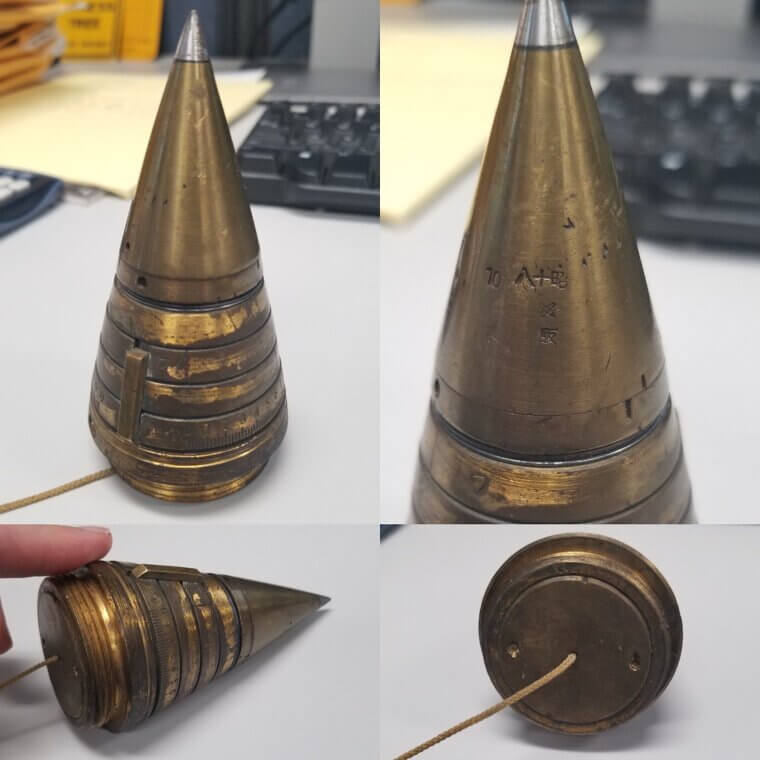
Matching sets with the original case command the highest prices. A solo bob without provenance is worth far less to serious collectors.
The Heavy Cast Iron Vise
Cast iron vises from the 1960s were built heavier than anything you'll find bolted to a bench today. The jaw faces were milled flat, the screws were cut — not rolled — and the swivel bases locked without slop. The most common problem is a cracked jaw, which is a structural flaw you cannot fix safely. Before buying, run your finger along the inside of both jaws and feel for hairline fractures. The specific detail that separates a working tool from a wall display: the screw should spin freely with no grinding or binding under load.
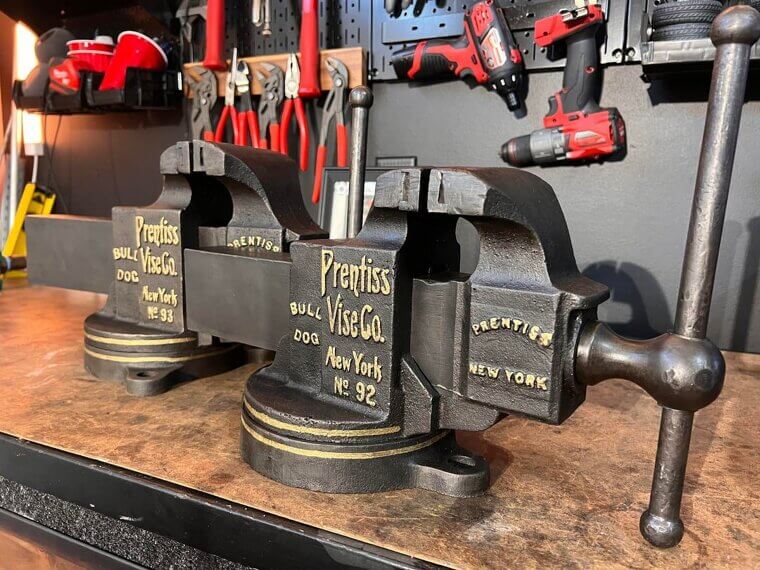
A full-swivel base in working condition is the feature that pushes vintage vise prices above $200 at auction. Don't overlook it.
Millers Falls Braces and Bits
$200 for a hand brace. That's what a complete Millers Falls set with original bits can fetch today. These tools were precision-made in Greenfield, Massachusetts, and the ratchet mechanism inside the chuck is genuinely engineering art. The problem collectors run into is a slipping chuck that won't grip tapered-shank bits. The fix is cleaning the inside of the chuck with a brass brush and light oil — never grease, which attracts sawdust and gums the mechanism. Check the sweep size stamped on the bow; larger sweeps are rarer and more valuable.
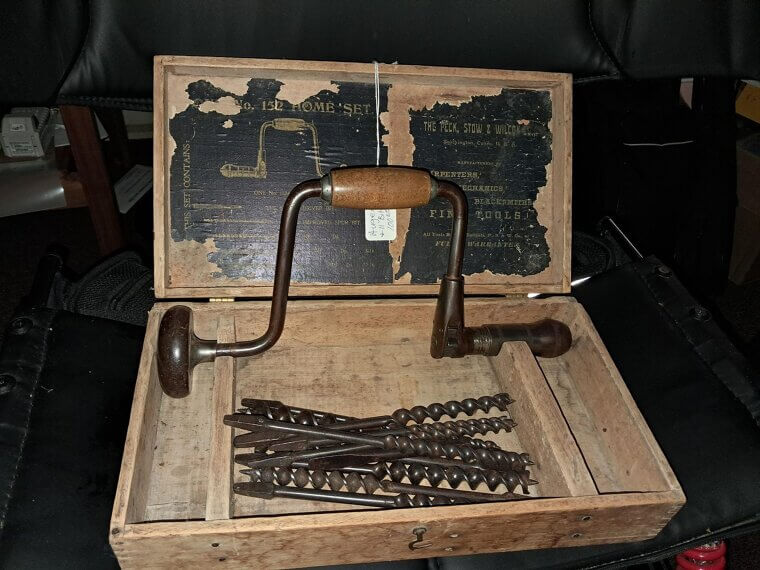
Matching bit sets in the original roll are almost impossible to find intact. Even a partial set in good condition is worth picking up.
The Trusty Wooden Mallet
Here's a tool that looks simple but hides real craftsmanship. Wooden mallets from the 60s were turned from lignum vitae, beech, or hornbeam — woods chosen specifically because they absorb shock without splitting. The problem most people encounter is a loose handle, which is dangerous and annoying in equal measure. Fix it by soaking the head in linseed oil for 24 hours; the wood swells and tightens around the handle naturally. The specific detail worth examining: look for a maker's stamp on the head, because branded mallets from known manufacturers sell for three times the generic ones.
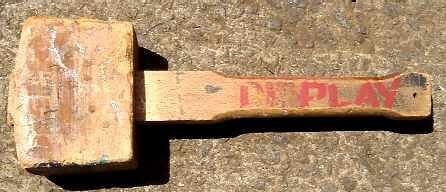
Spot a lignum vitae head and buy it without hesitation. That dense, self-oiling wood hasn't been commercially available for decades — and collectors know it.
Vintage Levels With Brass Fittings
You've probably walked past one without knowing what you were looking at. Vintage levels with brass end caps and fittings from the 60s are hiding in tool chests everywhere, often mistaken for junk. The real problem is a damaged vial — if the bubble moves sluggishly or the liquid is discolored, the seal is broken and the level reads inaccurately. Replacement vials are still available from specialty suppliers. The detail that matters most to collectors: the mahogany or cherry body should be free of twists; lay it on a known flat surface and check both faces.
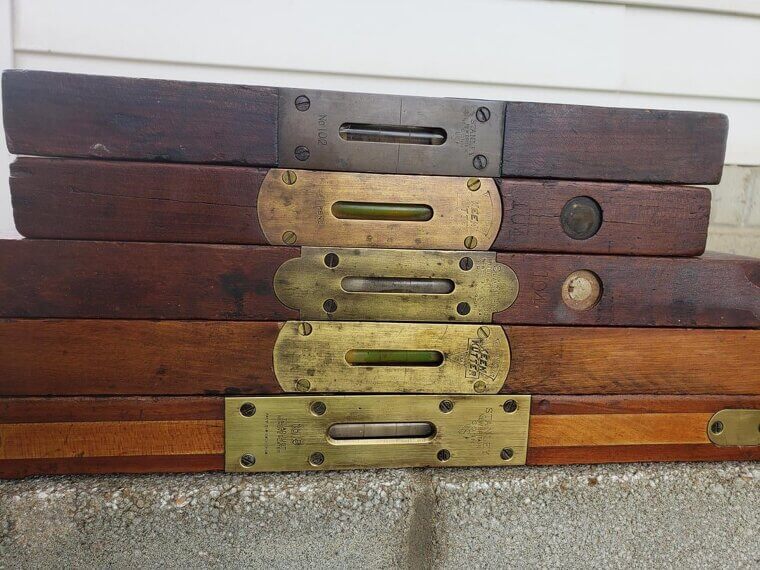
Brass fittings that are original — not replacements — are the key authenticity marker. Polished-over replacements are a common seller trick.
The Sturdy Estwing Rock Hammer
Estwing has been making tools in Rockford, Illinois since 1923, and the rock hammers they produced in the 1960s are still finding their way into geology classrooms and collector shelves alike. The one-piece forged steel construction means there's almost nothing to break — which is exactly why 60-year-old examples still work perfectly. The problem is handle deterioration on early leather-grip models. Re-wrapping with period-correct leather lace is a straightforward fix and actually increases collector appeal. Check the head stamp: earlier Rockford stamps are more desirable than later production marks.
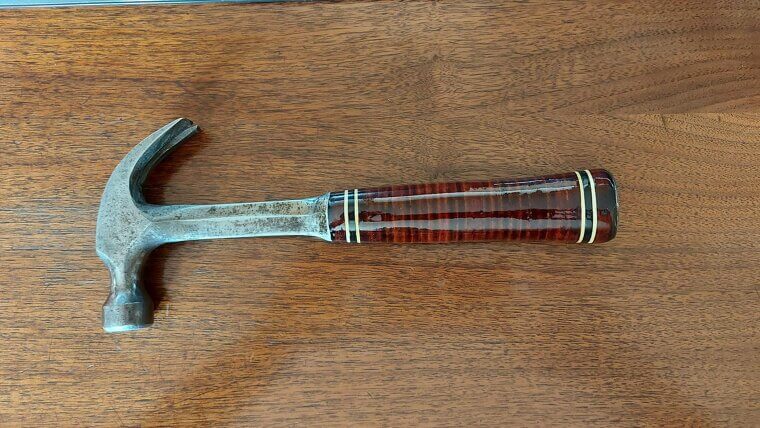
Leather-grip Estwings predate the nylon handle era and are the version collectors specifically seek. Condition of the grip drives the price.
Old Folding Rules From the Workshop
Six feet of folding boxwood and brass, clicking open joint by joint — that's the tactile experience of a 1960s folding rule that no tape measure can replicate. The problem is broken joints, which are common and make the rule useless for accurate work. Individual replacement joints are hard to source, so a broken rule is generally display-only. The specific detail worth knowing: rules marked in both inches and metric on the same face were made for export and are rarer than domestic versions. Lufkin and Stanley both made export rules that now command premium prices.
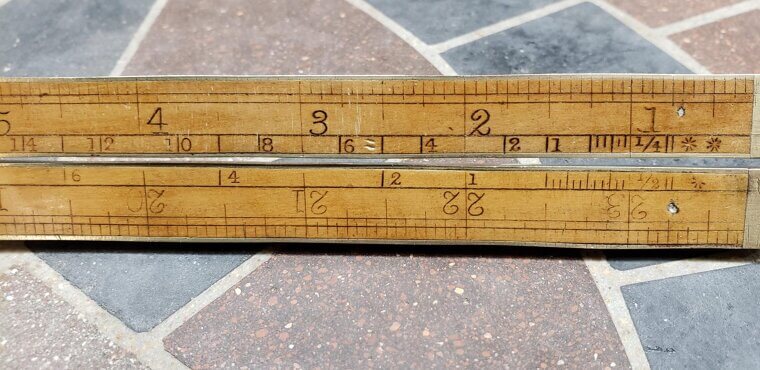
All-brass joints with no play or wobble indicate a rule that was stored properly. Sloppy joints mean heavy use — and reduced collector value.
The Iconic Disston Hand Saw
This might be the most underrated saw ever made. Disston hand saws from the 1960s — particularly the D-8 and D-23 models — were produced just before the company's quality decline, making them the sweet spot for collectors. The problem most buyers face is a blade that's been sharpened unevenly, leaving teeth at different heights. A professional saw filer can restore the tooth geometry for about $20, turning a $10 garage sale find into a $90 working tool. The detail that matters: check the etch on the blade near the handle — a clear, legible etch indicates minimal metal removal from sharpening.
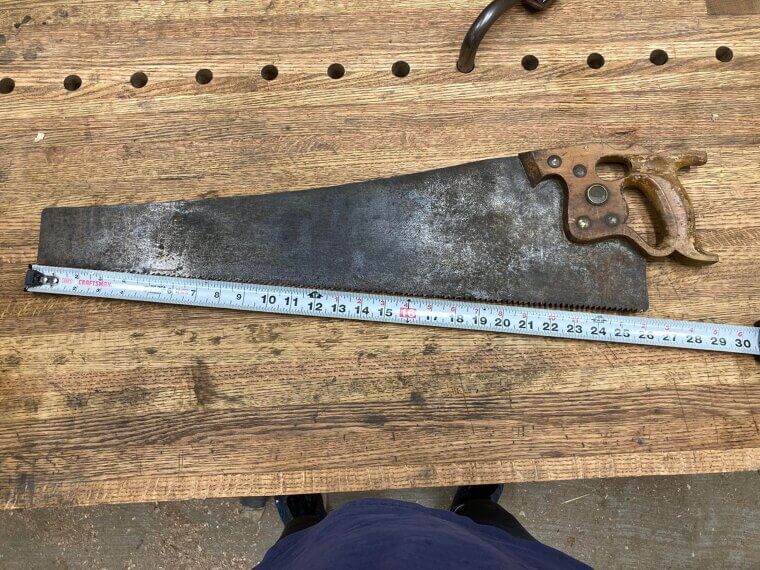
Medallion condition on the handle is the other key marker. A crisp, uncracked medallion tells you the saw was stored carefully, not abused.
Vintage Spoke Shaves for Fine Woodwork
Most woodworkers today have never used a spoke shave, which is exactly why vintage examples are available cheaply — for now. Spoke shaves from the 60s were made with precisely machined throats and adjustable mouths that let you dial in a whisper-thin shaving. The problem is a bent or pitted sole, which causes chatter and tear-out. Flatten the sole on wet-dry sandpaper on glass, then hone the blade to 30 degrees. The specific detail: Stanley and Preston spoke shaves with the original blade still in place are worth significantly more than those with replaced blades.
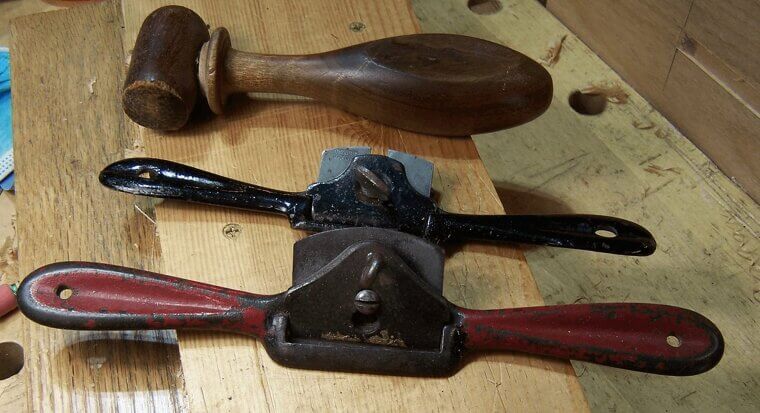
The mouth adjustment mechanism is often frozen on old examples. Free it with penetrating oil before assuming it's broken — most aren't.
The Original Snap-on Wrench Sets
$500 for a wrench set. That's not unusual when the box lid reads Snap-on and the chrome still mirrors your face. Early 1960s Snap-on sets were made to tighter tolerances than the company's current production, and the chrome plating was thicker. The problem is that individual sockets go missing, and a broken set loses value fast. The fix for collectors: buy incomplete sets cheaply, then source missing pieces from specialty dealers who part out duplicates. The specific detail worth knowing: pre-1965 Snap-on sockets have a different knurling pattern that's easy to identify once you know what to look for.
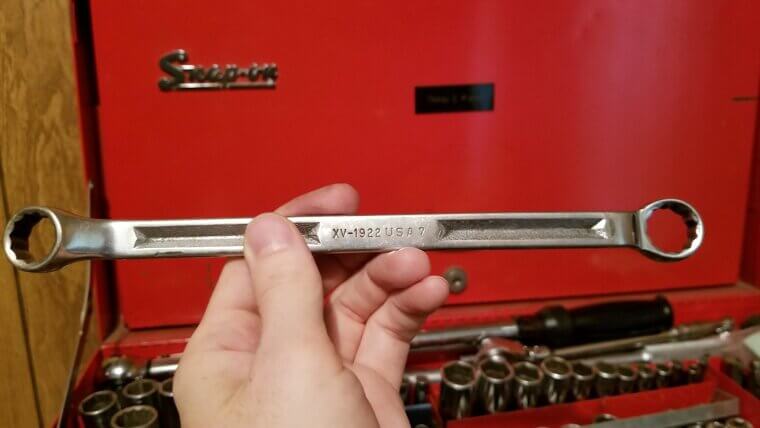
Original rollaway cabinets with the set inside are the ultimate find. Cabinet condition matters almost as much as the tools themselves.
Rare Starrett Combination Squares
Starrett combination squares from the 1960s are the tool that professional machinists argue about the way audiophiles argue about amplifiers. The precision ground blade, hardened square head, and spirit level were manufactured to tolerances measured in ten-thousandths of an inch. The problem most buyers encounter is a blade that's been nicked or has a slight bow from improper storage. Test it against a known straight edge before buying. The specific detail that separates a working precision tool from a display piece: the locking nut should clamp the blade without any movement when tightened firmly.
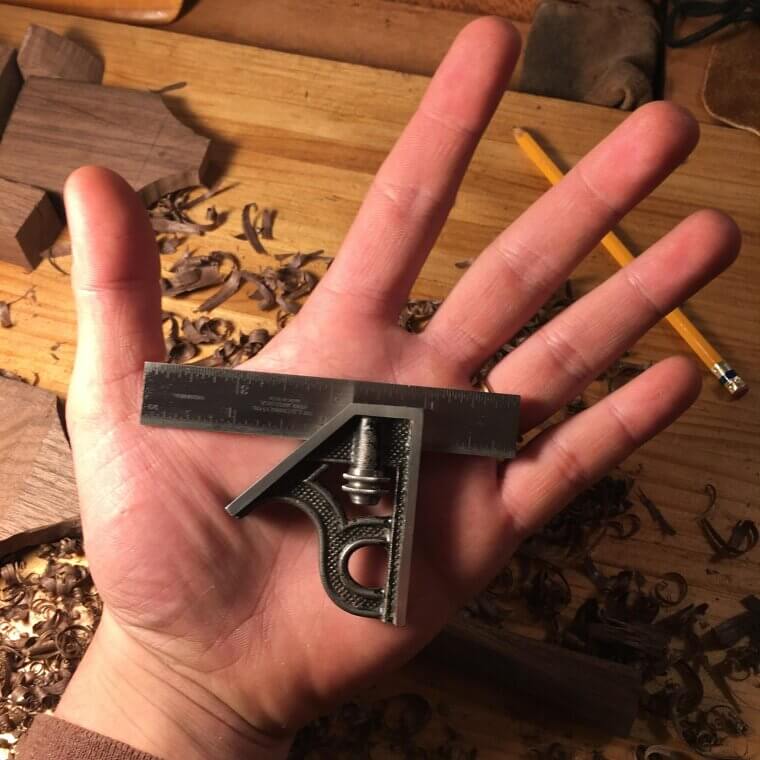
A Starrett with the original scribe still stored in the head is increasingly rare. That small detail adds $30 to $50 at collector events.
The Collectible Dunlap Toolbox
Dunlap was Sears' budget tool line, but the metal toolboxes they produced in the early 60s were made from heavier gauge steel than you'd expect from a house brand. The problem is surface rust, which is almost universal on surviving examples. The fix: electrolytic rust removal using a battery charger, washing soda, and water pulls rust without damaging the metal. One hour in the bath and you'll see the original steel. The specific detail worth checking: look for the original tray insert — boxes with the intact tray sell for nearly double those without it.
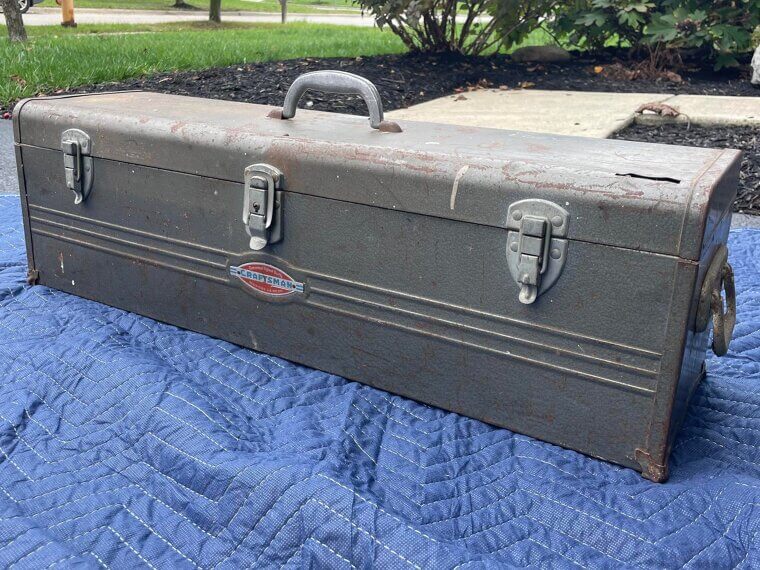
Original decals under the lid are a bonus that many sellers don't even notice. Intact decals confirm age and boost collector appeal significantly.
Antique Draw Knives Prized by Collectors
Most people couldn't name a draw knife if their workshop depended on it — and that's exactly why 1960s examples still show up at estate sales for next to nothing. Draw knives were essential for chair-making, coopering, and timber framing, and the best vintage examples have blades forged from high-carbon steel that takes an edge modern tool steel struggles to match. The problem is pitting from rust. Light pitting on the flat face can be lapped out; deep pitting on the bevel is permanent. The specific detail: handles should be matched and crack-free — mismatched handles usually mean a repair was done.
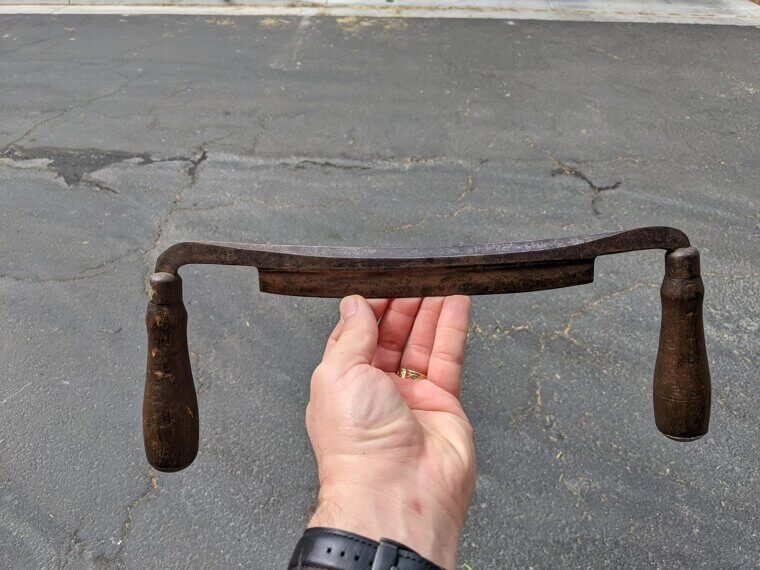
Tanged handles that are tight with no wobble indicate the tool was stored dry. Loose tangs are a safety issue, not just a cosmetic one.
Vintage Soldering Irons With Wooden Handles
Before temperature-controlled soldering stations, electricians relied on copper-tipped irons with turned wooden handles that heated over a flame or on an electric element. The 1960s versions made by Weller and American Beauty are now collected as much for their aesthetic as their function. The problem is a corroded or pitted tip, which won't tin properly and transfers heat poorly. Re-tip with a period-correct copper blank, file to shape, and tin with rosin-core solder. The specific detail: wooden handles with no scorching or cracking indicate careful use — scorched handles mean the tool was overheated repeatedly.
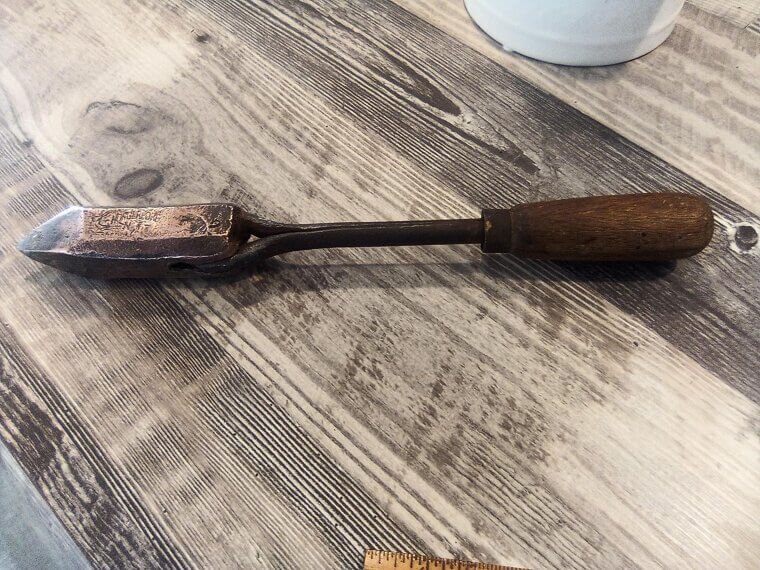
Weller's catalog numbers are stamped on the element housing. Earlier production numbers are rarer and worth researching before you sell.
The Original Channellock Pliers
The name on the side says Channellock, but the town in Pennsylvania that gave the company its identity is just as much part of the story. Original 1960s Channellock pliers — particularly the 420 and 440 models — were drop-forged from carbon steel and heat-treated to a hardness that modern production versions don't consistently achieve. The problem is jaw wear from heavy use. Check the teeth: sharp, well-defined teeth grip; rounded, shiny teeth slip. The specific detail collectors look for is the original blue finish — later production shifted to a different coating that's visually distinct once you know the difference.
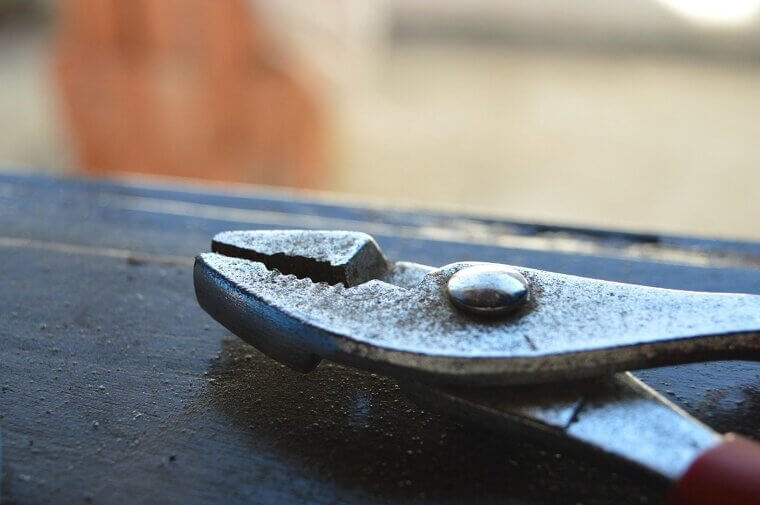
USA-stamped Channellocks from this era are still working tools, not just shelf pieces. Many plumbers actively seek them out for daily use.
Old Coping Saws With Chrome Frames
Here's a tool that looks fragile but was engineered to take punishment. Chrome-framed coping saws from the 1960s — made by companies like Eclipse and Stanley — used a tensioning mechanism that kept the blade under consistent pressure through a full cut. The problem is a bent frame, which throws the blade off-axis and makes accurate cuts impossible. Minor bends can be corrected carefully in a vise with a hardwood block as a backer. The specific detail: check that the blade pins rotate freely in both holders — frozen pins mean you can't change blade direction, which kills the tool's versatility.
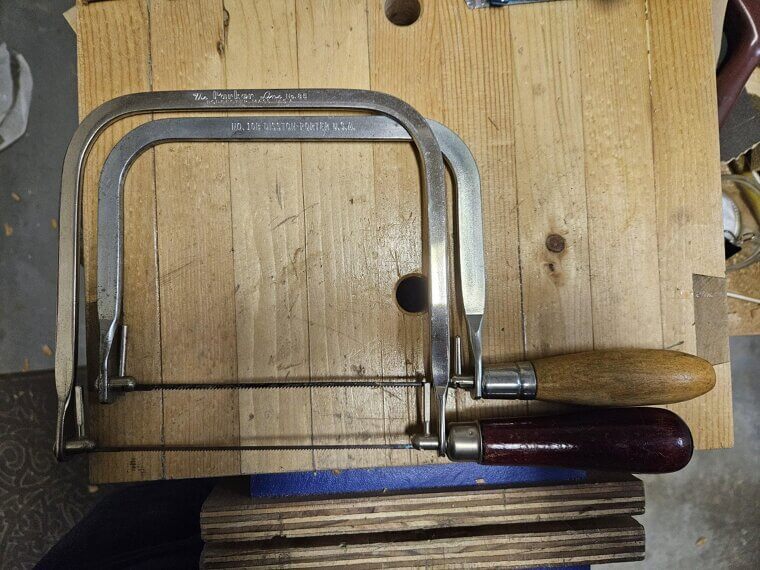
Original blades still in the frame are a bonus. They confirm the saw wasn't heavily used and give you a reference for correct tension.
The Prized Craftsman Torque Wrench
Torque wrenches from the 1960s Craftsman line are the tool that automotive collectors specifically hunt because they were calibrated to a standard that many modern budget wrenches can't match. The problem is calibration drift — every click-type torque wrench needs periodic recalibration, and 60-year-old examples are almost certainly off. A torque wrench calibration service costs $15 to $30 and is worth every cent. The specific detail that matters: always store a click-type torque wrench at its lowest setting to relieve spring tension — a wrench stored at high torque will read low and potentially damage fasteners.
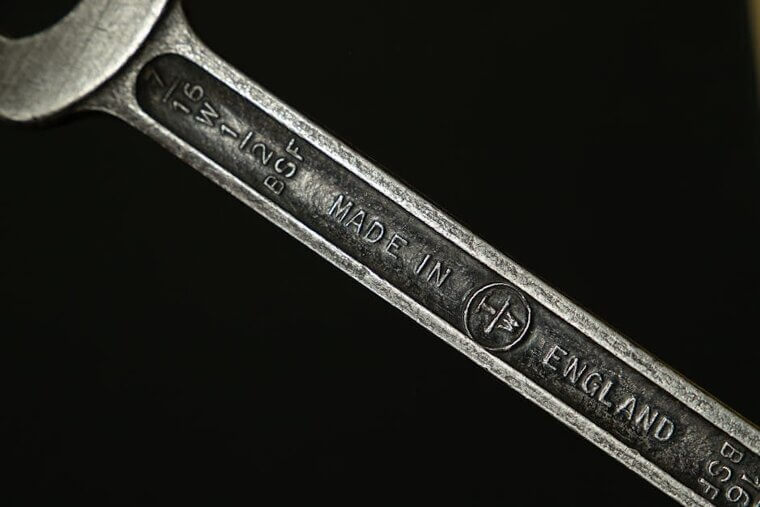
Pre-1965 Craftsman torque wrenches carry specific model numbers that collectors track obsessively. Know the numbers before you hit the swap meet — the difference between a $40 find and a $150 find is often just a stamp.
Vintage Marking Gauges in Hardwood
Marking gauges seem simple until you try to use a bad one. Vintage hardwood gauges from the 60s — made from rosewood, ebony, or boxwood — had fence faces that were truly flat and pins that were hardened and properly sharpened. The problem with old gauges is a loose fence that won't hold its setting under hand pressure. The fix is a thin strip of leather glued to the fence face, which adds just enough friction to lock the setting. The specific detail: gauges with a brass wear strip on the fence face are higher-quality production pieces and hold their settings more reliably.
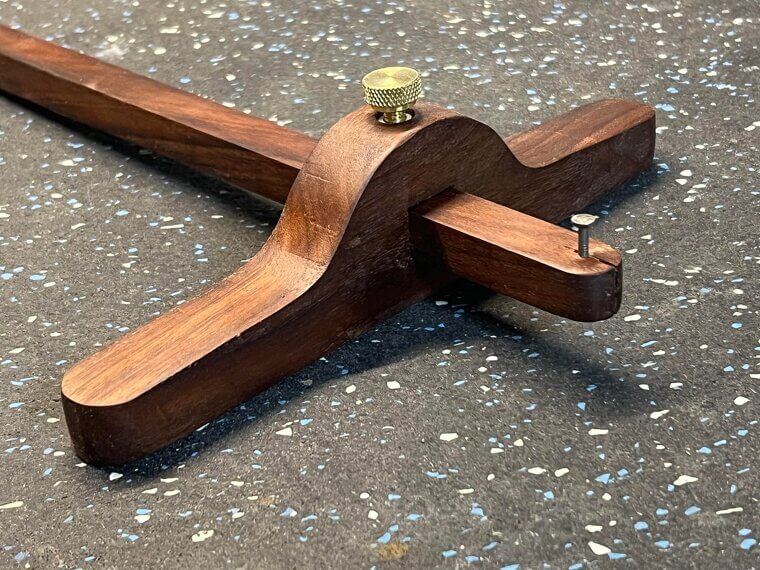
Think your modern marking gauge is just as good? Try scribing a clean line with a loose fence and a blunt pin. Vintage gauges make the difference embarrassingly obvious.
The Rare Goodell-Pratt Hand Tools
Goodell-Pratt tools are the sleeper pick of the vintage tool world — and the reason they show up in 1960s workshops is simple: they were so well-built that craftsmen refused to replace them even after the company folded in 1931. Hand drills, braces, and precision push drills made in Greenfield, Massachusetts outlasted their own manufacturer by three decades and were still earning daily use when the Beatles were on the radio. Most buyers still don't recognize the G-P stamp, which is exactly why the prices haven't caught up yet. Push drills with the original bits stored in the hollow handle are among the rarest finds at any estate sale — and the collectors who know the name are not telling their neighbors.
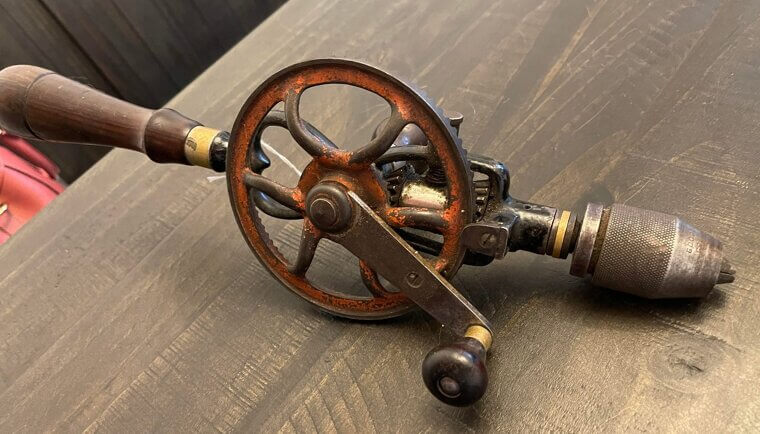
A tool that outlasted its own manufacturer by thirty years and still earned daily use in a 1960s shop — that's not just collectible. That's a testament to how well it was built.
Old Leather Tool Belts Worth Collecting
Leather tool belts from the 1960s were stitched from full-grain cowhide, riveted at stress points, and built to last decades of daily use. The problem is dried, cracked leather that looks beyond saving. It usually isn't. Work neatsfoot oil into the leather over three or four applications, allowing full absorption between each, and most 60-year-old belts will become supple again. The specific detail that separates a working belt from a wall hanger: check the rivets at the hammer loop — that's the highest-stress point, and loose or missing rivets there mean the belt will fail under load.
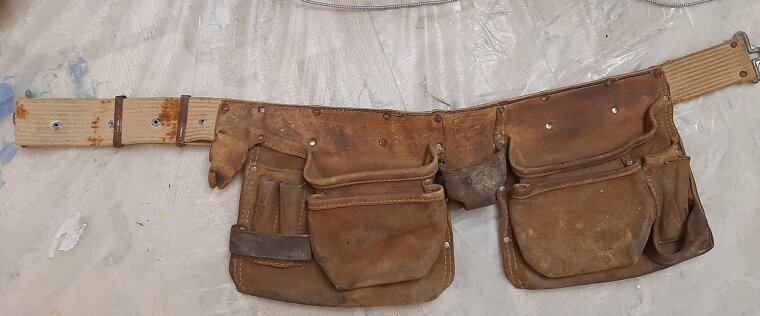
Maker-stamped belts from known manufacturers like Occidental or Custom Leathercraft are worth significantly more than unmarked examples.
The Iconic Buck Brothers Wood Chisels
Buck Brothers chisels were made in Millbury, Massachusetts and earned a reputation among cabinetmakers for holding an edge longer than comparable tools. The 1960s production pieces — particularly the socket chisels with turned handles — are the versions collectors most actively seek. The problem is handles that have been beaten with metal hammers, causing mushrooming and splitting at the top. Replace with period-correct hornbeam or boxwood handles turned to the original profile. The specific detail: the socket should be perfectly round with no oval distortion — an oval socket means the chisel was struck off-center repeatedly and the geometry is compromised.
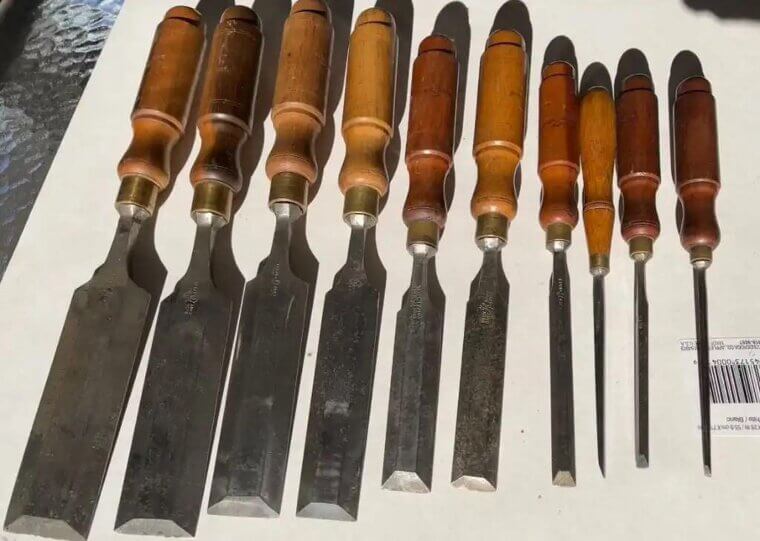
A full set in graduated widths with matching handles is the holy grail. Even three or four matching pieces together are worth more than the sum of individuals.
Vintage Pipe Wrenches With Cast Iron Heads
Cast iron pipe wrench heads from the 1960s were heavier than today's aluminum versions — and that weight is exactly what plumbers and collectors both appreciate. The jaw geometry was cut to grip pipe without slipping under high torque. The problem is a worn or chipped heel jaw, which causes the wrench to skip rather than grip. Replacement jaw sets are still manufactured and fit vintage bodies. The specific detail worth checking before buying: the spring that keeps the jaw adjusted should snap back crisply when released — a lazy spring means the jaw will creep and the wrench will slip at the worst possible moment.
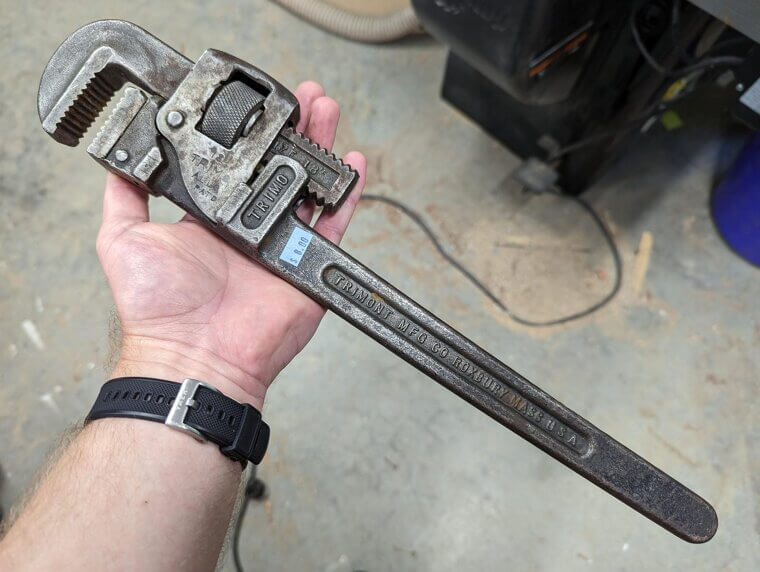
Ridgid and Stillson-pattern wrenches from this era are the most collected. The Stillson name on the head is a specific authenticity marker.
The Prized Lufkin Measuring Tape
Lufkin measuring tapes from the 1960s had blades made from spring steel that was thicker and stiffer than modern tapes, with graduations stamped deeply enough that they don't wear off after a season of use. The problem is a blade that won't retract smoothly — usually caused by a kinked section somewhere in the coil. Extend the tape fully, look for the kink, and carefully work it out with your fingers. The specific detail that drives collector value: Lufkin's red-end tapes, which indicated a specific accuracy grade, are rarer than standard production and command a premium at tool meets.
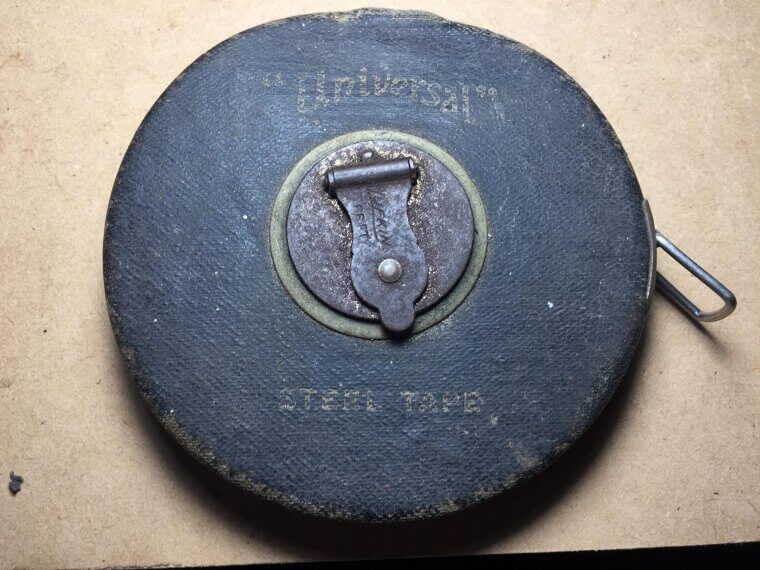
The case material matters too. All-metal cases from this era are more collectible than the mixed plastic-metal hybrids that appeared later in the decade.
The Rare Stanley No. 45 Plow Plane
$800. That's a realistic price for a complete Stanley No. 45 plow plane with all 23 original cutters in the box. This combination plane — which could cut dadoes, rabbets, beads, and moldings — was the Swiss Army knife of the hand-tool workshop. The problem is missing cutters, which dramatically reduce value and usefulness. Before buying, count the cutters against the original Stanley catalog list, which is freely available online. The specific detail that separates a complete set from a partial one: the depth stop, fence rods, and slitting cutter are the most commonly missing pieces — check for all three.
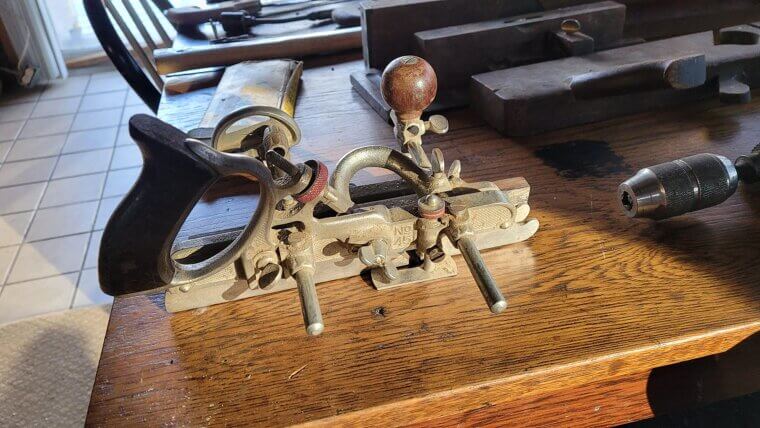
The original wooden box with the Stanley label intact is increasingly rare. A complete plane in its box can double the value of a loose example.
Vintage Hack Saws With Tubular Frames
Tubular-frame hack saws from the 1960s — made by companies like Eclipse, Starrett, and Stanley — used a tensioning system that could put the blade under 30,000 psi of tension, far more than the stamped-frame versions that dominate today's market. The problem is a bent or dented tube, which compromises the tension mechanism and makes accurate cuts difficult. Minor dents can sometimes be worked out with a hardwood dowel, but significant damage is a dealbreaker. The specific detail: the blade should be perfectly perpendicular to the frame — any twist means the frame is damaged and the saw will track off-line.
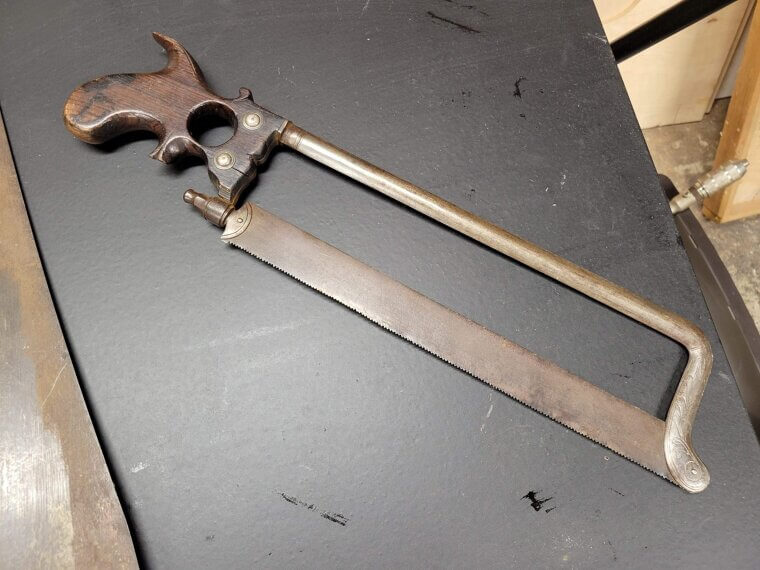
Original Starrett blades still in the wrapper, stored in the frame, are a rare bonus. They confirm the saw was lightly used and properly stored.
The Collectible Bridgeport Drill Press
A 1960s Bridgeport knee mill sitting at a garage sale had a way of stopping knowledgeable men mid-stride — the kind of pause that meant someone was already measuring the truck bed in their head. These American-made machines were built for production shops, with spindle runout tolerances and quill travel that modern import machines struggle to match. Worn quill bushings are the most common problem, causing spindle wobble that ruins precision work. Check runout with a dial indicator and a known-straight rod — anything over 0.003 inches needs service before the machine earns its place in a working shop again.
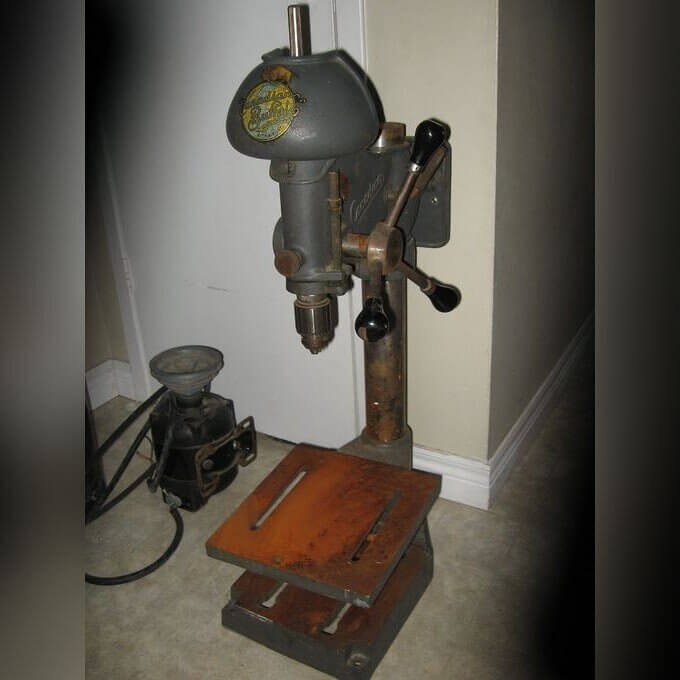
Original Bridgeport tooling — collets, chucks, and tables — stored with the machine dramatically increases its value and usability.
Antique Spoke Levels in Mahogany
Mahogany spoke levels — the long, elegant levels used by finish carpenters and stair builders — were made in the 1960s by companies like Stratton and Davis & Cook, and the surviving examples are genuinely beautiful objects. The problem is a warped body, which makes the level inaccurate regardless of vial condition. Test for warp by reading the level, then flipping it end-for-end and reading again — if the bubble moves, the body is twisted. The specific detail: brass-capped ends in perfect condition with no dents or separation from the wood body indicate a level that was stored horizontally, not hung by one end.
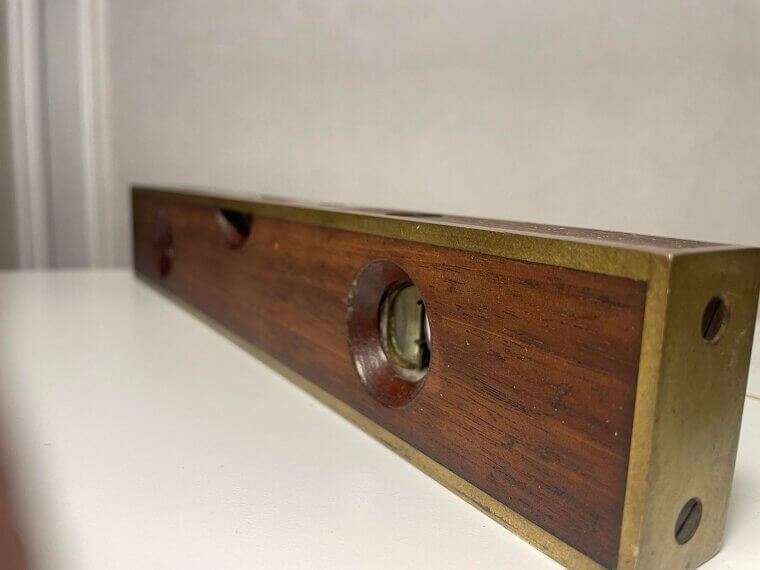
Multiple vials — top, side, and 45-degree — in a single body are the premium configuration. Single-vial examples are common; multi-vial examples are not.
The Original Klein Electrician's Tools
Klein Tools has been making electricians' tools in Chicago since 1857, and the lineman's pliers and wire strippers they produced in the 1960s are still considered the benchmark for the trade. The problem with vintage Klein pliers is worn cutting edges — the knives dull over decades of use and the pliers lose their ability to make a clean cut. The fix is a professional sharpening, which restores the cutting geometry for about $10. The specific detail that matters to collectors: Klein's USA stamp and the specific catalog number on the shank identify the production era — pre-1970 numbers are the most desirable.
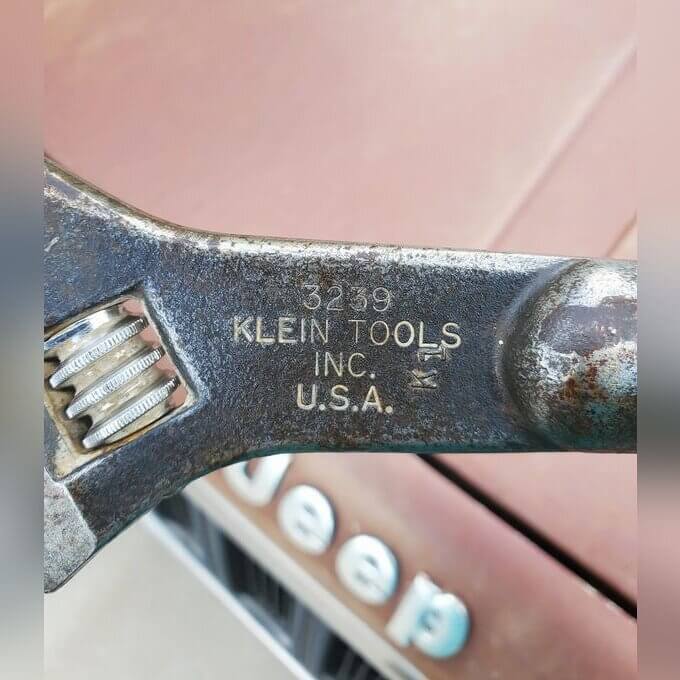
Electricians who actually work with vintage Klein tools report they outperform current production. These aren't just shelf pieces — they're still functional.
Vintage Tin Snips With Red Handles
Red-handled tin snips from the 1960s — particularly those made by Wiss and Midwest — had blades ground from high-carbon steel with a cutting geometry that stayed sharp through sheet metal work that would destroy modern budget snips. The problem is misaligned blades, which cause the snips to push metal rather than cut it. Blade alignment can be adjusted by carefully bending the pivot area, but it requires patience and a feel for the tool. The specific detail: Wiss snips have a specific blade profile that's narrower at the tip than most competitors — that geometry is what gives them their reputation for tight-radius cuts.
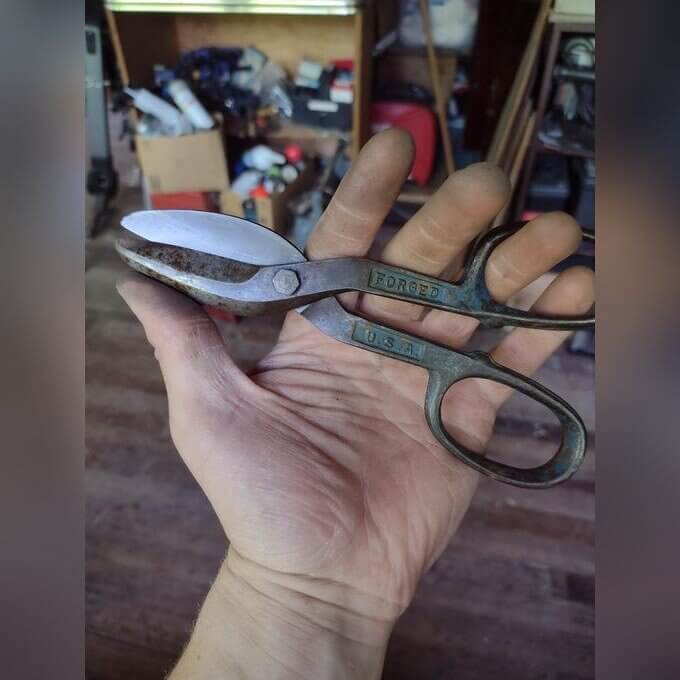
The red handle color was a deliberate safety choice — easy to spot on a cluttered job site. It's also now the visual signature collectors recognize immediately.
Old Chalk Line Reels Now in Collections
Chalk line reels from the 1960s were made from cast metal with brass fittings and a line capacity that modern plastic versions can't match. The problem is dried, caked chalk that freezes the reel mechanism. Fill the case with warm water, shake it, drain it, and repeat until the mechanism turns freely — then refill with fresh chalk. The specific detail worth knowing: Stanley's original chalk line reels from this era had a hook design that allowed one-person operation, a feature that wasn't universal at the time and is specifically noted in period catalogs as a selling point.
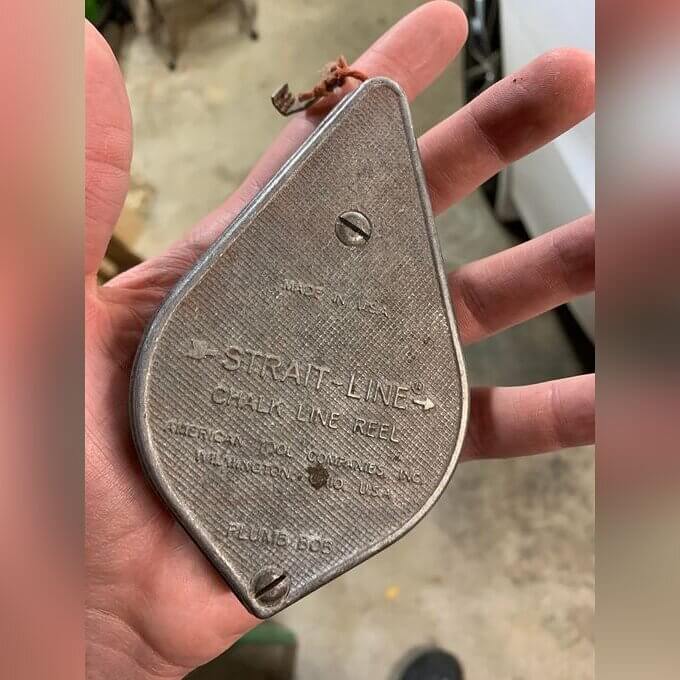
Original chalk — still in the case and still usable — is a surprisingly common find. Old chalk works fine; just break up any clumps before use.
The Beloved Craftsman Socket Set
Here's the thing about a 1960s Craftsman socket set: Sears sourced them from American manufacturers who were competing to supply the best-made tools in the country. The result was chrome-vanadium sockets with wall thicknesses and heat treatments that matched professional-grade tools at a fraction of the price. The problem is a ratchet mechanism that skips or won't reverse — caused by worn pawls or a weak detent spring. Rebuild kits are available for most Craftsman ratchet heads and cost under $10. The specific detail: early 60s sets used a different stamp than late-60s production — the transition year is 1965.
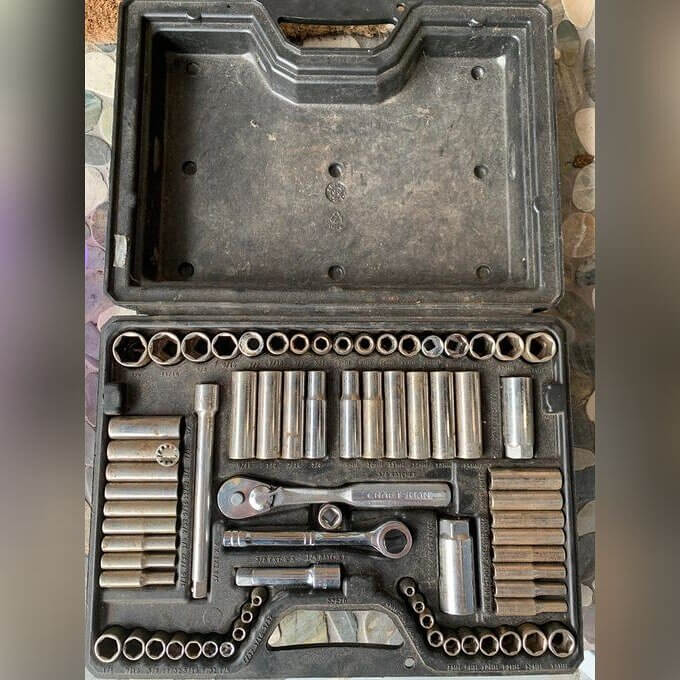
Complete sets in the original metal case are the find. Missing sockets reduce value, but a complete ratchet with the original case still commands strong prices.
Antique Adzes Prized by Timber Framers
Most people have never swung an adze, which is why they're undervalued at estate sales — and why timber framers quietly scoop them up. Adzes from the 1960s were still being made by traditional blacksmiths and small tool companies, with hand-forged heads that were fitted and balanced individually. The problem is a loose head — the eye of the adze expands and contracts with humidity, and handles loosen over time. Fix it by soaking the head overnight in linseed oil to swell the wood. The specific detail: the poll (the flat back of the head) should show hammer marks if it's truly hand-forged — machined polls indicate a later, lower-quality production piece.
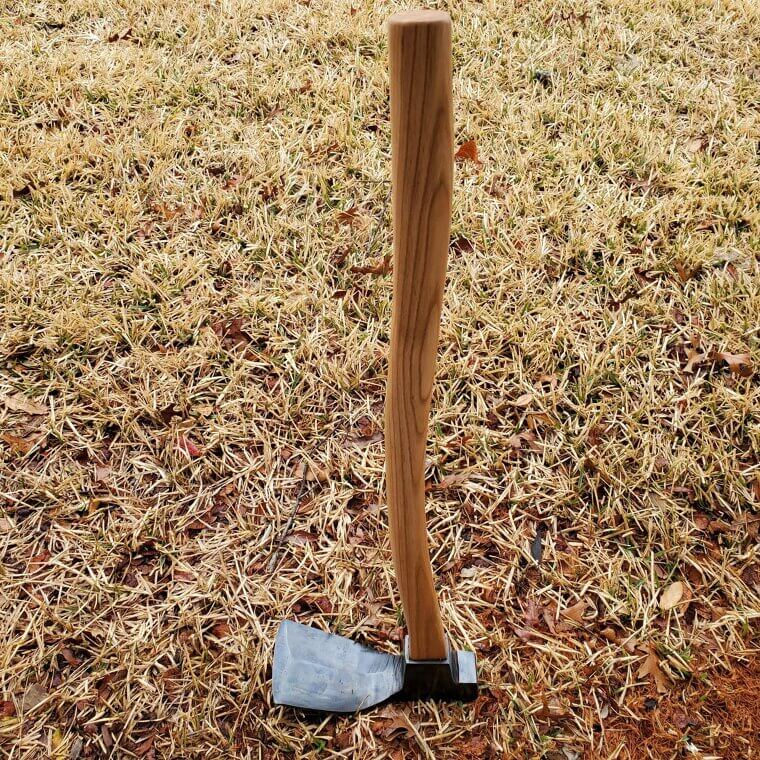
Never used an adze before? Swing a sharp vintage one and you'll immediately understand why timber framers refuse to let them go. Modern replacements haven't come close to matching the balance.
Vintage Files and Rasps in Sets
Nicholson and Simonds files from the 1960s were cut by machines calibrated to produce consistent tooth geometry across the full face of the file — a standard that eroded significantly in later decades as production moved offshore. The problem is that files can't be sharpened; once the teeth are dull, the file is done. The trick for collectors is finding new-old-stock examples, which do occasionally surface in original paper sleeves. The specific detail worth knowing: American-made files from this era have a specific tooth geometry called American pattern, which is coarser and more aggressive than Swiss pattern — they're different tools for different jobs.
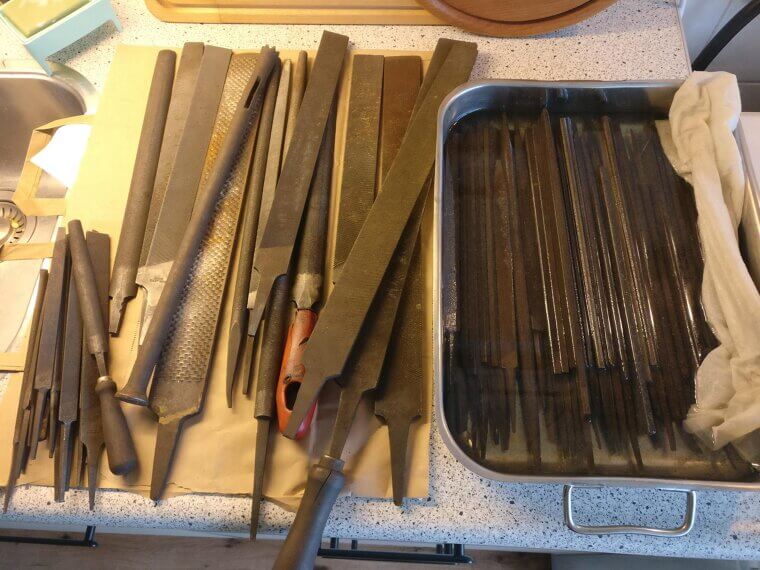
Original paper sleeves protect the teeth from contact damage. Files stored loose in a drawer or toolbox develop flat spots that kill their cutting ability.
The Classic Nail Puller Bar
You've probably seen one hanging on a barn wall and assumed it was decorative. Nail puller bars — also called cat's paws — from the 1960s were drop-forged from carbon steel and heat-treated to resist the bending stress of prying against a nail shank. The problem is a bent tip, which happens when the bar is used as a pry bar rather than a nail puller. A bent tip can't seat under a nail head cleanly and will slip under load. The specific detail: Stanley's nail pullers from this era have a specific bevel angle on the claw that allows them to drive under a nail head without a pilot hole — a feature that was patented and is still referenced in carpentry guides.
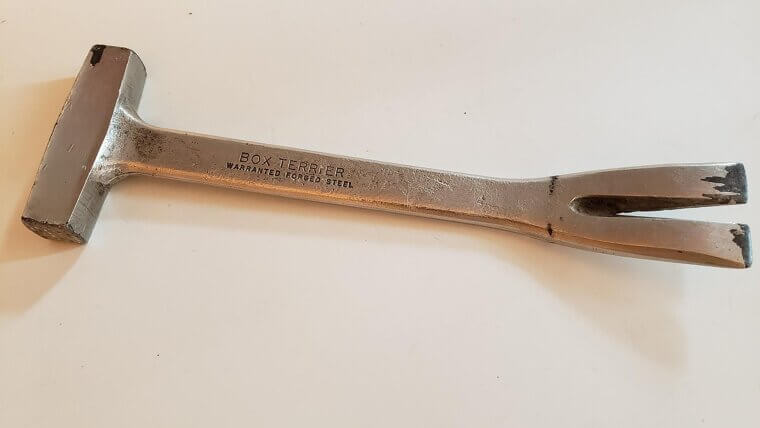
The finish on the bar tells the story. Original black oxide finish with no repainting indicates a tool that was stored, not abused on a demolition site.
Old Oilstone Sharpening Kits for Collectors
Oilstone sharpening kits from the 1960s — particularly those made by Norton and Pike — contained combination stones in grits that are no longer commercially available in the same formulation. Arkansas novaculite stones from this era were quarried from specific deposits that produced a finer, more consistent cutting surface than modern equivalents. The problem is a glazed stone surface, which happens when metal swarf fills the pores. Fix it by lapping the stone on wet-dry sandpaper on glass — 220 grit cuts fast, 400 grit finishes. The specific detail: translucent Arkansas stones are finer than opaque ones; a translucent stone in a vintage kit is the premium piece.
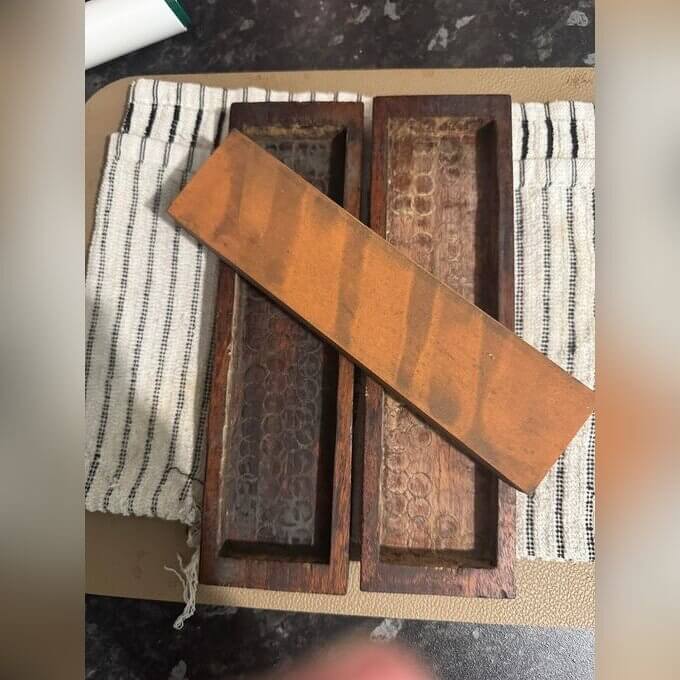
Original wooden boxes with the stone still in the fitted recess are the ideal find. Stones stored loose develop chips at the corners that reduce usable surface area.
The Rare Millers Falls Egg Beater Drill
There was a reason machinists kept their Millers Falls egg beater drills long after power tools arrived — one spin of the crank told you everything. The side handle and breast plate versions from the 1960s are the most collected because they represented the final, fully refined expression of a design that dated back to the 1870s. A grinding sound in the gear train is the most common problem, caused by dried grease that's turned abrasive over decades. Disassemble the gear housing, flush all old grease with solvent, and repack with fresh marine grease. Worth noting before you buy: the chuck should hold a bit with zero runout — any wobble means the jaws are worn and the drill's precision days are behind it.
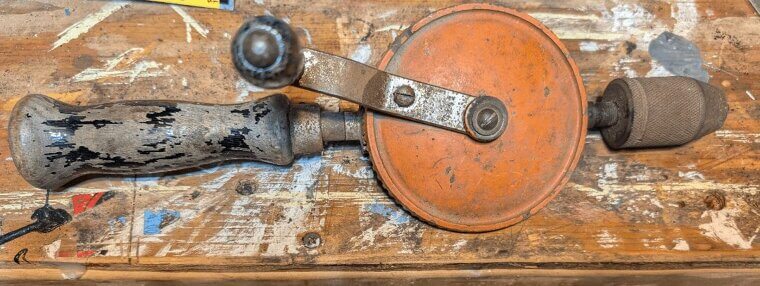
Two-speed models are rarer than single-speed examples and are specifically sought by collectors who want the full range of Millers Falls production.
The Original Gerstner Oak Tool Chest
Gerstner oak tool chests are the piece that makes experienced collectors stop breathing for a moment. Made in Dayton, Ohio since 1906, the chests produced in the 1960s featured hand-fitted dovetail drawers, solid brass hardware, and a felt lining that protected precision tools from vibration damage. A chest that's been refinished is the one to walk away from — amateur refinishing destroys the patina that authenticates the age. For a dirty but untouched chest, careful cleaning with a barely damp cloth and a light coat of paste wax is all it needs. Before anything else, check that every drawer slides with equal resistance and closes flush — uneven drawers mean the case has racked from years of improper storage.
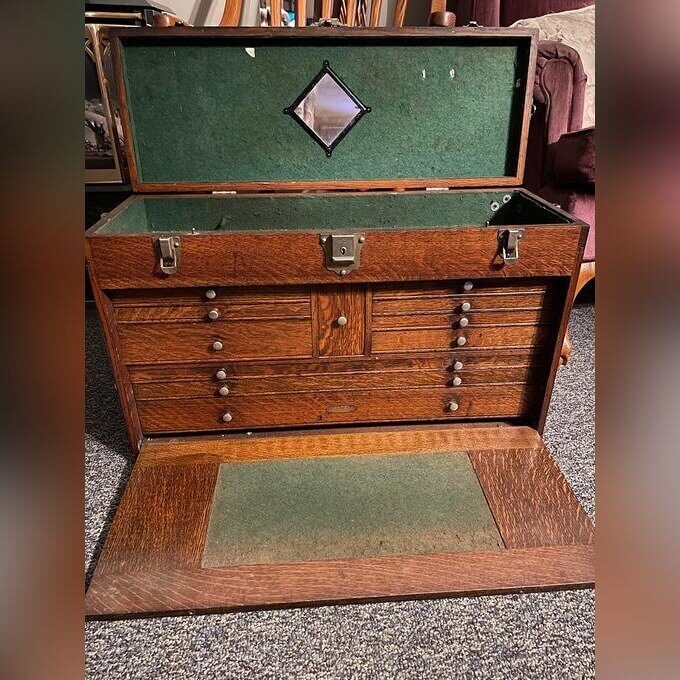
A Gerstner with the original key and lock intact is increasingly rare. That small brass key is the first thing experienced collectors ask about.