
Taking on a home improvement project seems like a smart way to save money — until it isn't. What starts as a weekend warrior mission can quickly spiral into costly repairs, failed inspections, and frustrated calls to professionals who charge extra to fix someone else's mistakes. These are the DIY blunders that end up hitting homeowners hardest in the wallet.
Choosing Low Quality Materials
The $12 bag of joint compound sounds like a win until it cracks, shrinks, and forces you to redo the entire wall. Cheap materials almost always cost you twice — once at the register and once when they fail. Professional contractors know which brands to skip by heart. The specific line between 'budget-friendly' and 'false economy' usually runs right through whatever's on the bottom shelf.
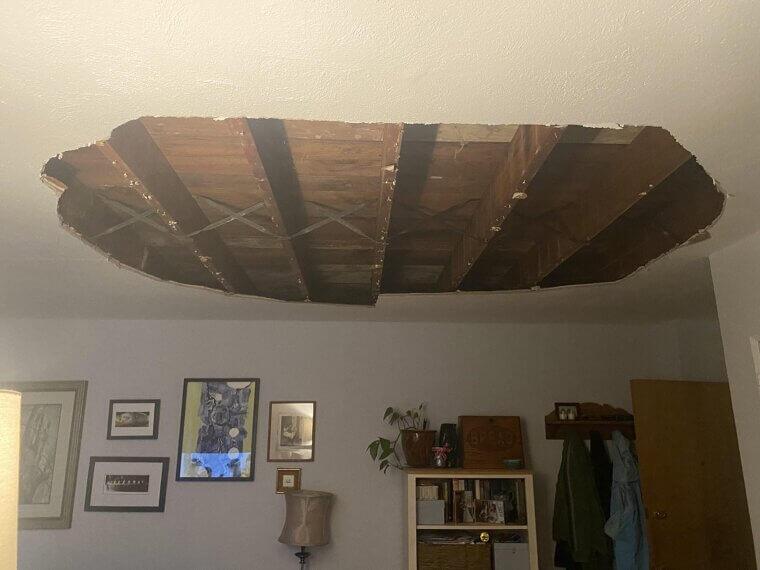
That $8 caulk you grabbed? It'll be yellow and peeling by spring. The $18 version from the same aisle lasts a decade. Next up: the tool rental mistake that turns a weekend job into a month-long nightmare.
A Peeling Paint Job
Paint peeling within a year isn't bad luck — it's almost always a prep failure. Skipping primer, painting over dirty surfaces, or rushing coats in humid weather guarantees this exact result. The fix sounds boring but it's everything: clean, dry, scuff, prime, then paint. A $12 can of primer saves you from redoing a $300 paint job every 18 months.
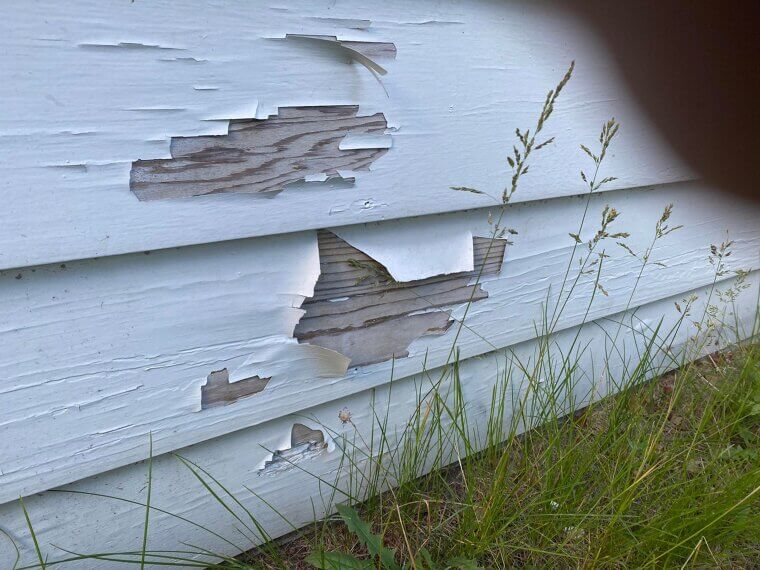
Pros aren't charging you for the painting. They're charging you for knowing that 70% humidity will ruin everything by Tuesday. Next slide gets even more expensive.
A Quick Fix for a Leaky Faucet
Dripping faucets waste up to 3,000 gallons of water a year — about 180 showers worth — and most of that loss traces back to one $3 washer. Before you call a plumber, shut off the water supply valve under the sink, pull the handle, and check the rubber washer at the bottom of the stem. Nine times out of ten, that's your culprit. Takes 20 minutes, costs nothing if you raid the hardware drawer first.
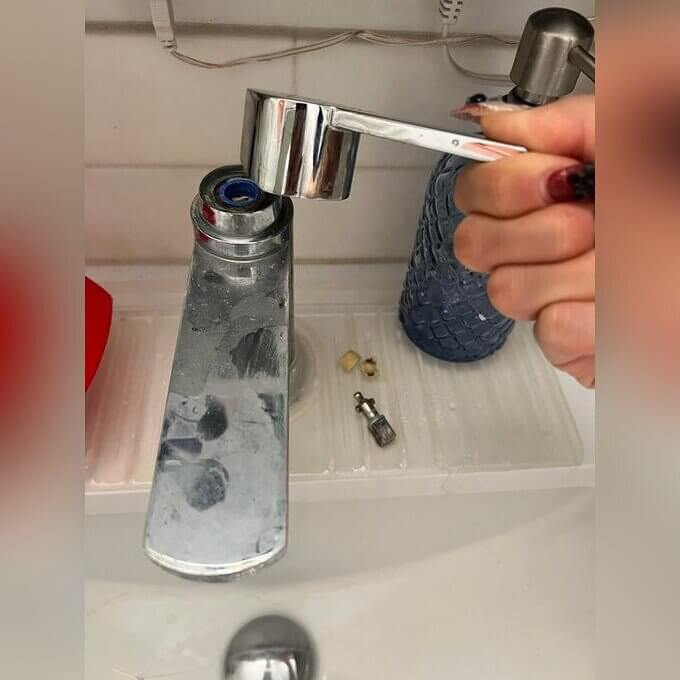
The catch? If you overtighten the packing nut putting it back together, you'll crack the seat and turn a $3 fix into a $200 valve replacement. Slow and snug — not gorilla grip. Next slide is where people really lose money.
Uneven Tiles
Tiling looks deceptively simple — until you're three rows in and realize your floor looks like a topographic map. The culprit is almost always skipping a chalk line grid before you start. Professional tilers snap a center cross through the entire floor first, then work outward. That one 10-minute step keeps every tile aligned, even when your walls aren't perfectly square (and they never are).
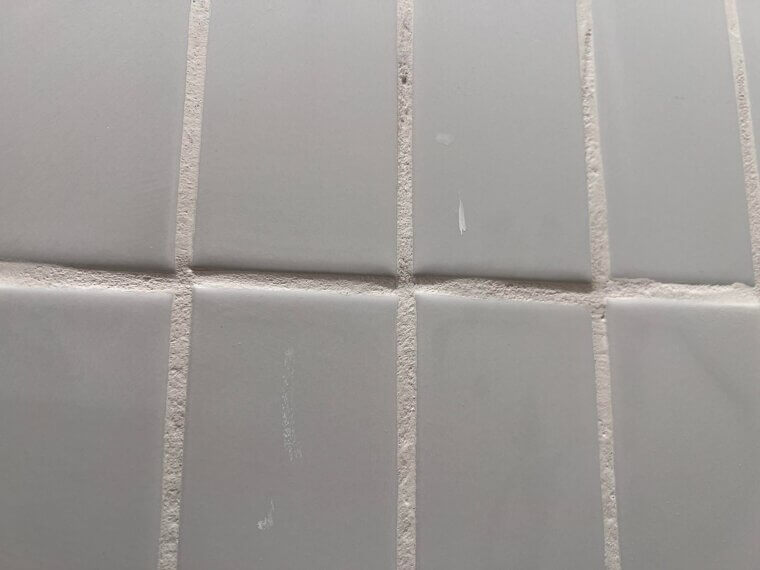
Re-tiling a bathroom runs $800–$2,000 in labor. A chalk line costs $9. The math here is genuinely offensive. Next up: the grout mistake that makes even perfect tiles look amateur.
Improper Plumbing
A slow drip under the sink feels like a $12 fix — new washers, a little plumber's tape, done. Except plumber's tape goes on threaded fittings, not compression joints, and now you've got a hairline leak inside the wall. The average water damage claim runs $11,000. The original plumber's bill? Usually under $200.
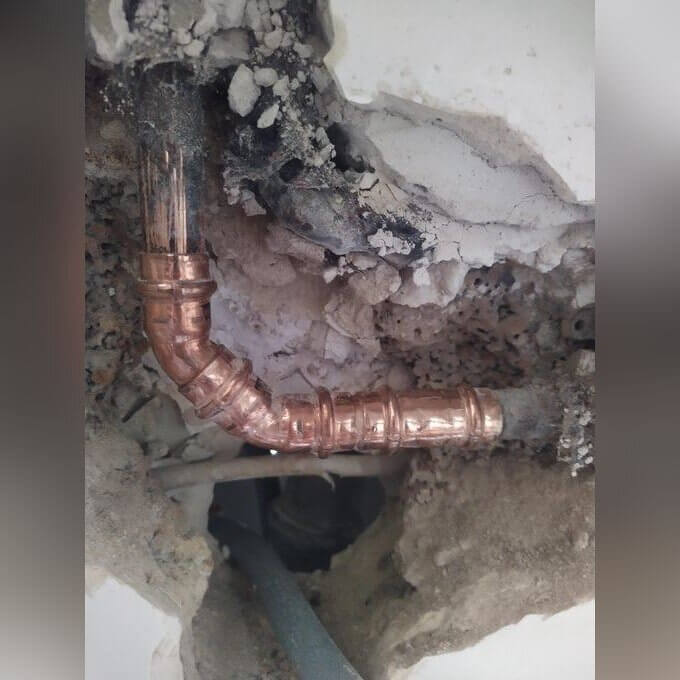
And here's the cruel part: your homeowner's insurance may deny the claim if they determine it was 'faulty repair work.' Meaning you. Next slide gets worse.
Failed Roof Patching
Roofing cement looks like a miracle fix — slap some black goop over a crack and call it a day. The problem is, it shrinks as it cures, pulling away from the edges and creating a perfect channel for water to funnel straight into your attic. Professional roofers use self-adhering flashing tape first, THEN cement over it. That layered seal is what actually holds through freeze-thaw cycles.
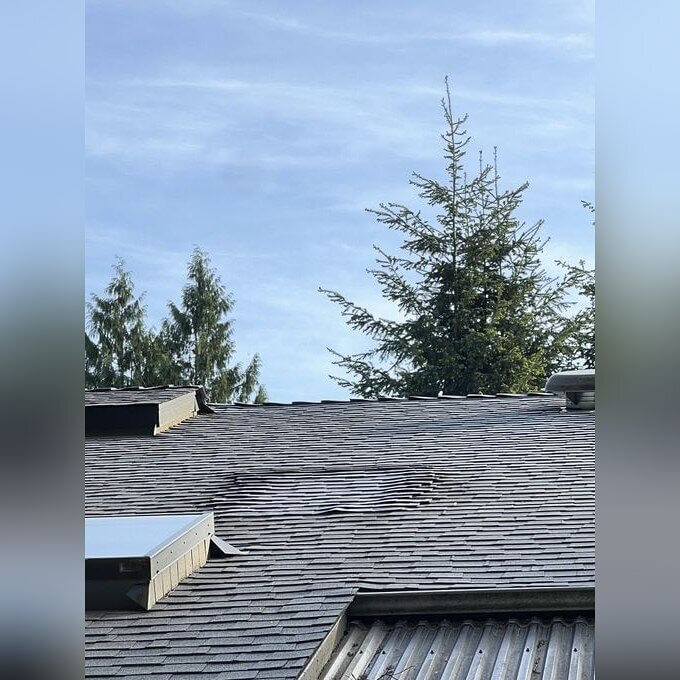
A $12 roll of flashing tape skips the $800 drywall repair when that 'fixed' leak resurfaces in January. Next up: the electrical shortcut that voids your homeowner's insurance.
A DIY Deck
Deck boards run perpendicular to the house for a reason — water needs somewhere to go. Skip proper drainage slope and you've just built a very expensive puddle collector. Within two or three seasons, that standing water rots the ledger board where the deck attaches to your house, and that repair alone runs $1,500 to $3,000 before you've touched a single deck board.
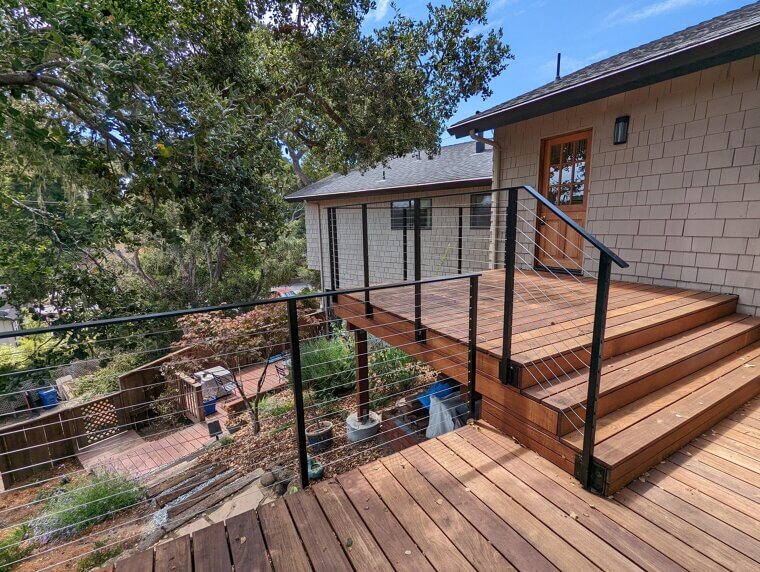
The deck looks fine from the yard. It's what's happening at the house connection that'll make your contractor wince — and your wallet cry. Next up: the electrical 'upgrade' that voided someone's homeowner's insurance.
Poor Landscaping Drainage
Water pooling against your foundation isn't just ugly — it's a $10,000 basement waterproofing job waiting to happen. Most DIYers grade soil flat when it needs to slope away from the house at least 6 inches over 10 feet. Skip that, and every rainstorm is slowly hydrostatic-pressuring its way through your foundation walls. A $40 bag of topsoil now versus a full waterproofing membrane later.
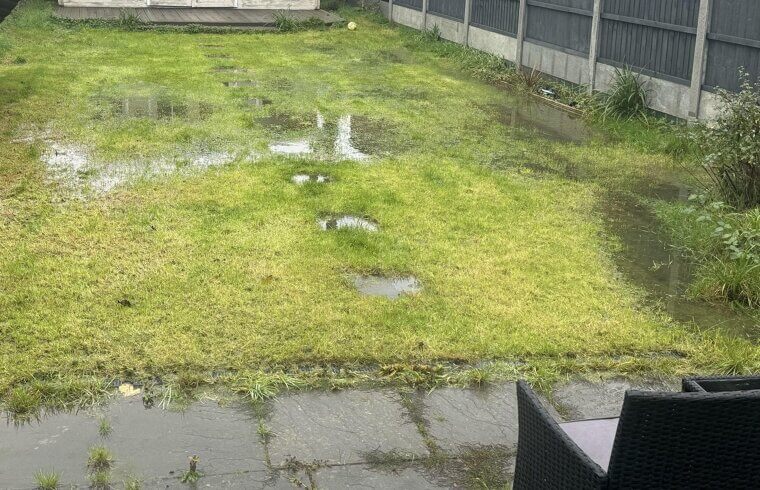
Landscapers charge $200–$500 to regrade a foundation bed properly. Basement waterproofing contractors charge $5,000–$15,000. The math isn't complicated. Next up: the wiring shortcut that turns a home sale into a five-figure nightmare.
Electrical Rewiring
DIY electrical work isn't just a permit problem — it's a fire risk that your homeowner's insurance is actively looking for a reason to deny. Aluminum wiring spliced with the wrong connectors, junction boxes buried in walls, or circuits overloaded past their rated amperage are all invisible until they aren't. An electrician charges $150–$300 to inspect your panel. A house fire averages $20,000 in damage and a claim denial if the cause traces back to unpermitted work.
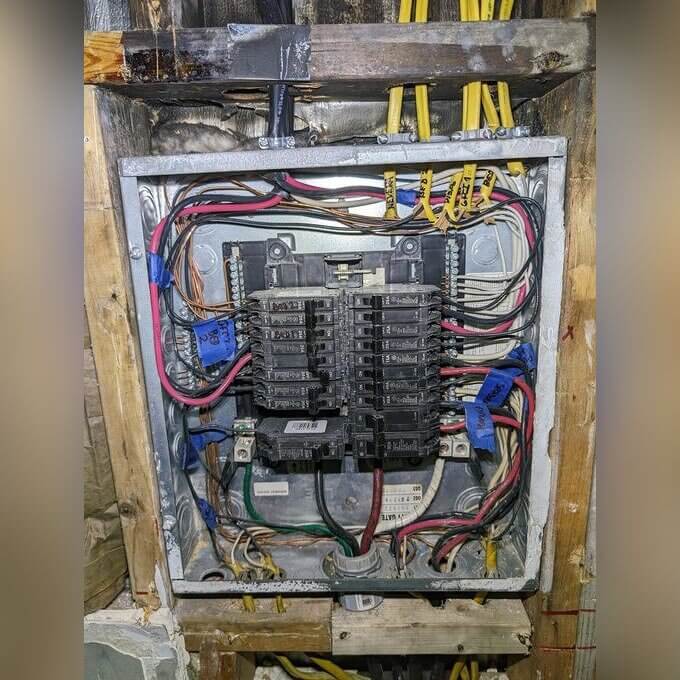
The specific trap: most jurisdictions require a licensed electrician to pull the permit, meaning your finished DIY work is illegal by default before you flip a single breaker. Next up: the plumbing shortcut that causes the exact same insurance nightmare.
Fixing a Washing Machine
Most washing machine problems come down to three cheap parts: the lid switch, the door latch, or the drain pump — and a $12 replacement fixes most of them. The DIY trap is misdiagnosing which one failed and ordering the wrong part. Before you touch anything, pull the error code from the display panel. Every modern machine logs exactly what broke.
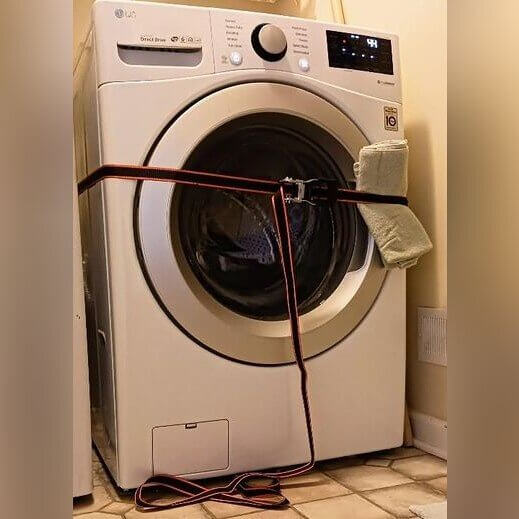
Skipping the error code is how a $12 fix turns into a $300 service call. Next up: the one dryer mistake that actually starts house fires.
Installing Hardwood Floors
Hardwood flooring looks forgiving in YouTube tutorials — it isn't. The mistake that destroys DIY floors isn't the installation itself, it's skipping the acclimation step. Hardwood needs to sit in your home for 3–5 days before you touch it. Skip that, and the boards absorb moisture after install and buckle into a wave pattern that no amount of re-nailing fixes. At that point, you're pulling everything up and starting over.
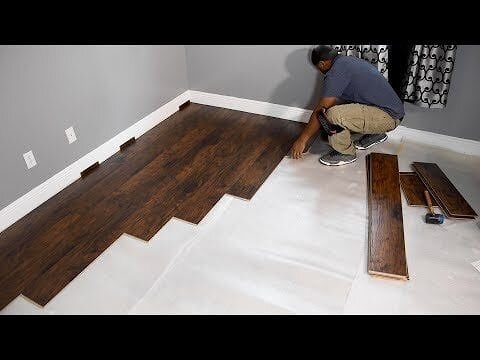
Refinishing a buckled floor runs $3–8 per square foot. Full replacement? Double that. The YouTube guy who skipped acclimation just didn't film the follow-up video. Next slide is somehow worse.
Poor Custom Carpentry
Custom built-ins look stunning until you realize you measured for the wall, not the baseboard. That half-inch gap at the bottom? It screams amateur, and fixing it means pulling the whole unit. Carpenters call it 'scribing' — cutting the cabinet's edge to follow the wall's imperfections. Skip it and you're looking at a $400 mistake on a $200 project.
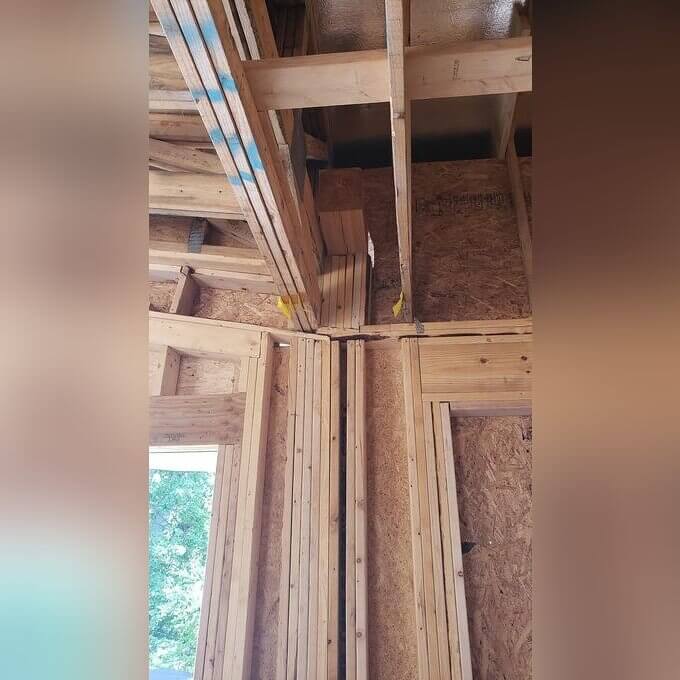
A finish carpenter charges around $75/hour. Ripping out your built-in and starting over costs you a full weekend plus materials. Do the math before you grab the nail gun. Next up: the permit skip that haunts you at closing.
Skipping Permits
A permit for a deck addition runs $150–$500 depending on your county. Skipping it feels like a win — until you sell the house. Home inspectors find unpermitted work constantly, and when they do, you're looking at either tearing it out or retroactively permitted work that costs 3–5x the original permit fee. One homeowner in Austin paid $11,000 to legalize a $4,000 deck addition. The math is brutal.
And that's before your insurance company finds out and denies the claim on the water damage your unpermitted roof work caused. Next slide is somehow worse.
Renting the Wrong Tool
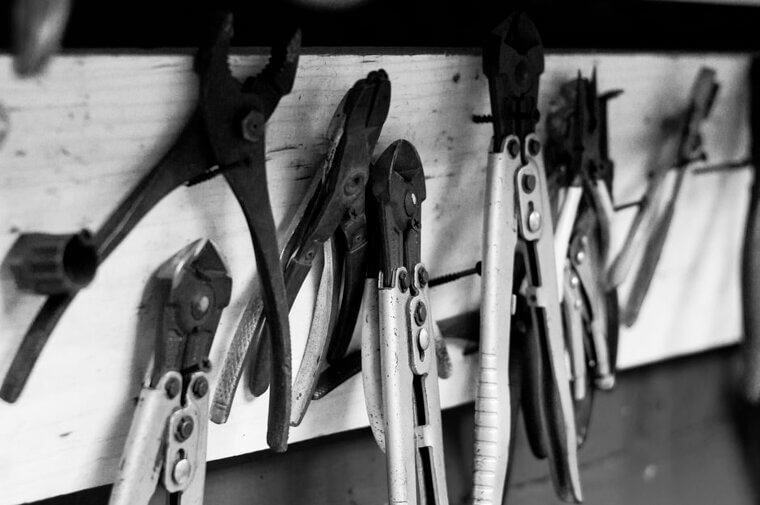
A random orbital sander and a belt sander look similar enough that plenty of DIYers grab whichever is cheaper at the rental counter. Belt sanders remove material aggressively — run one across a hardwood floor for thirty seconds and you've got a gouge that requires professional refinishing. Tool rental shops rarely volunteer the difference. The right tool for the job isn't upselling; it's the difference between a finished project and a ruined surface.
Rental fees run $40–$80 a day. Refinishing a gouged hardwood floor runs $1,200–$2,500. Asking one question at the counter is free. Next up: the waterproofing shortcut that looks fine for 18 months — then doesn't.
Improper Waterproofing
Water always finds the gap you forgot. DIY waterproofing fails most often not because people skip it entirely, but because they apply it to a damp surface — and once moisture gets trapped underneath, you've basically gift-wrapped a mold colony. The fix that actually works: wait 48 hours after any rain, then use a product like RedGard or Drylok rated for your specific surface. One tube, applied correctly, beats three tubes applied wrong.
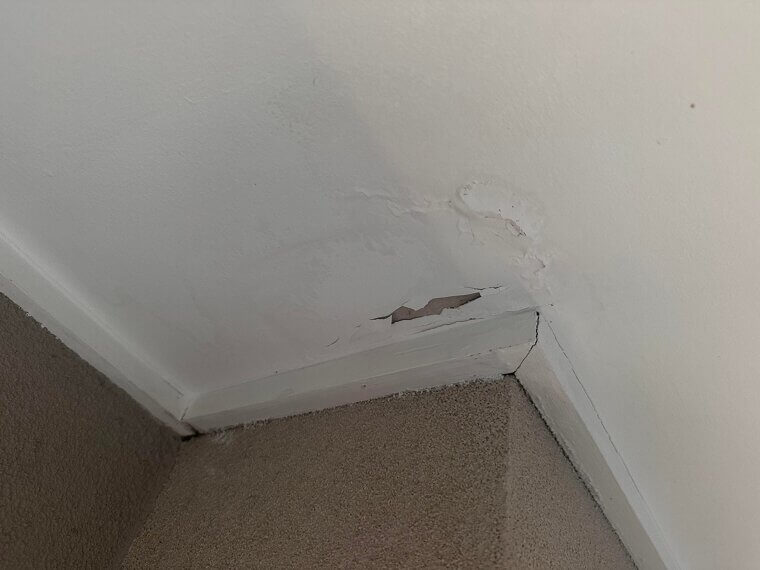
A botched waterproofing job on a basement wall can run $3,000–$8,000 to remediate professionally. The original tube of RedGard costs $60. Next up: the flooring mistake that voids your warranty before you even finish the room.
Electrical Safety Hazards
Aluminum wiring was standard in homes built between 1965 and 1973 — and if yours has it, mixing it with copper connections without the right AL-rated wire nuts is a slow-motion fire hazard. The fix isn't complicated, but the diagnosis is. An electrician charges around $150 to inspect your panel. A house fire averages $20,000 in damage. Do that math before you grab the wrong connectors at Home Depot.
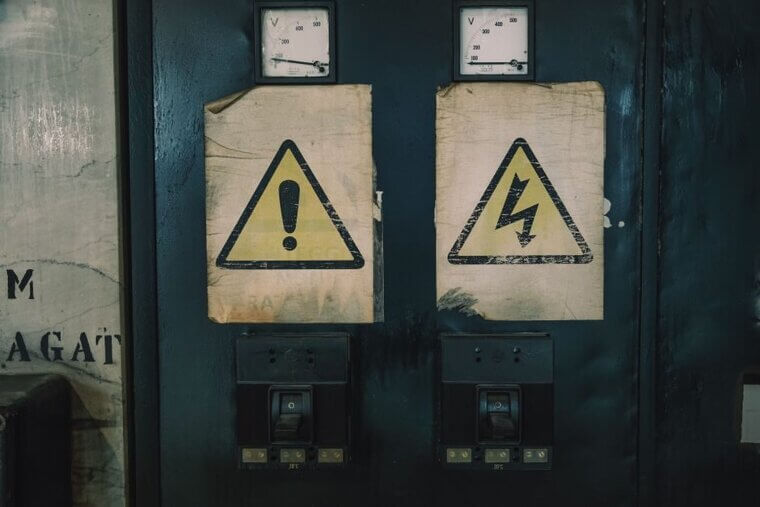
And no, turning off the light switch doesn't mean the wire is dead. Plenty of DIYers have learned that lesson the hard way — the next slide covers another shortcut that ends just as badly.
Misjudging Load-Bearing Walls
Knock out the wrong wall and you're not just looking at a repair bill — you're looking at a structural engineer, a permit, temporary support beams, and possibly a partial rebuild. Load-bearing walls carry the weight of everything above them. Tap it, check the basement for a beam running underneath, and look at which direction your floor joists run. A $200 inspection beats a $15,000 collapse.
Contractors have a nickname for this mistake. They call it 'the job that pays for the kids' college.' Next up: the plumbing shortcut that turns a $40 fix into a flooded subfloor.
Measurement Mistakes
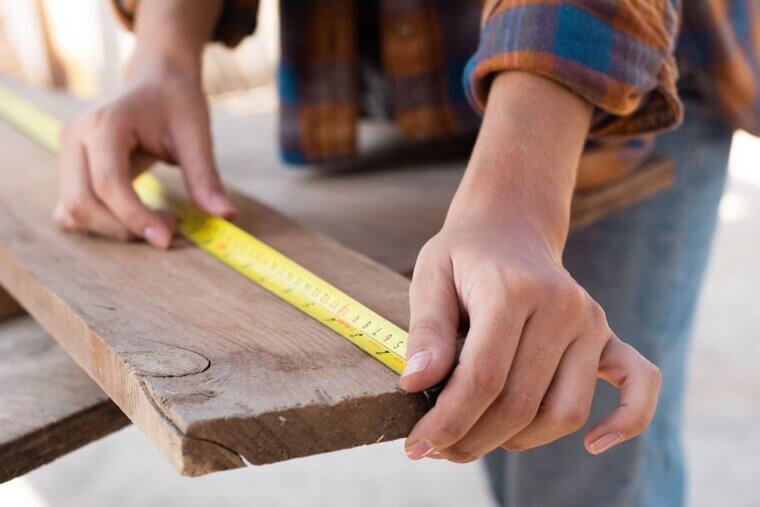
Measure twice, cut once — you've heard it a thousand times and still managed to cut a $60 plank the wrong direction. The real killer isn't forgetting to measure; it's measuring from the wrong reference point. Pros always measure from the same fixed edge. DIYers measure from wherever feels convenient, then wonder why three identical-looking cuts are all slightly different lengths.
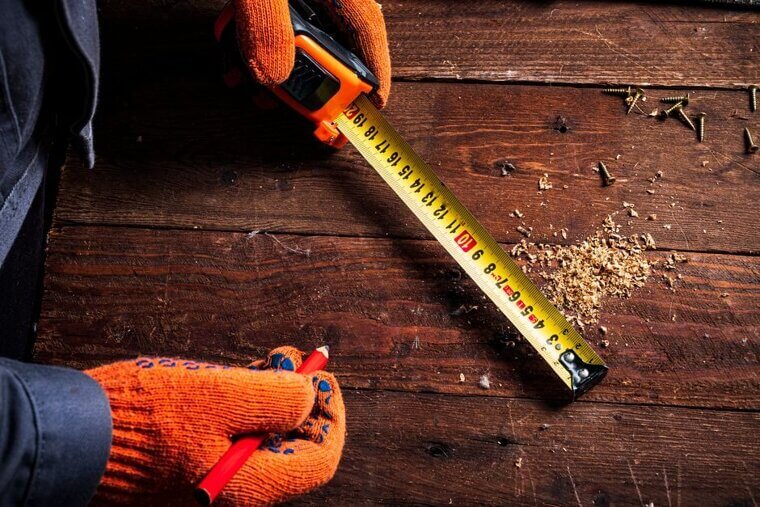
A misread tape measure on a hardwood floor job can cascade into $400 in wasted material before you realize the whole room is off. Next up: the power tool mistake that voids your warranty AND your weekend.
Skipping Surface Preparation
Paint is the most honest material in your house — it will expose every flaw you tried to skip past. Slap fresh paint over a dirty, glossy, or cracked surface and it'll peel within months, sometimes weeks. The fix that actually works: clean with TSP substitute, sand glossy areas with 120-grit, and spot-prime bare spots. Twenty extra minutes of prep prevents a full repaint.
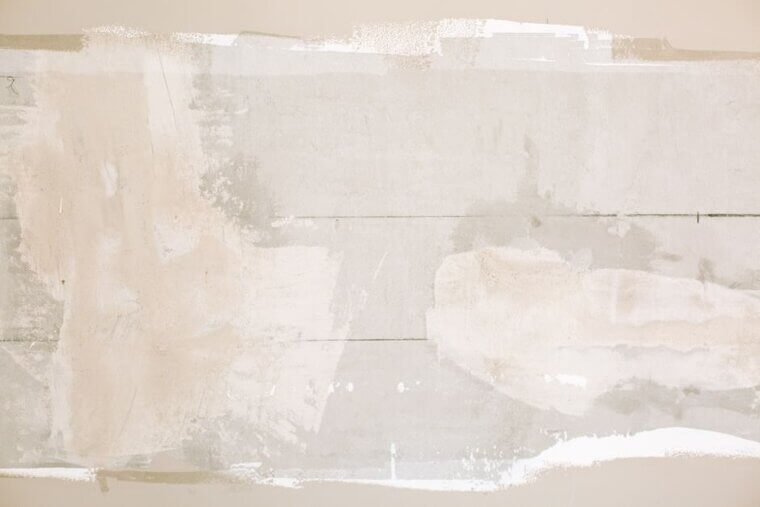
Painters charge extra for prep because it's genuinely half the job. Skip it yourself and you're basically scheduling a do-over six months from now. Next one's even more avoidable.
Underestimating Costs and Time
The most expensive four words in DIY: 'How hard could it be?' A bathroom tile job you budgeted $400 and a weekend for has a nasty habit of becoming $1,200 and three weeks once you hit unexpected subfloor rot, wrong grout, and two emergency hardware runs. Always double your time estimate and add 30% to your material budget before you start — not after the first surprise.

Contractors aren't charging you for the work. They're charging you for knowing exactly what's hiding behind that wall. Next slide proves it.
Cutting Into Walls Blindly
Grabbing a reciprocating saw and opening a wall without checking what's inside first is one of the fastest ways to turn a $300 project into an emergency. Electrical wires, plumbing supply lines, and gas pipes don't announce themselves. A stud finder costs $25. A non-contact voltage tester costs $15. Nicking a live wire or slicing a copper supply line mid-demo can run $800 to $3,000 to repair — plus whatever you were originally trying to fix.
Plumbers and electricians get called for 'I just nicked something' jobs constantly. It's not embarrassing — it's expensive. Next up: the tool shortcut that makes everything worse.
Ignoring Safety Precautions
Every year, roughly 200,000 Americans end up in the ER from DIY injuries — and most of them skipped one thing: basic PPE. No gloves on a grinder. No respirator during drywall demo. No eye protection near a circular saw. The medical bill from a single flying nail can hit $3,000 before you've even checked in. That's before the follow-up visits.
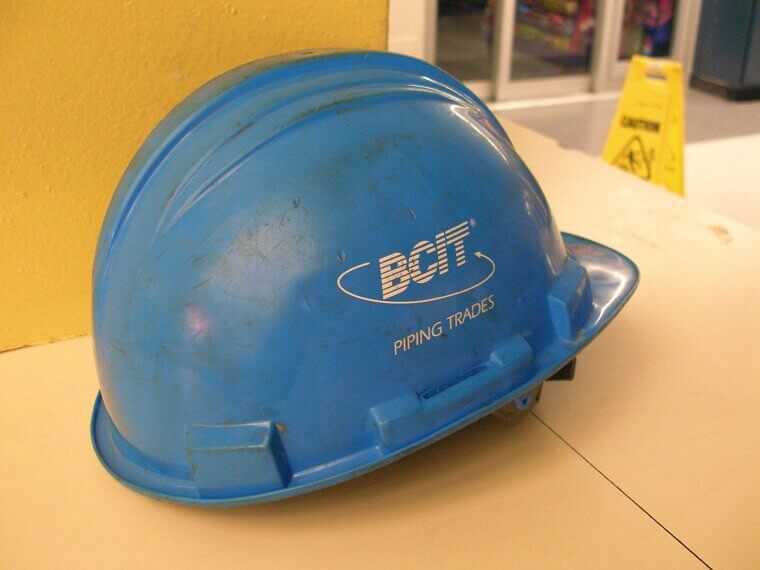
The irony? The safety glasses cost $8 at Home Depot. The corneal scratch repair costs $800. Next up: the 'quick fix' that quietly destroys your home's resale value.
Choosing Trends Over Timeless Styles
Shiplap was everywhere in 2017. So were subway tiles, barn doors, and that specific shade of gray-greige Benjamin Moore calls 'Revere Pewter.' Fast-forward five years and homeowners are spending $8,000–$15,000 ripping it all out before listing. Timeless doesn't mean boring — it means white oak floors still look expensive in 2035, and your HGTV-inspired accent wall won't tank your resale appraisal.

A dated kitchen can shave 10% off your asking price according to Zillow's own data. The next slide covers a mistake that happens before you even pick up a tool.
Not Prioritizing Functionality
You spent three weekends installing that gorgeous barn door — and now it blocks the light switch every time it's open. Aesthetic wins feel great until they make your house harder to live in. Before any DIY project, ask one question: does this work WITH how I actually use this room? Skipping that step is how you end up with a beautiful kitchen island nobody can walk around.
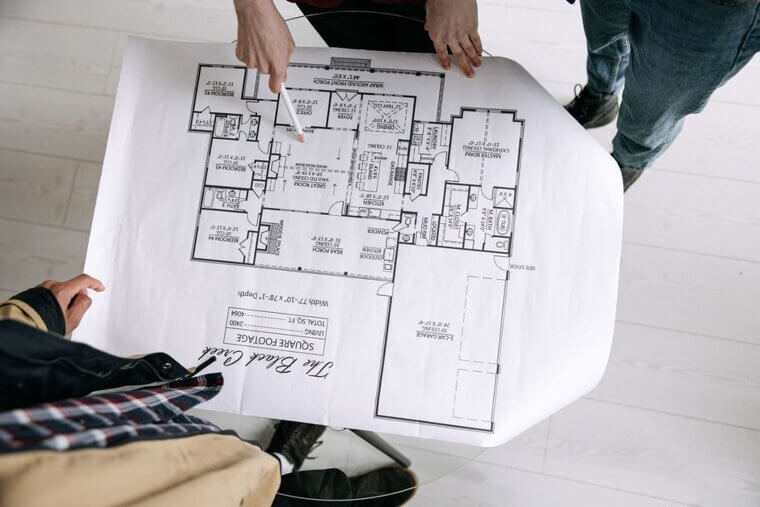
Resale inspectors call this 'vanity renovation' — and buyers discount the price accordingly. Next up: the tool shortcut that turns a one-hour fix into a full weekend disaster.
Skipping the Details
Caulk lines, paint edges, outlet covers left off — the stuff you rush through at the end because you're exhausted and just want to be done. Here's the thing: contractors budget real time for finish work because it's what everyone actually sees. A lumpy caulk bead around a tub can make a $400 tile job look like a $40 one. Slow down for the last 10%.
Buyers, guests, and home inspectors all do the same thing — they walk in and immediately scan the edges. The center of the room could be flawless and it won't matter.
Choosing Style Over Comfort
That gorgeous hardwood floor you installed in the bathroom? It's warping. The open-concept kitchen with no ventilation hood because it 'interrupted the sight lines'? Everything you own smells like last Tuesday's salmon. Style choices that ignore function don't just look bad eventually — they fail expensively. A $200 exhaust fan beats a $3,000 cabinet refinish after grease damage every single time.
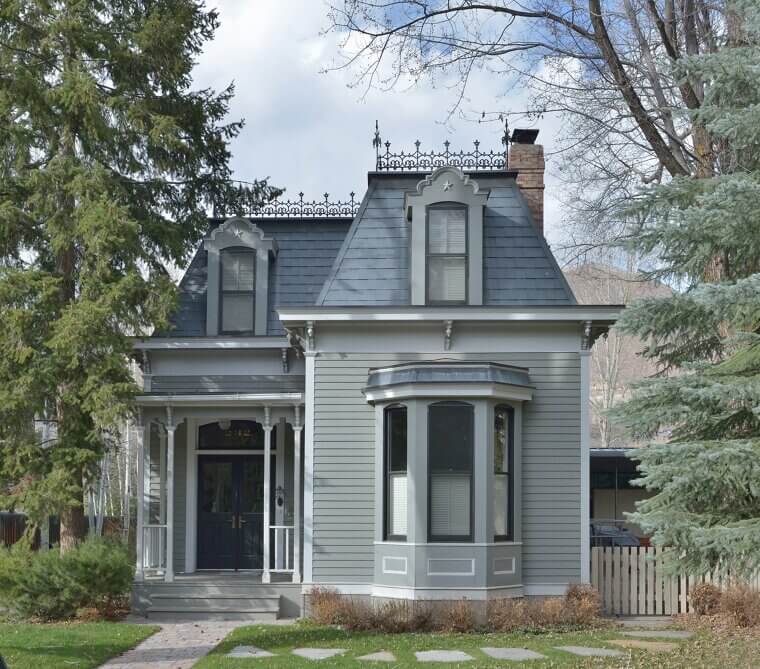
Your future self — the one scrubbing mold off those trendy unsealed grout lines — has some very strong opinions about your current design phase. Next up: the shortcut that voids your homeowner's insurance.
Miscalculating How Much Material You Need
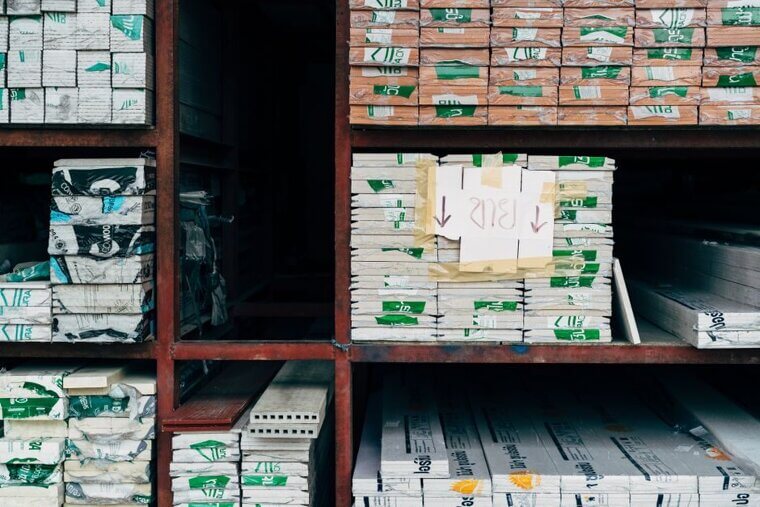
Buying flooring, tile, or paint based on exact square footage is a beginner trap. Every professional adds a waste factor — 10% for straight-lay tile, 15% for diagonal, more for patterned hardwood. Run short mid-project and you're praying the store still has the same dye lot. They usually don't. Now your floor has a visible seam where the color shifts, and matching it means replacing a much larger section than you ever planned.
Leftover material is cheap insurance. Running out mid-job and chasing a discontinued tile or dye-lot match is an expensive lesson in optimism. The next mistake is one almost everyone makes on a 'quick' weekend project.
Cutting Corners
Skipping underlayment to save $80 on a flooring job is one of the most expensive false economies in DIY. Underlayment isn't decorative — it's the moisture barrier, the sound dampener, and the cushion that keeps your floor from telegraphing every subfloor imperfection. Install hardwood or LVP directly on concrete without it and you'll have squeaks, cold spots, and moisture damage within two seasons. The fix at that point means pulling the entire floor.
The underlayment costs $0.25–$0.50 per square foot. Replacing a floor you just installed costs $3–$8 per square foot. That math should end the debate. Next slide is the one DIYers hate hearing most.
Buying Materials Too Early
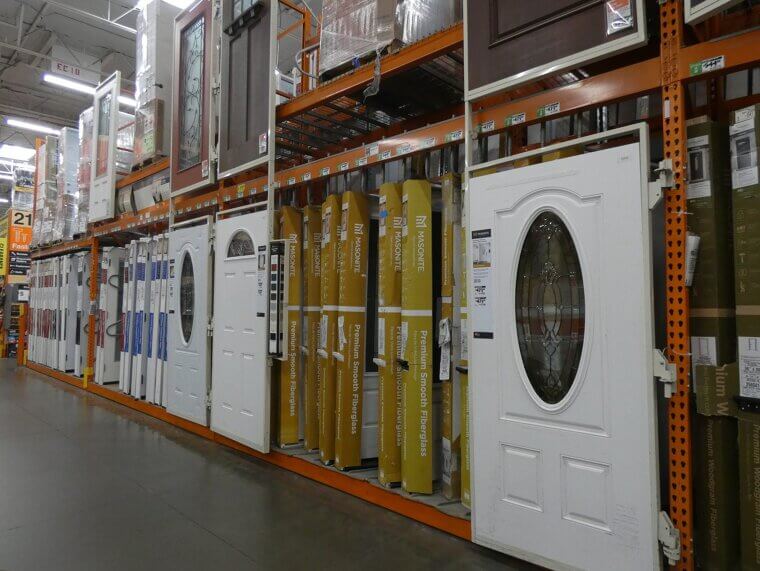
Lumber warps. Tile cracks. Grout dries out. Buy materials three months before your project starts and you might as well light half your receipt on fire. Home Depot won't take back opened boxes, and that 'extra 10% for waste' you bought in January looks very different sitting in a humid garage by April. Order within two weeks of your actual start date — not your optimistic start date.
And yes, your 'actual start date' and your 'optimistic start date' are absolutely two different dates. Next up: the tool rental math that almost nobody does correctly.
Ignoring Manufacturer Installation Specs
Every flooring plank, tile adhesive, and roofing shingle ships with an installation spec sheet that most DIYers toss with the packaging. Those specs aren't suggestions — they're the conditions under which the warranty is valid. Install hardwood below the recommended acclimation period and it buckles. Apply tile adhesive outside the temperature range and it never fully cures. The fix costs the same either way; the difference is whether the manufacturer helps pay for it.

Contractors aren't charging you for reading instructions. They're charging you for knowing which specs actually matter and which ones you can flex. Next up: the tool shortcut that makes everything worse.
Skipping Exterior Caulk and Sealant
The gap where your window trim meets the siding looks cosmetic. It isn't. Water infiltrating that joint works behind the trim, into the sheathing, and eventually into the wall cavity — all without a single visible leak inside the house. By the time you notice, you're looking at rot, mold, and potentially compromised insulation. A $6 tube of exterior caulk applied every few years is the entire solution. Most homeowners skip it because nothing looks wrong yet.
Exterior rot repair runs $500–$2,500 depending on how far it spread before anyone noticed. The caulk gun was right there in the garage. One more slide left, and it's the one DIYers argue about most.
Making Last Minute Changes
You're 90% done with a bathroom tile job when you decide the grout color looks wrong. Pulling freshly set tiles costs you the materials, a full day's labor, and usually damages the drywall underneath — turning a $200 fix into a $900 redo. Pros lock in every decision before the first tool comes out. That single pre-work checklist is what separates a clean finish from a expensive do-over.
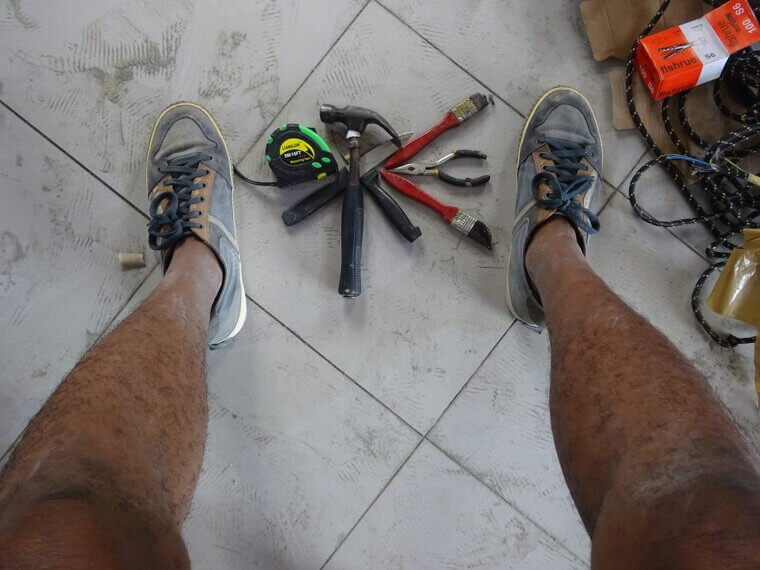
The tile isn't even the expensive part. Replacing water-damaged drywall behind it is. Slide 33 hits the mistake that makes contractors visibly wince.
Expecting Everything to Work Out
Optimism is a great personality trait and a terrible construction philosophy. DIYers who skip the 'what if this goes wrong' conversation with themselves are the ones who end up tiling half a bathroom before realizing the floor isn't level. Build in a contingency — 20% extra time, 15% extra budget — before you touch a single tool. The project will find a way to need it.
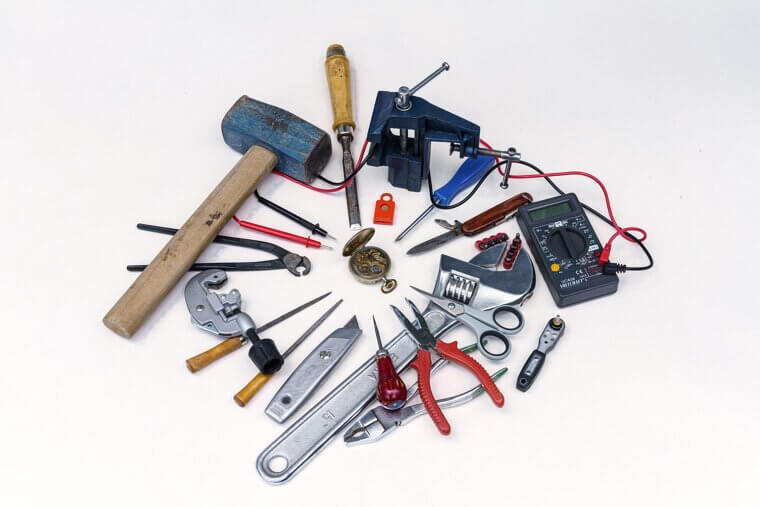
Every contractor you've ever hired mentally added that buffer before quoting you. You just didn't know it. Slide 34 is the one that'll actually sting.
Neglecting the Exterior
Your house's exterior is basically a resume — it tells every neighbor, buyer, and rainstorm exactly how much you care. Skipping caulk touch-ups, ignoring peeling paint, or DIYing a pressure wash at the wrong PSI can drive moisture straight into your siding. A professional repaint runs $3,000–$8,000. Water damage behind rotted siding? Easily $15,000. The outside of your house isn't cosmetic — it's structural armor.
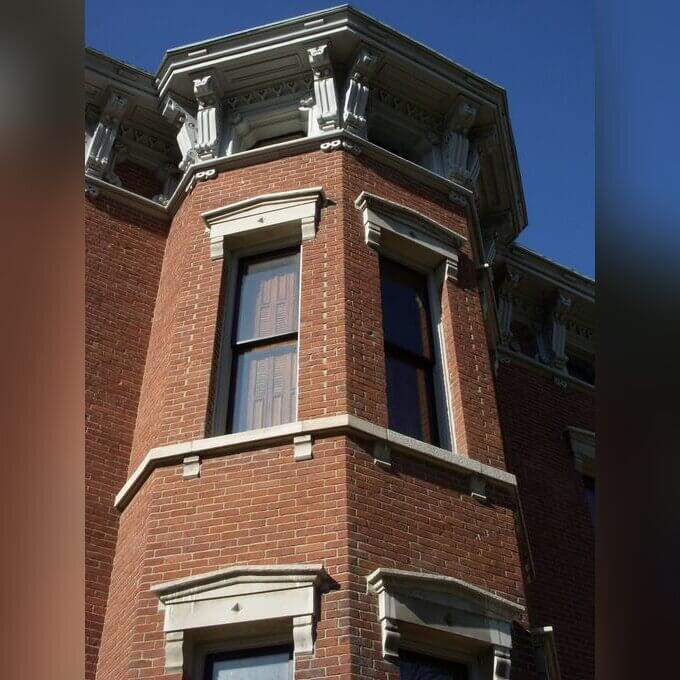
Thirty-four slides in and the most expensive mistakes are still the ones you can see from the street. Slide 35 might be the one that saves you the most money yet.
Setting Unrealistic Timelines
A weekend bathroom retile that stretches into month three isn't just annoying — it's expensive. Every day a room is out of commission, you're paying in workarounds, takeout, and contractor premiums when you finally cave and call someone. Build your timeline, then double it. Seriously. Pros quote longer than you'd expect because they've done the job before and know where the hidden hours live.
The most common DIY regret isn't the project itself — it's starting it the week before Thanksgiving. Time optimism is the silent budget-killer nobody warns you about.