
Before IKEA, before Pinterest, and long before anyone called it "life hacking," people were quietly solving their storage problems with whatever they had on hand — and the results were surprisingly brilliant. From tin cans to old suitcases, the generations that lived through leaner times figured out how to make every inch count. These 35 forgotten tricks are worth a serious second look.
Old Cookie Tins as Stackable Containers
Your grandma wasn't hoarding those Royal Dansk butter cookie tins — she was building a storage system. Stack them on a pantry shelf and they hold everything from sewing supplies to loose screws to spice packets without tipping. The lids seal tight enough to keep out moisture, and unlike plastic bins, they don't crack after two years. The real trick: label the lid edge, not the top, so you can read them while stacked.
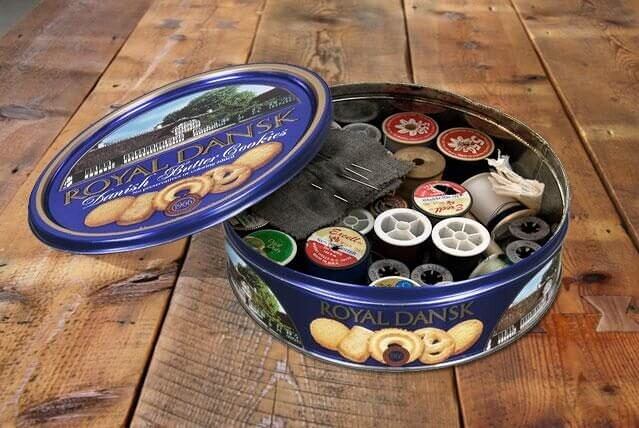
Thrift stores sell these for under $2 a tin. Your grandma had twelve of them and never once bought a drawer organizer. Next up: the rubber band trick that keeps lids from sliding.
Fabric Wall Pockets
Before closet organizers were a $12 billion industry, people just sewed pockets onto a piece of fabric and hung it on the wall. Grab any sturdy canvas, denim, or even an old pair of jeans — cut, stitch a few rows of pockets, and nail it up. Shoes, craft supplies, kids' toys, mail. One square foot of wall suddenly holds what used to live in three different drawers.
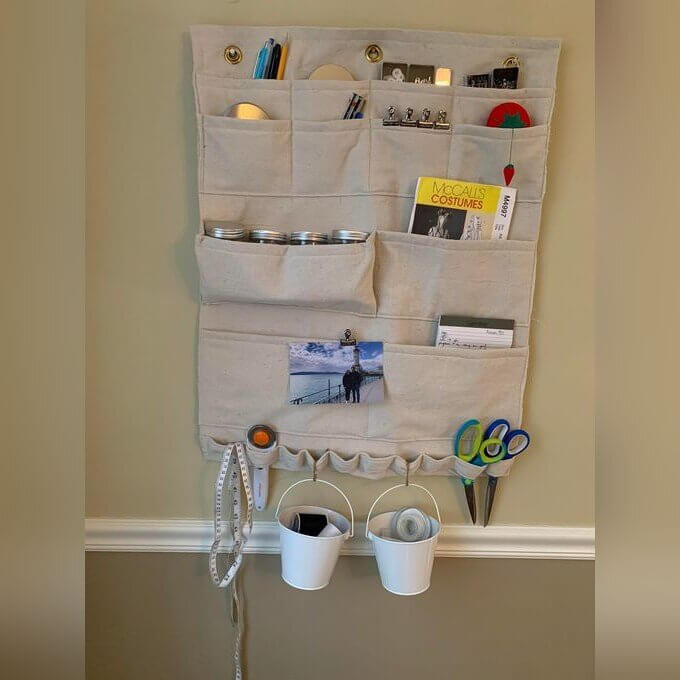
Old jeans work especially well — the pockets are already built in. Cut the legs off, hang the waistband from a dowel, and you've got storage that took about 20 minutes. Next up: the trick that makes pantry cans stop disappearing.
Suitcase Stack Storage
Your grandparents never wasted a suitcase by letting it sit empty in a closet. Stack your luggage largest-to-smallest like nesting dolls, then stuff the interior of each bag with off-season clothes, spare linens, or bulky sweaters. A hard-shell 28-inch Samsonite holds a surprising amount — we're talking six to eight folded sweaters easy — while taking up zero extra floor space.
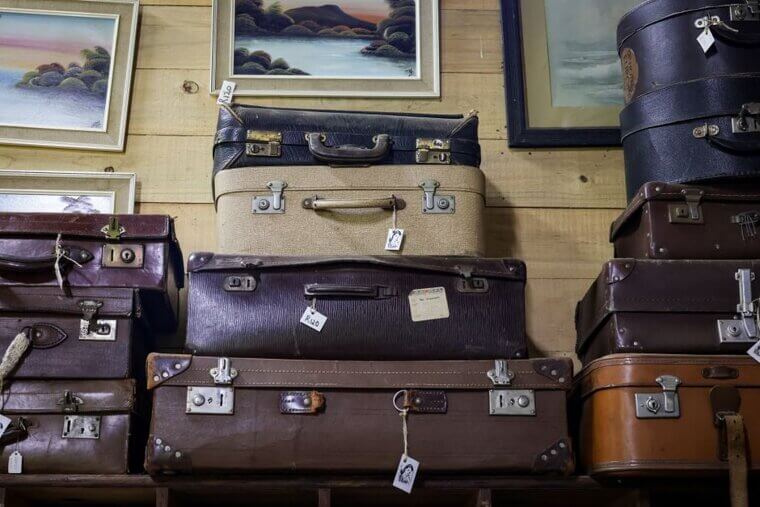
Bonus: your clothes arrive pre-compressed and slightly wrinkled next trip. Small price. Next up is a storage hack that costs literally nothing and works in every room of the house.
Coffee Canister Caddies
Before your grandparents had a junk drawer, they had a coffee can. Empty metal canisters — Maxwell House, Folgers, whatever was on sale — got repurposed as caddy organizers for screws, rubber bands, twine, and anything else that kept disappearing. Hot glue three together, mount them sideways on a garage wall, and you've got a free organizer that costs exactly what you already threw in the recycling.
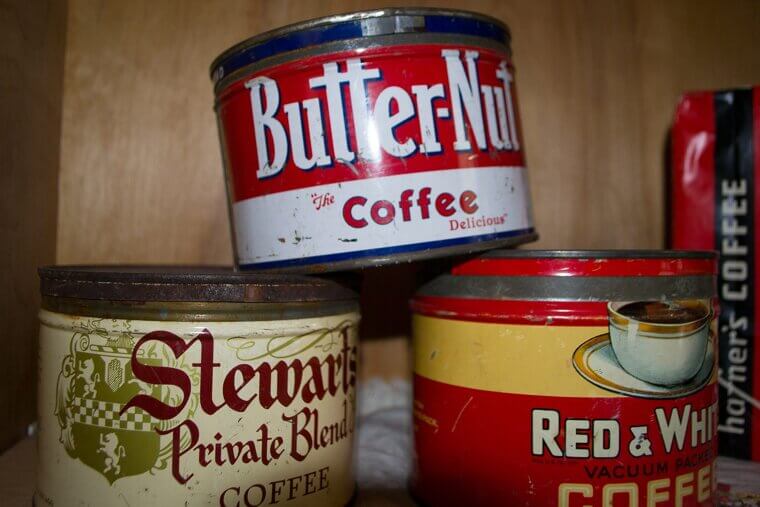
Plastic versions exist, sure. But a vintage Folgers tin on the wall hits different — and it actually stays put. Next up: the storage trick hiding inside your kitchen door.
Jam Jars Under Shelves
Screw the lids of old jam jars directly to the underside of a shelf, then twist the jars in to store nails, screws, buttons, spices — anything small enough to disappear into a junk drawer. It sounds too simple to actually work, but woodworkers have been doing this since the 1940s. The jars hang in plain sight, so you stop buying duplicates of things you already own.
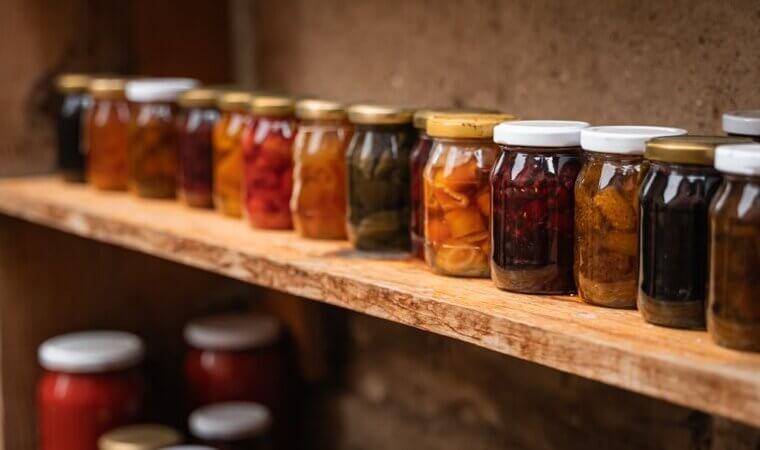
One drill, four screws, zero dollars spent. The only catch: you'll need to explain to houseguests why your garage ceiling looks like a Depression-era pantry. Next up makes this look complicated.
Wooden Crate Shelving
Wooden crates from the liquor store used to be free — just ask nicely at the register. Stack them on their sides, screw them directly into wall studs, and you've got open shelving that holds up to 50 lbs per crate. Stain them with Minwax Early American No. 230 and they look like something from a Restoration Hardware catalog. Total cost: maybe $8 in hardware.
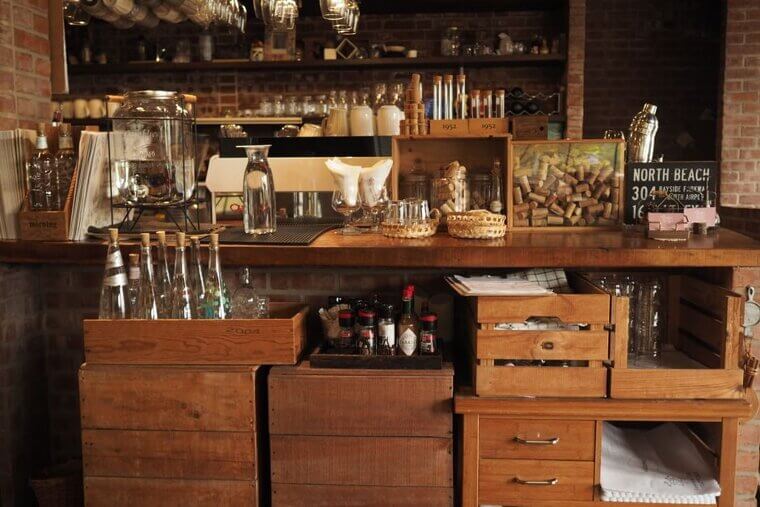
Restoration Hardware charges $340 for a single crate shelf. Your version costs a Saturday morning and some mild pestering of a liquor store employee. Next up: the storage trick hiding inside your door.
Over-The-Door Shoe Organizer… But for Anything
Shoe organizers were never really about shoes. Those clear-pocket door hangers your grandma hung in every closet? She was stashing cleaning supplies, craft materials, and pantry overflow in them decades before anyone called it a 'hack.' One $12 organizer on the back of a pantry door holds 24 items — spices, snack bags, onions — that were previously eating up an entire shelf.
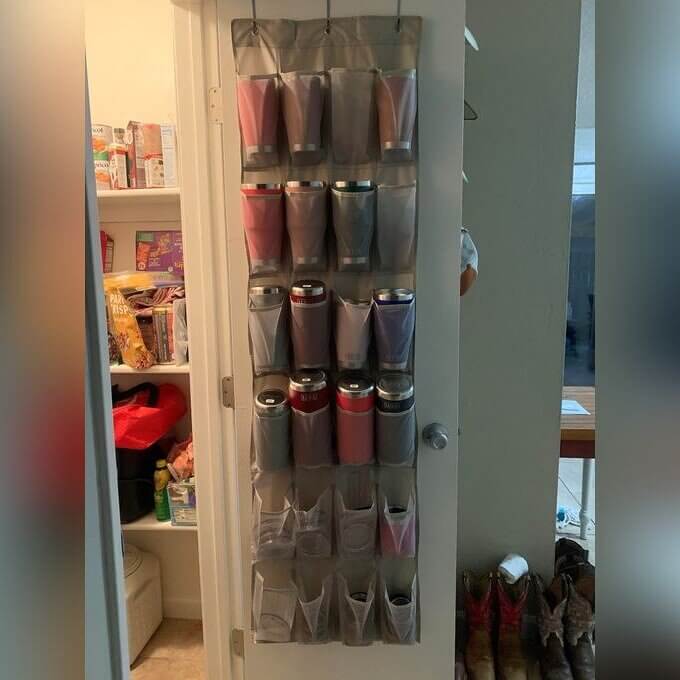
Laundry room, craft room, kids' bathroom — the back of every door in your house is basically a free shelf you've been ignoring. Next up: a rubber band that stops one of the most annoying kitchen problems.
Tin Can Drawer Dividers
Before IKEA sold you a $40 bamboo drawer organizer, your grandmother was already solving this with empty soup cans and a hot glue gun. Strip the labels, sand any sharp edges, and glue a cluster of different-sized cans together to sort utensils, office supplies, or craft tools. A #10 can from canned tomatoes fits a full set of markers perfectly.
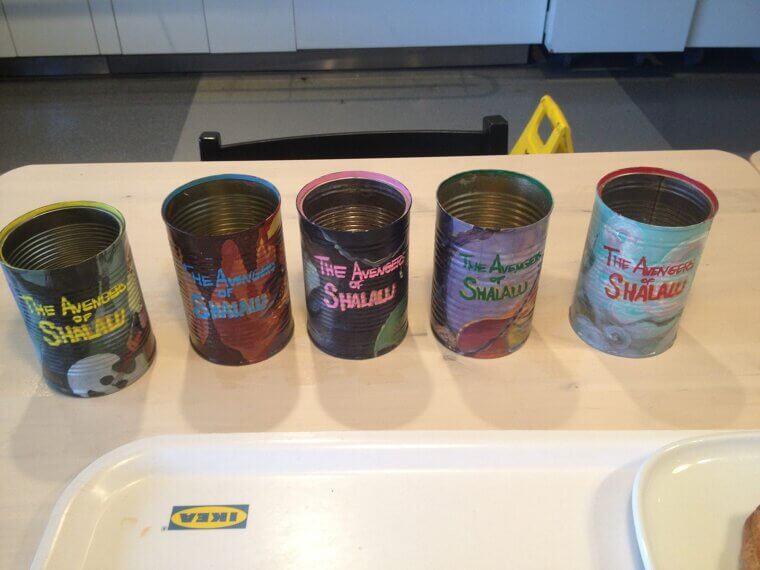
Zero dollars. Literally zero. And honestly, the industrial look is kind of having a moment anyway — next slide takes the tin can idea somewhere you wouldn't expect.
Tension Rods in Cupboards
Tension rods aren't just for shower curtains. Wedge one horizontally inside a deep cabinet and suddenly you've got vertical dividers for baking sheets, cutting boards, and pan lids — the stuff that usually avalanches out every time you open the door. A standard $4 rod from any hardware store handles the job. Your grandparents used these in the '60s because cabinet organizers didn't exist yet. Turns out, necessity really does beat a $40 Amazon insert.
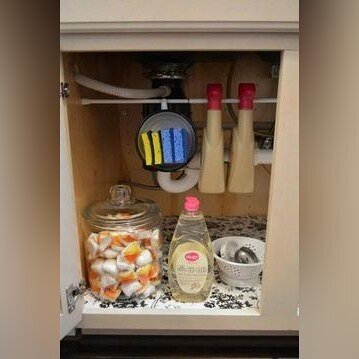
One rod. Zero drilling. No assembly instructions written in deliberately confusing diagrams. Next up: the rubber band trick that stops everything from sliding around on those same shelves.
Wooden Spoon Rail for Kitchen Tools
Before magnetic knife strips existed, cooks mounted a simple wooden dowel or curtain rod along the backsplash and hung utensils from S-hooks — no drawer rummaging required. The trick your grandparents knew: space the hooks two inches apart so nothing overlaps, and hang your most-used tools at eye level. A 24-inch wooden dowel from the hardware store costs about $3 and holds a dozen spatulas, ladles, and tongs without crowding the counter.
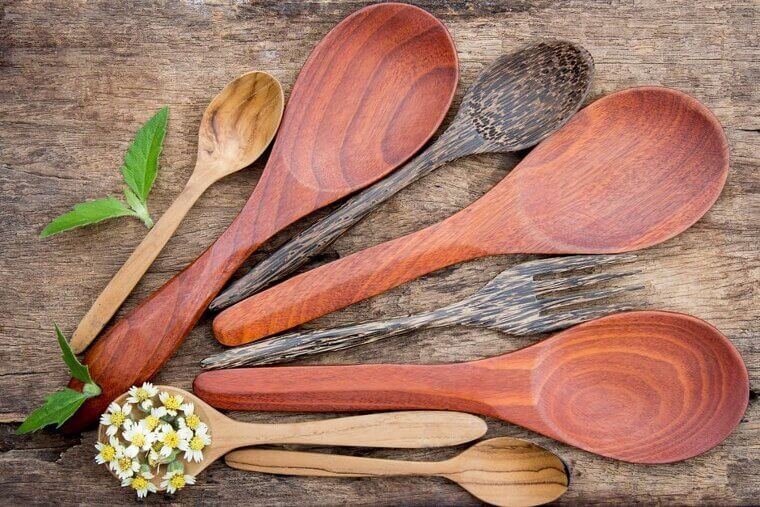
S-hooks run about 50 cents each. The whole setup costs less than a single silicone spatula and clears an entire drawer in the process. Next up: the storage hack hiding inside your walls right now.
Repurposed Ladder Shelves
Old wooden ladders used to rot in barns. Now they're selling refurbished for $200+ on Etsy because someone figured out they make perfect freestanding shelves — no drilling, no wall anchors, no landlord drama. Lean one against the wall, drape a few planks across the rungs, and you've got a five-tier display shelf that looks intentional. Thrift stores still sell them for $15 if you're early on a Saturday.
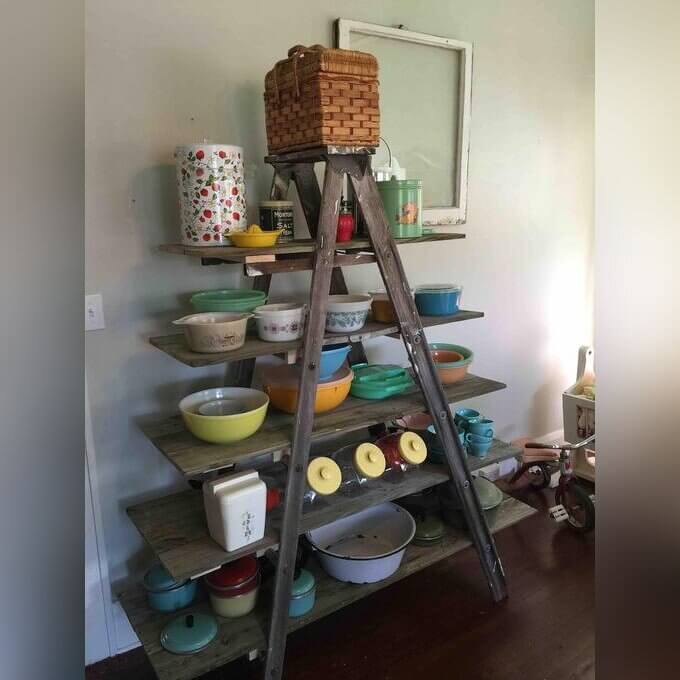
Your grandmother didn't call it 'rustic farmhouse décor' — she called it 'the ladder.' Turns out she was ahead of every interior design trend by about 60 years. Next up: another zero-cost fix hiding in plain sight.
Hidden Drawer in a Toe Kick
Cabinet installers have been quietly skipping this trick for decades — probably because it takes an extra hour and they don't get paid for it. That hollow space under your base cabinets, behind the toe kick panel? It's typically 3.5 inches tall and runs the full length of your kitchen. Pull the panel off, mount a shallow drawer on low-profile slides, and you've got hidden storage most guests will never find.
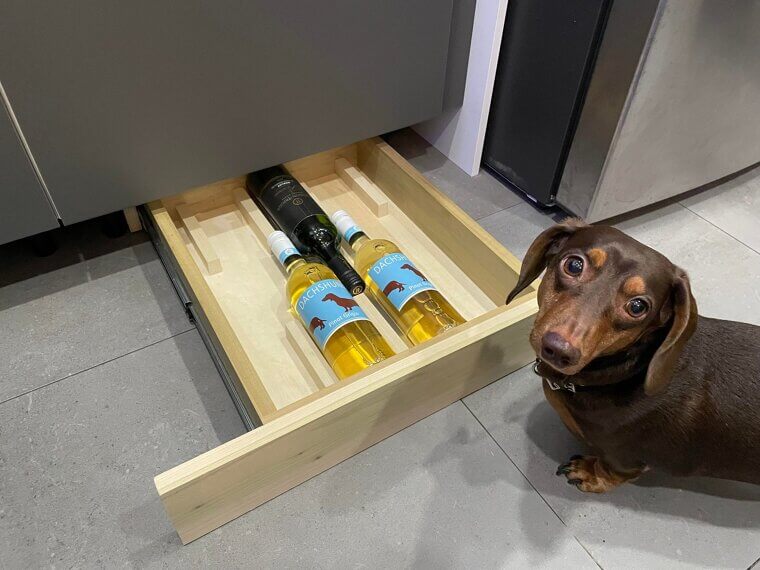
Flat cookie sheets, cutting boards, even a spare fire extinguisher — it all fits. Your grandma hid her good silverware in one of these. Next slide has an even sneakier spot.
Pegboards Everywhere
Hardware stores sell pegboards as a garage-only tool, but your grandparents knew better — they hung them in kitchens, sewing rooms, and workshops alike. A 4x4 sheet runs about $15 at Home Depot and turns any blank wall into fully customizable storage. The real trick: mount it 1-2 inches off the wall with spacers so the hooks actually catch.
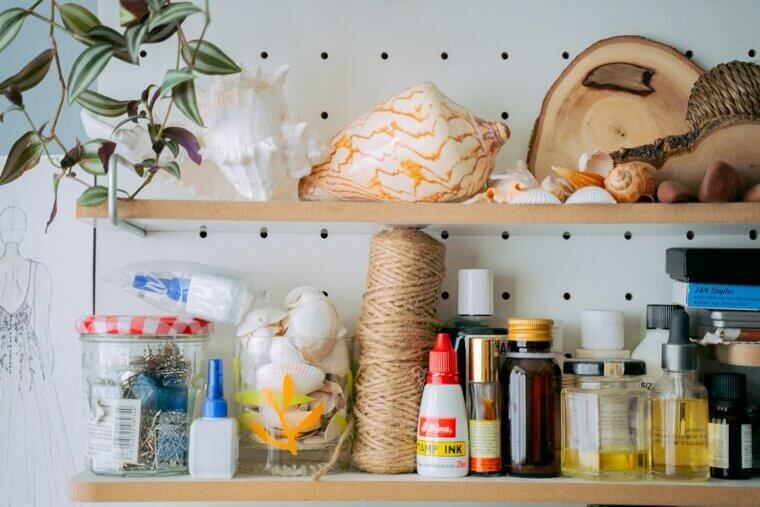
The hooks are where people cheap out — grab the locking kind (about $8 a pack) or everything slides off the second you grab something. Next slide fixes another wall-space mistake almost everyone makes.
Old Dresser Drawers as Under-Bed Storage
That dresser missing its frame? Don't haul it to the curb. Pull the drawers out, flip them upside down, and you've got ready-made under-bed bins with built-in handles — no hardware store required. Grandma didn't buy fancy bed risers; she just repurposed what she had. Sand any rough edges, slap on a coat of paint, and suddenly it looks intentional.
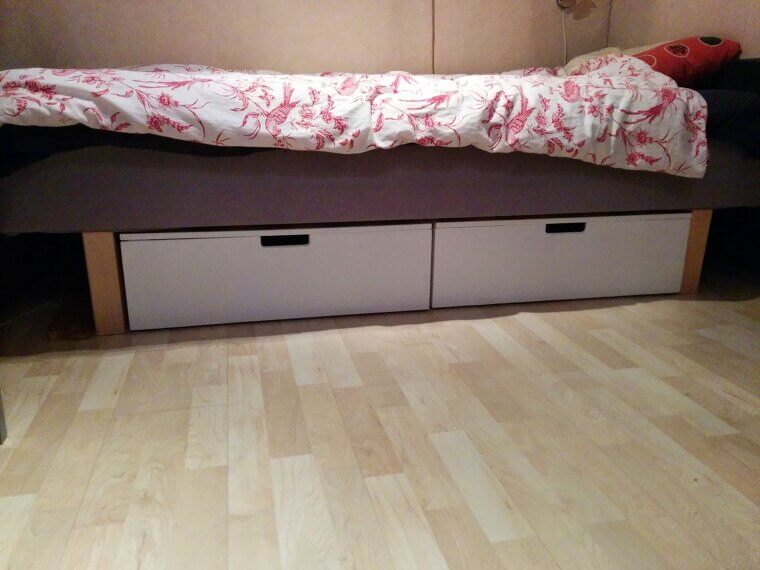
Old drawer depth is usually 18–24 inches — which means sweaters, extra linens, and shoes all fit without stacking. Next slide has a trick for the actual dresser frame you left behind.
Rolling Crate Under Sink
The space under your kitchen sink is basically dead real estate — pipes cutting through the middle, awkward depth, zero organization. A rolling crate (the wire mesh kind, around $12 at any hardware store) slides right past the plumbing and pulls out completely so you're not doing yoga to reach the Windex. Add a small tension rod across the top and hang spray bottles from it to double your usable space.
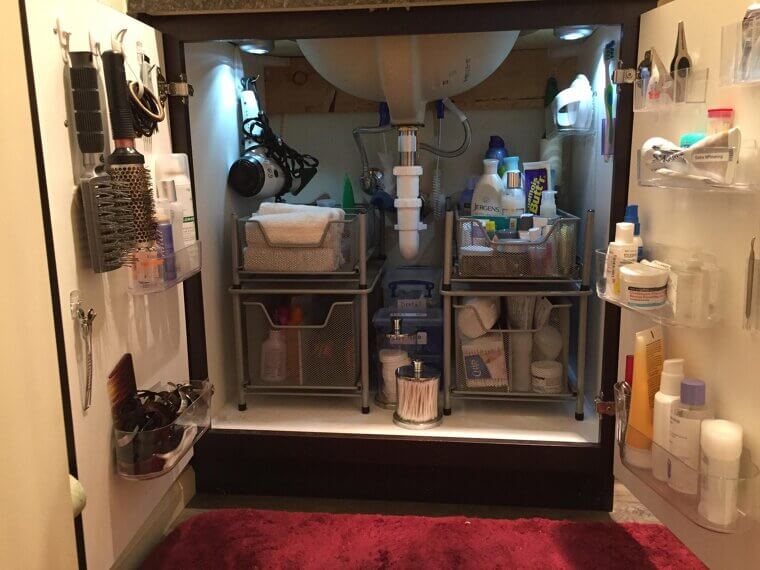
Your grandparents didn't have The Container Store. They had a crate on wheels and it worked fine. Next up: the trick that turns a single drawer into three.
Coat Hooks as Pan Hangers
Your grandparents didn't have a $400 pot rack from Williams Sonoma — they had a $6 row of coat hooks screwed into a stud above the stove. Same result. A standard double-coat hook (the kind you'd find at any hardware store) holds up to 25 lbs per screw point, which is more than enough for cast iron. Mount them 12 inches apart and you've got a full pan station in an afternoon.
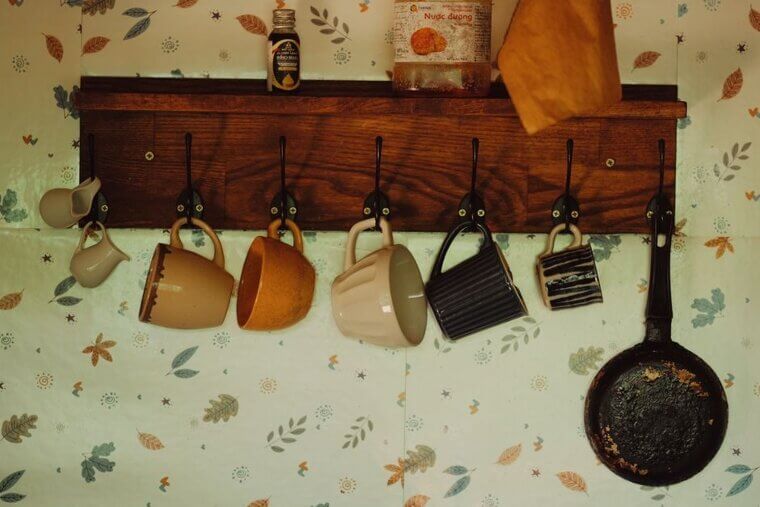
Bonus: pans you can actually see are pans you'll actually use. That skillet you forgot about for eight months? It's about to have a comeback. Next up: the drawer trick that doubles your utensil space.
Vintage Breadboxes for Charging Stations
Your phone charger situation is a mess — admit it. A vintage breadbox, the kind with the roll-top lid your grandma kept on her counter, hides a power strip perfectly inside while the cables snake out the back. Thrift stores sell them for $8-15. Drill one small hole in the back panel, route your cords through, and your nightstand suddenly looks intentional instead of chaotic.
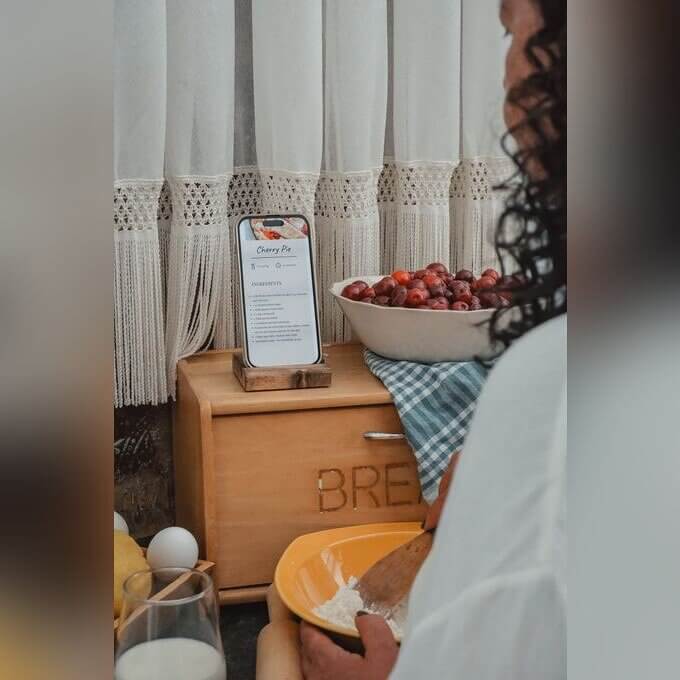
The roll-top lid means you can grab your phone without unplugging anything or lifting a lid. Functional AND it looks like you have your life together. Next up: the mason jar hack that actually beats any store-bought organizer.
Canning Ring Cord Holders
Canning rings — the screw-band part of Mason jar lids — are basically pre-made cord organizers that your grandma threw in a drawer and forgot about. Thread a USB cable, extension cord, or set of earbuds through the ring, and it holds the loop in place without tangling. A 12-pack costs about $3 at any hardware store, and they stack flat in a junk drawer.
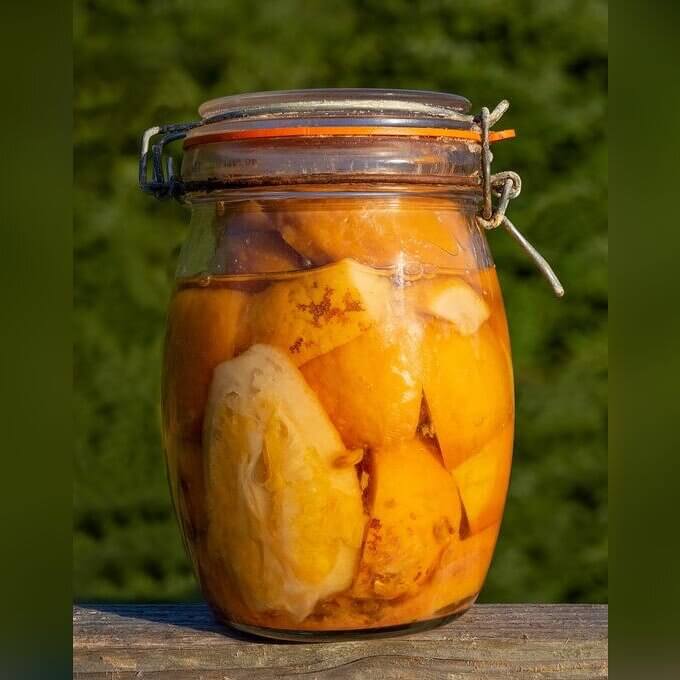
Bonus: they're rust-resistant, they last forever, and they look weirdly intentional. Next up is another kitchen castoff that moonlights as a garage essential.
Library Card Catalog for Office Supplies
Card catalogs didn't disappear — they got repurposed. Vintage library card catalogs, with their 30 to 60 tiny drawers, are basically pre-built office organizers. Paper clips in one, binder clips in another, stamps, spare keys, SD cards, batteries — each drawer holds exactly one category of chaos. Hunt for them on Facebook Marketplace or estate sales for $40 to $150, and your desk suddenly looks like a Pinterest board that actually functions.
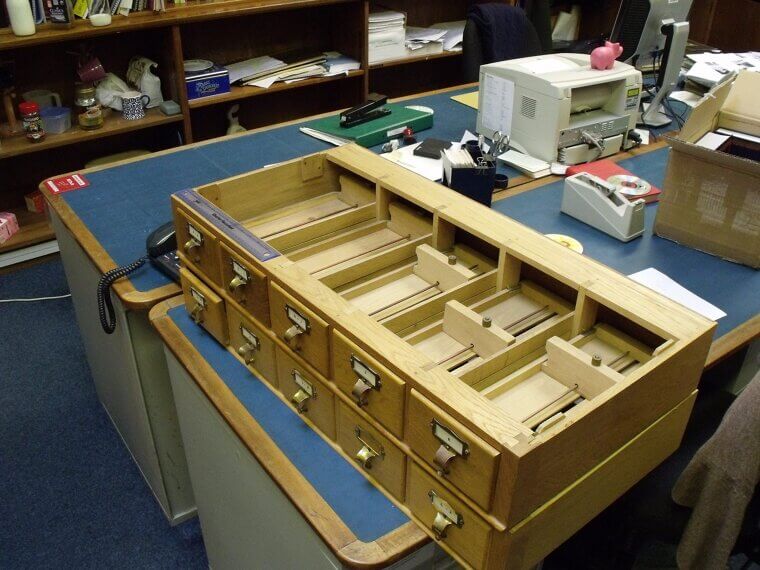
Label each drawer with a dymo label maker and you'll never excavate your junk drawer again. Next up: the kitchen hack that turns a $3 tension rod into serious cabinet real estate.
Shoebox Drawer Inserts
Before drawer organizers became a $4 billion industry, your grandma was already solving this problem with empty shoeboxes. Cut them to different heights, line them up in your junk drawer or dresser, and suddenly every rubber band, lip balm, and mystery key has a home. The trick: remove the lids entirely and arrange boxes in a grid so nothing can migrate between sections.
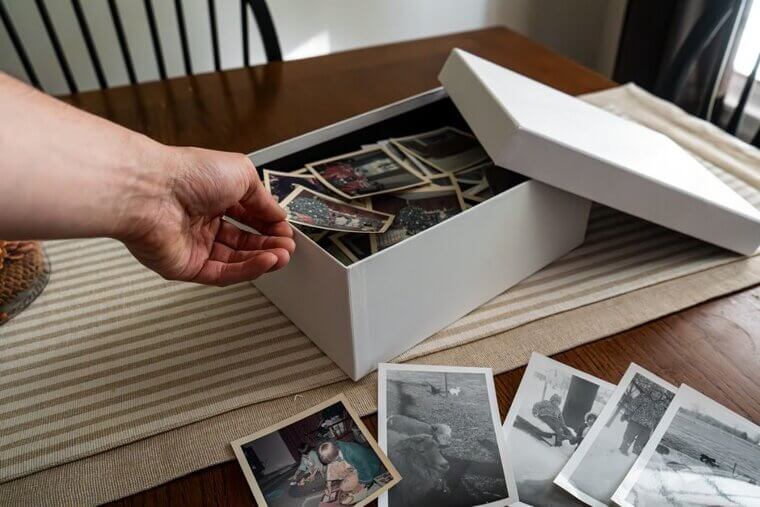
A Nike box from last month works just as well as anything sold at The Container Store for $18. Next up: the clothespin trick that keeps bags sealed better than chip clips ever could.
Garden Rake as a Wine Glass Rack
Hang an old garden rake head on the wall — tines pointing out — and you've got a wine glass rack that holds up to a dozen stems without a single trip to the hardware store. The spacing between tines is almost perfectly sized for standard wine glass stems. Sand it, paint it, mount it with two screws. Total cost: whatever you paid for the rake at a garage sale.
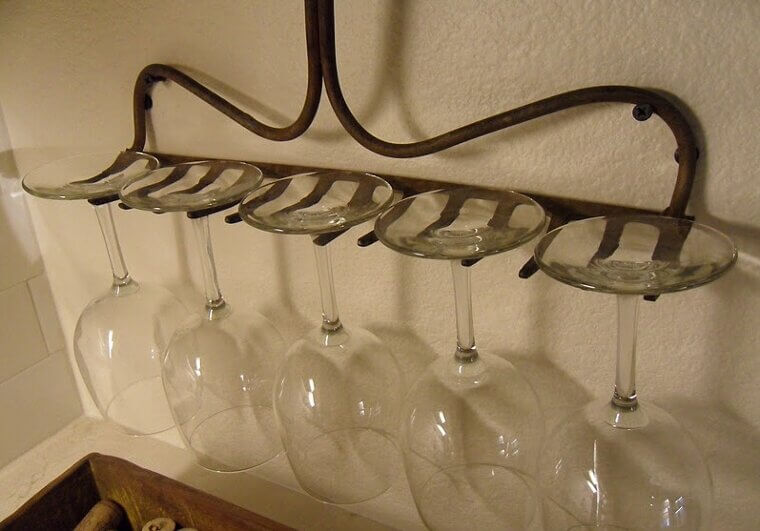
It looks intentional enough that guests will ask where you bought it. Next up: another kitchen fix that costs literally nothing and uses something you were about to throw away.
Rolling Pin Jewelry Hanger
Your grandma didn't have a jewelry armoire — she had a rolling pin and two cup hooks screwed into the wall. Mount a vintage wooden rolling pin horizontally between two hooks, and suddenly you've got a rustic bracelet and bangle hanger that holds 20+ pieces without tangling. Bonus: the handles become natural end-stops so nothing slides off. Thrift stores sell them for under $3.
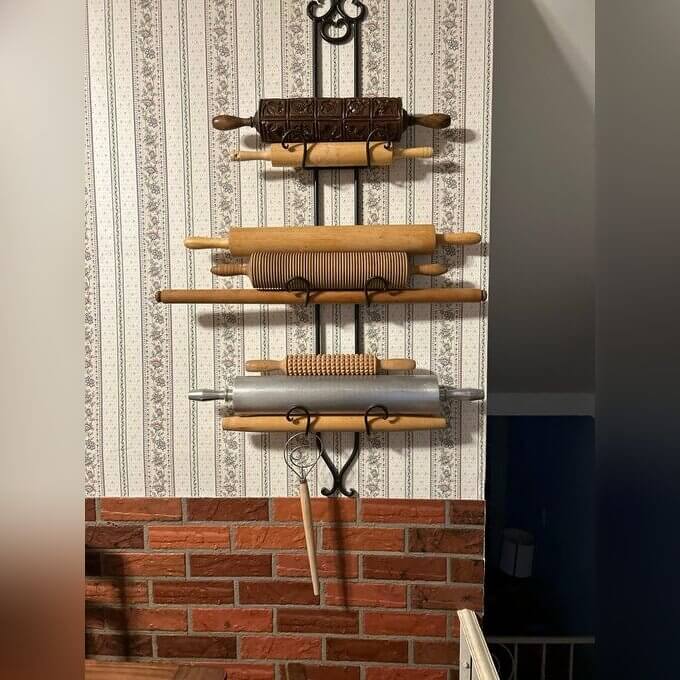
Three dollars, five minutes, and your jewelry is finally visible instead of knotted at the bottom of a dish. The real win: you'll actually wear the bracelets you forgot you owned. Next up: the cardboard insert your grandparents made that beats the $40 bamboo version.
Apron With Pockets as a Wall Organizer
Hang an apron on a hook or nail and you've got instant wall storage with zero drilling, zero shelving, and zero trips to the hardware store. Pockets hold scissors, tape, markers, TV remotes, charging cables — basically anything that normally vanishes into the couch. A canvas apron with deep pockets can hold up to a dozen small items. Your grandparents did this in the workshop. You can do it in the kitchen.
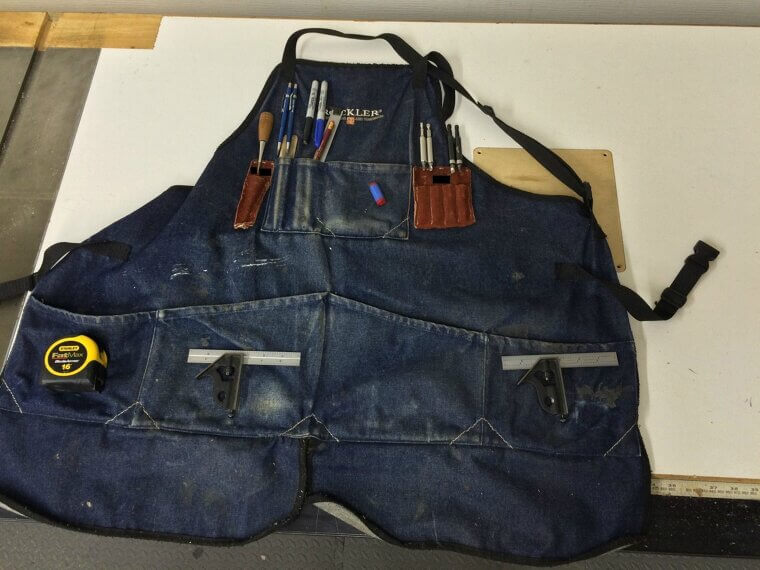
Thrift stores sell aprons for $1-3. You're paying for pockets, not the apron — and you'll find uses for this thing in every room of the house. Next up: the tea tin trick that clears an entire junk drawer for about $8.
Tea Tins on Magnetic Strips
Your grandparents didn't throw away tea tins — they put them to work. Mount a magnetic knife strip on the inside of a cabinet door, hot-glue small magnets to the bottom of old tins, and suddenly you've got floating, labeled containers for paper clips, rubber bands, sewing needles, or spice refills. Costs about $8 total and clears an entire junk drawer.
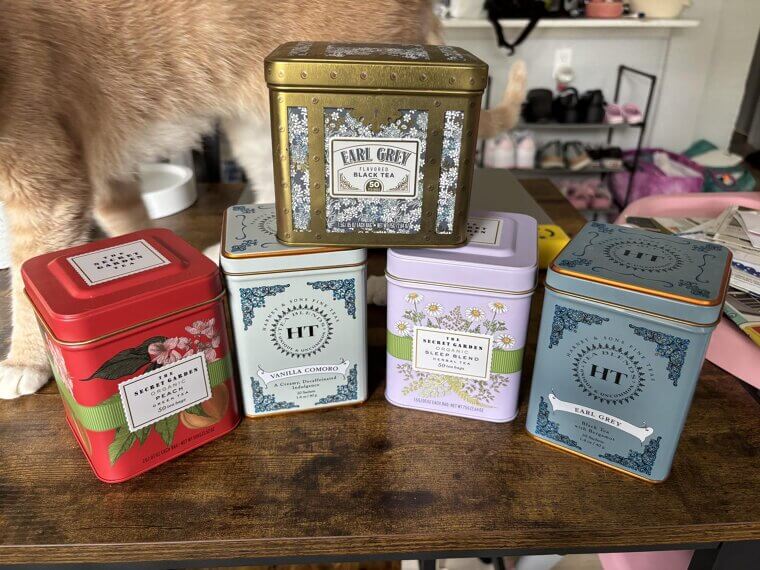
The tins stack, they're airtight, and they look intentional instead of chaotic. Next up: the pegboard trick that makes a garage feel twice as big.
Old Curtain Rod for Pot Lids
Pot lids are the socks of the kitchen — they never stay where you put them and you can never find a matching one when you need it. A tension curtain rod mounted inside a cabinet door holds them upright by the handle, sorted by size, instantly visible. No drilling, no hardware, no $40 organizer from a store that'll break in six months.
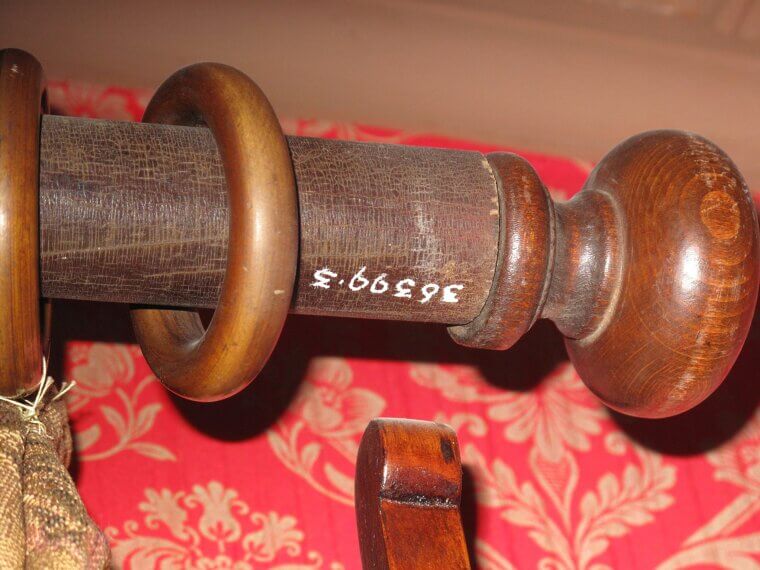
A $4 rod from the dollar store does what a whole cabinet redesign couldn't. Next up: the junk drawer fix that takes 90 seconds and actually sticks.
Sewing Drawers for Craft Bits
Loose buttons, bobbins, and snaps have a way of staging a full escape every time you open a drawer. The fix your grandmother used: a shallow drawer divided into a grid with strips of cardboard hot-glued upright, each cell holding exactly one category of notions. No fancy organizer required — just the cardboard from a cereal box and ten minutes.
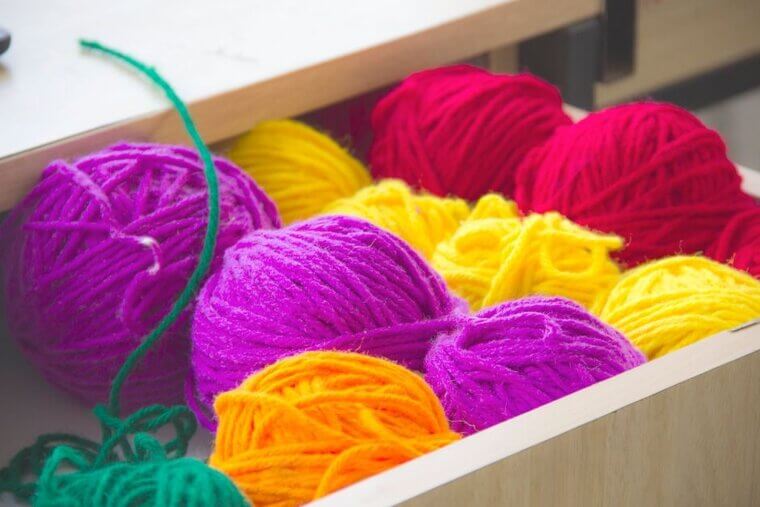
Her sewing drawer never had a rogue button rolling into the zipper pile. Yours probably looks like a craft store had a small emergency. Slide 27 fixes another chaotic drawer entirely.
Hat Boxes as Closet Decor
Hat boxes aren't just for hats anymore — and honestly, they never should have been. Stack two or three on a closet shelf and you've got hidden storage for scarves, belts, or off-season accessories that looks intentional instead of desperate. The trick: face the prettiest box forward and use the plain ones behind it. Vintage floral prints from thrift stores run about $3-8 each.
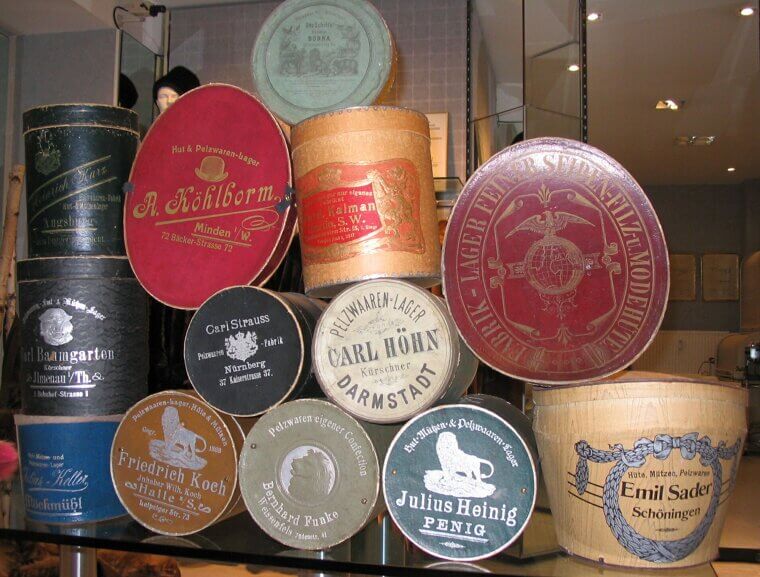
Your closet gets to look like a Parisian boutique and nobody has to know it's hiding a chaotic pile of hair ties. Next up: the one thing you're definitely storing wrong.
Egg Cartons for Ornament Storage
Egg cartons were basically invented for this. Each cup cradles one ornament — no tangling, no cracking, no finding a shattered glass ball in January when you're already emotionally fragile. Stack them in a shoebox, label the lid, and you've got a storage system that costs exactly zero dollars. The cardboard even cushions against bumps if the box gets jostled moving to and from the attic.
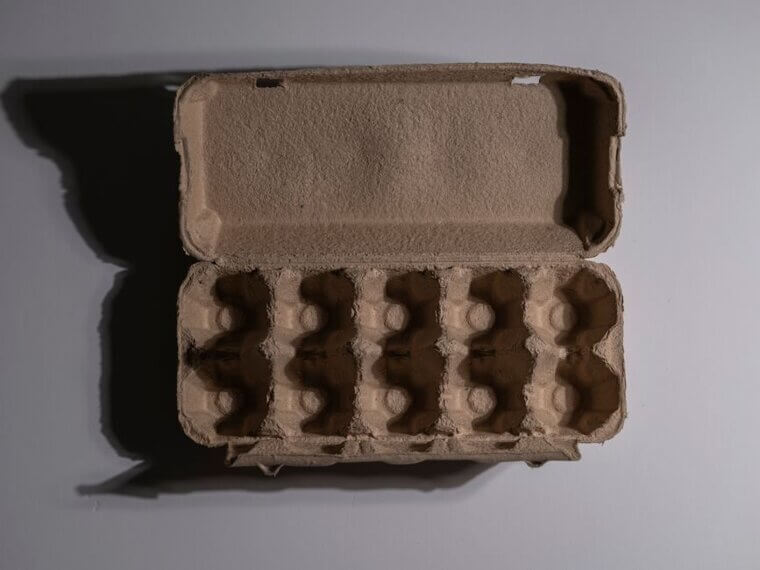
Free, stackable, and already in your recycling bin — the only question is why you ever bought those plastic ornament cases. Next up: the rubber band trick that keeps your wrapping paper from unraveling all winter.
Cutlery Trays for Makeup or Tools
Cutlery trays were designed to sort things by size and shape — which means they work just as well for eyeliner and lip gloss as they do for forks. Drop one in a bathroom drawer and suddenly your makeup chaos has zip codes. The compartments are narrow enough to stop things rolling, deep enough to actually hold them upright. IKEA's STODJA tray runs about $4.
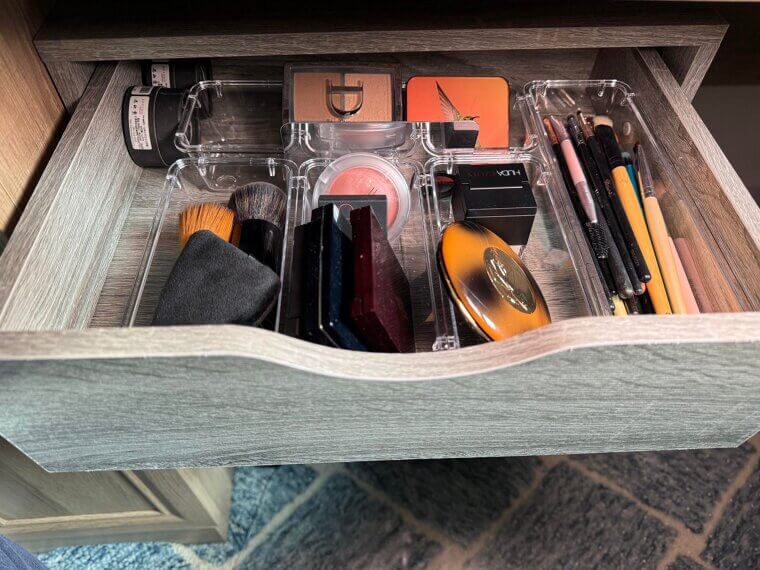
Works equally well in a toolbox drawer for drill bits and hex keys. One tray, zero rummaging. Slide 30 is the one your junk drawer has been waiting for.
Cigar Boxes for Memorabilia
Your grandfather didn't buy a fancy shadow box — he grabbed a cigar box and called it done. These hinged wooden cases are perfectly sized for old photos, military pins, ticket stubs, and folded letters. The cedar lining actually helps preserve paper over time, which is more than you can say for a Ziploc bag. Stack them on a shelf and they look intentional, not improvised.
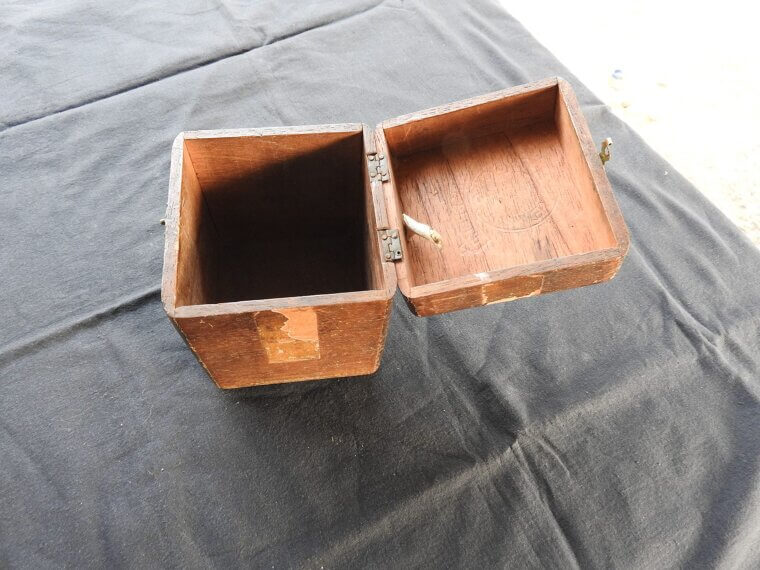
Label the lid with a strip of masking tape and a marker — decade, person, event. Future you will be embarrassingly grateful. Slide 31 might be the simplest trick in the whole list.
Tea Cup Hooks Under Shelves
Your grandparents didn't waste a single inch of shelf space, and this trick proves it. Screw a row of small cup hooks into the underside of any shelf — kitchen, workshop, bathroom — and suddenly you've got hanging storage where there was nothing. A pack of 20 hooks runs about $4 at any hardware store. Mugs, measuring cups, small tools, jewelry: all off the counter, all visible at a glance.
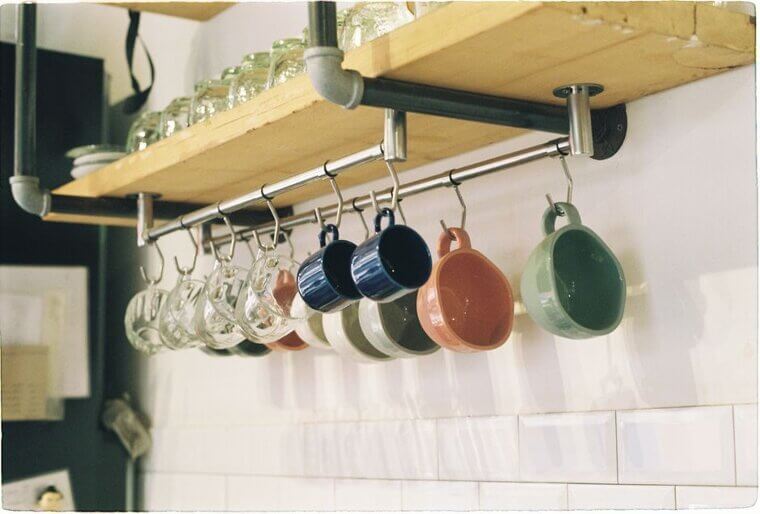
That dead space under your shelves has been sitting there your whole life doing absolutely nothing. Next up: the drawer trick that makes junk drawers obsolete overnight.
Rolling Pin & Wire Basket for Ribbon Organizer
Ribbon spools are the glitter of the craft room — they multiply, tangle, and somehow end up everywhere except where you need them. Thread your spools onto a wooden rolling pin, then set it across the top of a wire basket. Ribbon feeds smoothly from each spool without unraveling, and the basket below catches scissors, tape, and every other wrapping accessory that usually goes missing at 11pm on December 24th.
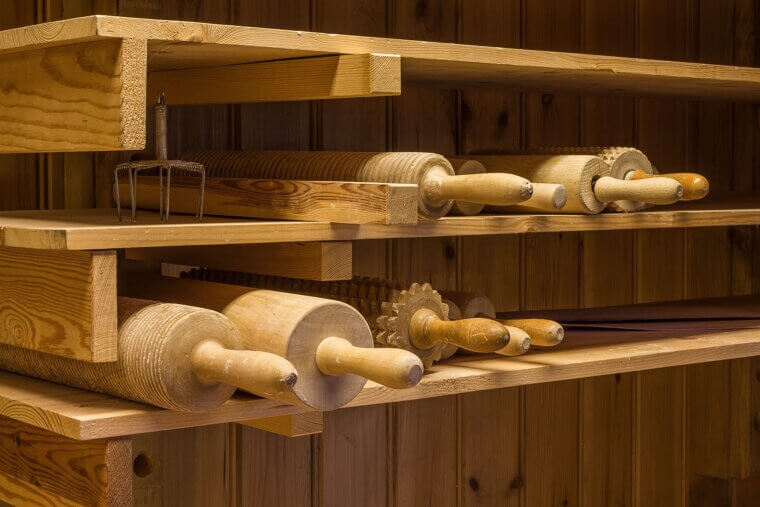
One rolling pin, one basket, zero tangled ribbon — and it takes about four minutes to set up. Slide 33 turns a thrift store cake stand into the most useful thing on your bathroom counter.
Cake Stand Vanity Storage
Your grandma didn't have a vanity organizer — she had a cake stand, and honestly it worked better. Stack a two-tiered one on your bathroom counter and suddenly your perfume bottles, moisturizers, and daily makeup aren't crammed into a drawer. The rotating display means nothing gets buried. A decent glass stand runs about $18 at any thrift store.
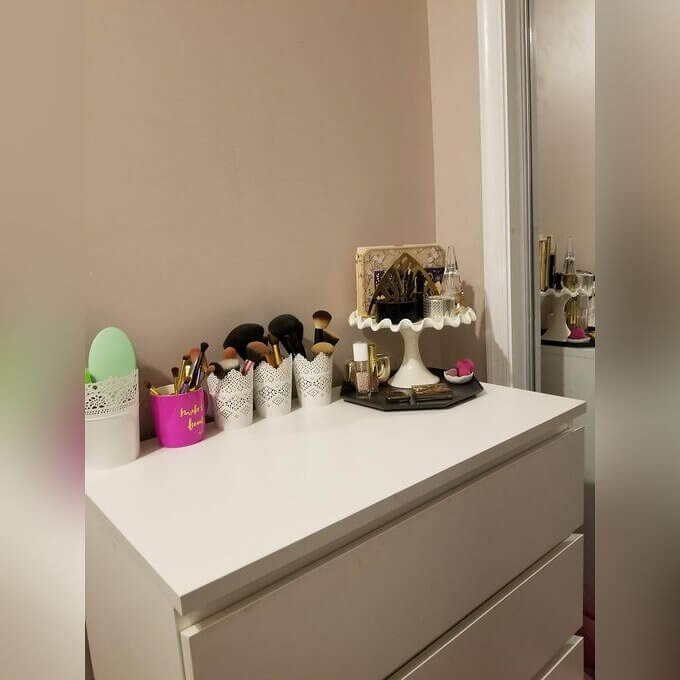
Rotating display also means you'll rediscover the perfume you forgot you owned. That's basically a free gift to yourself. Next slide is the one your power strip has been waiting for.
Labeled Clothespins for Cord ID
Every power strip eventually becomes a mystery — six identical black cords and zero clues which one runs the router versus the lamp you're about to unplug mid-Zoom call. Clip a labeled clothespin onto each cord at the strip end and you'll never play that guessing game again. A Sharpie, a bag of 50-cent clothespins, and two minutes is all it takes.
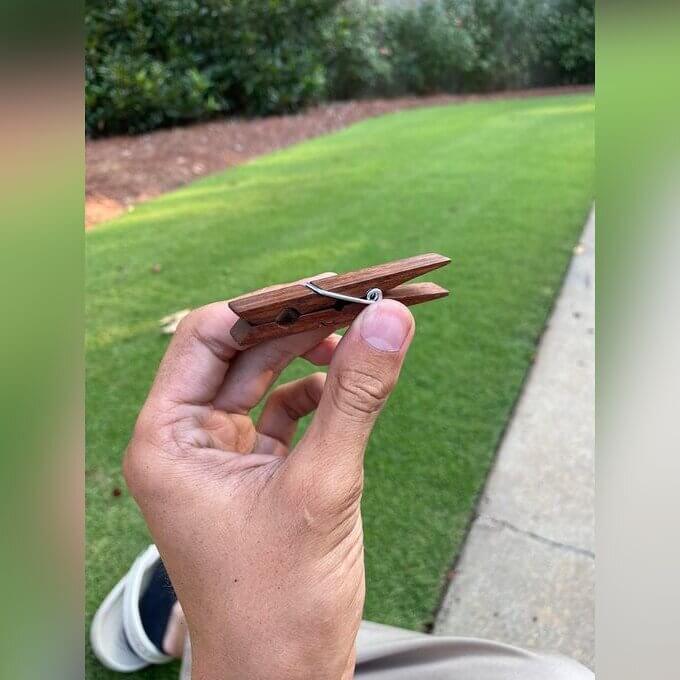
Your grandparents labeled everything — jars, shelves, drawers, the good scissors. Turns out they were just solving the same chaos we convinced ourselves was a modern problem. One more old-school fix coming up.
Broomstick Closet Rod Hack
Your closet rod snapped and a replacement costs $40 at the hardware store — or you can grab a broomstick for $8 and cut it to length in five minutes. Sand the ends smooth, rest it on the existing brackets, and it holds up to 50 pounds without complaint. Broomsticks are typically 1.25 inches in diameter, which fits most standard closet bracket slots perfectly.
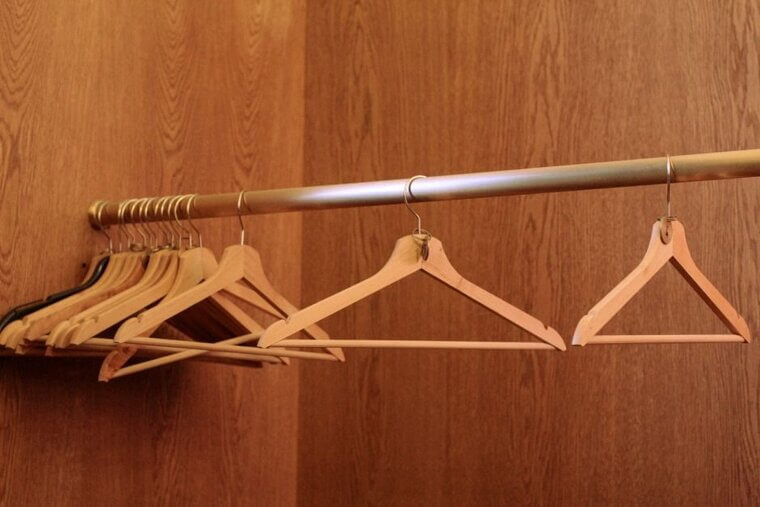
A broomstick outlasted three IKEA rods in my grandmother's closet. Turns out the hardware store was never the answer — the broom closet was.