
That old motorcycle rusting away in someone's garage might be worth more than their house. Vintage bikes from the 1950s through the 1980s have exploded in value, with collectors and auction houses driving prices into the tens of thousands — and sometimes far beyond. A handful of forgotten machines have quietly become the most sought-after two-wheelers on the planet.
The Harley-Davidson Knucklehead Every Collector Wants
Built between 1936 and 1947, the Harley-Davidson Knucklehead earned its nickname from the distinctive rocker covers that resembled clenched fists. It was Harley's first overhead-valve V-twin, a genuine engineering leap that gave the Motor Company a competitive edge it desperately needed. Survivors in original or correctly restored condition are among the most sought-after American motorcycles on the planet. Pristine examples have crossed the $100,000 threshold at major auctions, and even project bikes with solid frames and matching numbers attract fierce bidding wars from serious collectors.
The Knucklehead didn't just save Harley-Davidson — it defined what an American motorcycle could be. That story alone is worth a premium.
The Vincent Black Shadow's Legendary Price Tag
Called the fastest motorcycle in the world when it launched in 1948, the Vincent Black Shadow was an engineering statement from a small British manufacturer that refused to compromise. Phil Vincent and his chief engineer Phil Irving created a 998cc V-twin that could exceed 125 mph in an era when most motorcycles struggled past 90. Only around 1,700 were ever built before the company closed in 1955. That scarcity, combined with the Shadow's legendary status, has driven prices to extraordinary levels. Documented, original examples regularly sell for $150,000 to $300,000, with the rarest Black Lightning variants fetching even more.
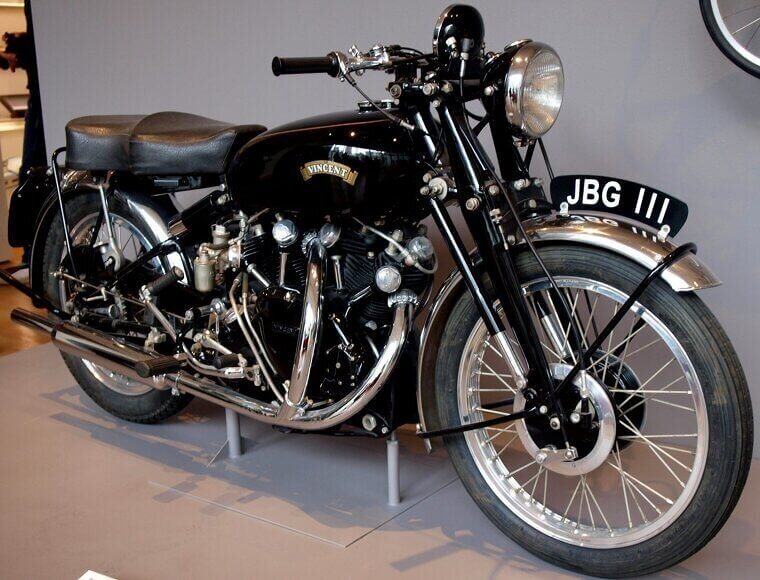
Hunter S. Thompson called it 'a perfect machine.' When gonzo journalism's most famous voice immortalizes your motorcycle, the price tag tends to follow.
The 1969 Honda CB750 That Started It All
Few machines changed motorcycling as dramatically as the 1969 Honda CB750. Before it arrived, big bikes meant British twins or American V-twins. Honda rewrote the rulebook with a transverse inline-four, a front disc brake, and electric start — all in one package that undercut the competition on price. It sold in enormous numbers, which ironically makes truly original, unrestored examples rare today. A numbers-matching CB750 in excellent condition regularly fetches between $15,000 and $35,000, with exceptional survivors climbing even higher at specialist auctions.
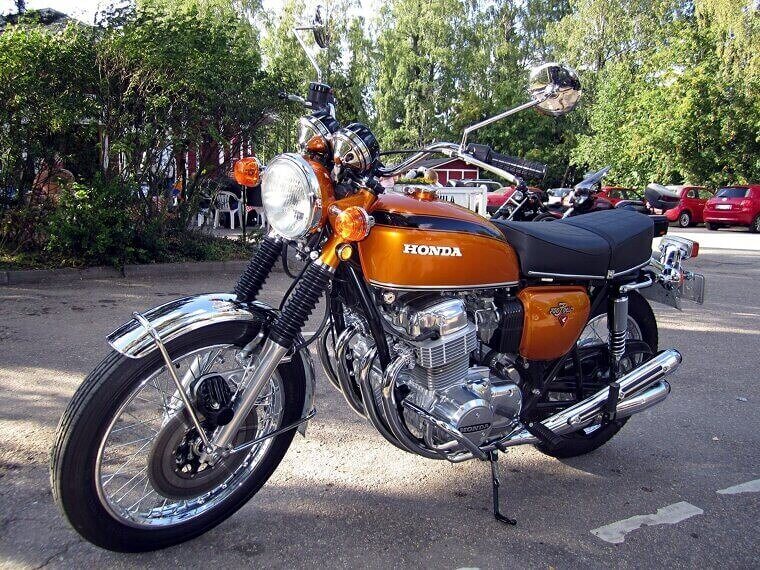
If you spot one in a barn with original paint and low miles, don't walk away. These are the founding fathers of the modern superbike, and collectors know it.
The Triumph Bonneville That Defined an Era
When Triumph introduced the Bonneville in 1959, naming it after the Utah salt flats where Johnny Allen had set a land speed record, the British motorcycle industry had its new flagship. The parallel twin was smooth, fast, and genuinely beautiful. Steve McQueen rode one. Marlon Brando's shadow loomed over every example sold. Early pre-unit Bonnevilles and the iconic 1969 T120 are the most collectible, with clean originals regularly selling for $12,000 to $25,000. Unrestored barn finds with matching engine and frame numbers can push well beyond that in the right room.
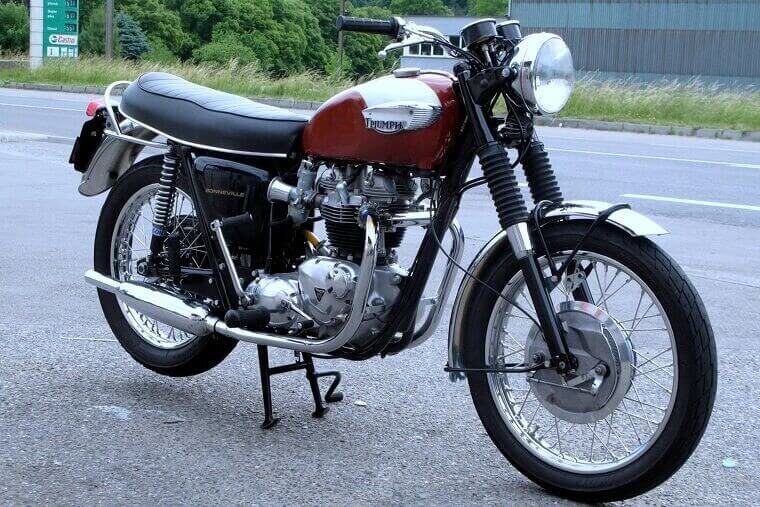
The Bonneville name has never left production, but nothing compares to owning an original. It's not just a motorcycle — it's a piece of cultural history.
Indian Chief Motorcycles Worth Big Money Today
Indian Motorcycle's pre-war Chiefs are among the most visually stunning bikes ever produced. Those sweeping skirted fenders, the torpedo-shaped fuel tank, the thundering 74 or 80 cubic inch V-twin — everything about the Chief screamed American excess in the best possible way. Production ended in 1953 when the original Indian company collapsed, making genuine examples increasingly scarce. A fully restored late-model Chief in correct livery can command $40,000 to $60,000 today. Rare color combinations, original accessories, and documented history push prices into six figures for the finest known survivors.
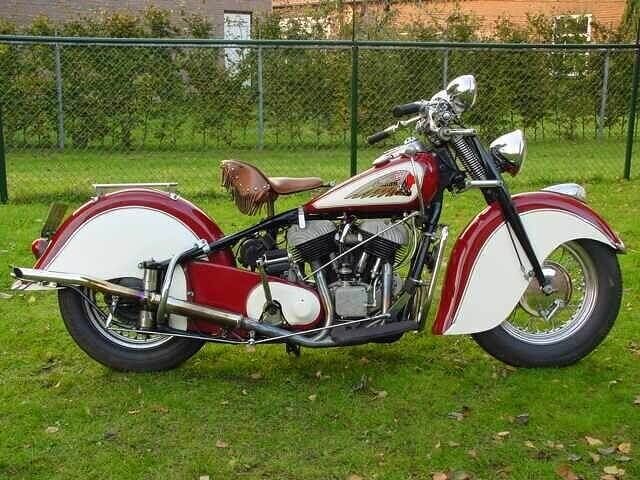
Indian and Harley fought a brutal market war for decades. Indian lost the battle but won the collector market — their pre-war bikes consistently outperform comparable Harleys at auction.
The BSA Gold Star Still Commands Top Dollar
The BSA Gold Star was the benchmark British single for an entire generation of clubman racers and café riders. Produced from 1938 through 1963, the Goldie — as enthusiasts called it — won at Brooklands, Daytona, and the Isle of Man. Its reputation was built on genuine performance, not marketing. The 500cc DBD34 Clubman is the most coveted variant, capable of exceeding $30,000 in top condition. Even project bikes with correct engine and frame numbers hold substantial value, because matching-numbers Gold Stars are genuinely hard to find after six decades of hard riding and parts swapping.
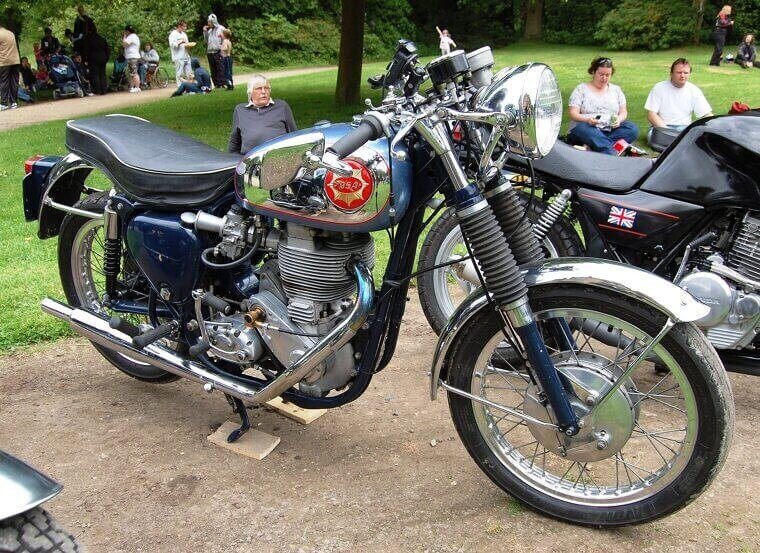
Café racer culture owes an enormous debt to the Gold Star. It practically invented the template — clip-ons, rearsets, solo seat, and a chip on its shoulder.
The Matchless G50 That Fetches Serious Money
Matchless built the G50 as a pure racing motorcycle, and it competed at the highest levels of grand prix racing through the late 1950s and early 1960s. Only around 180 were ever made, which makes every surviving example extraordinarily precious. The 496cc single-cylinder engine was a masterpiece of British engineering, reliable enough for long-distance racing and powerful enough to challenge the factory teams. Today, G50s appear regularly in classic racing, which keeps values high and demand fierce. Authenticated examples in race-ready condition have sold for well over $100,000, with the rarest variants pushing considerably higher.
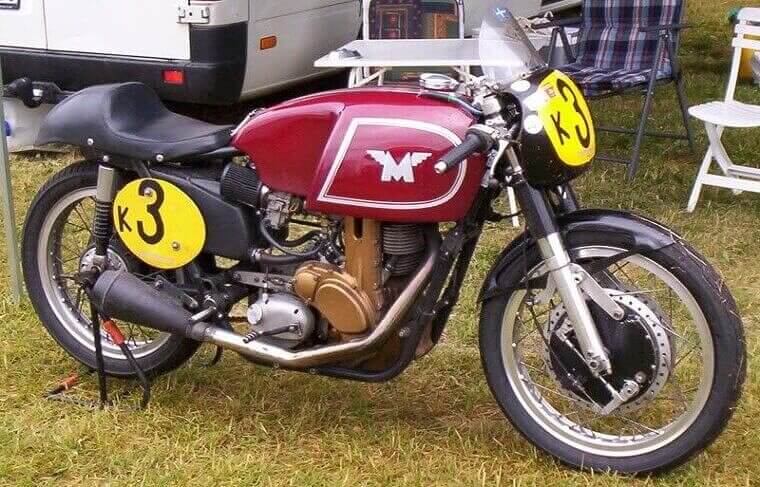
Unlike many collectible bikes that sit in climate-controlled museums, plenty of G50s still race. That living history makes them uniquely compelling — and uniquely expensive.
Ducati Bevel Twins That Collectors Fight Over
Ducati's bevel-drive twins, produced from the late 1960s through 1985, represent the Italian marque at its most raw and passionate. The desmodromic valve system, the distinctive L-twin configuration, the hand-built quality — every bevel twin feels like a mechanical sculpture. The 750 Sport, 900SS, and Mike Hailwood Replica are the most collectible variants, beloved for their racing heritage and gorgeous Giugiaro-influenced styling. Pristine examples of the 900SS regularly exceed $30,000, while documented MHR models in original condition have topped $50,000. Unrestored survivors with original paint are practically worth their weight in gold to serious Italian bike collectors.
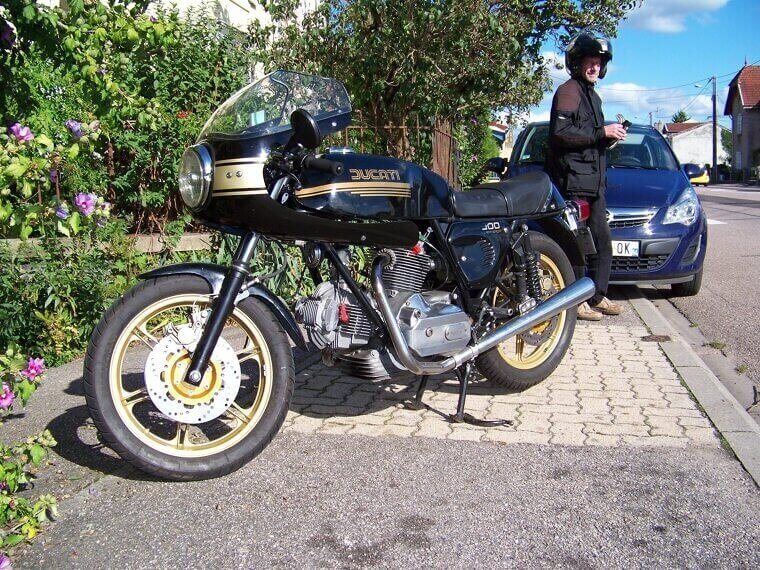
Ducati's modern bikes are brilliant, but nothing in the current lineup has the soul of a bevel twin. That intangible quality is exactly what collectors pay a premium to own.
The Honda CB77 Super Hawk Worth Chasing
Honda's CB77 Super Hawk arrived in America in 1961 and genuinely shocked domestic riders. Here was a 305cc twin that could run with bikes twice its displacement, handled with precision that American iron couldn't match, and looked fantastic doing it. It helped establish Honda's reputation for quality and performance in the crucial US market. Today, clean CB77s are increasingly hard to find — most were ridden hard and modified. An unmodified, original example in good condition commands $5,000 to $12,000, with exceptional survivors climbing higher. The Super Hawk deserves far more recognition than it typically receives.
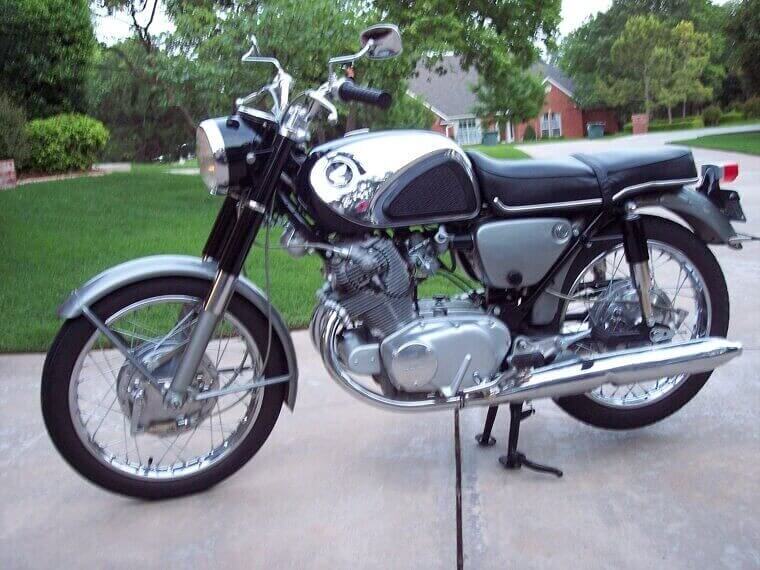
This is the bike that made American riders take Japanese motorcycles seriously. Without the Super Hawk, the CB750 story might never have happened.
The Norton Commando That Refuses to Lose Value
Norton launched the Commando in 1967 as a bold response to Japanese competition, using a clever Isolastic rubber mounting system to tame the vibration of its aging parallel twin engine. It worked brilliantly. The Commando became Motor Cycle News Machine of the Year five consecutive times — a record that still stands. Production ran until 1977, with the 850cc Interstate and Roadster being the most popular variants. Today, good Commandos fetch $10,000 to $20,000, with exceptional examples and rare variants like the Hi-Rider or John Player Norton replica pushing significantly higher. Demand shows no signs of weakening.
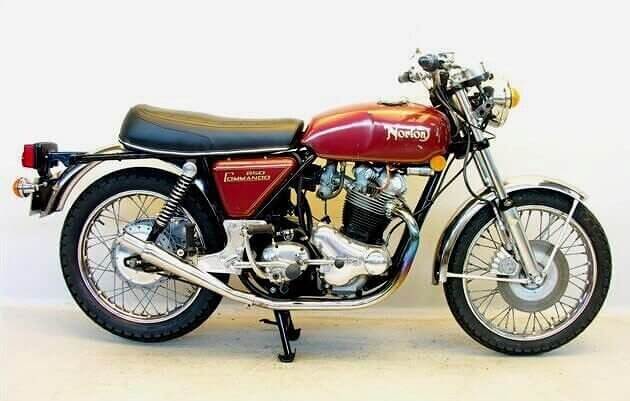
Norton's Isolastic system was engineering genius born of necessity. Rather than redesign an old engine, they isolated it — and accidentally created one of Britain's greatest motorcycles.
The Kawasaki H1 Mach III That Collectors Treasure
Kawasaki's H1 Mach III landed in 1969 like a hand grenade thrown into the motorcycle market. Its 500cc two-stroke triple produced around 60 horsepower — more than many 750cc four-strokes of the era — in a lightweight chassis that could barely contain it. Contemporary road tests described the handling as terrifying and the power delivery as explosive. It was, by any measure, too fast for its own chassis. That dangerous reputation only adds to its mystique today. Clean, original H1s fetch $8,000 to $18,000, with the rarer H1R racing variant commanding multiples of that from dedicated two-stroke collectors.
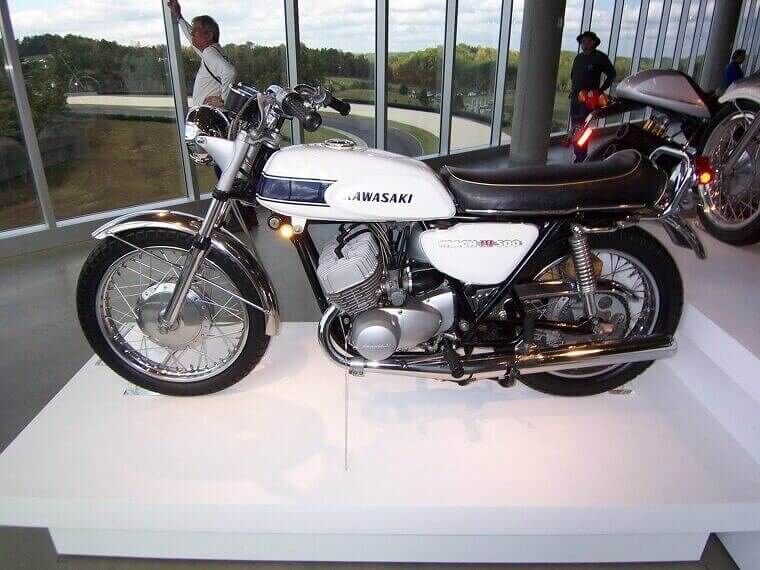
Kawasaki's engineers reportedly didn't fully understand what they'd built until test riders came back white-knuckled. Somehow, that only made everyone want one more.
The Kawasaki Z1 That Tops Auction Lists
When Kawasaki released the Z1 in 1972, it was the motorcycle Honda should have built — a 903cc double overhead cam four-cylinder that made the aging CB750 look conservative. Kawasaki had originally planned to beat Honda to market with a DOHC four, then shelved the project when the CB750 launched. The Z1 was their revenge, and it was devastating. Top speed exceeded 130 mph, and the engine was famously tuneable. Original Z1s in unmolested condition are now serious collector pieces, regularly fetching $15,000 to $35,000. The earliest 1973 models with correct color schemes command the highest premiums.
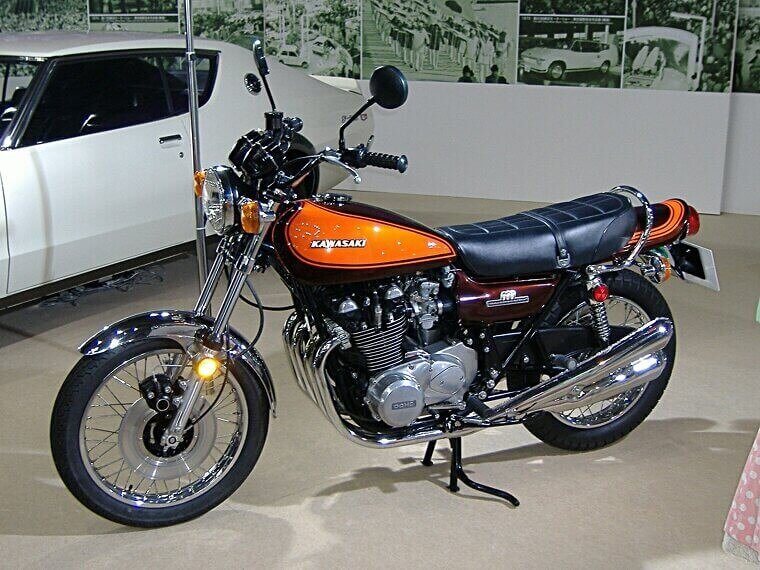
The Z1 launched the horsepower wars that defined motorcycling through the 1970s and beyond. Every modern superbike owes something to Kawasaki's magnificent act of revenge.
The Triumph T120 Bonneville With Original Numbers
The Triumph Trident T150 arrived in 1968 as Britain's answer to the coming Japanese superbike threat — three cylinders, 740cc, and a distinctive triple exhaust that announced its presence from two streets away. It was fast, smooth, and genuinely competitive with the CB750 that arrived the following year. BSA's version, the Rocket Three, shared the same engine in a different frame. Today, original Tridents in correct specification fetch $12,000 to $25,000, with the rare 'Slippery Sam' endurance racing variants commanding multiples of that from dedicated collectors.
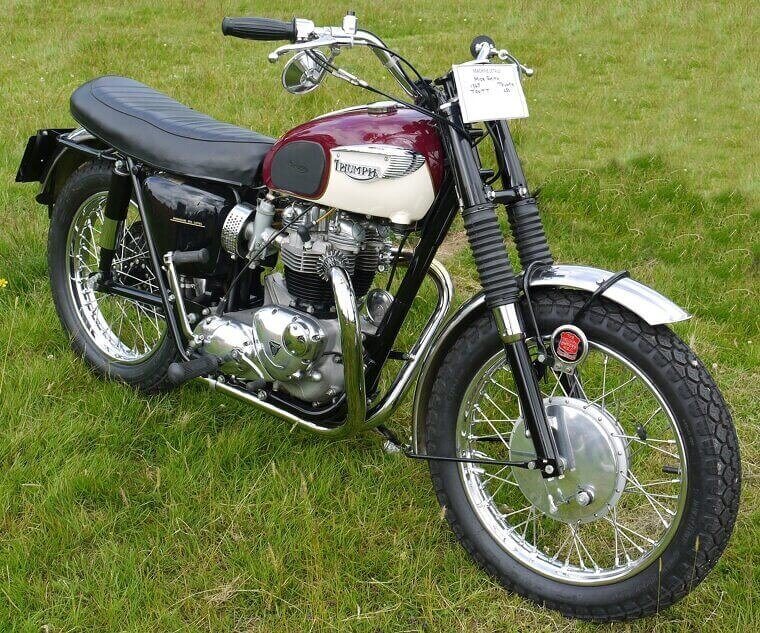
The Trident was Britain's last serious attempt to out-muscle Japan on performance terms. It nearly worked — and the bikes that survive are proof of how close the fight really was.
The Yamaha RD350 Beloved by Serious Collectors
Small, light, and wickedly fast in the corners, the Yamaha RD350 was the two-stroke twin that turned a generation of young riders into lifelong enthusiasts. Produced from 1973 to 1975 in its original form, the RD used Yamaha's Torque Induction System to deliver a power curve that felt almost violent above 6,000 rpm. It was genuinely quick enough to embarrass larger four-strokes in the twisties. Original, unmodified RD350s are increasingly rare — most were thrashed, crashed, or heavily modified. Clean survivors with original bodywork and correct engine specifications now fetch $4,000 to $10,000, with exceptional examples pushing higher.
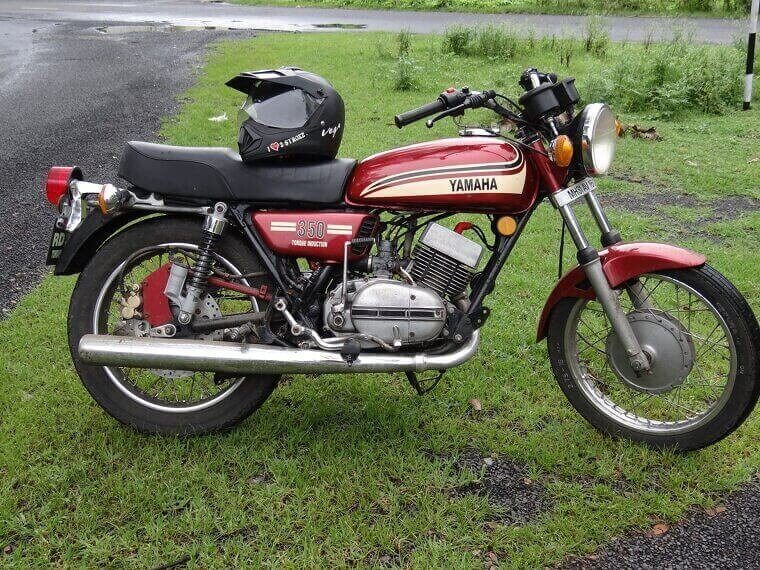
Every serious motorcyclist should ride an RD350 at least once. That screaming two-stroke powerband is an experience no modern fuel-injected machine can replicate.
The Royal Enfield Constellation Few Riders Knew
Royal Enfield's Constellation was a 692cc parallel twin produced from 1958 to 1963, and it was genuinely fast for its era — capable of around 110 mph with the right tuning. But it lived in the shadow of the Bonneville and Norton Dominator, and relatively few were sold. That obscurity is precisely what makes surviving Constellations interesting today. They're rare without being impossibly expensive, and the Royal Enfield community is passionate and knowledgeable. A good Constellation in restored condition typically sells for $8,000 to $15,000 — accessible enough to attract new collectors while rare enough to reward those who do their homework.
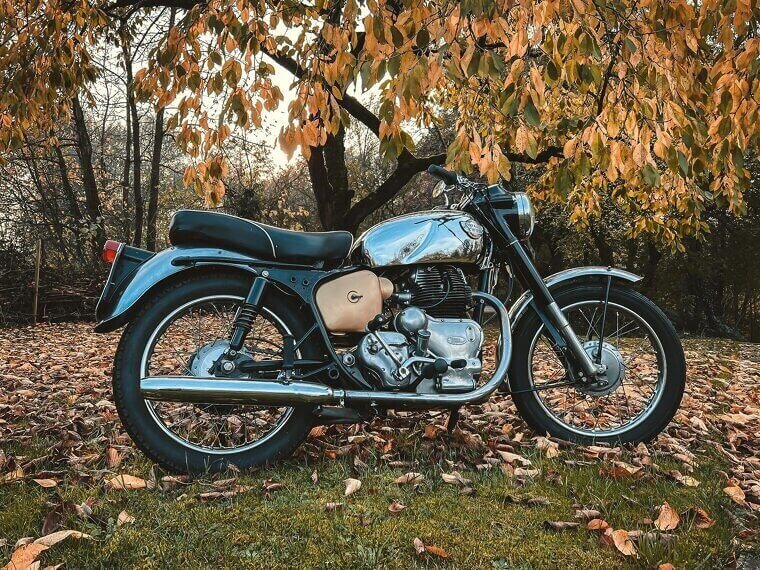
Overlooked during its production life, the Constellation is exactly the kind of underdog that smart collectors target. Prices are still reasonable, but the window won't stay open forever.
The Moto Guzzi V7 With a Growing Fan Base
Moto Guzzi introduced the V7 in 1967, and it established the transverse V-twin configuration that the Italian manufacturer still uses today. Early V7s were built for the Italian police and civilian market, featuring a 703cc engine that prioritized torque over outright speed. The styling was elegant and distinctly Italian — upright, purposeful, beautifully proportioned. Original late-1960s V7s and the subsequent V7 Sport are the most collectible variants, with the Sport's distinctive green livery making it instantly recognizable. Values have climbed steadily, with good V7 Sports fetching $15,000 to $25,000 as Guzzi's global fan base continues to grow.
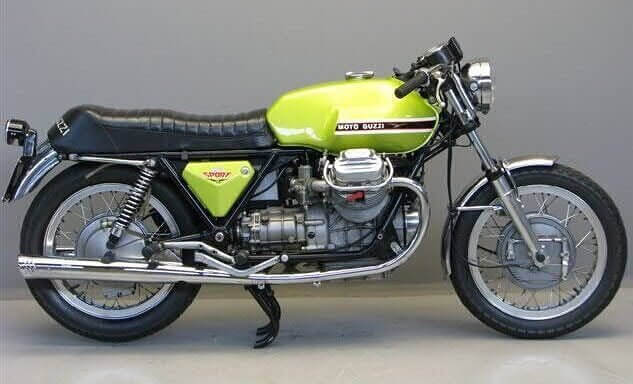
Moto Guzzi's V-twin layout was considered eccentric when it launched. Fifty-plus years later, it's one of motorcycling's most beloved engineering traditions — and early examples are cashing in.
The Ducati 750SS Imola Replica Worth a Fortune
In April 1972, Paul Smart rode a prototype Ducati to victory at the Imola 200, beating the factory teams from every major manufacturer. That race changed Ducati's history permanently. The 750SS Imola Replica, produced in tiny numbers to homologate the racing machine, became one of the most desirable Ducatis ever built. Fewer than 500 were made, and each one was essentially hand-assembled. Today, a documented, original 750SS Imola Replica is worth extraordinary money — verified examples have sold for $150,000 to $250,000 at major international auctions. Even later 750SS models benefit from the Imola story, commanding strong prices in their own right.
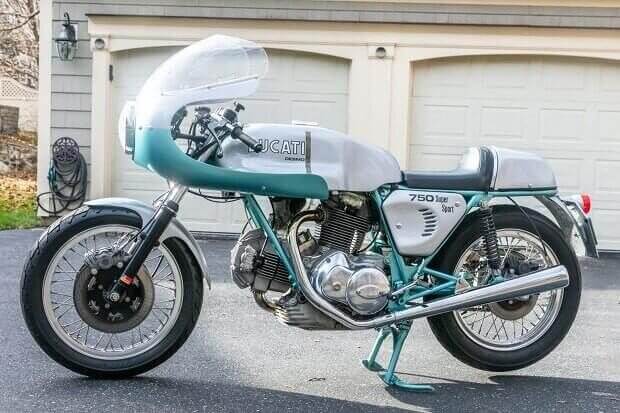
Paul Smart's Imola victory was supposed to be a one-off publicity stunt. Instead, it launched a racing dynasty and created one of the most valuable production motorcycles in history.
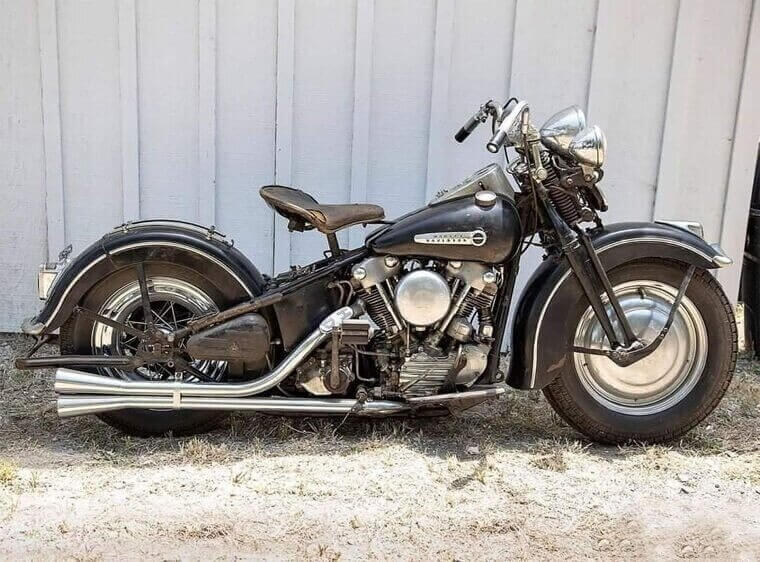
The Harley-Davidson Panhead That Collectors Love
Harley-Davidson produced the Panhead from 1948 to 1965, bridging the gap between the legendary Knucklehead and the Shovelhead that followed. Named for the pan-shaped rocker covers that replaced the Knucklehead's oil-leaking design, the Panhead was a genuine engineering improvement — quieter, cleaner, and more reliable than its predecessor. The 1949 introduction of the Hydra-Glide front fork and the 1958 debut of the Duo-Glide with rear suspension marked major milestones. Early Panheads in Hydra-Glide configuration are particularly sought after, with restored examples regularly fetching $25,000 to $50,000 depending on originality and provenance.
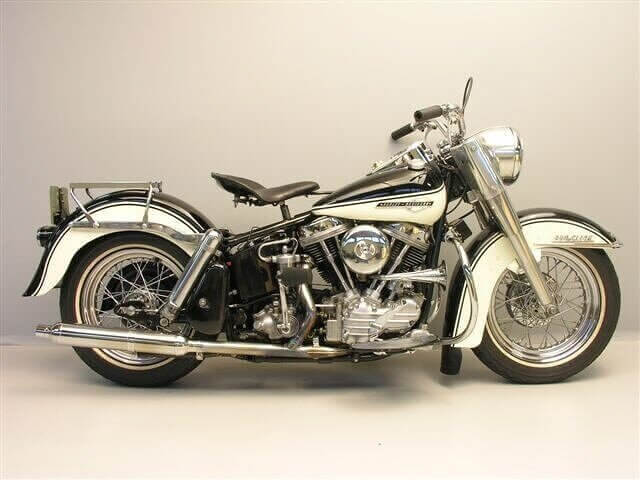
The Panhead era coincided with the birth of American biker culture. Every chopper, every outlaw club, every Easy Rider fantasy has roots in this engine.
The Husqvarna 400 Cross That Scrambler Fans Love
Swedish manufacturer Husqvarna built its reputation on off-road racing, and the 400 Cross was one of its finest achievements. Produced in the early 1970s, it dominated motocross and enduro competition with a combination of lightweight construction and a powerfully tractable single-cylinder engine. Steve McQueen famously raced Husqvarnas, appearing in a celebrated 1971 Sports Illustrated cover that introduced the brand to millions of American readers. That celebrity connection, combined with genuine competition success, has made clean 400 Cross examples increasingly valuable. Correct, unrestored examples with original decals and components fetch $8,000 to $18,000 from dedicated off-road collectors.
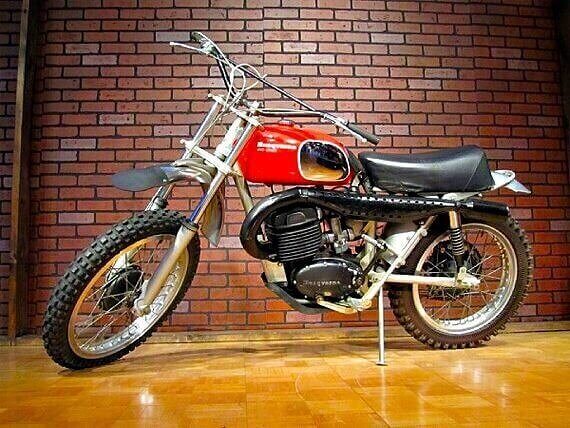
Steve McQueen's relationship with Husqvarna wasn't just marketing — he genuinely competed on them. When the King of Cool chooses your motorcycle, the collector market pays attention forever.
The Suzuki GT750 Known as the Water Buffalo
Suzuki's GT750 earned its "Water Buffalo" nickname from American riders who appreciated its bulk and its water-cooled engine — the first liquid-cooled motorcycle engine in mass production. Launched in 1971, the GT750 was a smooth, comfortable, surprisingly fast machine that took a completely different approach from Kawasaki's terrifying H1. The three-cylinder two-stroke engine produced a broad, usable power curve rather than the peaky violence of the Mach III. Today, the GT750 has a devoted following that appreciates its engineering significance and its genuine road-going ability. Clean examples fetch $5,000 to $12,000, with exceptional low-mileage survivors commanding more.
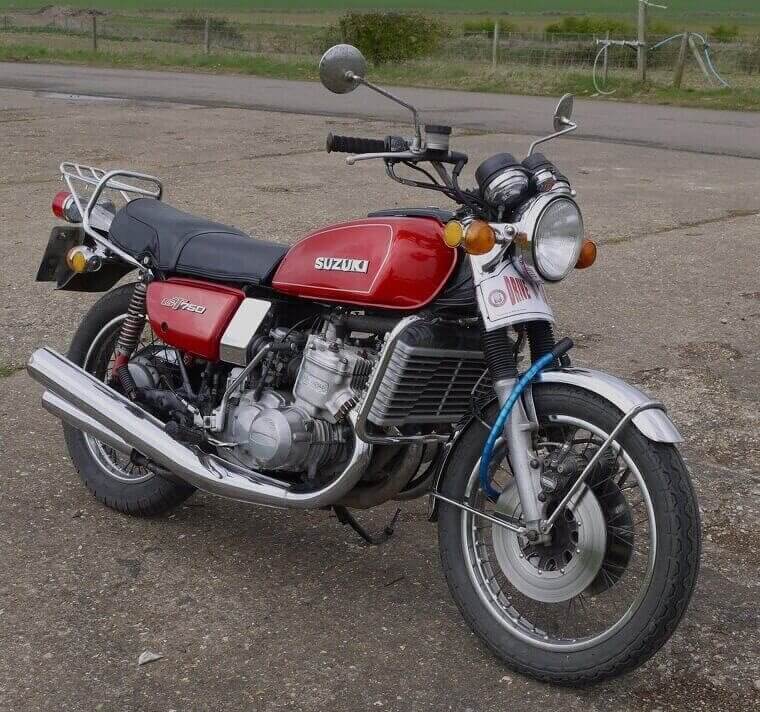
Liquid cooling in 1971 was genuinely revolutionary for a production motorcycle. Suzuki was decades ahead of the mainstream — and the Water Buffalo's fans haven't forgotten it.
The Münch Mammut That Broke Auction Records
Friedel Münch built his Mammut — German for mammoth — around a 1,000cc NSU car engine installed in a custom motorcycle frame, creating something that had never existed before: a genuine 125 mph street motorcycle with car-derived torque. Production began in 1966 and continued in small batches for years, with each machine essentially hand-built to order. Total production across all variants numbered only around 450 units. The Mammut was outrageously expensive when new and remains so today. Authenticated examples have sold for $150,000 to $300,000 at international auctions, making it one of the most valuable production motorcycles from the 1960s.
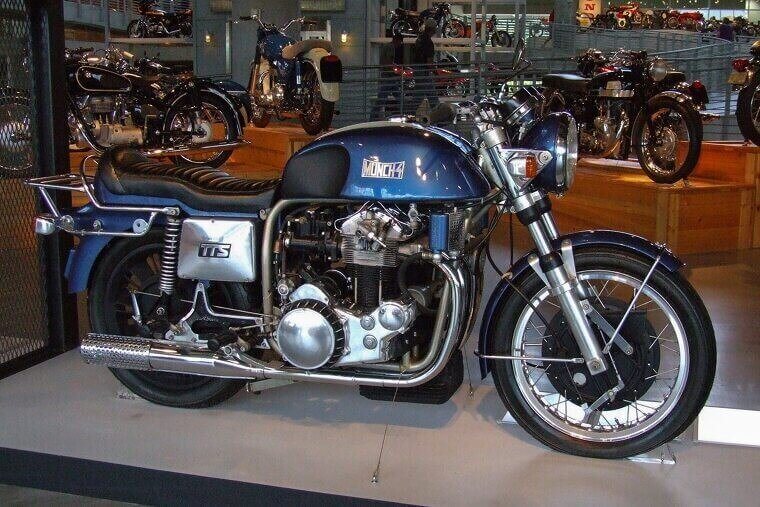
Friedel Münch built motorcycles the way Enzo Ferrari built cars — obsessively, expensively, and with complete indifference to commercial reality. That's exactly why collectors love them.
The AJS 7R That Racing History Made Priceless
The AJS 7R — nicknamed the Boy Racer — was a pure racing motorcycle produced from 1948 to 1962 by Associated Motor Cycles in London. Its 348cc single-cylinder engine was developed specifically for grand prix competition, and it achieved considerable success in the hands of privateers who couldn't afford factory machinery. Only around 200 were produced in total, making survivors genuinely rare. The 7R represents British racing at its most honest — no factory support, no works team, just a beautifully engineered motorcycle sold directly to ambitious club racers. Authenticated examples in race-ready condition regularly sell for $80,000 to $150,000.
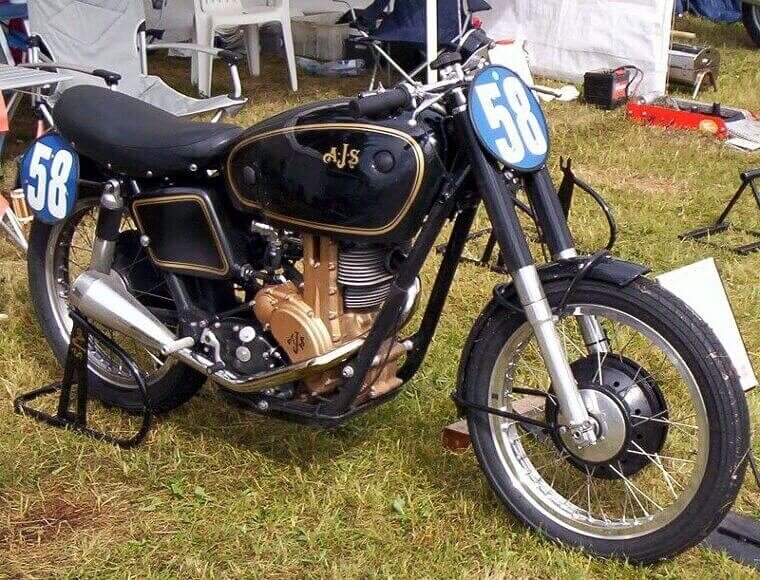
The 7R was the working man's grand prix machine — affordable enough for privateers, fast enough to embarrass factory teams. That democratic racing spirit is part of what makes it priceless today.
The Honda RC166 Six-Cylinder That Stuns Buyers
Honda's RC166 is not a motorcycle you can simply buy — it's a museum piece that occasionally surfaces at auction and causes absolute chaos among serious collectors. Built in 1966 to contest the 250cc world championship, the RC166 featured a 24,000 rpm six-cylinder engine of just 247cc, an engineering achievement that defied comprehension. Mike Hailwood rode it to the 250cc world title. The engine note alone — a mechanical scream unlike anything else in motorsport — is enough to reduce grown adults to tears. When an RC166 appears at auction, it typically sells for $500,000 to $1,000,000 or more.
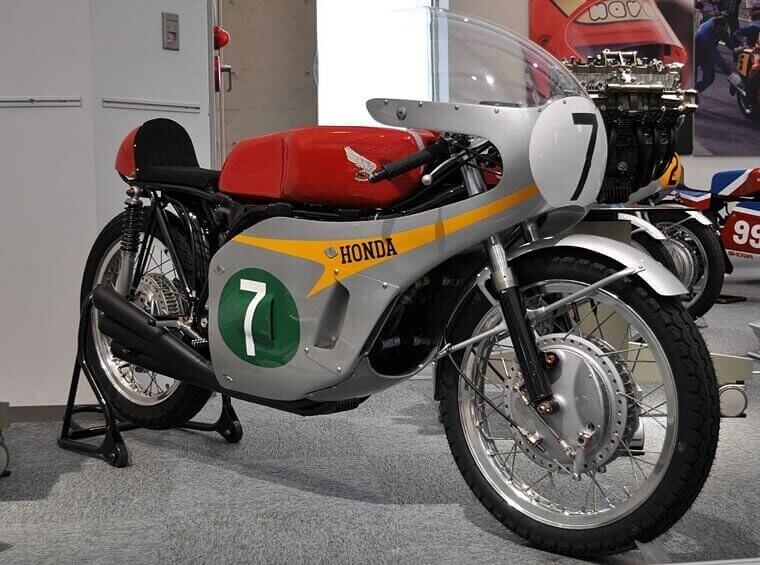
Twenty-four thousand rpm. Six cylinders. Two hundred and forty-seven cc. The RC166 isn't just a motorcycle — it's proof that Honda's engineers in the 1960s were operating on a different plane of existence.
The Brough Superior Called the Rolls-Royce of Bikes
George Brough built motorcycles for people who demanded the absolute best and could afford to pay for it. Each Brough Superior was hand-assembled, road-tested, and guaranteed to exceed 100 mph before delivery — in the 1920s and 1930s. T.E. Lawrence — Lawrence of Arabia — owned seven of them and died riding one. That combination of extraordinary craftsmanship, famous ownership, and extreme rarity has made Brough Superiors the most valuable vintage motorcycles in the world. Total production across all models was fewer than 3,000 units. Authenticated examples regularly sell for $500,000 to over $1,000,000, with the rarest variants exceeding $2,000,000.
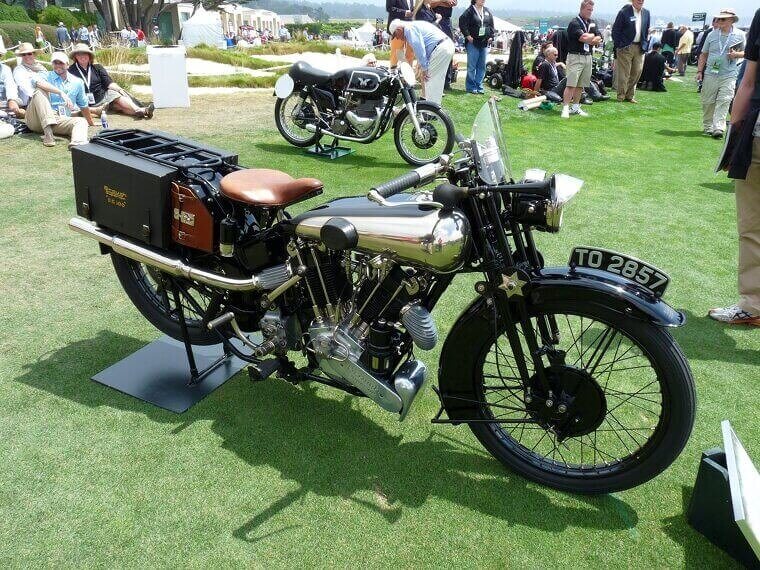
Lawrence of Arabia called his Brough Superior 'Boanerges' — Sons of Thunder. When your motorcycle gets a biblical nickname from one of history's most famous men, the price tag tends to reflect that.
The Rickman Metisse Frame That Changed Everything
Brothers Don and Derek Rickman couldn't find a motorcycle frame good enough for serious competition, so they built their own. The Metisse — French for mongrel — used Reynolds 531 tubing, meticulous geometry, and beautifully finished nickel-plated steel to create a chassis that could accept almost any engine. Riders stuffed in Matchless, BSA, Triumph, and eventually Japanese engines, creating hybrids that dominated scrambles and motocross events throughout the 1960s. The Rickman name became synonymous with quality. Complete, original Metisse machines with documented history now fetch $15,000 to $40,000, depending on engine fitment and condition.
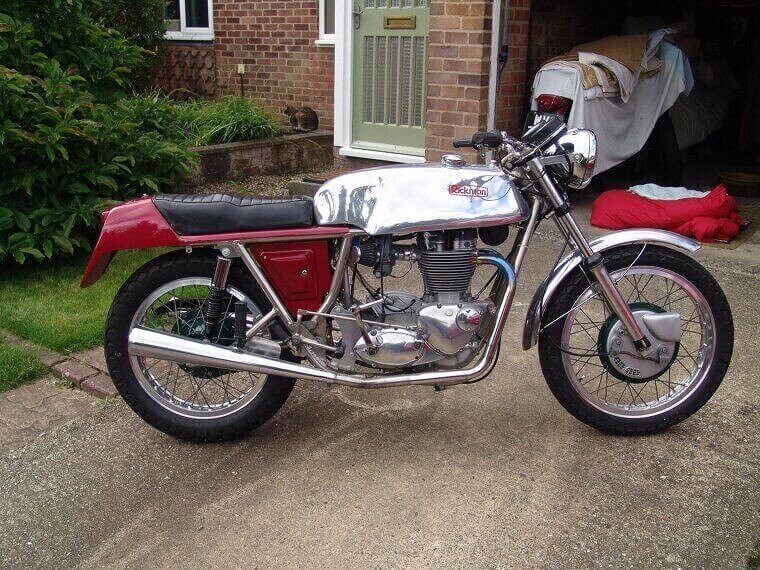
The Rickman brothers essentially invented the aftermarket performance frame industry. Every custom bike builder working today owes something to two brothers from Hampshire who decided factory frames simply weren't good enough.
The Honda Dream That Sparked a Generation of Riders
Honda's Dream — specifically the C70, C71, and C72 models of the late 1950s and early 1960s — was the machine that introduced millions of people to motorcycling who had never considered it before. Honda's famous advertising campaign proclaimed 'You meet the nicest people on a Honda,' deliberately targeting families and commuters rather than the leather-jacket crowd. It worked spectacularly. The Dream was clean, reliable, and easy to ride, dismantling decades of negative perception about motorcyclists. Original Dreams in good condition are now charming collector pieces, fetching $3,000 to $8,000 — modest compared to racing icons, but meaningful as cultural artifacts.
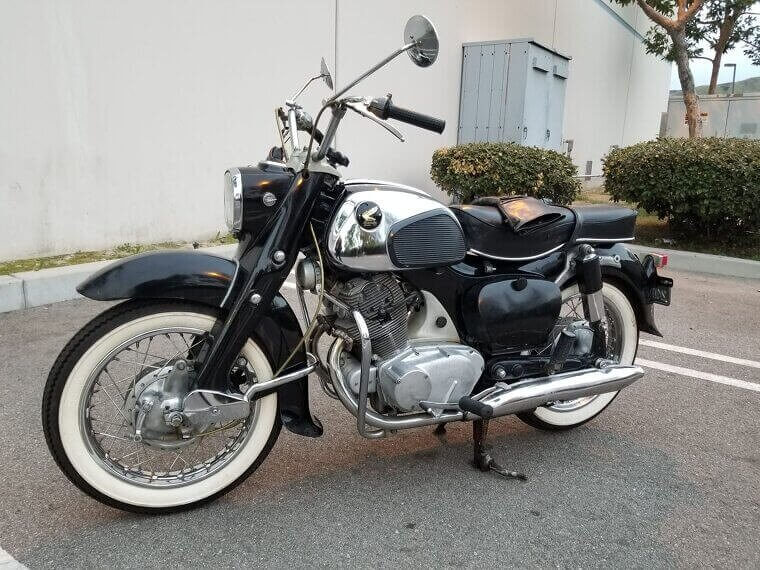
Honda's 'nicest people' campaign is one of the most successful advertising strategies in history. It didn't just sell motorcycles — it changed who was allowed to ride one.
The Benelli 750 Sei With Six Cylinders of Value
Benelli stunned the motorcycle world in 1972 when it revealed the 750 Sei — the world's first production six-cylinder motorcycle. The 748cc inline-six was essentially one-and-a-half Honda CB500 fours, and it produced a sound unlike anything else on public roads. Performance was adequate rather than spectacular, but nobody bought a Sei for outright speed. They bought it for the engineering statement, the exhaust note, and the extraordinary visual impact of six carburetors in a row. Production was limited, and survivors in original condition are increasingly rare. Clean 750 Seis now fetch $15,000 to $30,000, with exceptional examples climbing higher.
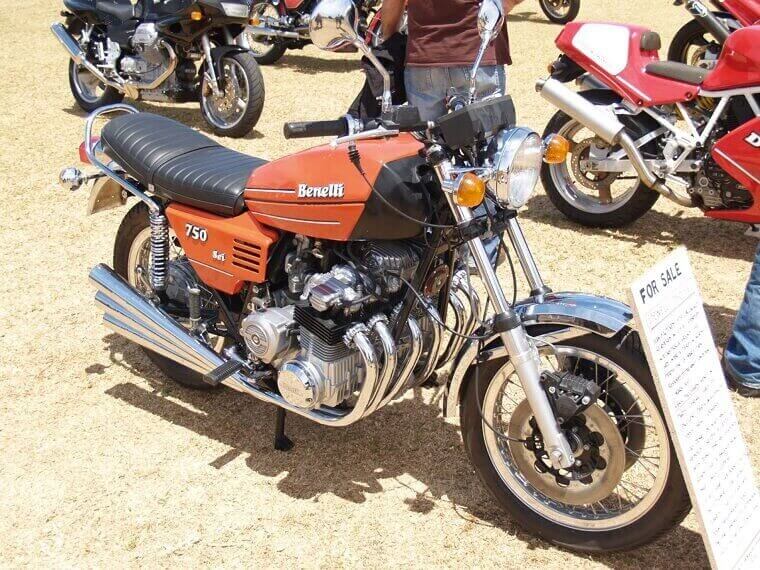
Six carburetors. Six exhaust pipes. One absolutely unforgettable engine note. The Benelli 750 Sei proved that sometimes engineering ambition matters more than outright performance.
The Velocette Thruxton Cherished by British Bike Fans
Velocette built the Thruxton — named after the Hampshire circuit — as the ultimate expression of its long-running 500cc Venom single. Produced from 1965 to 1971 in very limited numbers, the Thruxton was essentially a factory-prepared racing machine sold for street use. It featured a high-compression engine, a large GP carburettor, clip-on handlebars, and a distinctive humped racing seat. Velocette was a small manufacturer, and Thruxton production was genuinely tiny — estimates suggest fewer than 1,100 were ever built. Documented, original Thruxtons in correct specification are among the most treasured British singles, regularly selling for $25,000 to $50,000.
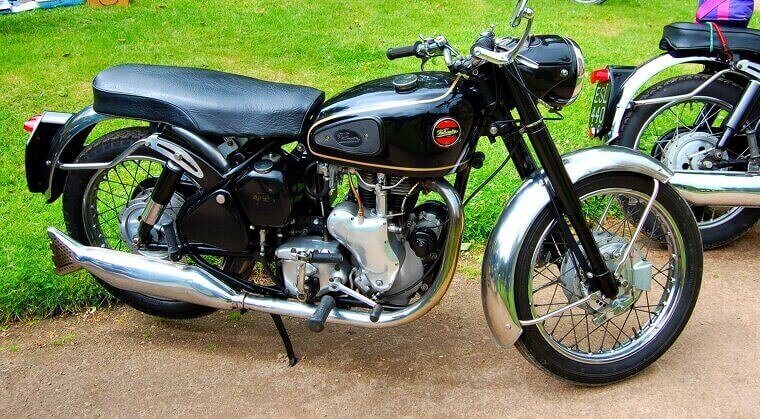
Velocette refused to compromise the Thruxton's specification to reduce costs or increase sales. That stubborn commitment to quality is exactly why survivors are worth so much today.
The BMW R69S That Steve McQueen Made Famous
BMW's R69S was the pinnacle of the company's pre-unit boxer twin development — a sophisticated, beautifully finished machine that attracted doctors, architects, and serious long-distance tourers when new. The 594cc engine produced 42 horsepower and a genuine 109 mph top speed in 1960, wrapped in engineering quality that made British and Italian rivals look slightly rough around the edges. Original, unmolested R69S machines in good condition fetch $15,000 to $30,000 today, rewarding collectors who appreciate precision over drama.
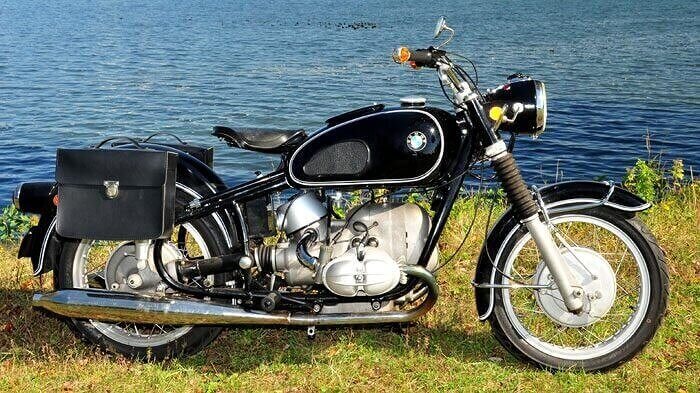
BMW built the R69S for people who wanted to ride from Munich to Rome without drama. Half a century later, it still does exactly that — and the collector market has noticed.
The Harley-Davidson WLA Military Bike Worth Thousands
Harley-Davidson built the WLA specifically for military service during World War II, producing approximately 90,000 units for Allied forces between 1940 and 1945. The WLA served in every theater of the war, ridden by dispatch riders, military police, and reconnaissance units across Europe, North Africa, and the Pacific. After the war, thousands were sold as surplus, introducing a generation of veterans to motorcycling and helping spark the postwar riding boom. Today, correct WLAs in military specification — with original olive drab paint, military accessories, and matching numbers — fetch $12,000 to $25,000 from military vehicle collectors and Harley enthusiasts alike.
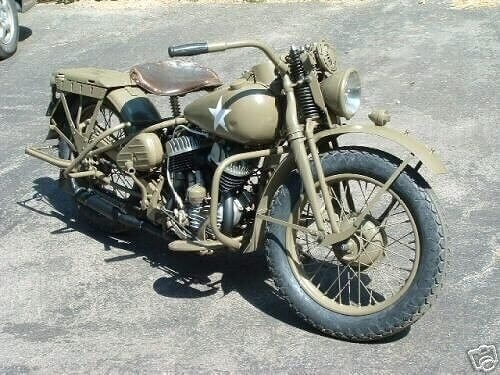
The WLA didn't just serve in the war — it helped create the postwar American biker. Veterans who'd ridden them overseas came home wanting to keep riding, and the culture followed.
The Ducati 450 Desmo That Restorers Fight Over
Ducati's desmodromic valve system — which uses mechanical means to close valves rather than relying on springs — was a grand prix racing technology that the Bologna factory eventually brought to street machines. The 450 Desmo, produced in the late 1960s and early 1970s, was one of the first road bikes to offer this technology in a compact single-cylinder package. It was expensive, complex, and required expert maintenance. Those very qualities make survivors precious today. Original 450 Desmos in good condition are rare enough that prices have climbed to $10,000 to $20,000, with the best examples attracting serious international bidders.
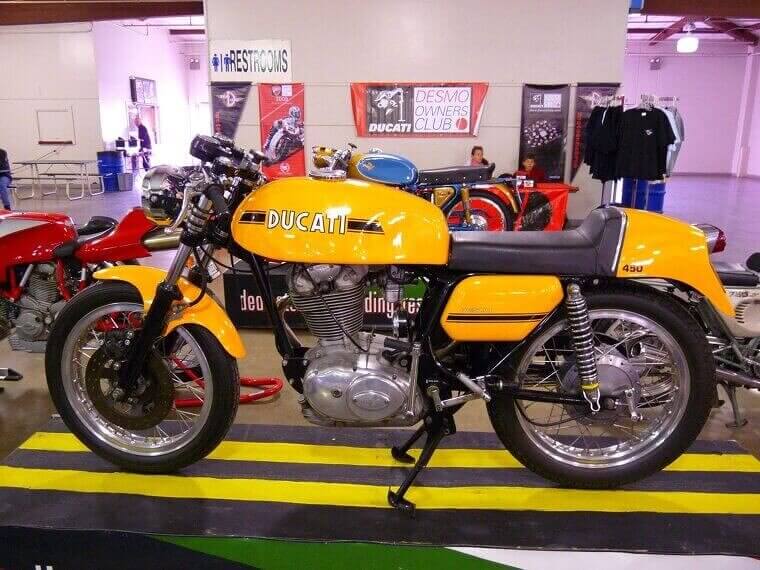
Desmodromic valve actuation is Ducati's signature technology, and the 450 Desmo brought it to the street for the first time in accessible form. Every modern Ducati carries this bike's DNA.
The Laverda Jota That Shook Up the Market
Laverda's Jota arrived in 1976 and immediately established itself as the loudest, most aggressive, most intimidating motorcycle available to the public. The 981cc triple-cylinder engine was derived from endurance racing machinery, and the standard exhaust note was described by contemporary journalists as physically painful at full throttle. It was brutally fast, marginally manageable, and absolutely uncompromising. British importer Roger Slater tuned the Jotas he sold to UK customers, creating the most desirable variant of all. Original UK-specification Jotas in good condition now fetch $20,000 to $40,000, with documented early examples pushing considerably higher.
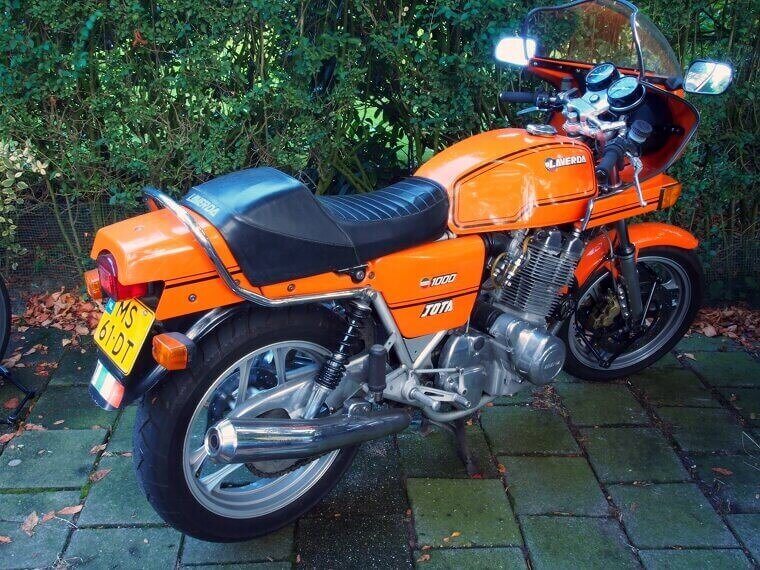
Laverda engineers reportedly tested the Jota's exhaust note against noise regulations, found it failed, and shipped it anyway. That attitude is precisely why collectors worship it.
The Ural Sidecar Rig Collectors Are Buying Up
Soviet-era Ural sidecar rigs occupy a unique space in the collector market — they're not expensive in the traditional sense, but demand has grown steadily as buyers seek something genuinely different. Based on pre-war BMW R71 technology that the Soviets reverse-engineered, Urals have been built in the Ural Mountains since 1941. Vintage examples from the 1960s and 1970s, particularly military-specification rigs with original equipment, have attracted growing collector interest. Prices remain accessible compared to Western European classics — typically $4,000 to $10,000 for good examples — but the trajectory is clearly upward as supply tightens.
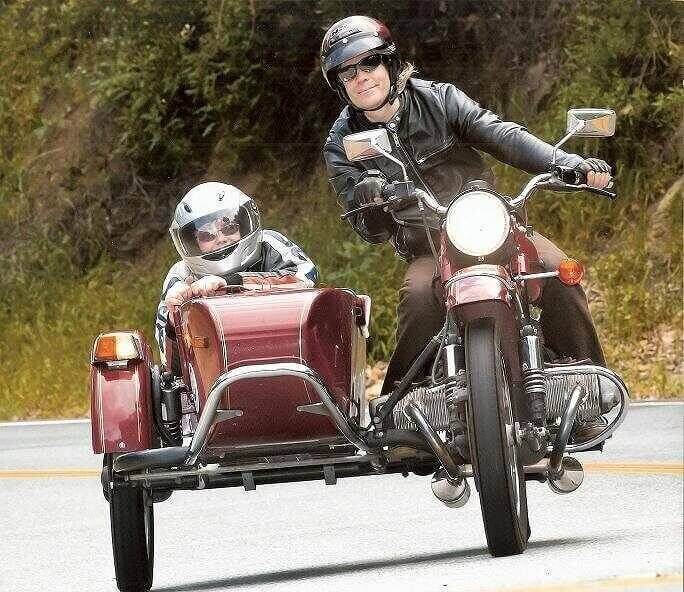
There's something deeply compelling about a motorcycle design that survived the Cold War, the collapse of the Soviet Union, and still rolls out of the Ural Mountains today. History has a way of appreciating.
The Sunbeam S8 That Few People Remember Today
Sunbeam's S8 was a sophisticated, shaft-driven touring motorcycle produced from 1949 to 1956, designed by Erling Poppe as a refined alternative to the vibrating British twins of the era. The 487cc inline twin was smooth and quiet, the shaft drive was practical and clean, and the overall package was genuinely elegant. Unfortunately, it was also expensive, underpowered compared to the competition, and plagued by early reliability issues that damaged its reputation. Production was limited, and relatively few survive in original condition. Today, good S8s fetch $6,000 to $12,000 from collectors who appreciate its unusual engineering and forgotten sophistication.
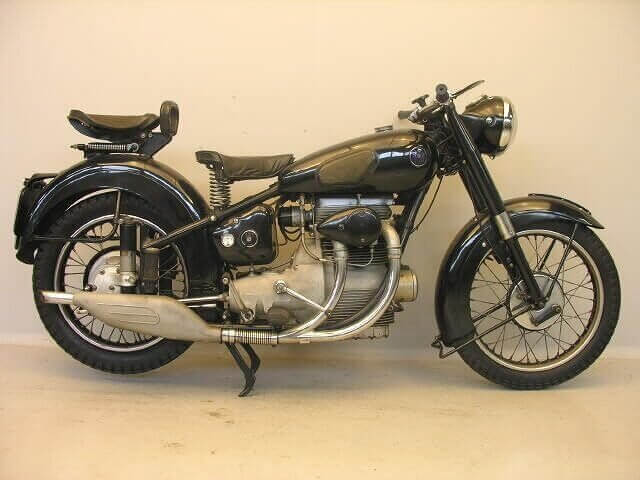
The Sunbeam S8 was ahead of its time in concept but behind in execution. It deserved better than obscurity — and the small community of owners who've discovered it clearly agrees.
The Velocette MAC That British Fans Hunt Down
The Velocette MAC was the workhorse of the Birmingham manufacturer's lineup — a 350cc overhead-valve single that provided reliable, economical transportation for British riders throughout the late 1940s and 1950s. It lacked the glamour of the Thruxton or the racing pedigree of the KTT, but it was a genuinely excellent motorcycle that kept Velocette solvent through difficult years. Today, the MAC attracts collectors who appreciate honest, well-engineered British singles without the price premium of the more famous models. Good examples fetch $5,000 to $10,000, and the Velocette Owners Club provides exceptional support for restorers.
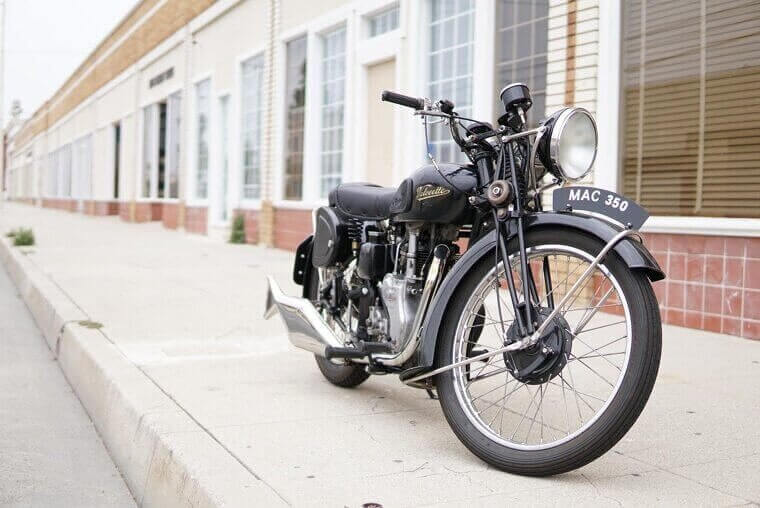
Not every collectible motorcycle needs a racing pedigree or a celebrity owner. The MAC's appeal is simpler — it's a beautifully made British single that does everything right and costs less than a used car.
The Zündapp KS750 With a Devoted Collector Following
Zündapp's KS750 was Germany's definitive military motorcycle of World War II, produced from 1941 to 1944 in significant numbers for Wehrmacht service. The 751cc horizontally-opposed twin drove the rear wheel and the sidecar wheel simultaneously, giving the combination genuine off-road capability that impressed Allied forces who encountered it. The engineering quality was exceptional — this was a precision German machine built to military specification. Surviving KS750s in correct military configuration are rare and highly sought after by military vehicle collectors worldwide. Authenticated, complete examples regularly sell for $25,000 to $60,000, with exceptional restorations commanding more.
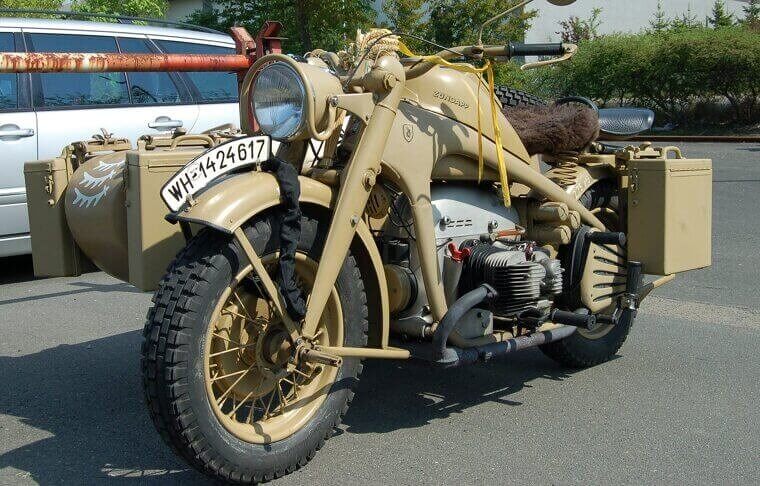
The KS750's driven sidecar wheel was a genuine military innovation — it gave the combination traction that conventional sidecar rigs couldn't match. Allied engineers studied captured examples with considerable respect.
The Triumph TR6 Trophy That Easy Rider Immortalized
Easy Rider's 1969 release made the chopper a cultural icon, but the film also featured a Triumph TR6 Trophy ridden by Peter Fonda's character Wyatt in key sequences. The TR6 was Triumph's scrambler-influenced street machine, combining the Bonneville's engine with high-mounted exhaust and a more upright riding position. It was a genuine dual-purpose machine in an era before that category had a name. The Easy Rider connection, combined with the TR6's inherent collectibility, has pushed values for correct examples to $12,000 to $22,000. Period-correct café racer or scrambler builds based on TR6s also attract strong interest.
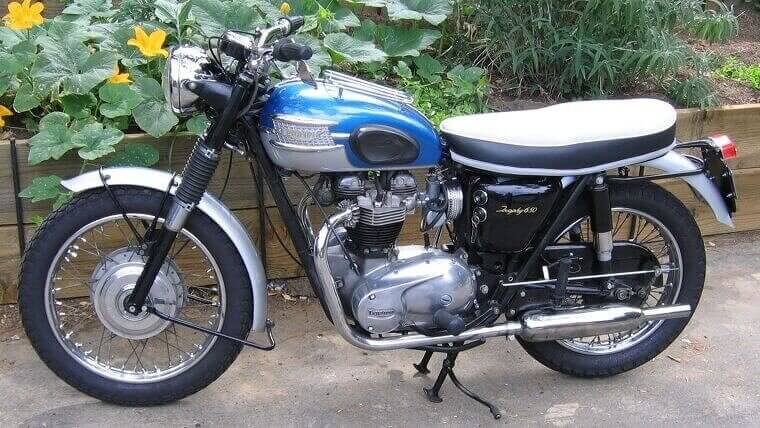
Easy Rider didn't just make the Captain America chopper famous — it made every motorcycle in the film desirable. The TR6's moment on screen was brief, but collectors have long memories.
The Ariel Square Four That Still Turns Heads
Ariel's Square Four was one of motorcycling's great engineering curiosities — four cylinders arranged in a square configuration, effectively two parallel twins sharing a common crankshaft, all within a compact unit that looked like a large single from certain angles. Edward Turner designed the original in 1930, and the engine was progressively developed through 1959. The final 1000cc alloy-engined Mark II is the most desirable variant, combining genuine performance with the Square Four's unique character. Collectors prize the Squariel — as enthusiasts call it — for its engineering originality. Good examples fetch $15,000 to $30,000, with the finest known survivors pushing higher.
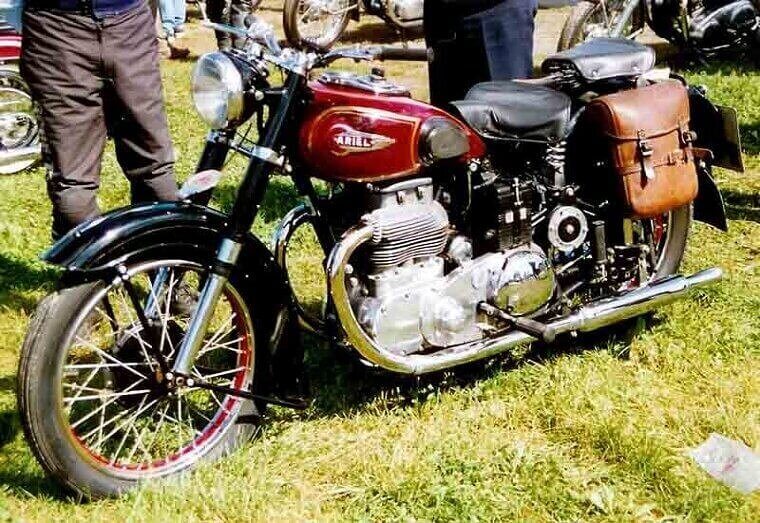
Edward Turner designed the Square Four before he created the Triumph Speed Twin — and some argue it was his more interesting achievement. Four cylinders in a square. Nobody else has ever tried it.
The Greeves Silverstone That Racing Made Priceless
Greeves was a small Essex manufacturer that built lightweight competition motorcycles using a distinctive cast aluminum beam frame and Villiers-based two-stroke engines. The Silverstone, produced in the early 1960s for road racing, was the pinnacle of the company's development — a beautifully conceived lightweight racer that achieved genuine success in the 250cc class. Production numbers were tiny, and the Silverstone competed against far better-funded factory teams with considerable success. Today, authenticated Silverstones are among the rarest and most sought-after British racing motorcycles, with documented examples selling for $30,000 to $70,000 at specialist auctions.
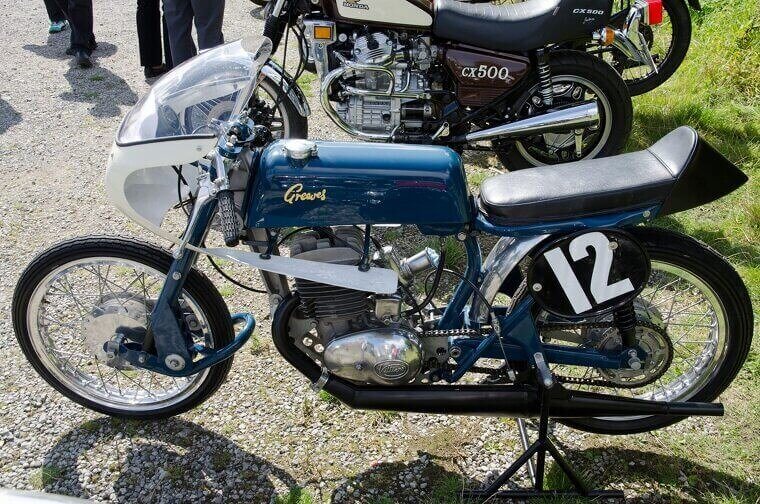
Greeves built racing motorcycles in a factory better known for invalid carriages. That improbable origin story, combined with genuine racing success, makes every surviving Silverstone a piece of unlikely history.
The Bikes Your Dad Rode That Are Worth a Fortune
Here's the thing nobody tells you about classic motorcycle values: the bikes your father or grandfather considered ordinary transportation are now the ones commanding serious money. The Honda CB350 he commuted on. The Triumph Tiger he toured on. The BSA Bantam he learned to ride on. Familiarity bred contempt for a generation, and many were scrapped, modified, or simply worn out. The survivors — especially unmodified, original examples — are now precious precisely because so few remain. Before you dismiss that old bike in the family garage as worthless, do your research. You might be sitting on a small fortune without knowing it.
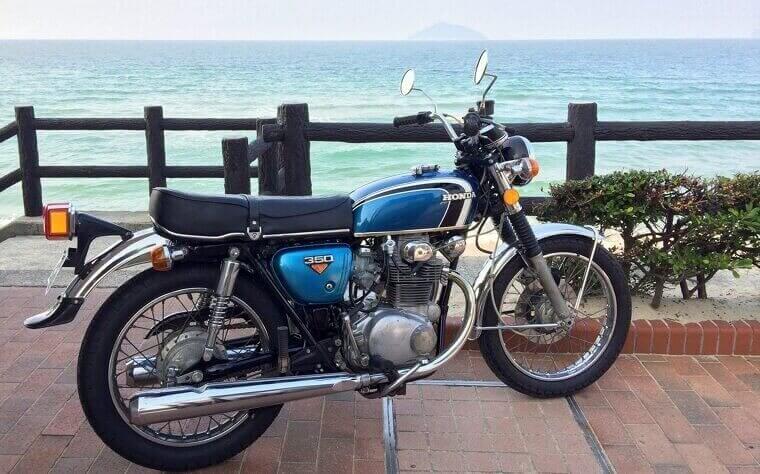
The best time to have bought any of these motorcycles was thirty years ago. The second best time is right now — before the next generation of collectors drives prices even higher.