
Your grandpa's workshop tools are making a comeback. Some are worth serious money now.
The Hand Brace and Bit Drill
Picture this: a Saturday morning, sawdust on the concrete floor, and a hand brace cranking slowly through a thick oak board. No batteries, no cords — just a U-shaped steel frame and a sharp bit doing exactly what physics intended. The hand brace was the go-to boring tool for generations of woodworkers, and a good one in clean condition today fetches between $20 and $60 at estate sales. Collectors particularly hunt the ones with rosewood handles.
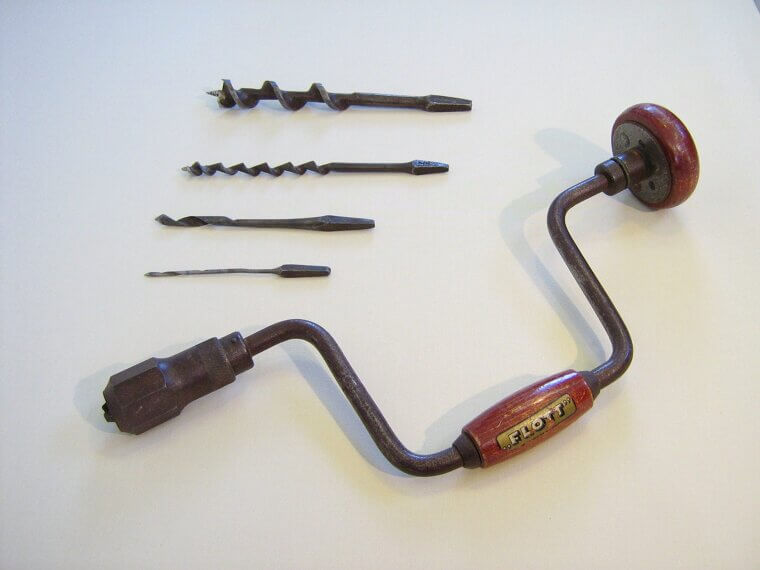
The sweep — that wide arc of the brace — gave the user serious torque. Modern cordless drills are faster, but they can't match the control a skilled hand brace operator had on deep holes through hardwood.
Wooden Handled Chisels in Every Size
Every 1960s workshop had a set of wooden-handled chisels hanging in a neat row, usually graduated from a quarter inch up to an inch and a half. The handles were often beech or boxwood, slightly dented from mallet strikes but never cracked. What made them special wasn't the steel — it was the sharpening ritual behind them. A man who kept his chisels sharp was a man who took the whole thing seriously. Sets in good shape run $30 to $80 today.
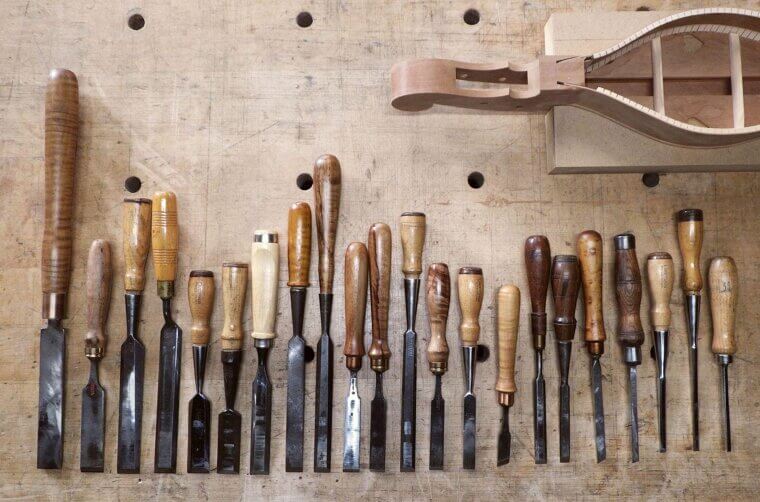
Brands like Marples and Buck Brothers are the names collectors look for. A full matched set in the original wooden box? That's a find worth stopping the car for at any yard sale.
Stanley Planes Lining the Pegboard
Stanley planes lined up on a pegboard was a sight that meant the owner knew what they were doing. The No. 4 smoother, the No. 5 jack, the No. 7 jointer — each had a specific job, and a well-equipped shop had all of them. Stanley's pre-war planes are legendary, but the 1960s versions are genuinely excellent tools that get undervalued because they're not as old. A clean Stanley No. 4 from that era runs $40 to $90. The No. 7 jointer? Closer to $80 to $150.
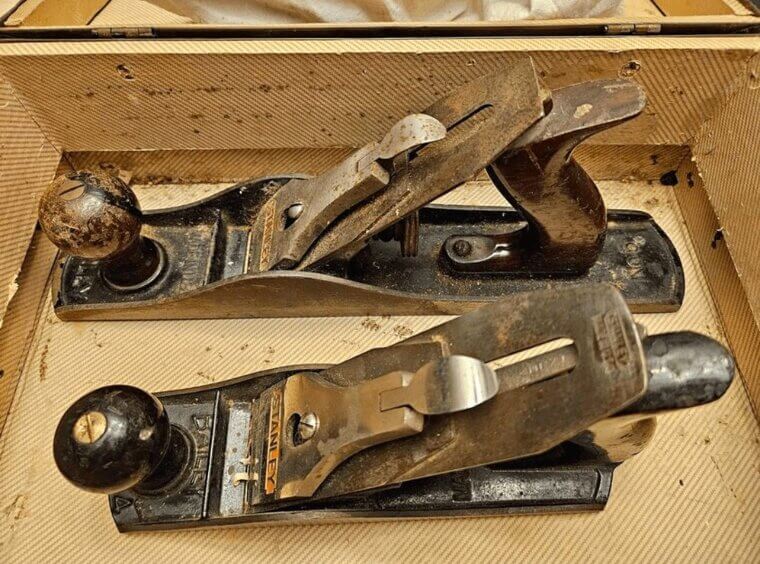
The secret to any vintage Stanley plane is the cap iron and chipbreaker setup. Tune it correctly and even a modest plane will produce glassy surfaces. Most people who give up on old planes simply haven't tuned them properly.
The Trusty Crosscut Handsaw
The crosscut handsaw hung on the wall like a trophy. Eight or ten points per inch, a handle shaped to fit the human grip after decades of refinement, and a blade that would sing if you flicked it. Before circular saws became affordable household items, this was how lumber got cut — every single time. Disston was the gold-standard American brand, and a clean Disston D-8 from the 1960s can still command $40 to $90 among woodworking enthusiasts who know what they're looking at.
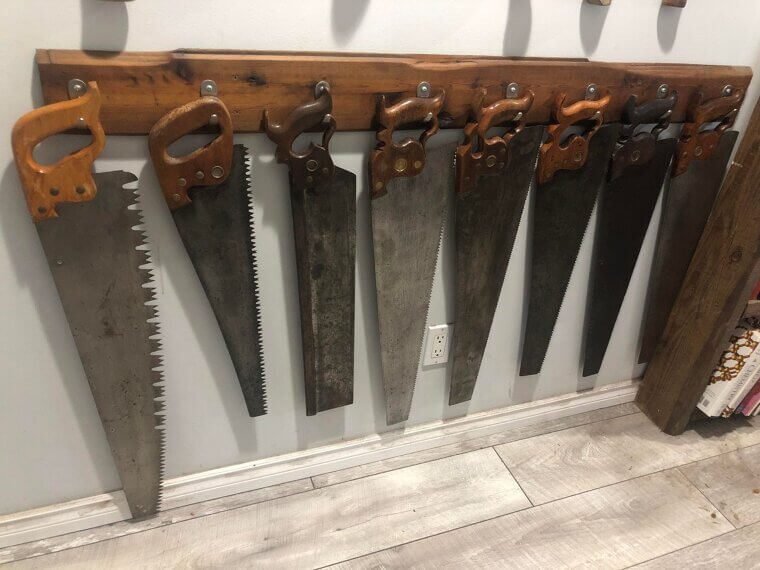
The taper-ground blade was a genuine engineering achievement — thinner at the top than the teeth, which meant less binding in the cut. Simple, brilliant, and completely forgotten by most people under 50.
Push Drills for Quick Pilot Holes
The push drill looked almost like a toy — a short, fat handle with a spiral shaft that spun a tiny bit when you pressed straight down. Its whole purpose was punching quick pilot holes before driving screws, and it did that one job brilliantly. Workshop veterans kept them in an apron pocket. The bits stored right inside the hollow handle, which felt like a magic trick the first time you saw it. Clean examples with their original bit sets sell for $15 to $45.
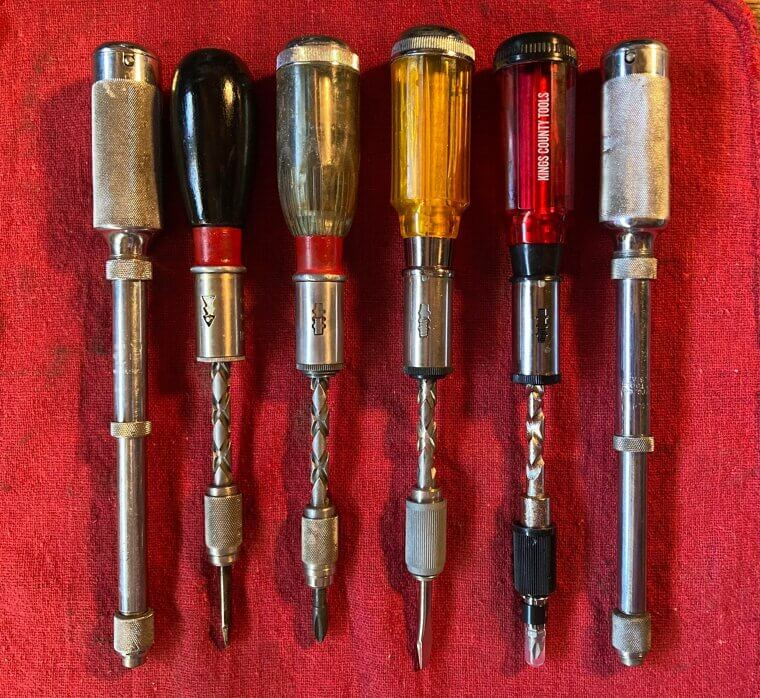
North Brothers made the most famous version under the Yankee brand name. The mechanism is so satisfying to operate that people still buy them just to fidget with — no actual woodworking required.
The Classic Egg Beater Drill
Would you pay good money for a drill that looks exactly like a kitchen egg beater? Apparently, yes — and for good reason. The egg beater drill, with its side-mounted gear wheel and two-jaw chuck, gave the home woodworker a fast, controllable way to bore small holes without the heavy commitment of a brace and bit. It was light, precise, and satisfying to use. Millers Falls and Goodell-Pratt made the finest examples. A clean one today sits comfortably in the $25 to $70 range.
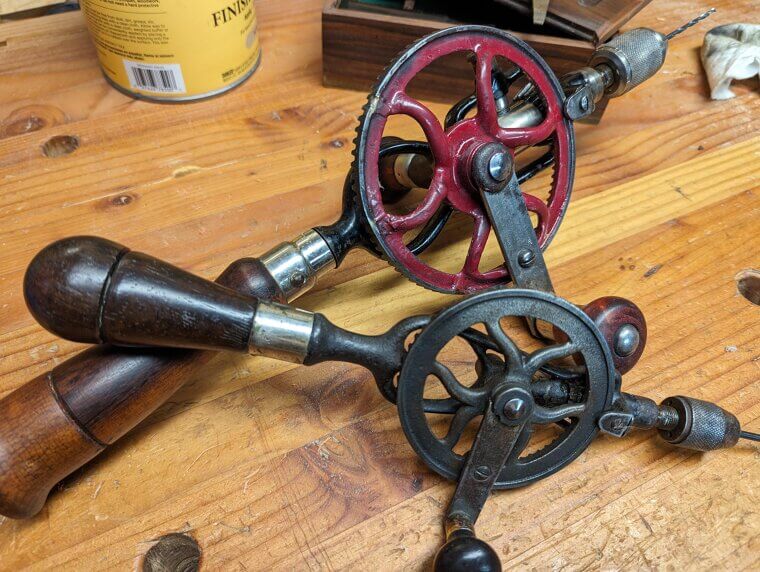
The gear ratio on better models was high enough to spin the bit surprisingly fast. Held properly with the top handle braced against your palm, it felt almost effortless — which is exactly why it stayed in workshops for nearly a century.
Wooden Mallet for Gentle Persuasion
The wooden mallet was never glamorous. It sat in the corner, got grabbed, used hard, and put back without ceremony. But its job was critical — driving chisels without mushrooming the handles, tapping joints together without bruising the wood. The round lignum vitae head was the premium choice; beech was the practical one. What's interesting is how many of these survived in perfect condition simply because they're indestructible. A good mallet today costs $15 to $40, though lignum vitae examples push higher.
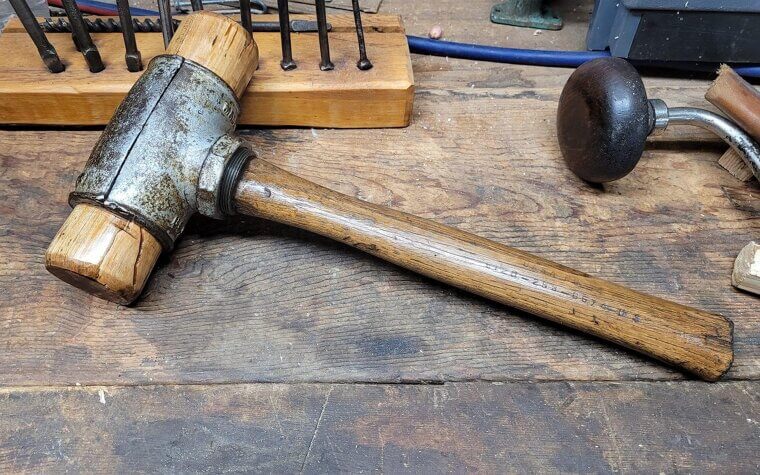
Lignum vitae — the wood used in the finest mallets — is so dense it sinks in water. Workshops that had one usually kept it for decades. Some are still swinging today, completely unchanged from the day they were made.
The Drawknife for Shaping Timber
The drawknife is one of those tools that looks slightly dangerous, and that's because it is — a long blade with a handle at each end, pulled toward you to peel wood in long, satisfying strokes. Green woodworkers used them constantly for shaping chair legs and tool handles. In the 1960s home shop, it was the fastest way to rough out a curved shape before refining it. Today, a clean vintage drawknife with solid handles sells for $30 to $80, and the market has been quietly climbing.
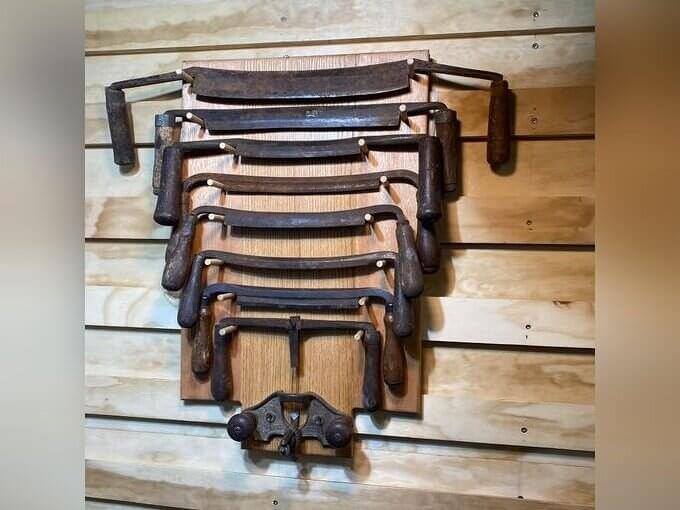
Using a drawknife well is a skill that takes about ten minutes to learn and a lifetime to master. The bevel angle, the grain direction, the pressure — every variable matters. Get it right and the shavings curl off like ribbon.
Marking Gauges for Perfect Lines
Marking gauges look deceptively simple — a wooden beam, a sliding fence, a sharp pin or wheel on the end. But in skilled hands, they were the difference between joinery that fit perfectly and joinery that didn't. The workshop dad of the 1960s used his marking gauge constantly: setting out mortises, marking tenon cheeks, scribing lines parallel to an edge. Stanley made excellent ones, as did Record. Collectors pay $10 to $35 for clean examples, more for the wheel-cutter versions with rosewood bodies.
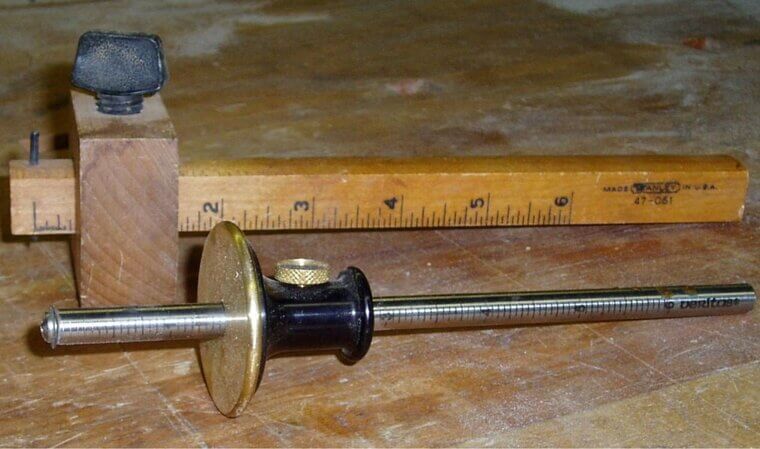
The trick was always in the fence — how tight it locked, how smoothly it slid. A loose fence made the gauge useless. A tight one made it the most-reached-for tool on the bench, every single session.
The Spoke Shave for Curved Wood
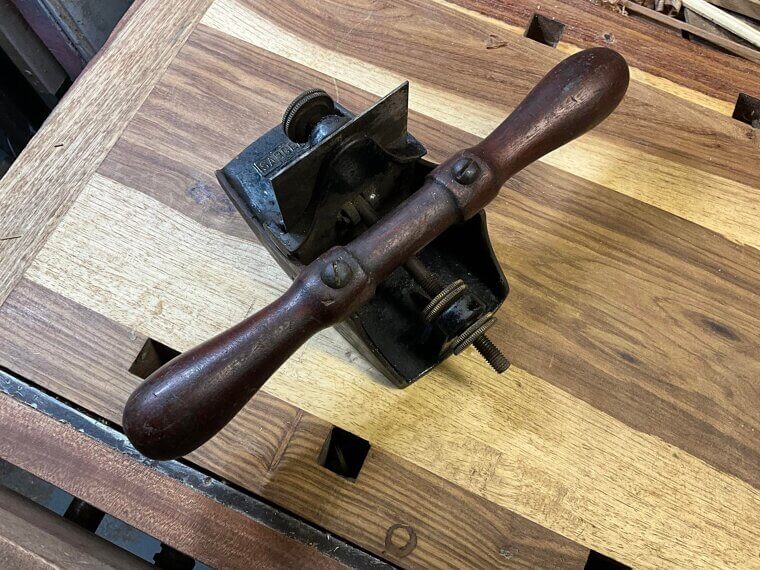
Most people have never heard of a spoke shave, which is exactly why they keep getting overlooked at estate sales. It's a small, two-handled plane designed to smooth curved surfaces — chair legs, tool handles, anything with a consistent curve that a flat plane can't follow. Blacksmiths originally made them for wheelwrights shaping wheel spokes, hence the name. By the 1960s they were a staple of any serious home shop. A vintage Stanley or Preston spoke shave in good shape runs $20 to $55.
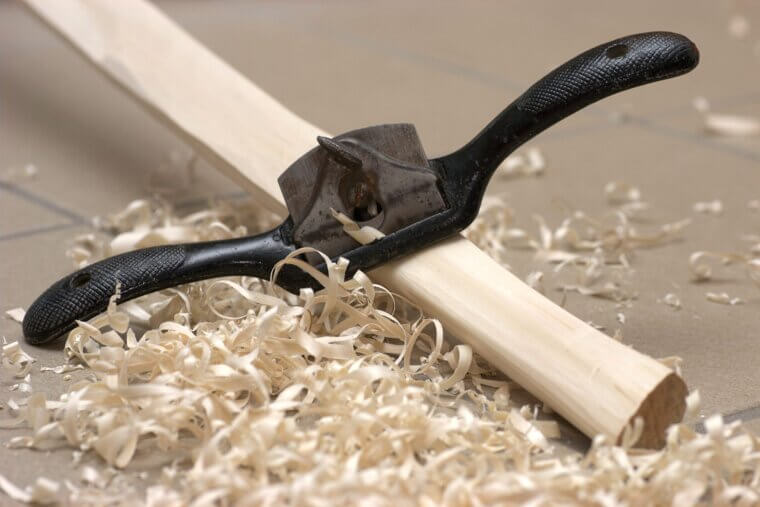
The adjustment on a well-tuned spoke shave is remarkably fine. Push it along a curved surface and it takes gossamer-thin shavings, leaving wood that barely needs sanding. It's a tool that rewards patience immediately.
The Yankee Screwdriver With a Spiral Ratchet
Test the Yankee screwdriver once and you understand immediately why it dominated workshops for decades. Push down on the handle and the spiral ratchet mechanism spins the bit — fast, smooth, and completely without electricity. North Brothers of Philadelphia invented the design, and Stanley eventually acquired the brand. The largest models could drive a screw in seconds. A complete Yankee with its original bits in the handle sells for $35 to $90 today, and prices have been trending upward as woodworkers rediscover them.
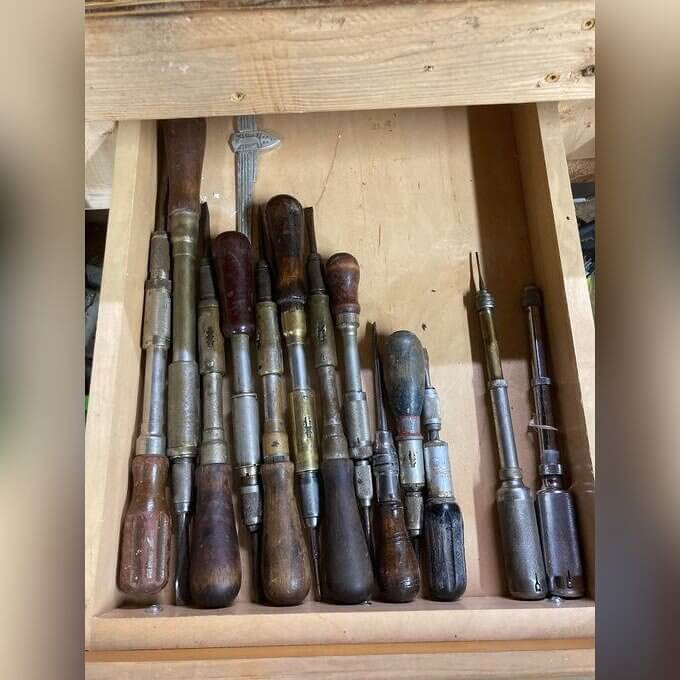
The mechanism works in both directions — push to drive, pull to reverse — making it genuinely efficient for production work. Cabinet makers in the 1960s kept one on the bench constantly. Some swore they were faster than early electric drivers.
Tin Snips for Cutting Sheet Metal
Tin snips hung in every workshop that ever touched sheet metal, and in the 1960s that meant most of them — ductwork, flashing, repair work, hobby projects. The compound-action versions were the ones worth keeping: they multiplied your grip strength through a clever linkage, letting you cut heavy-gauge steel without destroying your hand. Wiss made the finest American tin snips of the era. A clean pair today fetches $15 to $40, though aviation snips — the left-cut, right-cut, straight trio — run higher as a complete set.
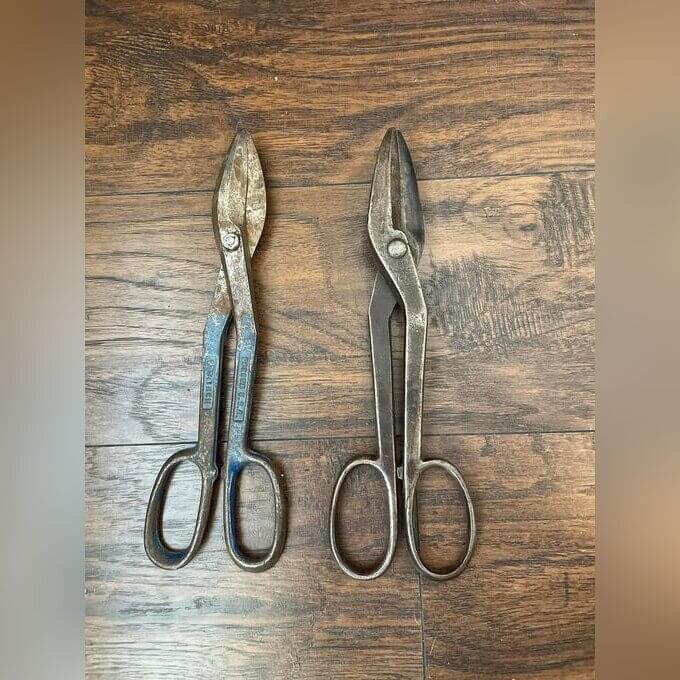
The color coding on aviation snips — red for left, green for right, yellow for straight — was introduced in the mid-20th century and became universal. It's one of the most intuitive tool-identification systems ever devised, and it's still in use today.
The Coping Saw for Tight Curves
The coping saw is essentially a very thin blade stretched across a C-shaped frame, and it can cut curves that would stop any other handsaw cold. In the 1960s workshop it handled everything from scroll work to cutting coped joints in baseboard molding — the technique that gives the tool its name. Blades were cheap and replaceable, which made the saw economical for decades. A vintage coping saw with a quality frame sells for $10 to $30, though the real value is in learning to use one properly.
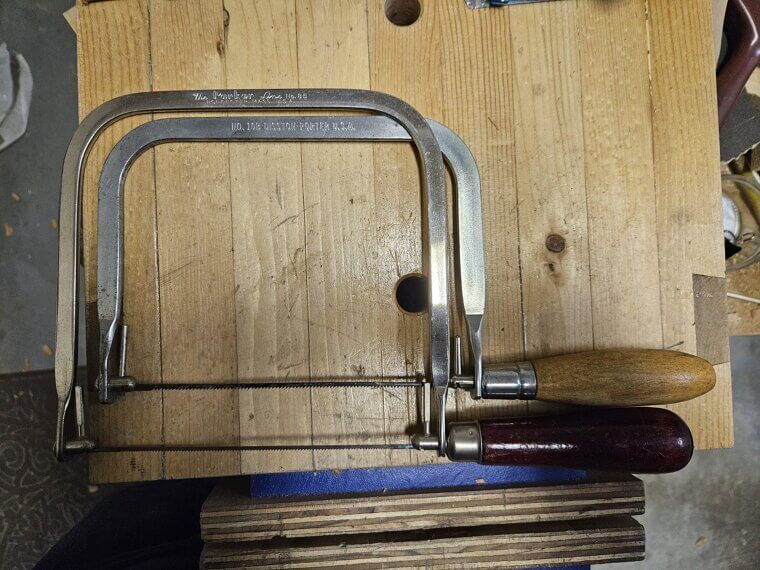
The blade can be rotated in the frame, which lets you follow a curve in any direction without repositioning the workpiece. It's a feature so clever that the design hasn't changed meaningfully in over a hundred years.
Rasps and Files Hung on the Wall
$150. That's what a complete matched set of vintage Nicholson rasps and files in their original wrapping can bring today — which would have stunned the guy who originally paid a dollar apiece for them. Rasps and files hung on the wall in graduated order were a sign of a serious shop. Half-round, flat, round, bastard-cut, second-cut, smooth — each had a purpose. Rasps shaped wood quickly; files refined metal. The difference between a cheap file and a good one was immediately obvious the first time you used both.
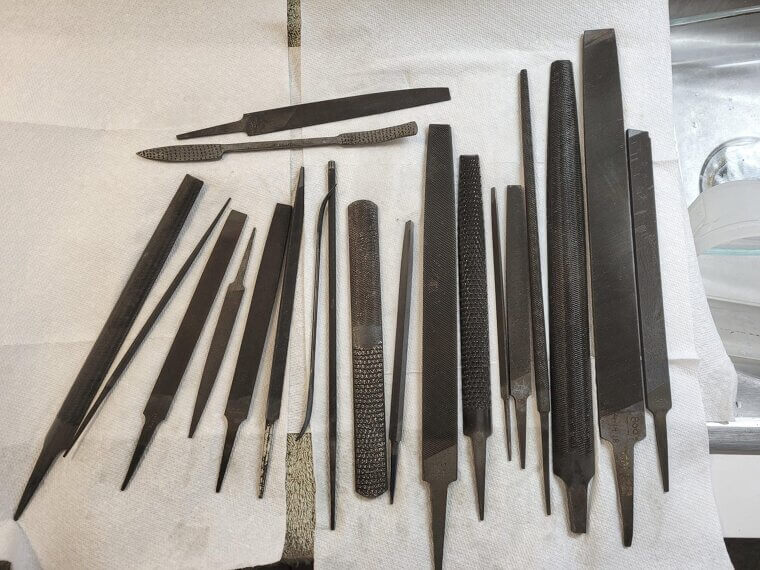
Hand-stitched rasps — where each tooth is individually punched by a craftsman — are experiencing a genuine revival. French makers like Auriou and Liogier never stopped making them. A single good hand-stitched rasp today costs more than a whole 1960s set.
The Combination Square for Accuracy
The combination square did the work of three separate tools: it measured, it checked 90-degree angles, and it checked 45-degree angles, all with one instrument. The bubble level built into the handle was a bonus. Starrett made the finest American combination squares, and a clean vintage Starrett from the 1960s is worth $60 to $150 today depending on condition. The blade has to be straight — check it against a known flat surface — and the head has to lock firmly. Those two things determine everything.
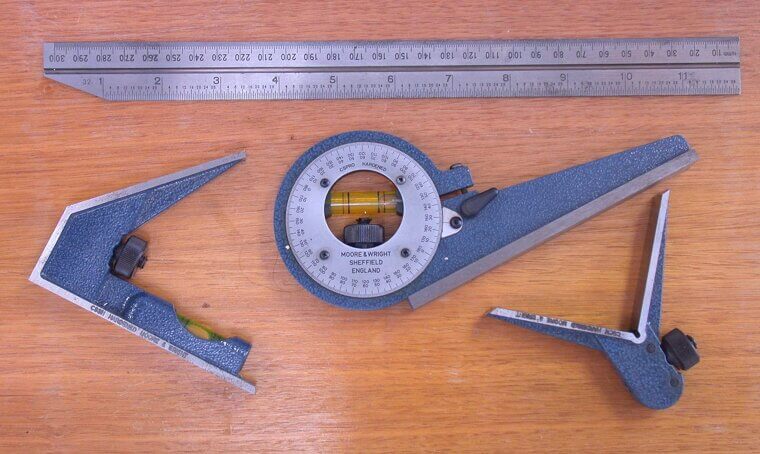
A Starrett combination square was the kind of tool a serious craftsman bought once and kept for life. The engraved graduations never wore off, the blade never warped, and the locking mechanism never loosened. Fifty years later, it still outperforms most of what's sold new today.
The Breast Drill for Heavy Boring
Here's one most people have never seen: the breast drill, a heavy boring tool with a curved chest plate at the top so you could lean your whole body weight into the cut. It was the solution for drilling large holes through thick timber when a hand brace didn't have enough leverage. Millers Falls made excellent ones with multiple gear speeds. The breast drill disappeared from workshops almost overnight when electric drills became affordable. A clean example today sells for $40 to $100 — and jaw-dropping to think they were nearly thrown away.
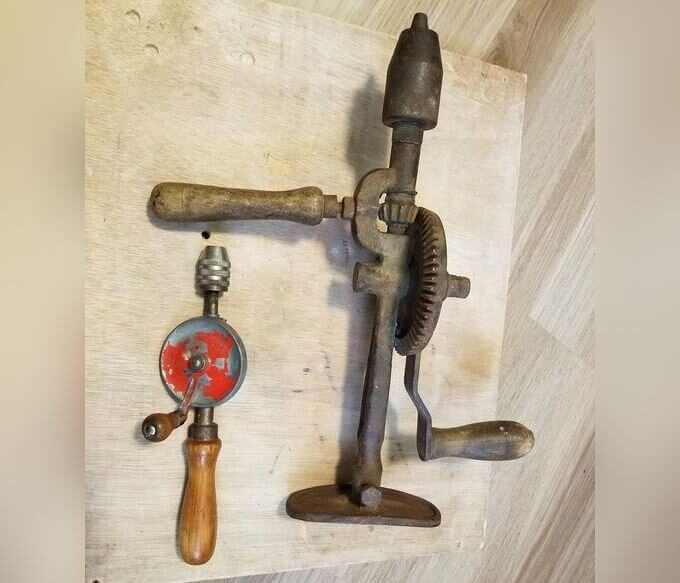
The two-speed gearing on better breast drills was a genuine engineering achievement for a hand tool. Low gear for large bits, high gear for small ones. The chest plate could be padded with leather for comfort during long boring sessions.
Folding Wooden Rules Instead of Tape
Folding wooden rules were the measuring tool of the 1960s workshop — not tape measures. The classic six-foot zigzag rule, usually made of boxwood with brass fittings, unfolded in sections and held its shape at any length without drooping. Stanley and Lufkin made the most common ones. What's remarkable is the precision: good wooden rules were accurate to a sixty-fourth of an inch. A clean vintage folding rule sells for $15 to $45 today, but a rare ivory-tipped example with a sliding extension brass rule? That's a $200 find.
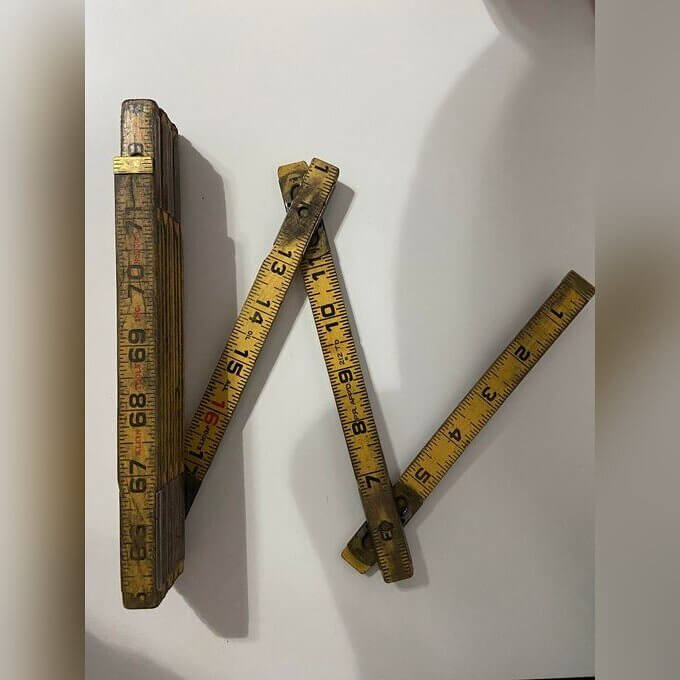
The sliding brass extension built into some folding rules let you measure inside dimensions — the width of a cabinet opening, the depth of a mortise — without doing subtraction. It's a feature so useful that modern tape measures eventually copied it.
The Scratch Awl for Starting Screws
You've probably walked past one without knowing what it was. The scratch awl — a steel spike with a wooden handle — sat in every workshop drawer, used constantly and almost never noticed. Its jobs were simple: mark a starting point so a drill bit wouldn't wander, score a line across wood grain, or punch a hole through thin material. The best ones had octagonal handles that wouldn't roll off the bench. A vintage scratch awl costs almost nothing — $5 to $15 — which is probably why they're still everywhere.
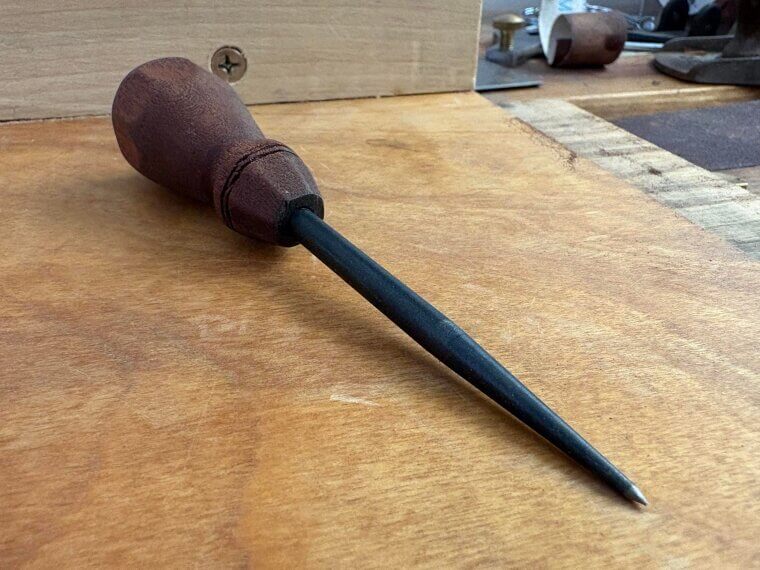
The scratch awl is one of those tools where the quality difference between cheap and good is immediately obvious in the hand. A well-balanced one with a sharp point becomes a natural extension of your finger. A bad one is just a spike with a handle.
Card Scrapers for Ultra Smooth Finishes
Card scrapers look like a piece of thin sheet metal, because that's exactly what they are. A rectangle of high-carbon steel, maybe three inches by five, with a tiny hook burnished onto the edge. That hook — barely visible to the naked eye — is what cuts. Pushed across wood with thumbs flexing the blade slightly, it removes gossamer-thin shavings and leaves a surface that sandpaper can't match. Furniture makers in the 1960s used them constantly on figured wood where a plane would tear. A set of good scrapers runs $20 to $50.
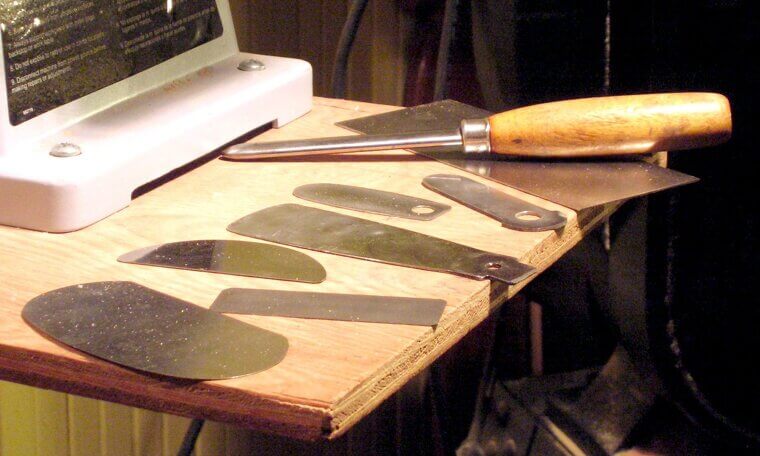
The hardest part of using a card scraper is sharpening one correctly. The edge must be perfectly square, then a burnisher rolls that microscopic hook. Done right, it works like magic. Done wrong, it just scratches. Most people give up too early.
The Rabbet Plane for Joinery Work
The rabbet plane — sometimes spelled rebate — cut a stepped recess along the edge of a board, the kind of joint that lets a cabinet back panel sit flush, or a door fit into a frame. It was essential joinery work that couldn't be faked. The blade ran the full width of the plane's body, right to the edge, which is what made it different from a regular bench plane. Stanley's No. 78 was the most popular version. A clean No. 78 today fetches $45 to $110, and complete sets with the fence and depth stop push higher.
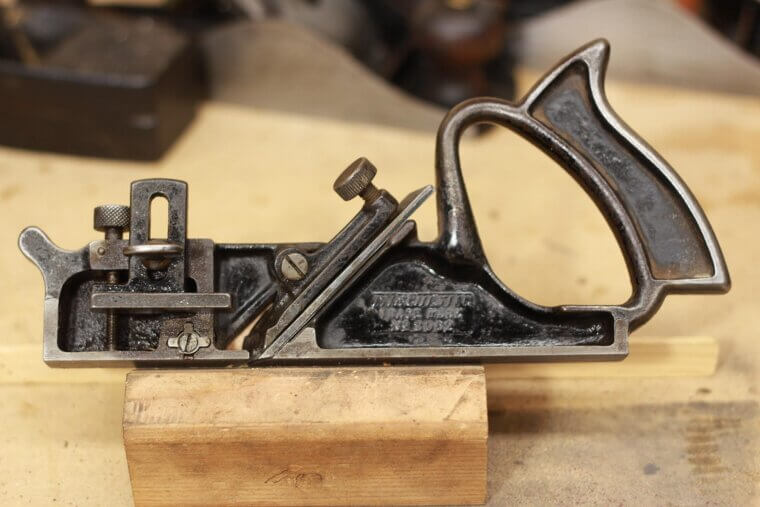
The depth stop on the Stanley No. 78 was the feature that made it practical for production work — set it once and every rabbet came out identical. Without it, you were measuring constantly. With it, you were just planing.
The Hacksaw With a Wooden Handle
Most hacksaws today have plastic handles. The ones from the 1960s had turned wooden handles — usually beech or maple — that fit the hand completely differently. Better, actually. The wooden handle absorbed vibration, gave a more secure grip, and didn't get slippery. The frame was heavy steel, tensioned with a wing nut at the back. These saws were built to last decades, and most of them did. A vintage hacksaw with an intact wooden handle sells for $20 to $55, which feels like almost nothing for something so well-made.
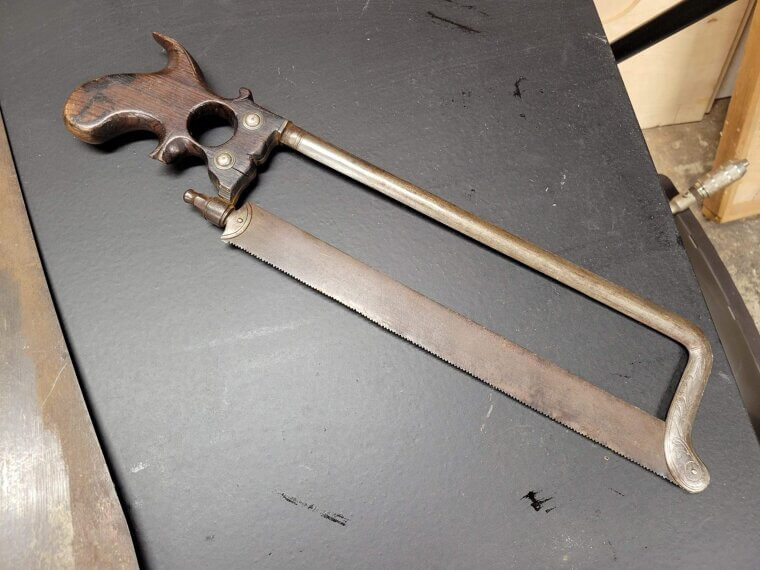
Blade tension was everything with a hacksaw — too loose and the blade wandered, too tight and it snapped. The experienced workshop owner knew the right tension by feel, tightening the wing nut until the blade rang like a tuning fork when flicked.
Nail Sets for Flush Finishing
Nail sets are so small and so cheap that they almost don't deserve a slide — except that no finish carpentry was possible without them. The nail set drove a finishing nail below the wood surface so the hole could be filled and the nail would never show. Simple concept, but the quality mattered: a cheap nail set would slip off the nail head and dent the wood. A good one, properly cupped at the tip, sat perfectly on the nail every time. A set of three vintage nail sets runs $8 to $20. They last forever.
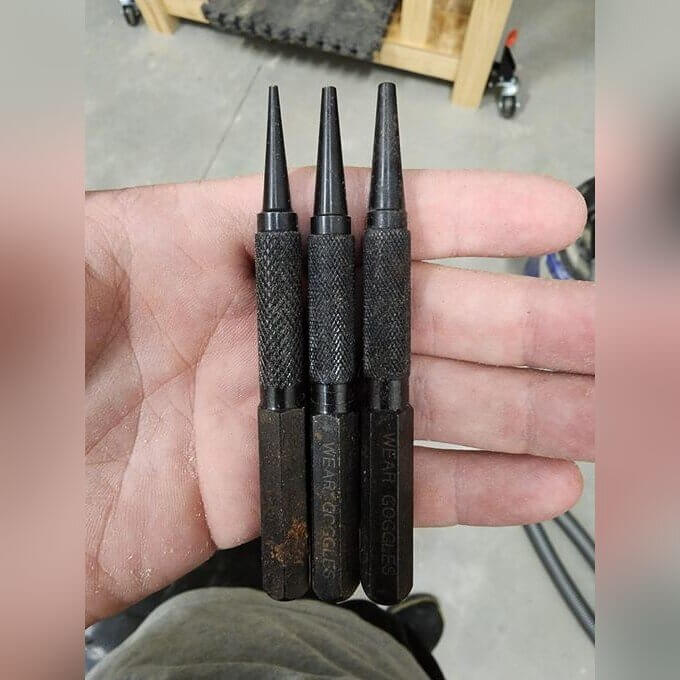
The three-set — 1/32, 2/32, and 3/32 inch — covered every finishing nail size a home workshop would encounter. The 2/32 did about 80% of the work. The others sat in the drawer waiting for the rare occasions they were needed.
The Bevel Gauge for Angled Cuts
The bevel gauge — also called a sliding T-bevel — is the tool that transfers an angle from one place to another without you ever knowing what the angle actually is. Set it against the reference angle, lock the blade, carry it to the workpiece. Perfect every time. Dovetail joints, compound cuts, stair stringers — any angle that wasn't 90 degrees needed a bevel gauge. Vintage examples with rosewood handles and brass fittings are genuinely beautiful objects. A quality one today sells for $25 to $75, with premium examples pushing $120.
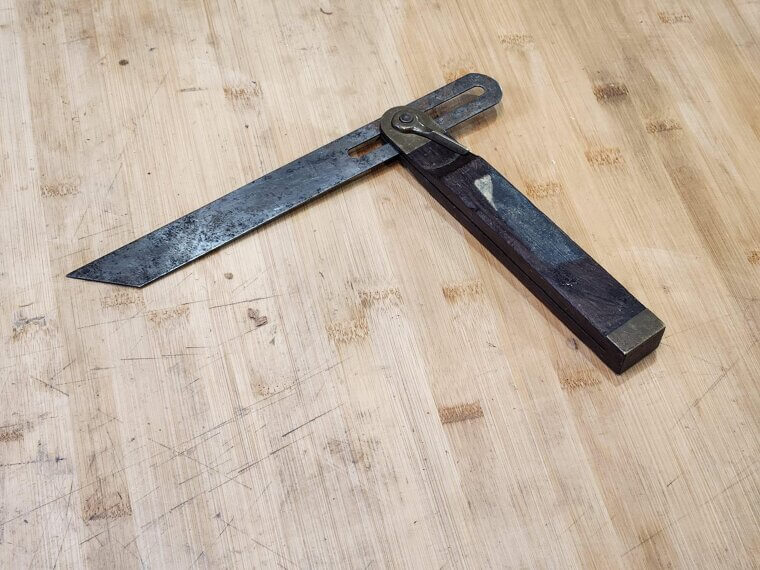
The locking mechanism is the critical detail. A bevel gauge that slips even slightly mid-transfer ruins the whole operation. The best vintage examples lock with a friction fit so secure you can shake the tool and nothing moves. That precision is why collectors pay a premium.
The Countersink Bit for Clean Screws
Here's a tool that solved a problem most people don't realize exists: when you drive a wood screw, the head sits proud of the surface unless you countersink a tapered recess for it first. The countersink bit cut that recess. In the 1960s workshop, it was used on virtually every screwed joint — furniture, cabinets, trim work, anything where a flush or slightly recessed screw head mattered. Rose-head countersinks were the standard. A clean vintage set sells for $15 to $40, and combination countersink-pilot bits push a bit higher.
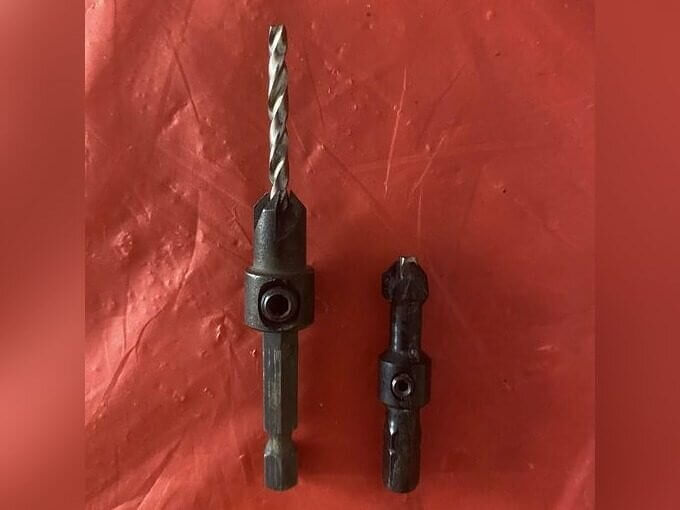
The combination bit — pilot hole, countersink, and counterbore all in one — was the clever evolution. One pass of the drill did everything needed for a perfectly seated flathead screw. It's still the most efficient approach to the problem, sixty years later.
The Plumb Bob for True Vertical Lines
Imagine a brass teardrop hanging from a string, swinging to a perfect still point directly below wherever it was suspended. That's the plumb bob — one of the oldest tools in human history, completely unchanged in principle since ancient Egypt. The 1960s home workshop version was usually solid brass, pointed at the bottom, with a string wound around a reel at the top. It told you where vertical was, absolutely and without argument. A vintage brass plumb bob today sells for $15 to $60, with rare heavy examples in presentation cases reaching $150.
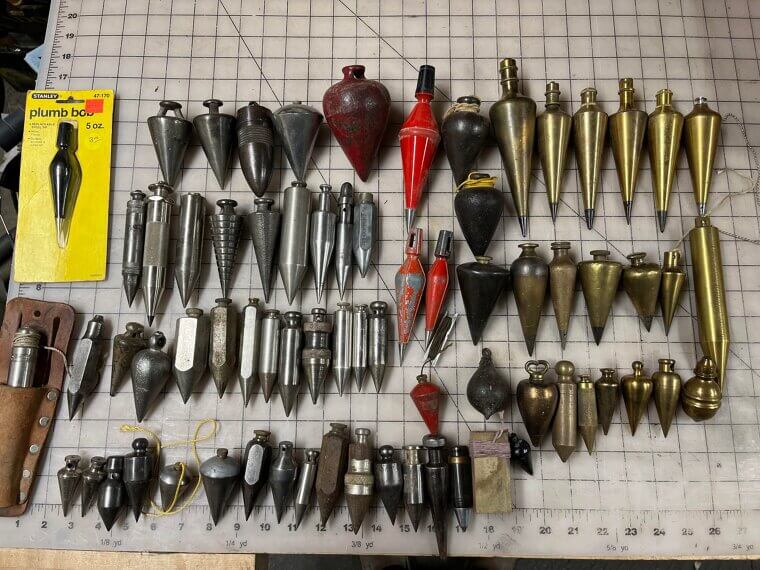
Plumb bobs were made in wildly different weights for different applications — a light one for interior work, a heavy one for outdoor use where wind could affect accuracy. Some old-timers kept several. The heavier the bob, the steadier the reading.
Cabinet Scrapers Kept in a Tin Can
Cabinet scrapers lived in a tin can on the workbench shelf — a collection of steel rectangles in various shapes, some flat, some curved, some with notched profiles for moldings. The curved ones handled chair seats and carved surfaces. The profiled ones followed specific molding shapes. Most workshops had a dozen or more, accumulated over years. Today the whole tin-can collection might sell for $30 at an estate sale, which is remarkable given that a single good Lie-Nielsen scraper costs $30 new. Vintage ones work just as well if properly sharpened.
The gooseneck scraper — with its S-curved profile — was the most versatile of the shaped scrapers, able to reach into concave curves that no other tool could follow cleanly. Finding one in good condition in an old workshop tin is a genuine small treasure.
The Tenon Saw for Fine Joinery
The tenon saw — a short, stiff-backed handsaw with fine teeth — was the precision instrument of the 1960s workshop. The brass or steel back kept the blade from flexing, which meant every cut was straight and controlled. It was used almost exclusively for joinery: cutting tenons, trimming dovetails, starting joints that would be finished with a chisel. Disston and Spear & Jackson made excellent ones. A clean vintage tenon saw today sells for $30 to $80, and a matched pair of tenon and dovetail saws together pushes $150.
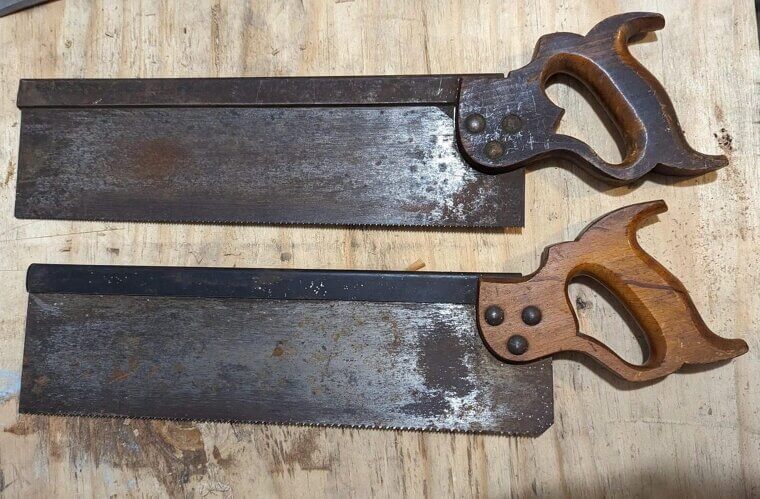
The tooth count on a tenon saw was a deliberate choice — coarser for ripping tenon cheeks with the grain, finer for crosscutting shoulders. Some workshops had two tenon saws for exactly this reason. The difference in cut quality was immediately visible.
Wooden Clamps Clamped to the Workbench
Wooden handscrew clamps — the ones with two parallel wooden jaws connected by two wooden screws — were clamped to every available surface in a busy 1960s workshop. They were adjustable in ways that metal clamps weren't: the jaws could be angled to grip tapered work, and the wooden faces wouldn't mar a finished surface. They were also built from wood, by woodworkers, which gave them a kind of philosophical consistency. A matched set of six vintage wooden handscrews today sells for $60 to $150 depending on size and condition.
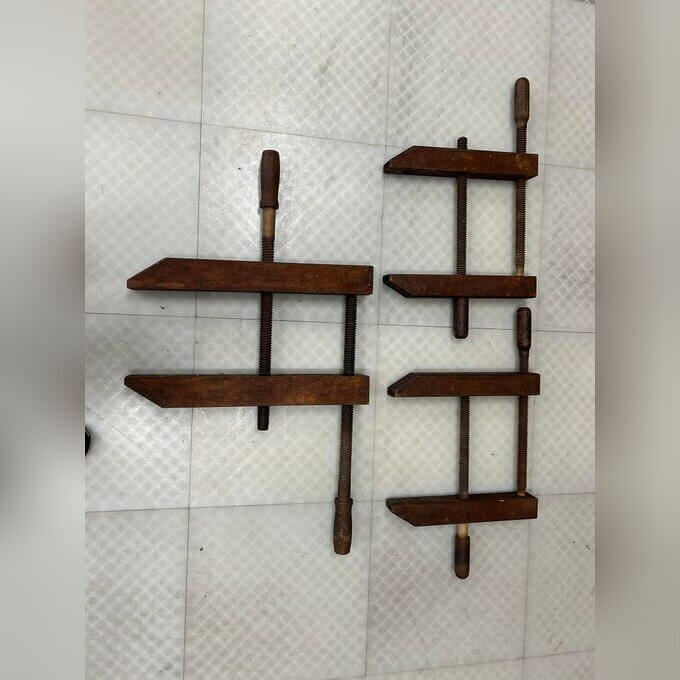
The trick to using wooden handscrews correctly is counterintuitive: adjust the front screw first to set the jaw angle, then tighten the rear screw to apply pressure. Most beginners do it backwards and wonder why the clamp won't grip. Old-timers knew instinctively.
The Burnisher for Sharpening Scrapers
The burnisher is the tool that makes the card scraper work — a hardened steel rod, usually round or triangular in cross-section, used to roll that critical microscopic hook onto the scraper's edge. Without a burnisher, a scraper is just a piece of flat steel. With one, properly used, it becomes a finishing instrument capable of replacing sandpaper entirely on flat surfaces. Most burnishers from the 1960s were simple affairs: a steel rod in a wooden handle. They sell for $10 to $30 today, completely overlooked by people who don't know what they're for.
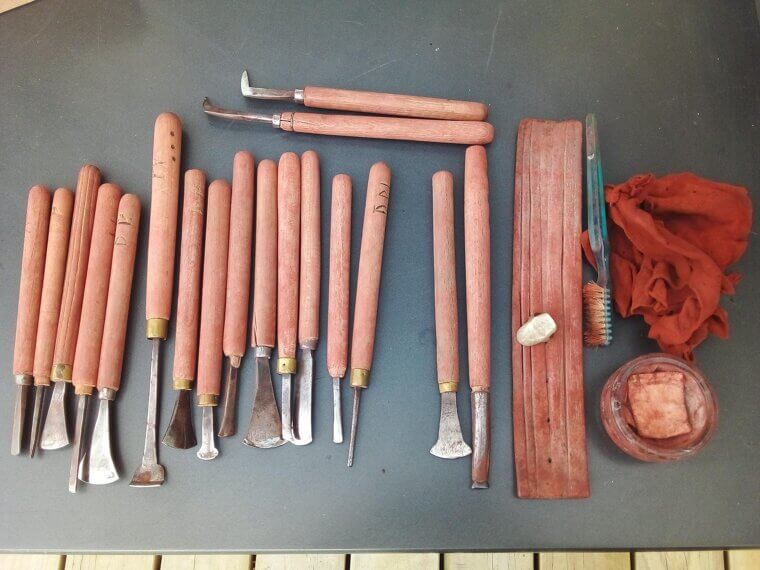
The technique matters enormously. Too much pressure and you roll the hook over completely, ruining the edge. Too little and you don't form the hook at all. The right pressure is somewhere in between — firm, consistent, and at a specific angle. It takes practice to feel.
The Bit Brace Extension for Deep Holes
Most people know the brace and bit. Fewer know the bit brace extension — a simple steel rod that threaded into the chuck and extended the reach of any bit by six or twelve inches, letting you bore deep holes through thick timber or reach into awkward spaces. It was a specialty item that hung forgotten at the back of the pegboard until the moment it was absolutely necessary, at which point it was indispensable. Clean vintage extensions with their original chuck fittings sell for $15 to $35 — genuinely undervalued given how useful they still are.
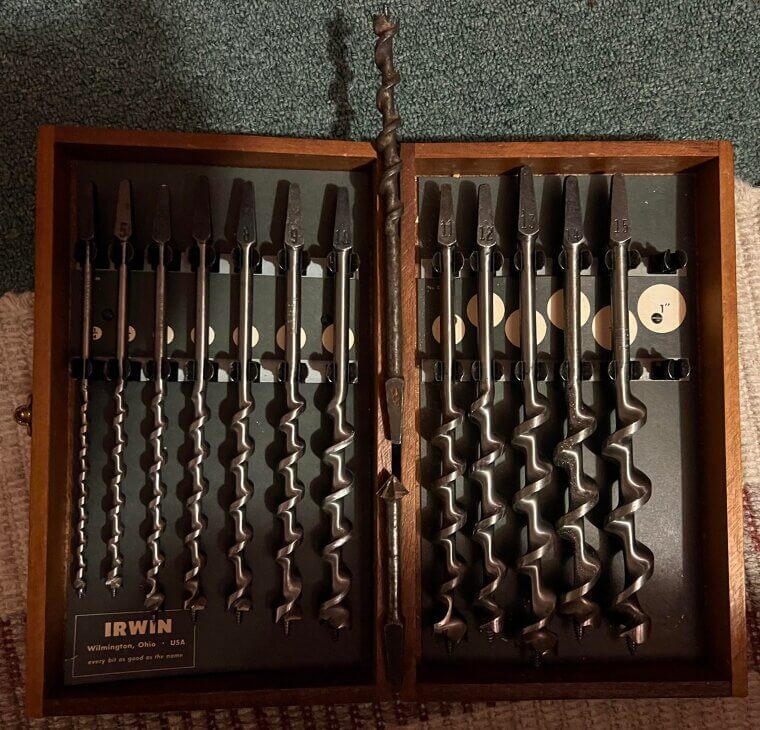
The extension also solved a geometry problem: when boring a hole in a tight corner where the brace couldn't complete a full sweep, the extension let you reposition the brace mid-bore. It was the kind of clever solution that came from decades of practical workshop experience.
The Oilstone for Keeping Edges Sharp
Every edge in the 1960s workshop eventually came back to the oilstone. A flat stone of Arkansas novaculite or man-made aluminum oxide, kept in a wooden box with a lid, moistened with a thin oil — this was how chisels, plane irons, and knives were kept sharp. The ritual was important: coarse side first to remove the wire edge, fine side to polish the bevel, strop on leather to finish. A workshop without a good oilstone was a workshop full of dull tools. Vintage Arkansas stones in their original boxes sell for $20 to $80.
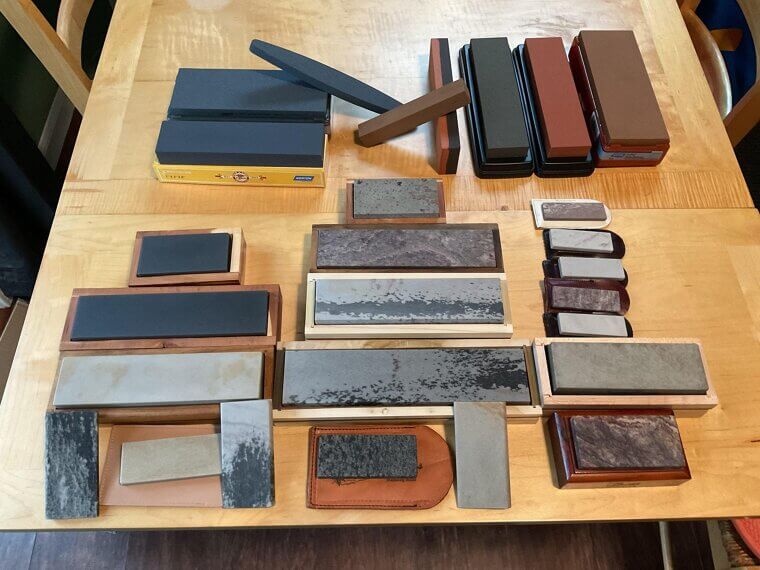
The quality of Arkansas stone varies enormously by grade — soft Arkansas for general sharpening, hard Arkansas for a polishing edge, and the rare translucent Arkansas for the finest possible finish. The translucent grade, properly used, puts an edge on steel that catches light like a mirror.
The Miter Box for Precise Angle Cuts
The miter box was the 1960s workshop's answer to the compound miter saw — a wooden or metal guide that held a backsaw at a precise angle while you cut. The basic wooden version cut 45 and 90 degrees. The better metal versions, made by Stanley and Record, had adjustable angle settings and hold-down clamps. They made picture frames, door casings, and crown molding possible without expensive machinery. A vintage metal miter box with its original backsaw in good condition sells for $45 to $120 — and they still work perfectly.
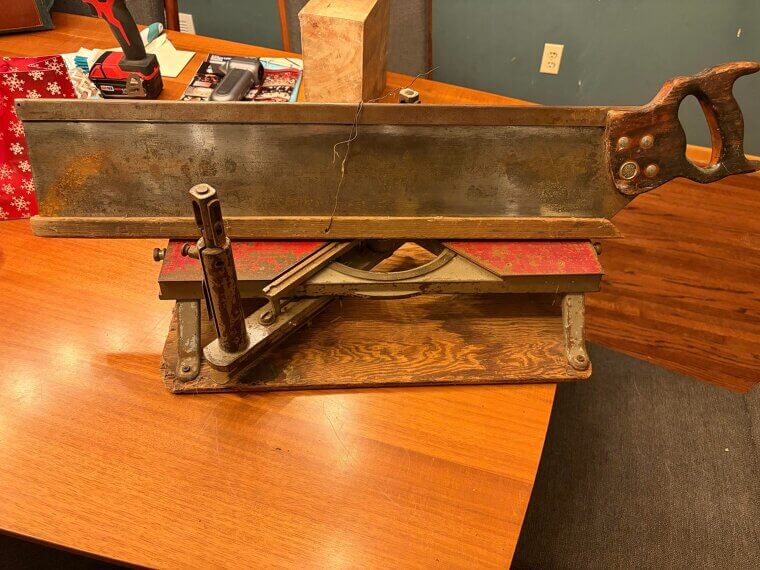
The wooden miter box was often shop-made, which meant every workshop had a slightly different version. Some had been refined over years — a nail here, a reinforcing strip there — until they were better than anything you could buy. Handmade tools improved by decades of use are their own category of treasure.
The Tack Hammer for Upholstery Work
The tack hammer was small, light, and completely specialized — one end a small magnetic face for starting upholstery tacks without smashing your fingers, the other end a wider face for driving them home. In the 1960s, home upholstery was a genuine hobby. People reupholstered chairs, made headboards, built padded window seats. The tack hammer was essential equipment. A clean vintage tack hammer with a magnetic face sells for $15 to $40 today, which seems almost too cheap for something that enabled an entire category of home craft.
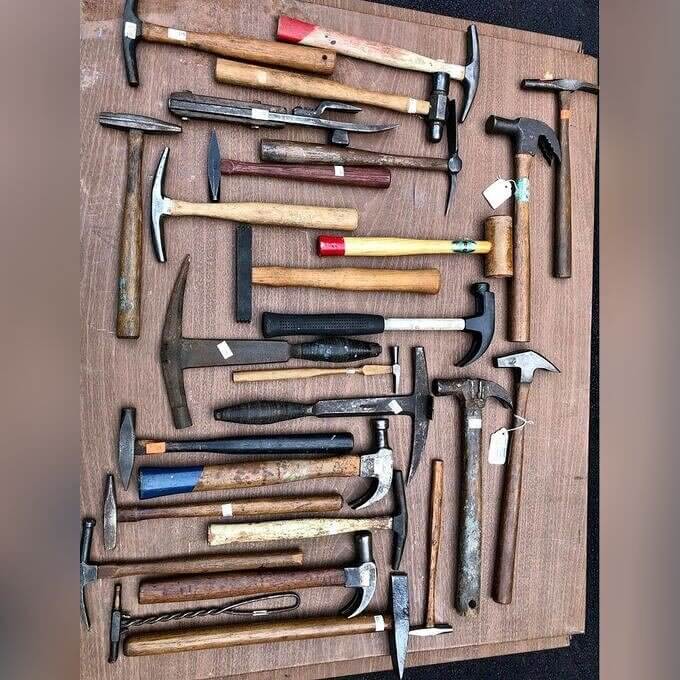
The magnetic face was the clever part — hold a tack against it, position it on the fabric, tap once to set it, then flip the hammer and drive it home with the plain face. No fumbling, no dropped tacks, no punctured fingers. Simple and brilliant in equal measure.
The Try Square for Checking Right Angles
This might be the most fundamental tool in the entire workshop, and also the most abused: the try square, used to check that two surfaces meet at a true 90-degree angle. Every joint, every cut, every assembled piece got checked with the try square. The problem was that a dropped try square was a ruined try square — the impact could knock it out of true, and from that point on it lied to you constantly. Starrett made the finest ones. A vintage Starrett try square in verified true condition sells for $40 to $120. Worth every cent.
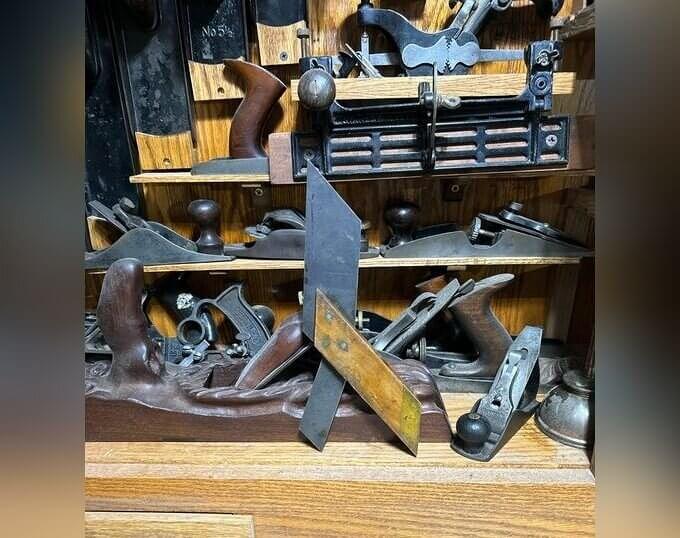
The insidious thing about a try square that's out of true: every single thing you build with it is slightly wrong, and you never know why. Joints that almost close. Frames that almost sit flat. A bad square doesn't announce itself — it just quietly ruins your work, one project at a time.
The Workbench Vise Bolted to the Table
$400. That's what a quality vintage Record or Emmert patternmaker's vise bolted to a 1960s workbench can bring today — and the heavy cast-iron leg vises run even higher. The workbench vise was the anchor of the entire workshop, the thing that held the work while every other tool did its job. A good vise had a quick-release mechanism, a wooden face to protect the work, and enough jaw capacity to grip anything the shop produced. Without it, the whole workshop was just a collection of tools with nowhere to use them.
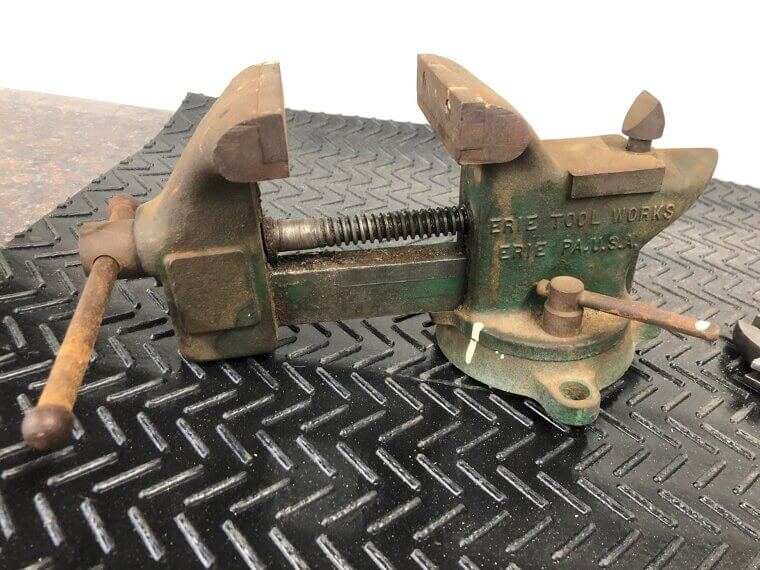
The patternmaker's vise — with its ability to tilt, swivel, and hold work at any angle — was the premium choice for serious shops. Finding one still bolted to an old workbench at an estate sale is the kind of discovery that makes the whole Saturday worthwhile. They don't make them like that anymore.