
Some trucks were built to haul lumber. Others were built to haul attention. The vintage pickups collectors obsess over today managed to do both — and now they're hauling serious money at auction. Here's what's driving the madness.
The 1955 Chevrolet Cameo Carrier
Chevrolet didn't just build a truck in 1955 — they built an argument. The Cameo Carrier arrived with a fiberglass flush-sided bed that made every other pickup look like it was dressed for a construction site. It was the first truly stylish American pickup, and Chevy knew it. Production was intentionally limited, which means finding a clean one today requires patience, cash, and a little luck.
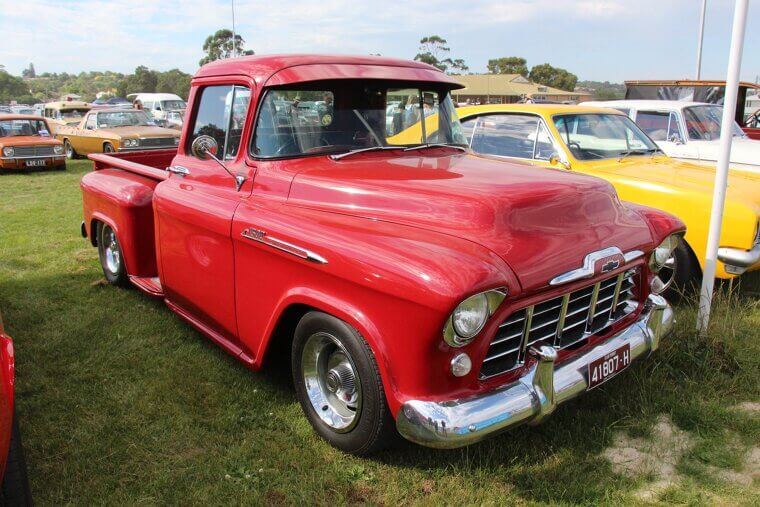
Collectors love the Cameo for its car-like styling and rarity. Restored examples regularly fetch $40,000–$60,000, with showroom-quality builds pushing well past that. A surprisingly accessible entry into serious collecting.
Ford F-100 From the 1950s
You've probably seen one rusting in a field and thought nothing of it. Big mistake. The 1950s Ford F-100 is one of the most universally beloved collector trucks on the planet, with a clean, wide-mouthed grille and proportions that still look right decades later. Early examples with original paint are increasingly rare. The resto-mod crowd has adopted them as a blank canvas, which keeps demand — and prices — climbing steadily.
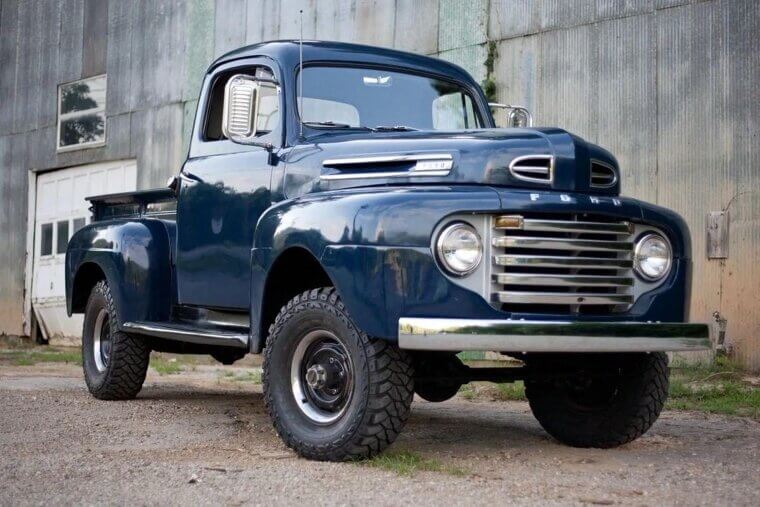
Stock restorations typically land between $25,000 and $45,000. Custom builds with modern drivetrains have cracked six figures more than once. The F-100 is the gateway drug of vintage truck collecting.
The Classic 1967 Chevrolet C10
Picture this: a dusty garage, a tarp pulled back, and underneath it — a straight-bodied 1967 C10 with original patina and a 283 still bolted in place. That's the dream. The '67 C10 sits in the sweet spot of the first-generation body style, clean enough for show use but tough enough to actually drive. The long bed Fleetside version is especially sought after, and matching-numbers examples are getting genuinely hard to find.
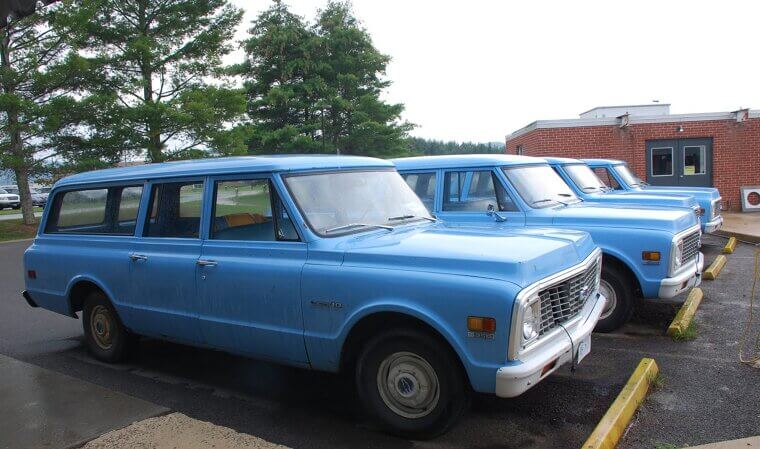
A solid driver-quality '67 C10 can still be found for under $20,000 — but not for long. Show-quality restorations have been selling in the $45,000–$70,000 range at major auctions.
Dodge Power Wagon Built for Work
The Dodge Power Wagon wasn't designed to look cool. It was designed to go places that would swallow other trucks whole. Built on military surplus bones from World War II, the civilian Power Wagon launched in 1945 and kept rolling in largely the same form for decades. Collectors love it precisely because it doesn't pretend to be anything it isn't — it's all function, and that honesty has aged incredibly well.
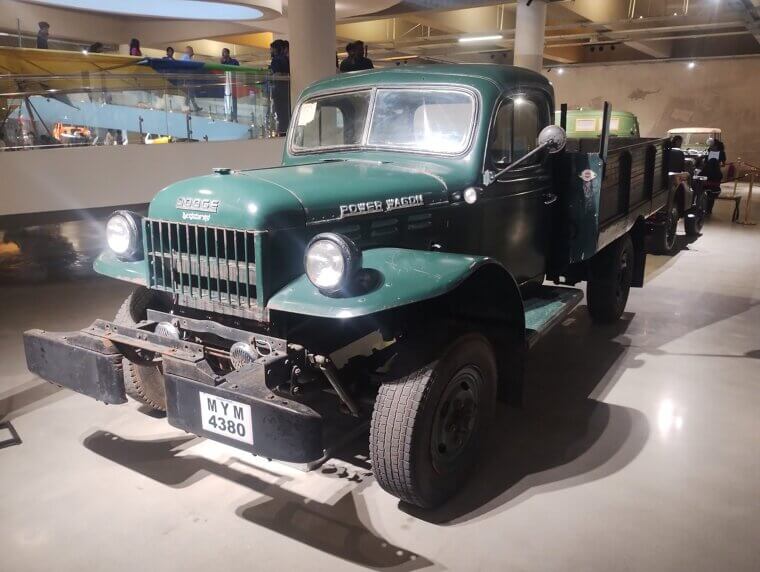
Early 1940s–1950s Power Wagons in working condition start around $30,000. Fully restored examples with original military-spec equipment regularly command $60,000 or more from serious off-road history enthusiasts.
The Stylish 1956 Ford F-100
Would you pay six figures for a pickup truck that's technically just a face-lifted version of the year before? When that truck is a 1956 Ford F-100, a lot of collectors would say yes. The '56 introduced a new two-tone paint option and a revised dashboard that gave it a more car-like feel inside. It's the kind of subtle refinement that separates a good model year from a great one — and the market has noticed.
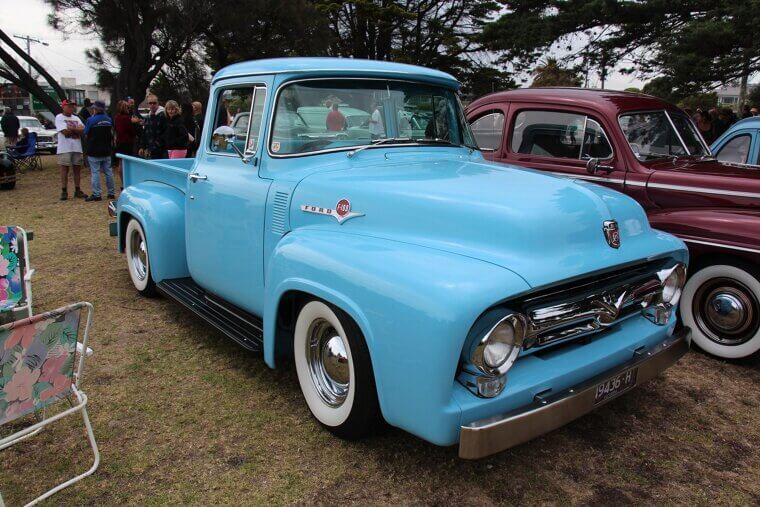
The '56 F-100 commands a slight premium over earlier models due to its styling updates. Expect to pay $35,000–$55,000 for a solid restoration, with top-tier custom builds easily doubling that.
GMC Stepside Trucks of the 1960s
The stepside bed — that narrow box with exposed rear fenders — was purely a styling choice by the 1960s. GMC leaned into it hard, and the result was a truck that looked like it belonged in a drive-in movie. The 1960s GMC Stepside trucks carried a slightly more premium positioning than their Chevy counterparts, with different trim levels and a distinct identity that collectors now specifically seek out. Badge snobbery, but make it vintage.
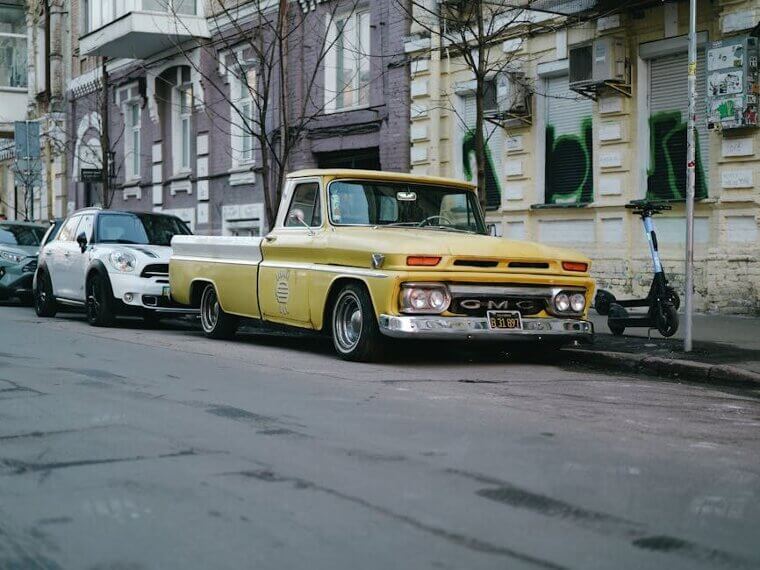
GMC Stepsides from this era often sell for a 10–15% premium over equivalent Chevy models simply due to lower production numbers. Clean examples hover between $28,000 and $50,000 depending on trim.
The Beloved 1972 Chevrolet Cheyenne
The 1972 Chevrolet Cheyenne was the last year of the long-running first-generation C/K body, and Chevy sent it off in style. The Cheyenne trim package added wood-grain dash inserts, extra chrome, and a level of interior comfort that felt genuinely luxurious for a truck of that era. Collectors hunting for the last of a generation often pay a premium — and the '72 Cheyenne has become exactly that kind of sentimental favorite.
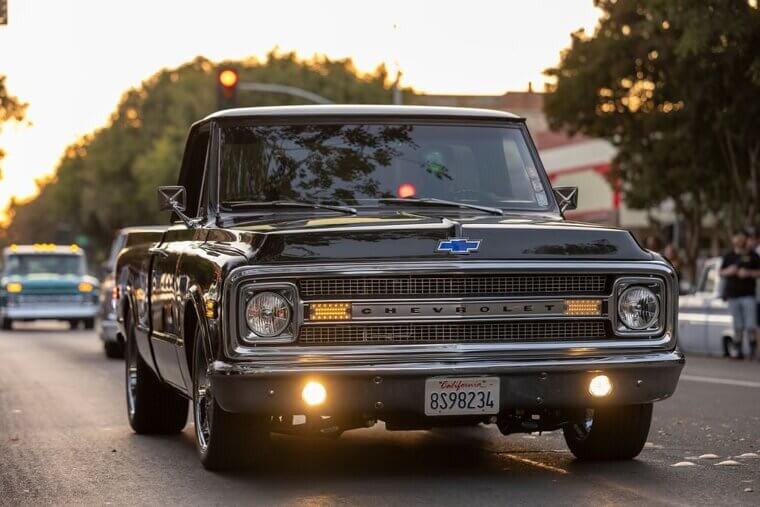
As the final year of its body generation, the '72 Cheyenne carries extra collector appeal. Well-preserved examples with original interiors are selling in the $30,000–$55,000 range, and that number keeps climbing.
International Harvester Scout Pickups
This might be the most underrated pickup in the collector world. The International Harvester Scout-based pickups flew under the radar for decades while Ford and Chevy trucks grabbed all the headlines. But the Scout's agricultural toughness and quirky styling have built a fiercely loyal following. Parts availability has improved dramatically, and the community around these trucks is one of the most enthusiastic — and welcoming — in the hobby.
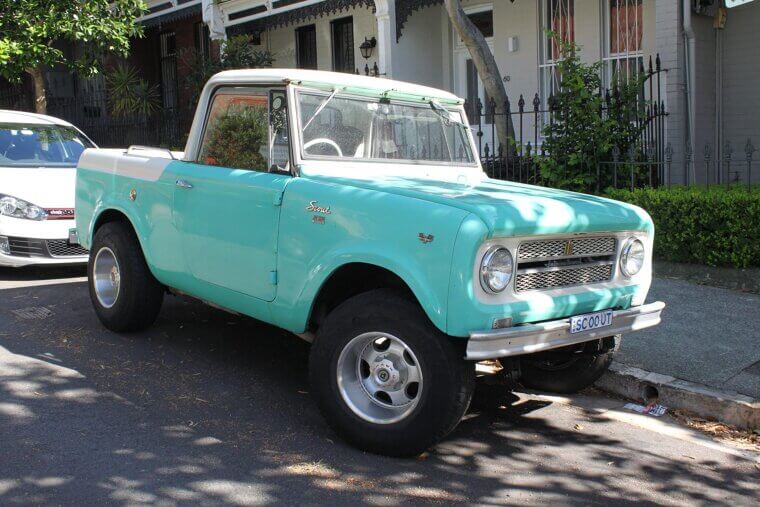
Scout pickups remain relatively affordable compared to domestic competitors, with solid drivers available from $15,000 to $35,000. Fully restored examples with the rare 4WD option are pushing toward $50,000. Buy one before the internet fully discovers them — because that clock is ticking.
The Rugged 1969 Ford F-250
The 1969 Ford F-250 wasn't built for compliments — it was built for work. The heavy-duty suspension, available 360-cubic-inch FE engine, and no-nonsense cab made it a workhorse that outlasted most of its competition. Today, original high-mileage survivors with honest wear are almost as prized as full restorations — proof that function has its own kind of beauty.
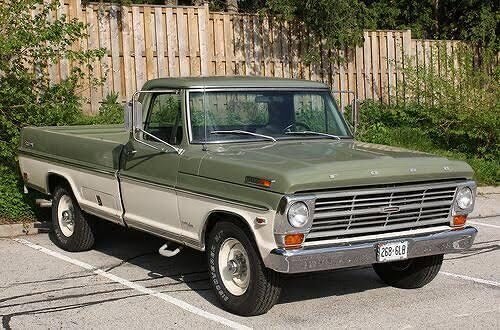
The F-250 sits in a sweet spot: tough enough to use, handsome enough to show. Prices range from $18,000 for honest drivers to $55,000 for concours-level restorations. The 4x4 version commands a serious premium.
Studebaker Pickup Trucks Worth Restoring
Studebaker built trucks that were genuinely ahead of their time — and the market punished them for it. The company's cab-forward designs and innovative engineering never quite translated into sales, and Studebaker exited the truck business in 1964. That rarity is exactly what makes them interesting now. A restored Studebaker pickup in a show field full of Chevys and Fords turns more heads than almost anything else in the lot.
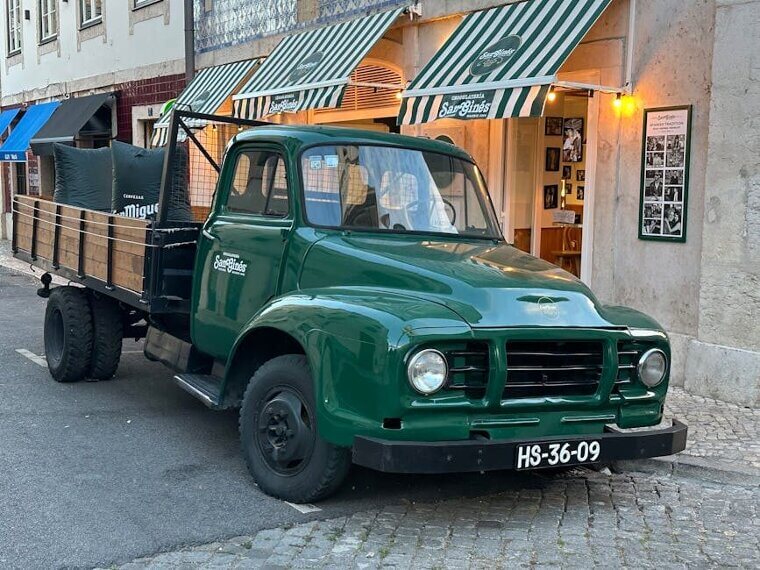
Because Studebaker trucks were never produced in huge numbers, finding restoration-worthy examples takes real effort. Finished restorations sell between $25,000 and $45,000 — a relative bargain for the attention they generate.
The Eye-Catching 1957 Chevy Apache
$40,000. For a truck most people's grandparents drove to the hardware store. The 1957 Chevy Apache arrived the same year as the legendary Bel Air, and it borrowed some of that car's visual drama — wraparound windshield, bold chrome, two-tone paint options that made it look like it belonged on a showroom floor rather than a job site. The Apache name applied to the half-ton models, and those are now the most coveted of the bunch.
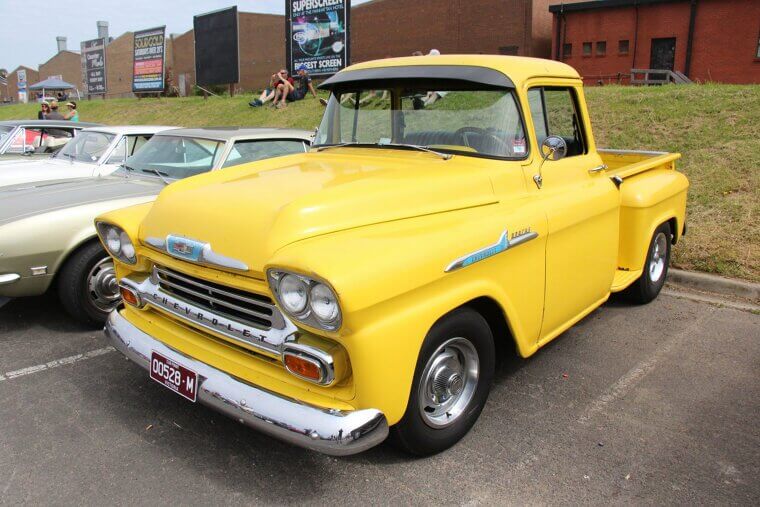
The '57 Apache benefits enormously from the Tri-Five Chevy halo effect. Collectors who can't afford a '57 Bel Air often redirect their budget here — and end up with something arguably more interesting. Prices reflect that logic.
Dodge D100 Trucks From the 1960s
Dodge spent the 1960s trying to convince buyers that a pickup truck could have genuine style. The D100 was their argument. With a clean, slab-sided body and available V8 power, it punched harder than its modest reputation suggests. The problem was always marketing — Dodge simply couldn't outshout Ford and Chevy. That underdog history makes the D100 a fascinating collector piece today, especially for people who like rooting for the underdog.
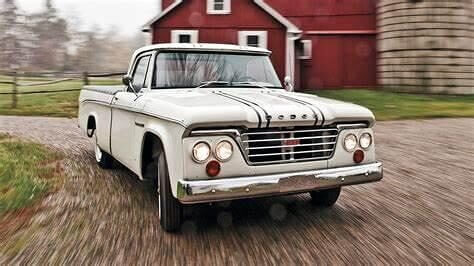
Dodge D100s from the 1960s remain among the more affordable vintage pickups on the market. Solid examples with original drivetrains can still be found in the $15,000–$30,000 range — genuine value in today's market.
The Rare 1953 Ford F-100 Pickup
The 1953 Ford F-100 was the truck that changed everything. Ford completely redesigned its pickup lineup that year, moving from the boxy F-1 to the sleeker, wider F-100 with a modern cab and a hood that finally matched the width of the fenders. It was a watershed moment in truck design, and collectors treat it accordingly. First-year examples of any major redesign carry a premium, and the '53 F-100 is no exception.
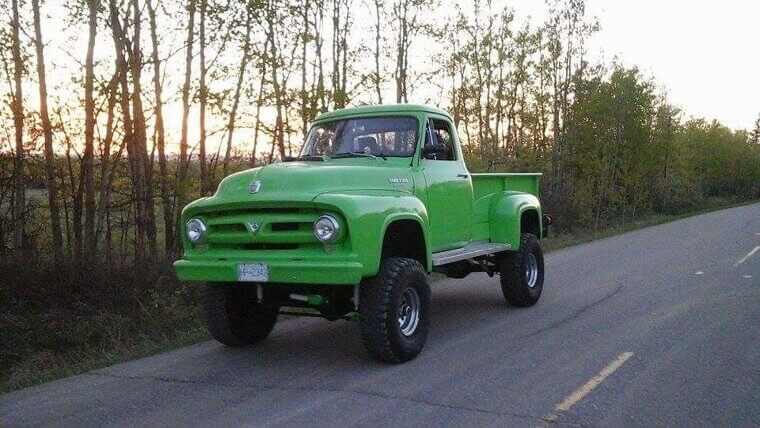
As the inaugural year of the F-100 nameplate, 1953 examples carry significant historical weight. Expect to pay $35,000–$65,000 for quality restorations. The first year of a legendary lineage always commands respect — and cash.
Toyota Hilux Trucks From the 1970s
Here's a truck that literally would not die. The 1970s Toyota Hilux earned its reputation the hard way — through abuse, neglect, and a famous BBC test where one was submerged in the ocean, set on fire, and dropped from a building. It still started. That reputation for indestructibility has made early Hilux trucks cult objects, particularly in markets where they were actually used as hard-working tools rather than weekend toys.
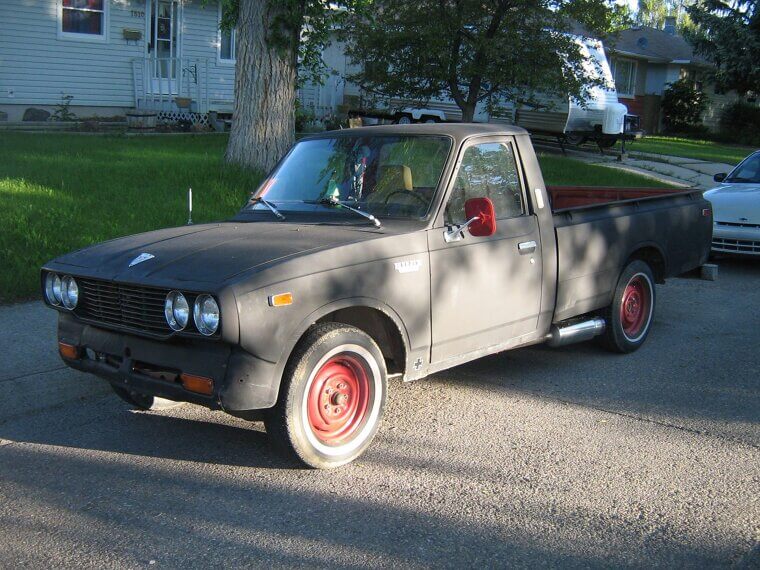
Clean, rust-free 1970s Hilux examples are genuinely difficult to find in North America. Prices have surged from bargain territory to $20,000–$40,000 for well-preserved examples, with pristine survivors commanding even more.
The Timeless 1965 Chevrolet C10
The 1965 Chevrolet C10 sits right in the middle of the second-generation body run, and that's exactly where collectors want to be. The early styling kinks had been worked out, the powertrains were proven, and the interior had been refined enough to feel genuinely comfortable. It's the Goldilocks year — not too early, not too late. Long-bed Fleetside versions with the 327 V8 are the combination most collectors chase first.
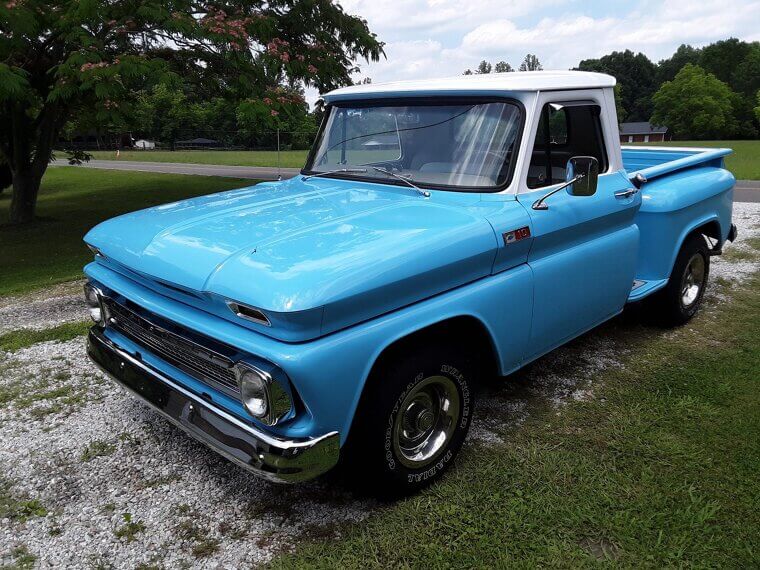
The mid-decade C10 represents strong value among second-gen collectors. Driver-quality trucks start around $22,000, while show-quality restorations with desirable engine options regularly sell for $50,000 and beyond.
Ford Ranchero as a Collector Favorite
Is it a car? Is it a truck? Ford said both, and the market eventually agreed. The Ranchero launched in 1957 as America's first car-based pickup, beating the El Camino to market by two years. Built on a full car platform, it offered genuine car-like ride quality with genuine cargo utility. The early 1957–1959 models on the full-size platform are the most collectible, especially in two-tone paint with the optional 312 V8.
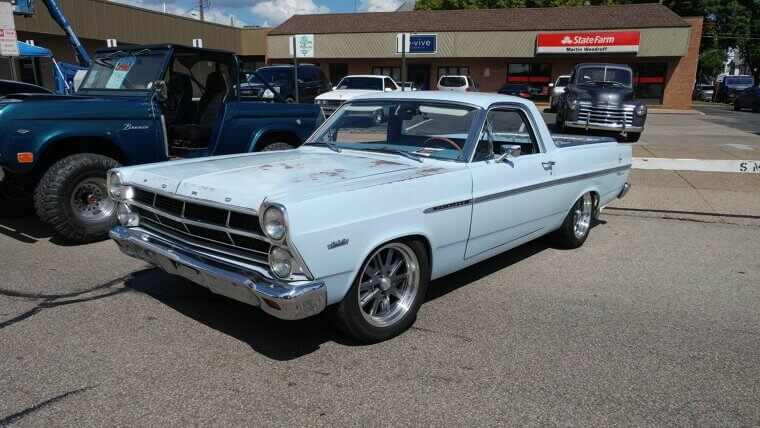
The Ranchero occupies a unique collector niche — too truck for car collectors, too car for truck collectors. That confusion keeps prices reasonable: $20,000–$45,000 for quality examples. A genuine bargain hiding in plain sight.
The Muscular 1970 Dodge D200
The 1970 Dodge D200 didn't mess around. While Ford and Chevy were busy making their trucks comfortable, Dodge was stuffing the D200 with a 383 Magnum V8 borrowed directly from their muscle car lineup. The result was a heavy-duty pickup that could genuinely embarrass sports cars at a stoplight — if you could keep the rear wheels from spinning. It's the muscle car era's forgotten hero, and collectors in the know are finally paying attention.
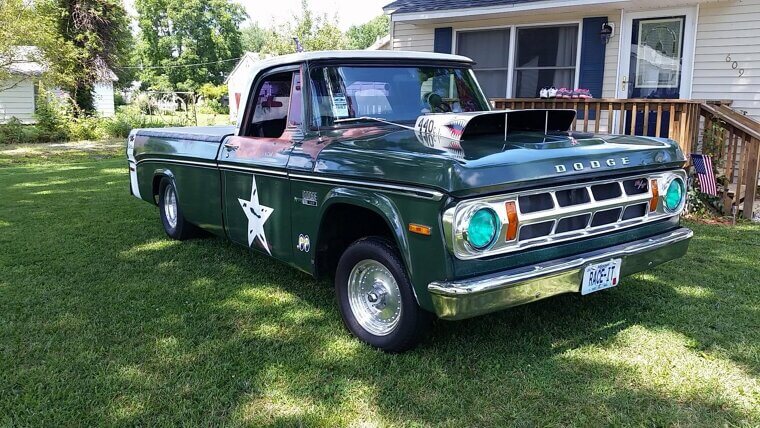
Muscle-era Dodge pickups have been undervalued for years, but that's changing fast. A D200 with the 383 Magnum in documented, numbers-matching condition has been selling for $45,000–$75,000 — and climbing sharply.
Chevy Fleetside Beds That Turned Heads
Chevy introduced the Fleetside bed in 1958 and the truck world never looked the same. Where the Stepside had exposed rear fenders and a narrow box, the Fleetside ran the body panels flush from cab to tailgate — a clean, modern look that immediately felt like the future. By the early 1960s, every manufacturer was copying it. The original Chevy Fleetside trucks from 1958–1966 are now collected as the design originals that started a revolution.
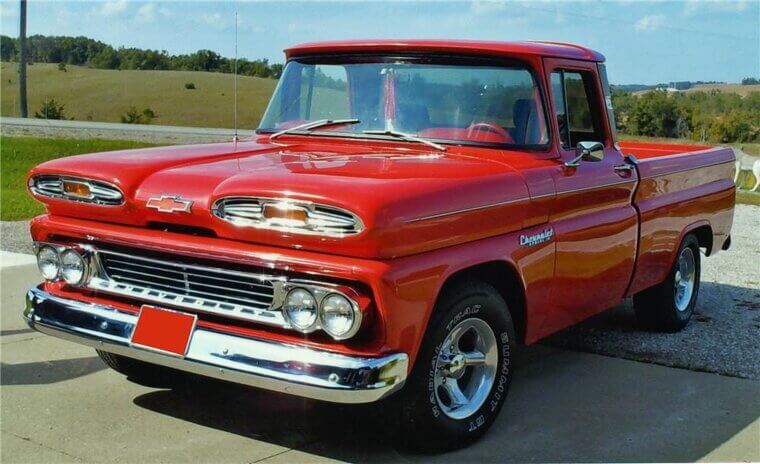
Early Fleetside examples from 1958–1960 carry a design-history premium that many buyers don't expect. Pristine examples have sold for $55,000–$80,000 at major auctions — serious money for trucks that once hauled fence posts.
The Legendary 1978 Ford Bronco Pickup
Wait — a Ford Bronco pickup? Yes, and it's one of the stranger collector stories in the truck world. Ford briefly produced a pickup variant of the first-generation Bronco, essentially a half-cab with an open bed. Production numbers were tiny, survival rates were lower, and finding one today requires the kind of luck usually reserved for lottery tickets. The combination of Bronco name recognition and extreme rarity makes this one of the most sought-after Ford trucks in existence.
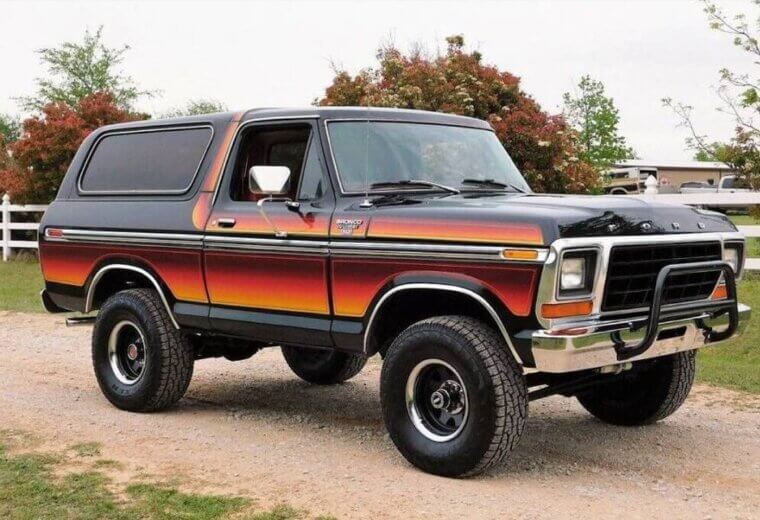
Authentic first-gen Bronco pickups rarely surface at auction, but when they do, brace yourself. Documented examples have sold for $80,000–$120,000. The Bronco name alone adds a premium that defies normal truck-collecting logic.
GMC Sierra Grande of the 1970s
The GMC Sierra Grande was essentially Chevy's C10 with a fancier suit on. GMC positioned itself as the premium brand, and the Sierra Grande trim delivered — with additional chrome, upgraded upholstery, and a level of refinement that made it feel more like a luxury vehicle than a work truck. Buyers paid extra for it then, and collectors pay extra for it now. The GMC badge on a 1970s full-size remains a reliable way to stand out in a field of Chevys.
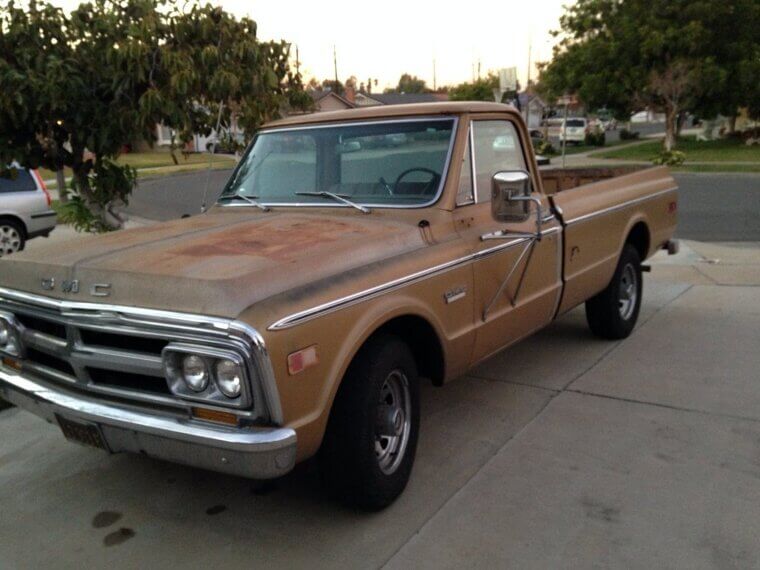
The Sierra Grande's premium trim level translates directly to collector premiums today. Well-optioned examples with original interiors intact sell for $35,000–$60,000, with the rarer 4WD configuration pushing significantly higher.
The Charming 1950 Chevy 3100 Pickup
The 1950 Chevy 3100 has a face you can't forget. That five-bar chrome grille, the wide hood, the rounded fenders that flow into the cab — it's the kind of design that looks like it was drawn by someone who genuinely loved trucks. The 3100 was the half-ton model in Chevy's Advance Design series, and it represents the high point of that generation's styling. Drivers who owned them in period called them the best-looking trucks on the road. They weren't wrong.
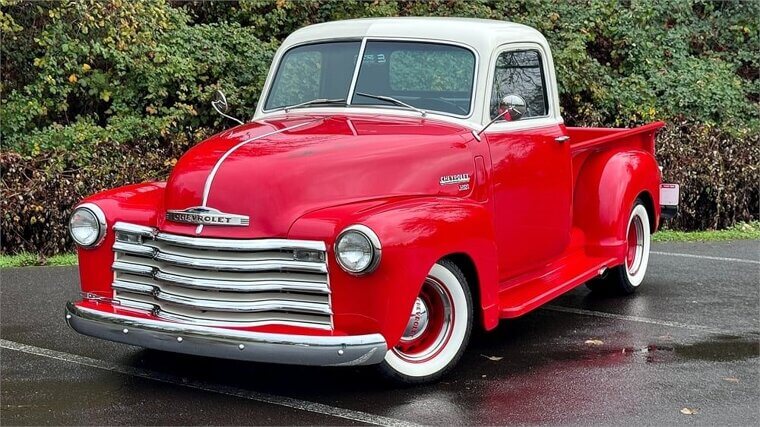
The Advance Design Chevy 3100 has become one of the most recognized vintage trucks in American culture. Clean restorations regularly sell for $40,000–$65,000, and the most stunning custom builds have exceeded $100,000 at auction.
Datsun Pickup Trucks Collectors Adore
The guy who drove a Datsun pickup in 1975 wasn't making a statement — he was saving money. But that little truck outlasted everything parked next to it, and now those same economy-minded buyers are the ones with the last laugh. Early Datsun (pre-Nissan) pickups from the 1970s have developed a passionate collector following, particularly in the western United States where rust never got the chance to do its worst. The 620 series is the sweet spot.
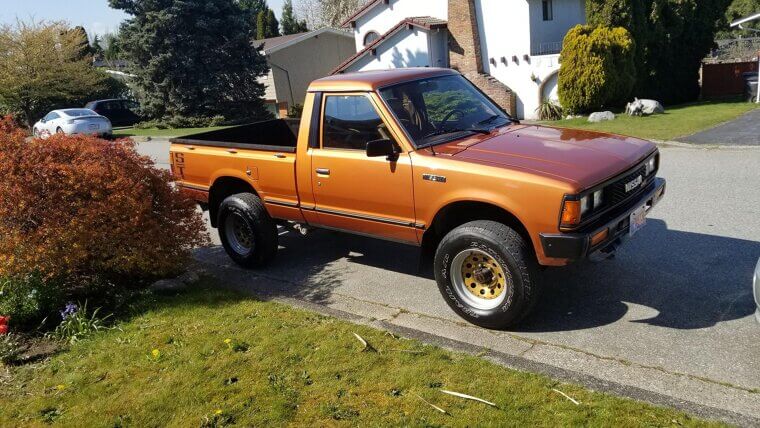
Datsun 620 pickups in clean, original condition are increasingly hard to find — and increasingly expensive when you do. Prices have jumped from under $5,000 a decade ago to $15,000–$30,000 today. The trend shows no signs of reversing.
The Bold 1971 Ford F-100 Sport
Ford gave the F-100 Sport trim a set of racing stripes and called it a performance package. That sounds like marketing nonsense until you realize what was actually under the hood. The Sport option in 1971 could be paired with a 360-cubic-inch FE V8 that made the truck genuinely quick by any standard. Add the twin racing stripes on the hood and you had something that looked mean and backed it up. Collectors who find one with the Sport package intact treat it like a lottery win.
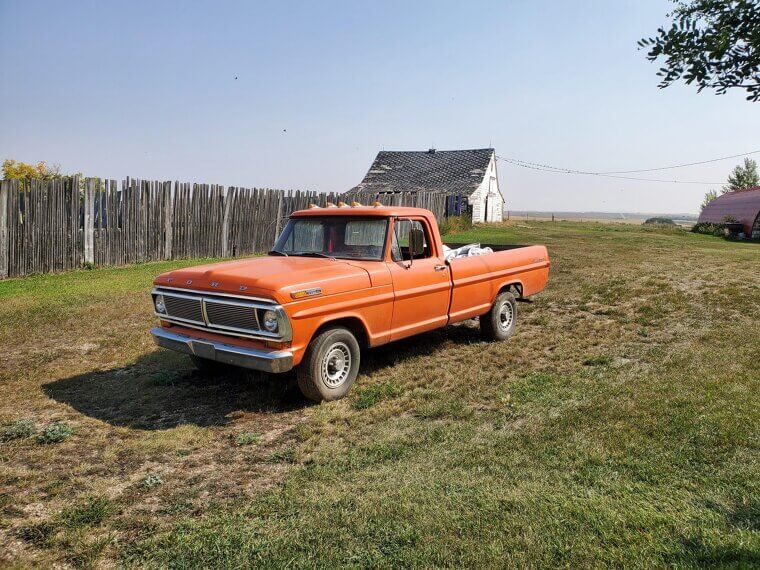
The F-100 Sport with documented factory stripe and V8 combination commands a significant premium over standard models. Verified examples sell for $50,000–$80,000, with the rarest configurations pushing into six-figure territory.
Willys Jeep Pickup Trucks of the 1950s
Before the Jeep Wrangler, before the CJ-5, there was the Willys Jeep Pickup — and it was doing things off-road that other trucks could only dream about. Built from 1947 to 1965, the Willys pickup combined the legendary go-anywhere capability of the military Jeep with a proper pickup bed. It was never pretty. It was never comfortable. It was, however, absolutely unstoppable — and that reputation has made survivors extraordinarily valuable to the right buyer.
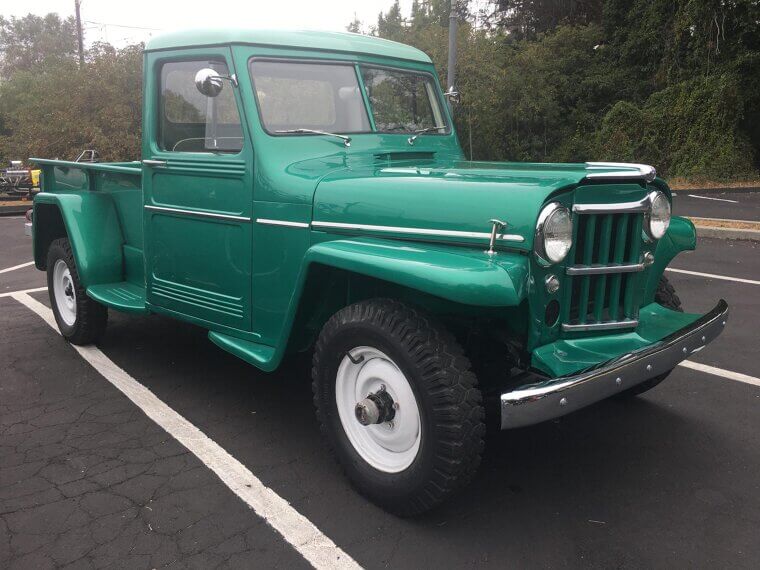
Willys Jeep pickups occupy a unique space between military history and civilian collecting. 4WD examples in restorable condition start around $20,000. Fully restored, mechanically sorted trucks have sold for $55,000–$85,000 to dedicated enthusiasts.
The Sleek 1966 Chevrolet El Camino
The 1966 Chevrolet El Camino got a complete redesign that year, moving to the sleek A-body platform and gaining proportions that made it look more like a muscle car with a bed than a car-truck compromise. The SS option brought a 396 big-block to the party, and suddenly the El Camino wasn't just stylish — it was fast. The '66 is widely considered the best-looking of the generation, and the collector market prices it accordingly.
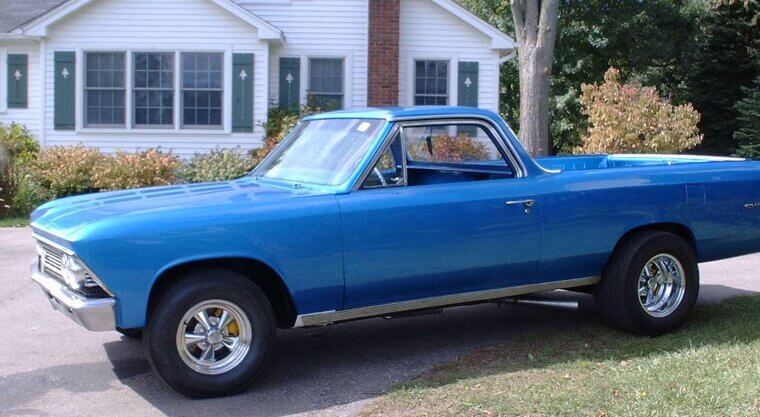
A '66 El Camino SS with the 396 and documented options is a serious collector piece. Prices range from $35,000 for honest drivers to $90,000+ for concours SS examples. The muscle car premium is very real here.
Dodge Lil Red Express Truck
Dodge built the Lil' Red Express as a direct response to the emissions regulations strangling muscle cars in the late 1970s — and found a loophole. Trucks weren't subject to the same restrictions, so Dodge stuffed a 360-cubic-inch V8 with a high-performance cam into a pickup, painted it red, added twin chrome exhaust stacks, and called it a truck. For one brief moment in 1978, it was the fastest production vehicle in America by quarter-mile time. That story never gets old.
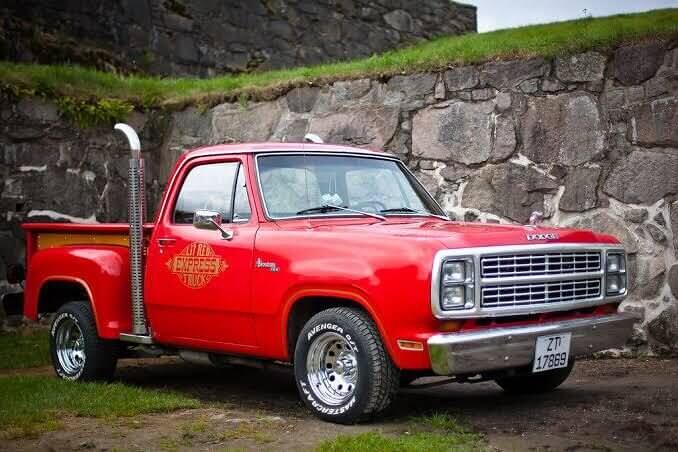
The Lil' Red Express was briefly the quickest American production vehicle in 1978 — in a truck. That backstory drives collector prices into serious territory: $40,000–$70,000 for well-preserved examples. The chrome stacks better be original.
The Hardworking 1948 Ford F-1 Pickup
The 1948 Ford F-1 was the truck that started the F-Series legacy — and it looked the part. Ford's postwar redesign gave the F-1 a wider cab, a modern dashboard, and a stance that felt genuinely new after years of prewar carryover designs. It was the first truck where Ford seemed to care about the driver's comfort as much as the truck's capability. Finding a solid survivor today means finding a piece of American automotive history from its most optimistic postwar moment.
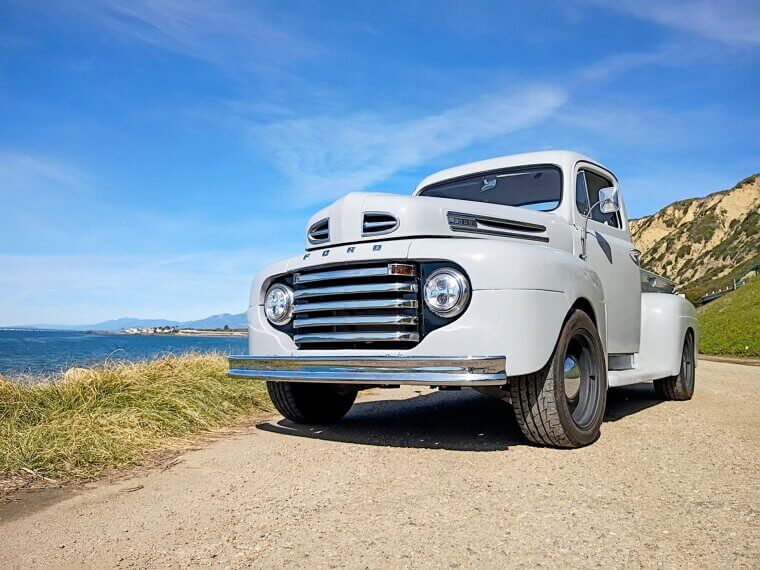
As the founding model of the most successful truck nameplate in history, the '48 F-1 carries enormous historical weight. Restored examples sell for $35,000–$60,000. Original, unrestored survivors with honest patina can command similar prices from the right buyer.
Chevy Blazer Chaser Trucks of the 1970s
The Blazer Chaser was never an official Chevrolet model — it was a dealer-installed package that combined the open-top fun of the Blazer with the practicality of a pickup bed. Various dealers offered their own versions throughout the 1970s, which means no two are exactly alike. That variability makes authenticating them tricky and finding documented examples genuinely difficult. For collectors who love obscure factory-adjacent oddities, the Blazer Chaser is catnip.
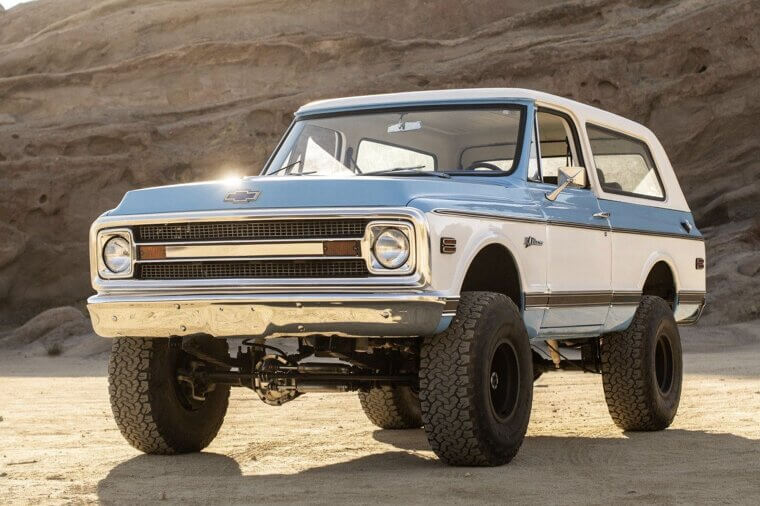
Because the Blazer Chaser was dealer-installed rather than factory-built, documentation is everything. A verified, well-documented example with original conversion intact can sell for $30,000–$55,000 — more than a comparable standard C10.
The Iconic 1969 GMC Sprint Pickup
GMC's Sprint was the brand's answer to the El Camino, and the 1969 version arrived with the full suite of late-1960s GM muscle car options available under the hood. The Sprint is rarer than the El Camino — GMC simply sold fewer — which means finding one in good condition requires patience most collectors don't have. The ones who do wait are rewarded with a car-truck hybrid that genuinely surprises people who didn't know GMC made such a thing.
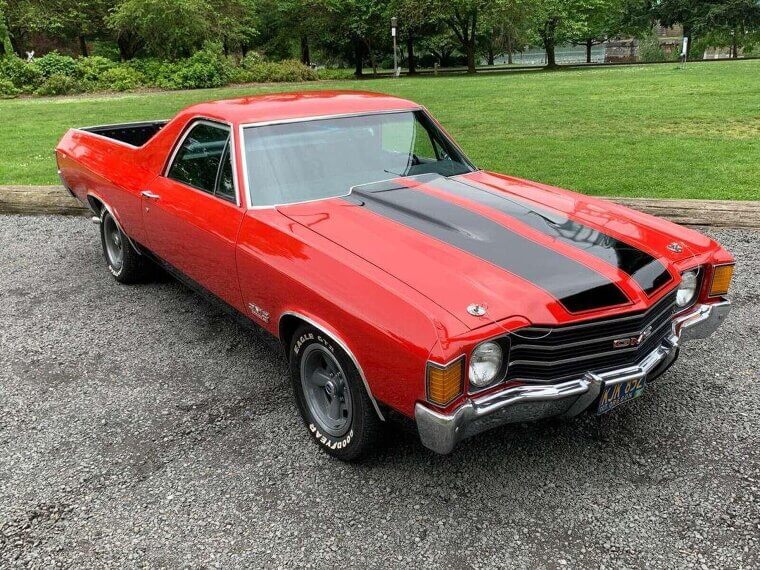
The GMC Sprint's lower production numbers make it measurably rarer than the El Camino it was based on. That rarity translates to a 15–25% premium at auction. Strong examples with performance options have sold for $55,000–$85,000.
Ford Courier Mini Trucks From the 1970s
Ford sold the Courier in the 1970s as a rebadged Mazda — and was slightly embarrassed about it. The arrangement was practical: Ford needed a small truck to compete with Datsun and Toyota, and Mazda had one ready to go. The result was a compact, reliable mini-truck that outlasted the stigma of its origins. Today, collectors appreciate the Courier precisely because it represents a weird moment in Ford history when the company admitted it couldn't do everything itself.
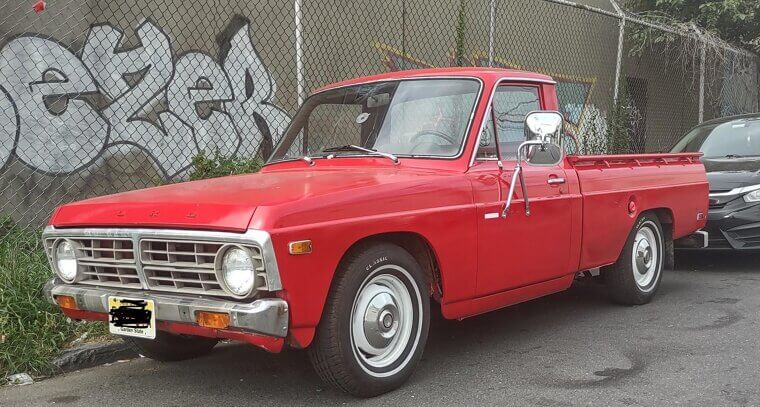
The Ford Courier's Mazda origins make it a fascinating footnote in both brands' histories. Clean, rust-free examples are increasingly scarce. Prices have climbed from near-nothing to $12,000–$25,000 for well-preserved survivors — still a bargain.
The Striking 1958 Dodge Sweptline
Dodge named it the Sweptline because the body lines literally swept backward along the truck's flanks — a design choice that looked futuristic in 1958 and still looks interesting today. The Sweptline was Dodge's answer to Chevy's Fleetside, and it arrived with a finned rear treatment that screamed late-1950s optimism. The problem was that Dodge never quite matched Chevy's marketing muscle, so the Sweptline remained underappreciated. That's slowly changing.
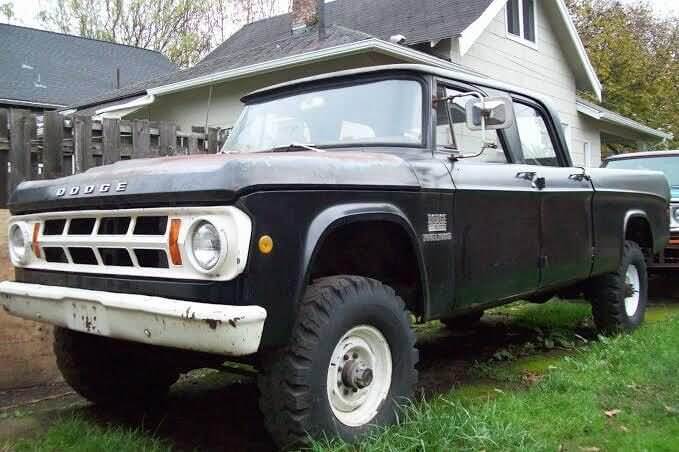
The '58 Sweptline's fin-era styling makes it one of the most visually distinctive trucks of its decade. Yet prices remain surprisingly accessible — $20,000–$40,000 for solid restorations. The Dodge tax is real, but it works in buyers' favor here.
Chevrolet Silverado From Its Early Days
The Silverado nameplate debuted in 1975 as a trim level on the C/K series — not a standalone model — and it immediately became the one everyone wanted. The Silverado package added color-keyed interior trim, additional sound insulation, and a level of refinement that made long-haul driving genuinely pleasant. Collectors now specifically hunt for early Silverado-badged trucks because the trim level represents the moment Chevy decided that truck buyers deserved nice things too.
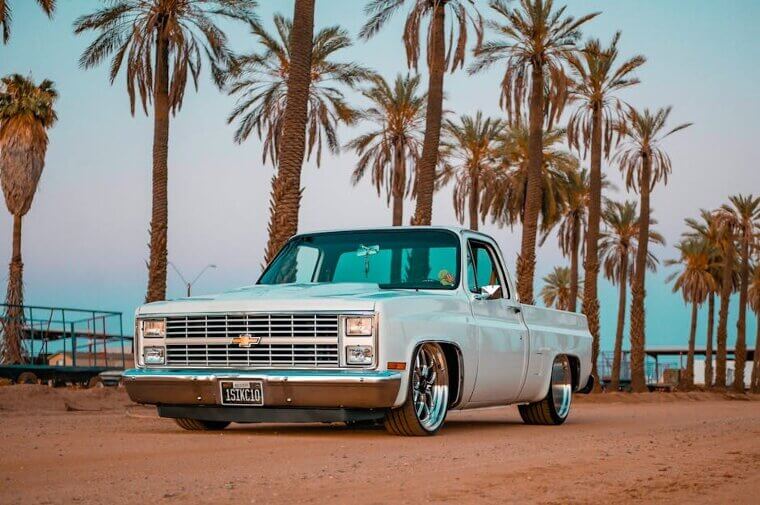
Early Silverado-badged C/K trucks carry a trim premium that has only grown over time. A clean 1975–1979 Silverado in the right color with original interior commands $40,000–$65,000 — more than a comparable base-trim truck of the same year.
The Rare 1954 GMC 100 Pickup
GMC built fewer trucks than Chevrolet in 1954, which means surviving 1954 GMC 100 pickups are genuinely scarce. Add the fact that most were worked hard and discarded when they wore out, and you have a truck that serious collectors hunt for years without finding. The 1954 model year was the last of the original Advance Design series before a major refresh, making it a significant end-of-generation piece — the kind of historical footnote that drives prices far beyond what the truck looks like it should cost.
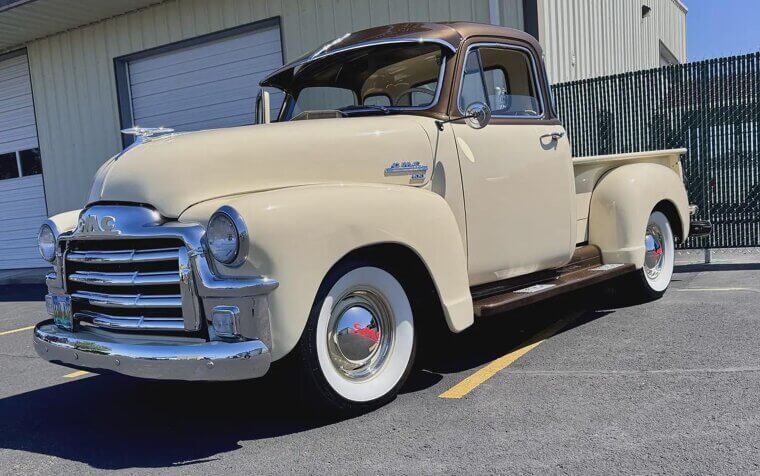
A documented, numbers-matching 1954 GMC 100 in restorable condition rarely surfaces twice in the same decade. When one does appear, expect $45,000–$75,000 from serious collectors who've been waiting for exactly this opportunity.
International Harvester Pickup Trucks of the 1960s
International Harvester built trucks for farmers, contractors, and anyone else who needed something that would simply not quit. The 1960s IH pickups — particularly the 1200 and 1300 series — offered payload capacities that made comparable Ford and Chevy trucks look underpowered. The IH community is one of the most dedicated in vintage truck collecting, with a parts network and knowledge base that has kept these trucks alive long past when they should have disappeared.
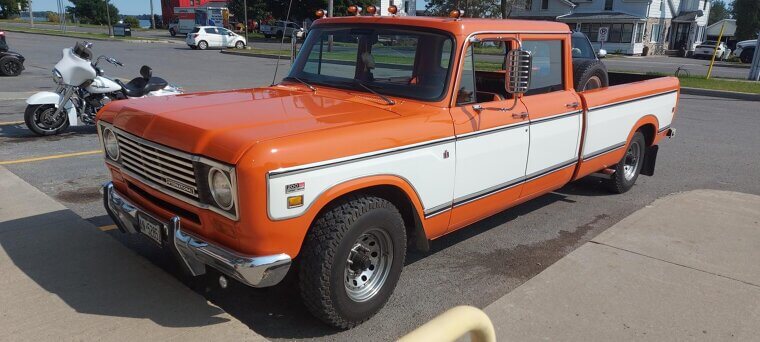
IH pickups from the 1960s remain undervalued relative to their Ford and Chevy counterparts. Strong examples sell for $20,000–$45,000 — a genuine bargain for trucks with this level of mechanical substance and collector community support.
The Beloved 1976 Ford F-150 Ranger
The 1976 Ford F-150 Ranger was the year everything came together. The F-150 nameplate itself was only two years old, the Ranger trim package added genuine luxury touches, and the available 460 big-block V8 made it one of the most powerful production pickups of its era. It also happened to look exactly right — the square-body proportions, the chrome bumpers, the two-tone paint. This is the truck that defined what an American pickup was supposed to be for a generation.
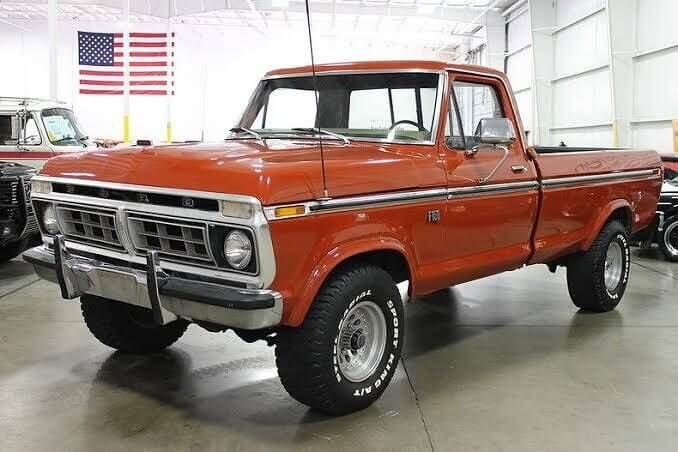
The '76 F-150 Ranger with the 460 V8 is the combination collectors specifically seek out. Documented examples with the big engine and Ranger trim have sold for $45,000–$75,000. The 460 badge on the fender adds thousands instantly.
The Classic 1964 Dodge D100 Sweptline
The 1964 Dodge D100 Sweptline arrived at a pivotal moment — Dodge had refined the design enough to feel modern but retained the character of the original. The cab was roomier than competitors, the available 318 V8 was one of the smoothest small-blocks in the business, and the Sweptline bed gave it visual proportions that have aged remarkably well. It's the kind of truck that looks better every year, which is exactly what collectors want to hear.
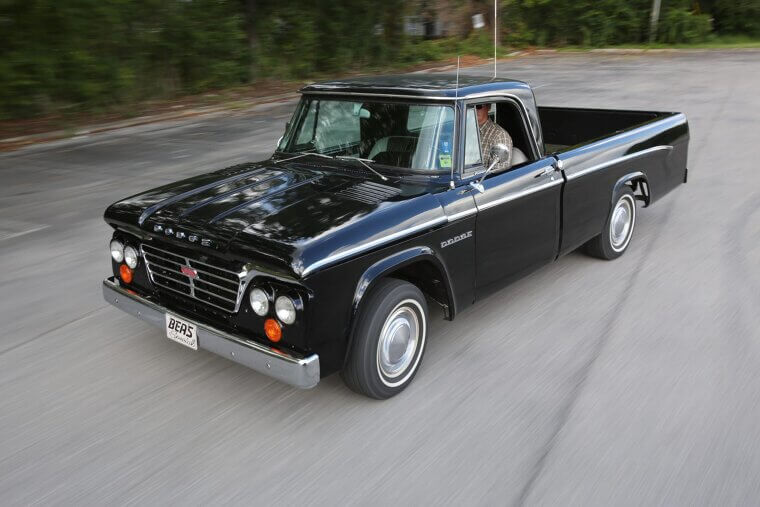
Mid-1960s Dodge D100 Sweptlines represent strong value in the current market. Prices of $25,000–$50,000 for quality restorations feel reasonable given what comparable Fords and Chevys command. The Dodge discount won't last forever.
The Rugged 1973 Chevrolet K10 Stepside
The 1973 Chevrolet K10 Stepside 4x4 is the truck that invented the modern off-road aesthetic and didn't even know it. The combination of the narrow stepside bed, the raised 4x4 suspension, and the available 454 big-block created something that looked ready for anything. Survivors with the original 4x4 drivetrain intact are increasingly rare — most were actually used off-road, which means they either got destroyed or got modified beyond recognition. Finding a clean original is a genuine achievement.
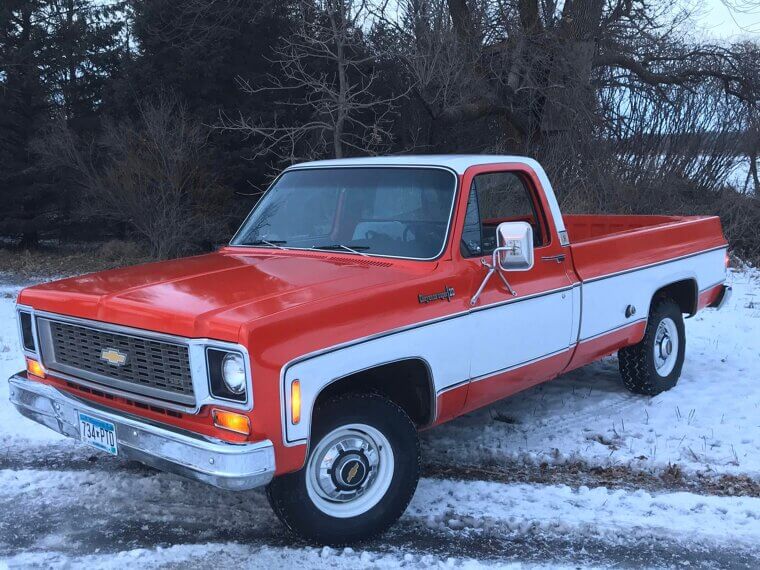
The K10 Stepside 4x4 combination is one of the most coveted configurations in vintage Chevy truck collecting. Documented examples with matching-numbers 454 engines have sold for $65,000–$95,000. The stepside bed alone adds a significant premium.
The Rare 1961 Ford Unibody Pickup
Ford built the 1961 Unibody pickup using car-style unibody construction instead of the traditional body-on-frame design — and the trucking world thought they'd lost their minds. The cab and bed were integrated into a single structure, which reduced weight and improved ride quality but made the truck nearly impossible to repair after any significant damage. Ford abandoned the experiment after 1963. That short production run and engineering oddity have made the Unibody one of the most fascinating collector trucks Ford ever made.
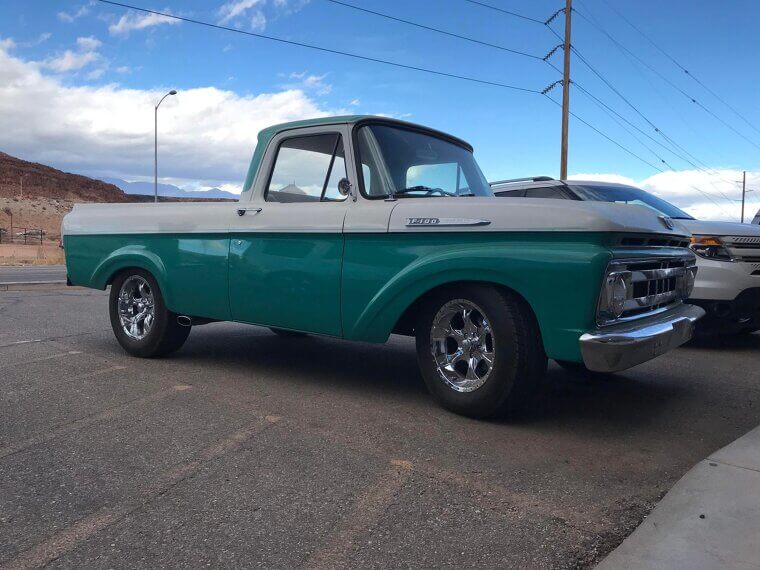
The Ford Unibody's three-year production run and unique construction make it a genuine rarity. Collectors who specialize in Ford oddities pay $35,000–$60,000 for solid examples. The truck's failed-experiment backstory is half the appeal.
The Iconic 1979 Dodge Adventurer Pickup
The 1979 Dodge Adventurer arrived at the end of an era — emissions regulations were tightening, fuel economy was suddenly everyone's concern, and the muscle truck moment was fading fast. Dodge packed as much into the Adventurer as the regulations would allow: available 360 V8, bold graphics packages, and a level of standard equipment that made it feel like a genuine luxury truck. It was the last gasp of a certain kind of American excess, and collectors love it for exactly that reason.
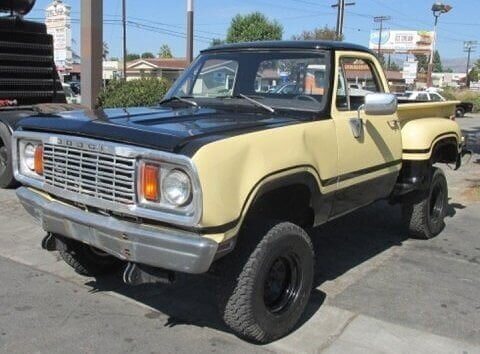
As a late-1970s swan song for the big-engine Dodge pickup, the '79 Adventurer has developed a devoted following. Pristine examples with the 360 V8 and original graphics packages have sold for $45,000–$70,000 — numbers that would have seemed impossible ten years ago.
The Stylish 1968 GMC C1500 Pickup
$85,000. For a 1968 GMC. That's the number a pristine C1500 with the right options and an impeccable restoration history brought at a major collector auction — and nobody in the room was surprised. The '68 GMC C1500 represents the absolute peak of late-1960s truck design: the proportions are perfect, the available 396 V8 is the right engine, and the GMC badge gives it a rarity premium that Chevy equivalents simply can't match. This is where vintage truck collecting stops being a hobby and starts being an investment.
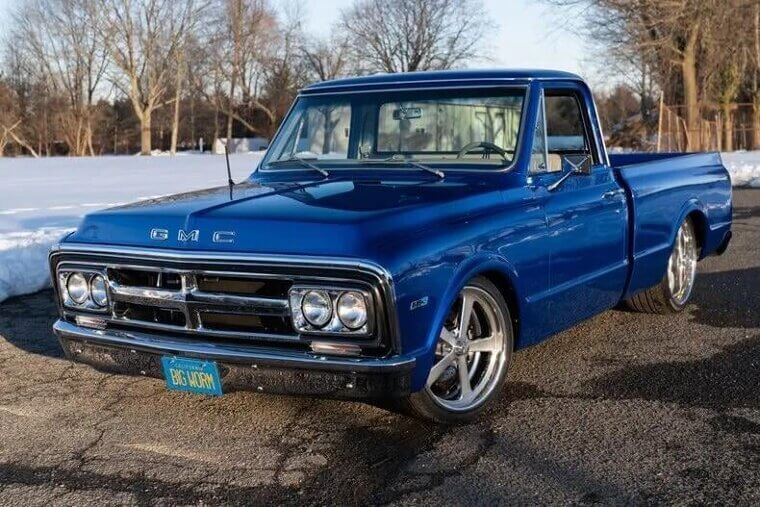
The 1968 GMC C1500 is the truck that proves vintage pickups have fully arrived as serious collectibles. Top-tier examples with documented provenance, matching numbers, and rare options are trading at $65,000–$100,000. The ceiling keeps moving up.