
Somewhere in a basement, a garage, or the back of a barn, your grandfather's tools are waiting — and some are quietly worth more than the truck that hauled them. We ranked all 40 from garage-sale money to retirement-fund money. Before each price reveal, take a guess — most people are off by 10x.
Old Tin Snips From Wiss and Other Brands
You've probably tossed a pair of these in a junk drawer without a second look. Wiss & Sons made shears in Newark, New Jersey from 1848 onward, and their compound-action tin snips from the 1940s and 50s were the tool roofers and HVAC men swore by. The drop-forged blades sheared 26-gauge steel like paper and held an edge modern stamped snips can't touch. The brand's quality faded by the late 70s — but the old pairs didn't. Collectors know exactly which ones to grab.
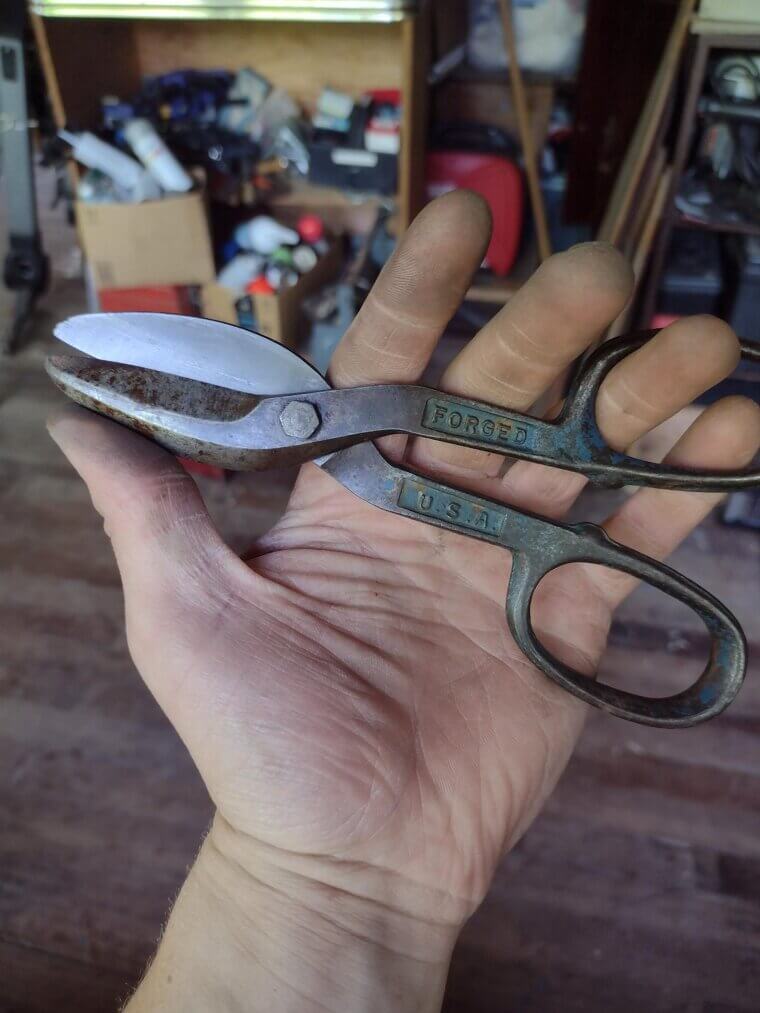
Working vintage Wiss snips bring $25 to $80, rare compound models more. Not retirement money — but a better hourly rate than most junk drawers ever pay out. And it only goes up from here.
Antique Coping Saws With Turned Wooden Frames
It looks too delicate for real work — a thin blade stretched across a deep frame, like something from a school shop class. But the early-20th-century versions, with turned wooden frames and brass tensioning hardware, were precision instruments furniture makers used for curves and inside cuts no other saw could manage. They turn up at estate sales priced like yard-sale junk. One look at the brass hardware tells a different story — if you know what you're looking at.
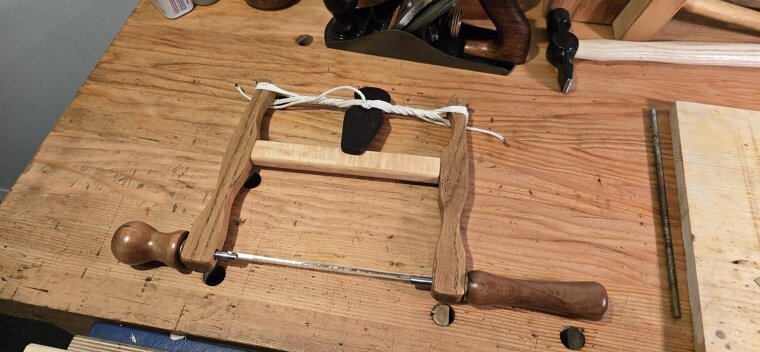
Antique coping saws with turned wooden frames go for $30 to $100, the rarest examples higher. Guessed under $20? That's exactly why the dealers get there early.
Vintage Hacksaw Frames With Turned Handles
Nobody designs a hacksaw handle to fit the hand anymore — they design it to fit a cost spreadsheet. Millers Falls, Starrett, and Eclipse did it differently in the early 1900s: turned wooden handles, adjustable frames for multiple blade lengths, and tensioning systems that kept the cut dead straight. When all-metal frames took over in the 60s, the wooden-handled versions went to the scrap pile. The ones that survived are the ones collectors now hunt.
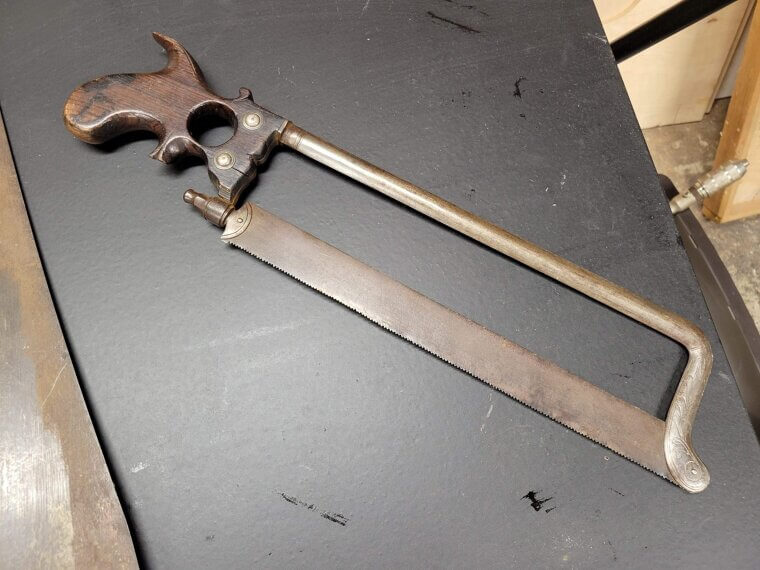
Working examples with turned handles and original tensioners bring $30 to $100. For a hacksaw. Check the shed before you laugh.
Old Wooden Mallet Tools With Turned Handles
Lignum vitae is so dense it sinks in water — and craftsmen in the 1940s turned mallet heads from it on their own lathes, fitting handles with a slight taper so the head tightened with every swing instead of loosening. A good one would outlast the workshop, the craftsman, and probably the house. Most look like nothing: a dark, dinged lump of wood at the bottom of a toolbox. The density is the tell. Pick it up and you'll know.
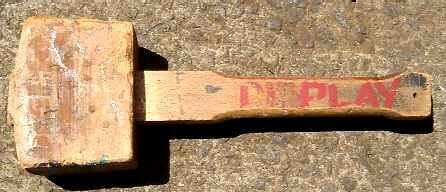
Turned-handle antique mallets sell for $30 to $100 — but lignum vitae examples command a real premium. The heaviest, ugliest mallet in the box is usually the winner.
Antique Marking Gauges Used by Cabinetmakers
How much can a stick with a pin in it be worth? The marking gauge looks like the simplest tool ever made — a beam, a sliding fence, a scribe point. But late-1800s makers built them from rosewood and boxwood with brass thumbscrews and hand-filed cutters, and the line they scribed was whisper-thin, finer than any pencil could manage. Cabinetmakers considered that scribed line the first stroke of the finished piece. Collectors consider it something else entirely.
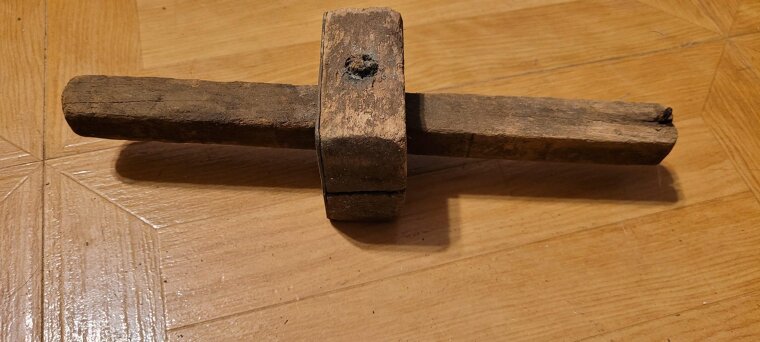
Clean examples from known makers bring $30 to $120. That junk-drawer "stick with a pin" just outpriced your cordless drill.
Vintage Craftsman Combination Squares
Craftsman was the brand working men trusted the way they trusted Walter Cronkite — and the brand quietly abandoned that standard decades ago. The 1940s–60s squares had heavier cast iron heads, thicker blades, and scribe pins that actually held position. The tell is the script logo and "Made in USA." Sears devoted full catalog pages to these tools, and the boys who once flipped through those pages are the collectors now paying for the memory.
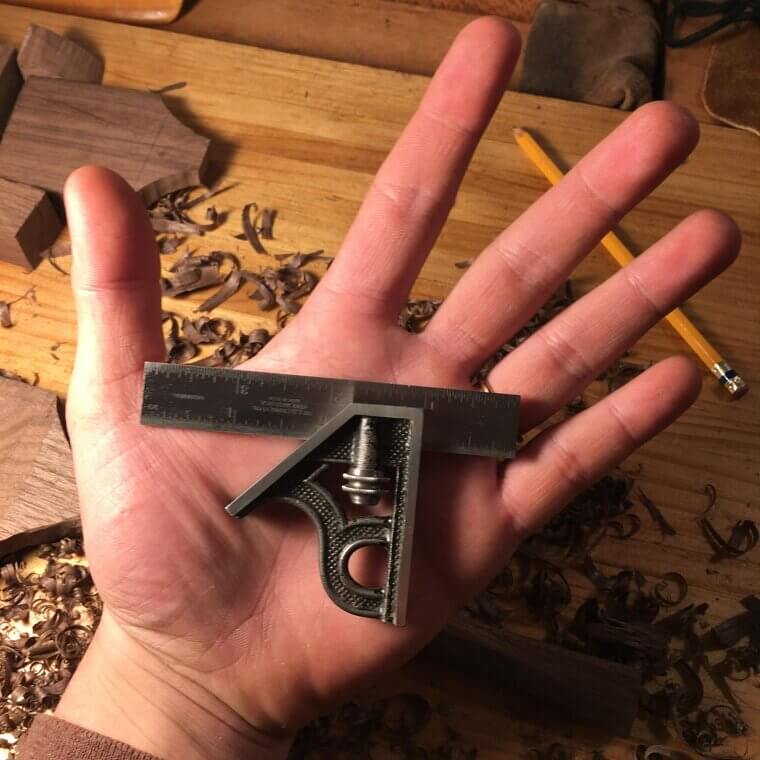
Good examples fetch $40 to $120, rare sets higher. Same name on the label today, completely different tool — and the market knows it.
Vintage Wheel Braces From Early Auto Shops
Picture an auto shop in 1925: grease, rubber, metal filings, and a hand-cranked drill with a T-handle doing work too delicate for anything bigger. The wheel brace was the precision drilling tool of the early automobile age, and Millers Falls and North Brothers built the best — smooth-running gears, chucks that gripped the tiniest bits. Most got tossed when electric drills arrived. The ones wearing original decals or maker's plates are the ones to look for.
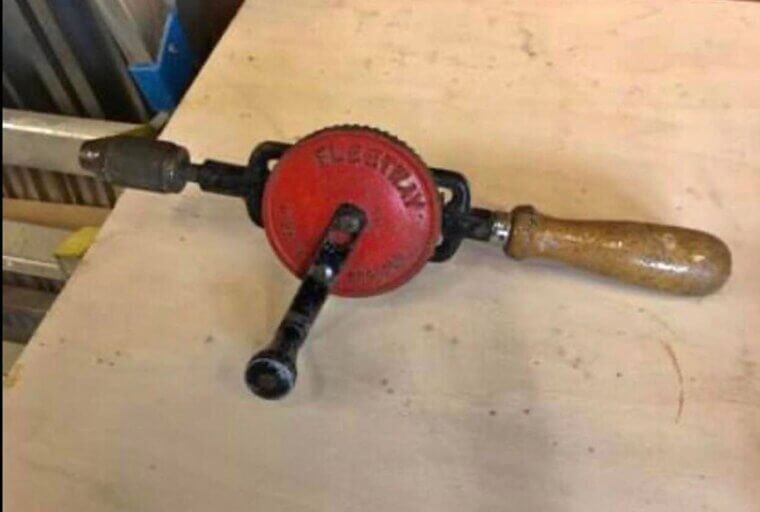
Working examples bring $40 to $120. The decal alone can be the difference between yard-sale change and real money.
Antique Spoke Shaves From Carriage Days
Before the automobile changed everything, the spokeshave was as common as a hammer. Wheelwrights and carriage builders used them to shape curved wood with a finesse no machine matched — and the pre-1930 examples from Preston, Stanley, and Ohio Tool have a heft and blade geometry modern versions don't approach. By the time the Beatles hit Ed Sullivan, most were in the back of a drawer. Most people still walk right past them at estate sales. Collectors don't.
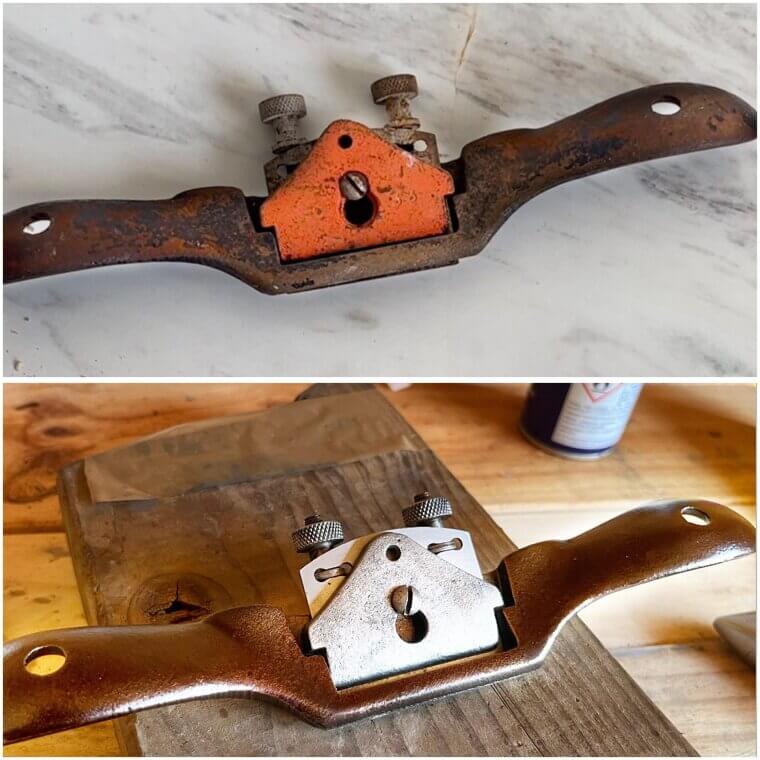
Clean working spokeshaves trade for $30 to $150 — and rare Preston models fetch considerably more. That knowledge gap is exactly where the deals still live.
Keen Kutter Hatchets Are Highly Sought After
The diamond-shaped Keen Kutter logo was as recognizable to a 1920s hardware customer as the Coca-Cola script. E.C. Simmons Hardware put it on everything from pocket knives to full tool sets, and the quality was genuine — their hatchets, with the name etched into the poll and original hickory handles, rode in every carpenter's bag. The brand faded by the 1960s. The tools didn't. The etch is everything: readable means money, polished-off means firewood duty.
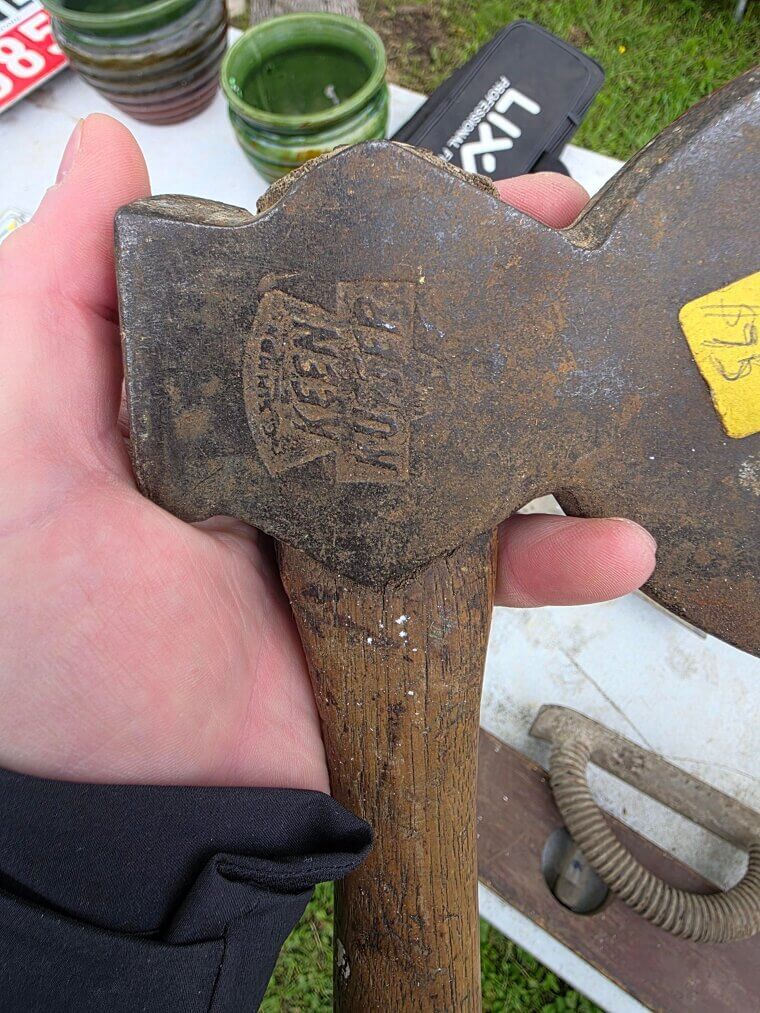
Good condition with a readable etch brings $50 to $150, rare variations considerably more. Squint at the steel before you swing it.
Antique Drawknives for Woodworking
Pulling a long shaving off green wood with a sharp drawknife sounded like tearing silk. Chairmakers and coopers used them daily, and the pre-1920 examples from Swan, Witherby, or Ohio Tool carry a taper-ground bevel and a temper modern reproductions still can't equal. By the 1970s they were barn-wall decorations — forgotten relics of a slower craft. That's exactly where most of them still hang, waiting for someone who knows the maker's stamps.
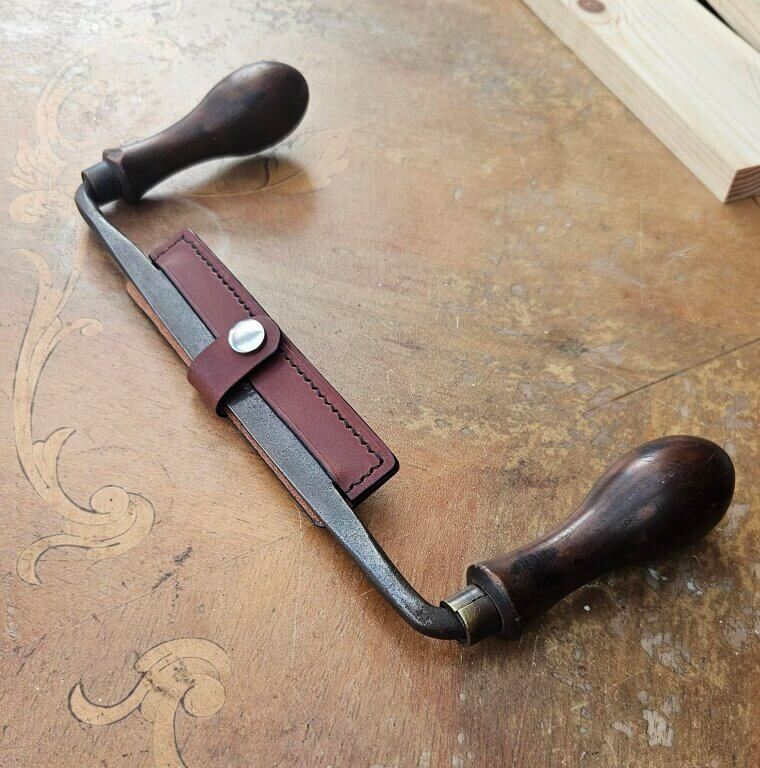
A clean antique drawknife with intact handles quietly clears $40 to $150 at a good estate sale — rare makers push well past that. Check the barn wall first.
Quick Check — How Many Have You Spotted So Far?
Ten tools in. If you've recognized even three of these from your dad's or grandpa's workbench, that bench is statistically worth a few hundred dollars — and we haven't reached the good stuff yet. Everything so far has been the cheap end of this list. The next ten are where single tools start out-earning entire toolboxes.
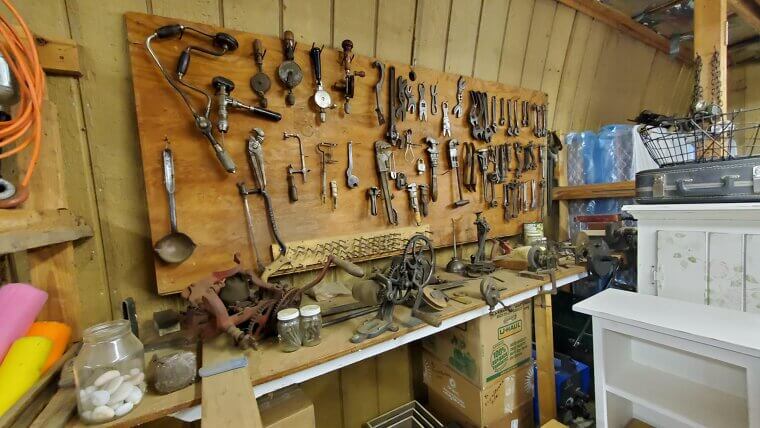
Keep a mental tally. By #1, you'll know whether to visit grandpa's garage this weekend — or this afternoon.
Old Pliers Sets From Craftsman and Snap-on
There was a time a man bought one set of pliers and expected to hand it down. American-made Craftsman pliers of the 50s and 60s had knurled handles and pivot joints tight enough to hold position yet smooth enough to open one-handed — a combination that took real metallurgy. The brand retired that standard when manufacturing moved overseas. Vintage Snap-on combination and lineman's pliers from the same era are chased even harder by collectors.
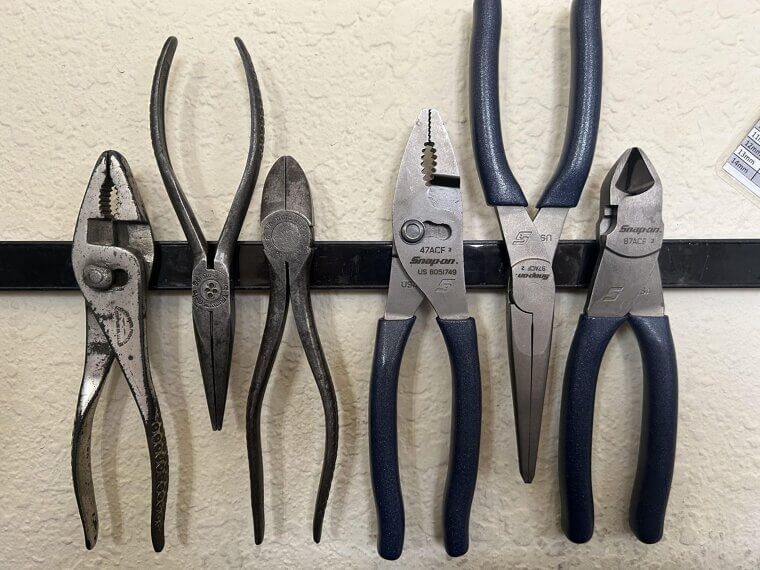
Complete vintage Craftsman sets bring $60 to $150 — early forged Snap-on pieces considerably more. The pivot test takes two seconds and tells you everything.
Antique Froe Tools Used for Splitting Wood
Ever seen a froe outside a living-history museum? In the era of hand-split shingles and barrel staves it was as common as a hatchet — a heavy blade mounted sideways on a long handle, driven with a mallet and levered until white oak cracked clean along the grain. The wood seemed to want to split; the froe just showed it the way. The 18th and 19th century hand-forged examples with maker's stamps are the prizes now.
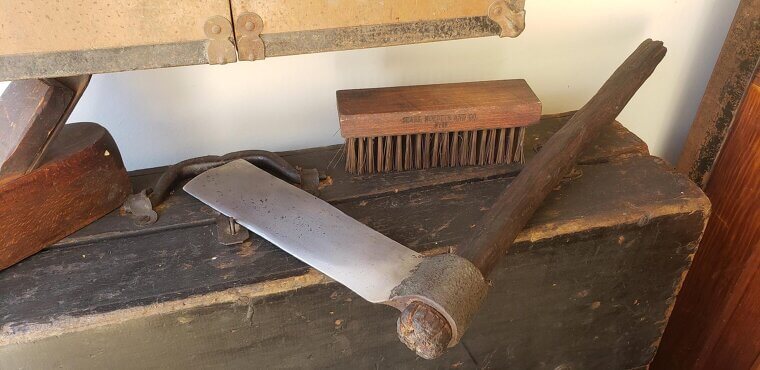
Good examples bring $40 to $150 from tool collectors and living-history enthusiasts alike. Not bad for a tool most people can't even name.
Vintage Folding Rules Made of Boxwood
The click of a boxwood rule unfolding to full length was one of the small, satisfying sounds of the workshop — and the tape measure killed it in the 1960s. From the Civil War era on, Stanley, Lufkin, and Rabone built folding rules from boxwood so dense it refused to warp, with brass joints fitted to stay straight and accurate for decades. Carpenters who grew up with them never quite trusted a tape measure the same way. Look closely at the tips before you price one.
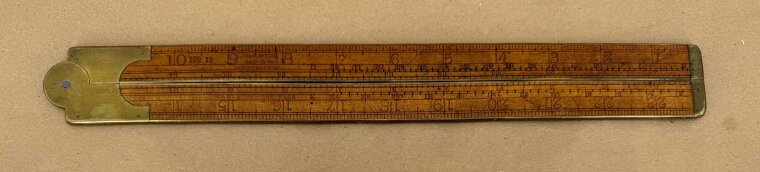
Four-fold boxwood rules with intact joints bring $40 to $150 — and ivory-tipped examples fetch considerably more. Yes, ivory. Check the tips.
Old Pipe Wrenches From Stillson and Others
Daniel Stillson invented his pipe wrench in 1869, and the name went generic the way Kleenex did. The original Stillsons and early competitors from Trimo and Ridgid were drop-forged iron with jaws that tightened under load instead of slipping — tools for iron pipe and steam and things that didn't move until you made them. The big ones, 18 inches and up, now hang on shop walls as statements as much as tools.
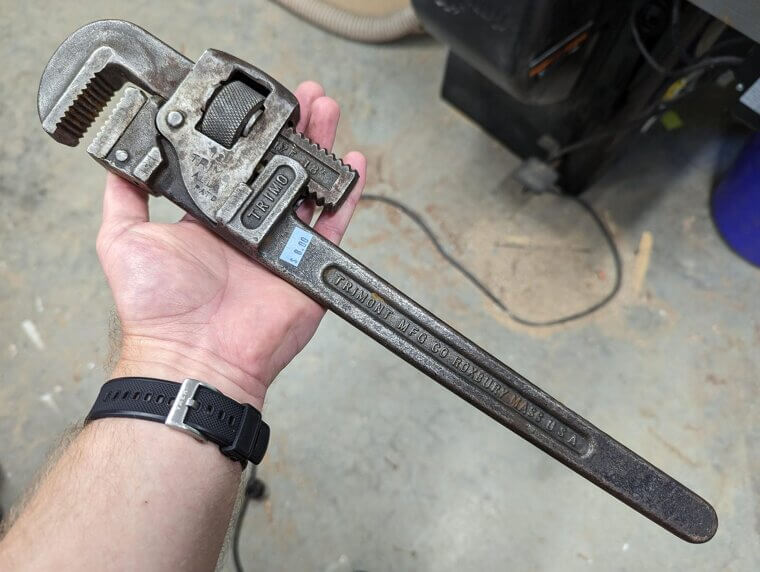
Large early examples bring $40 to $150, collected for display as much as use. The bigger and older, the better — size genuinely matters here.
Millers Falls Eggbeater Drills Are Collectible
A Saturday morning in 1962: the transistor radio playing Ray Charles, a father reaching past the electric drill for the eggbeater. Millers Falls hand drills were engineering marvels in miniature — smooth bevel gears, a hardwood handle worn to perfect patina, a chuck that gripped without complaint. The whirr of a well-tuned one is a sound no battery tool ever matched, and some woodworkers still prefer them for delicate work. The No. 2 and No. 5 are the ones collectors ask about by name.
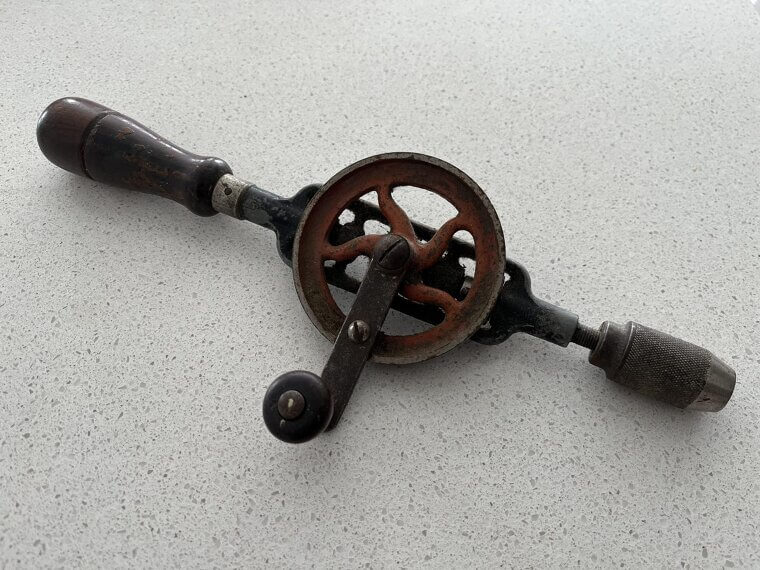
A complete No. 2 or No. 5 in working condition brings $60 to $180 from people who still remember those spinning gears.
Old Yankee Spiral Ratchet Screwdrivers
Push down, spin fast — the Yankee spiral ratchet screwdriver felt almost magical the first time you used one. It was the power drill of its era: North Brothers sold millions from the 1890s through the mid-century, with a chrome spiral shaft, a satisfying ratchet click, and bits stored inside the hollow handle. Dads handed them down like pocket watches. The full sets are what matter now — loose drivers are common, complete bit rolls are not.
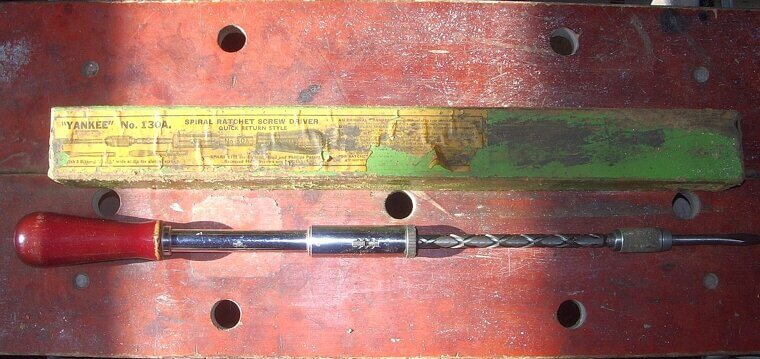
Original No. 30 and No. 135 sets with full bit rolls still command $80 to $200. The bits hiding in the handle are half the value.
Old Brace and Bit Sets Worth Keeping
Before the electric drill made them seem obsolete, a full brace and bit set in its canvas roll sat in every workshop. Old-timers could bore a mortise by feel alone, shavings curling up in perfect spirals — a two-inch hole with surprising control and almost no noise. Stanley, Millers Falls, and North Brothers braces had a sweep and balance that spade bits never replaced, only outpaced. Complete sets in original rolls are the find; orphan braces are everywhere.
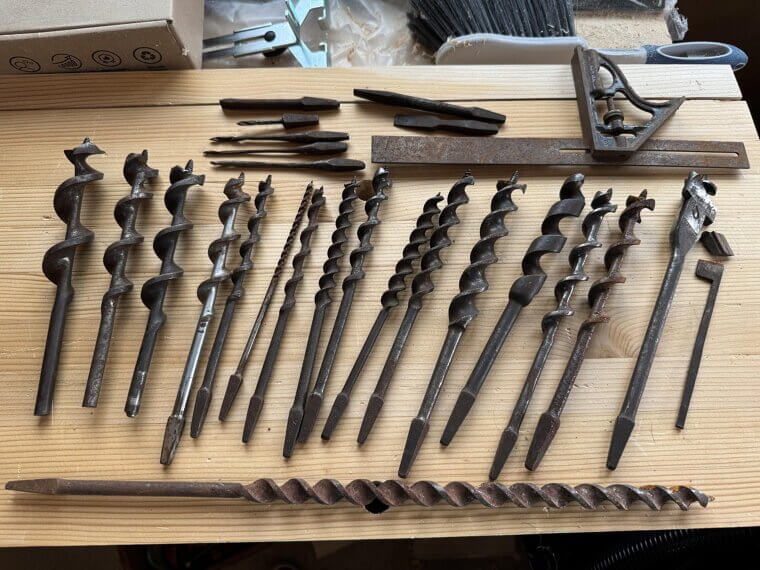
Complete sets fetch $60 to $200, and large-sweep Stanley braces alone bring $50 to $100. The canvas roll doubles your money — don't toss it.
Vintage Plumb Bob Sets Still Sell Well
What's the simplest tool ever made worth? A plumb bob is a pointed weight on a string — yet the antique brass and bronze examples from the late 1800s are objects of genuine beauty: elegant torpedo and pear shapes, removable tips for sharpening, carried by surveyors in leather pouches as a mark of professional pride. Craftsmen trusted gravity and a little brass weight more than any level. Unusual shapes and maker's marks separate the cheap ones from the rest.
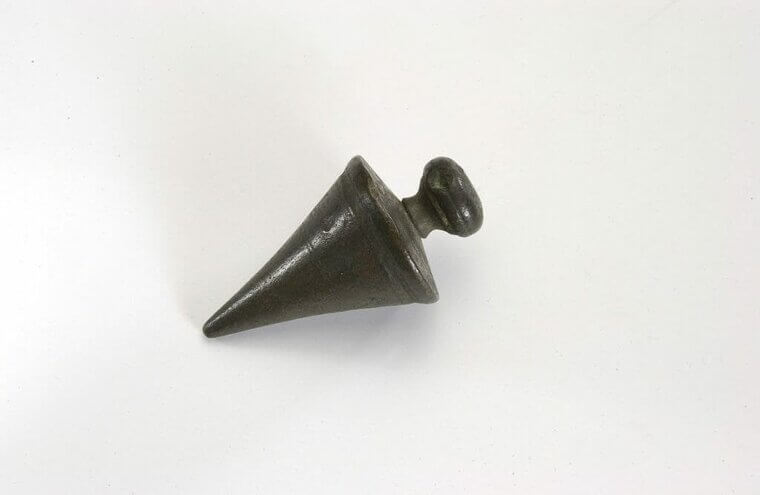
They sell for $30 to $200 each — rare examples higher. Per ounce, that might be the best return on this entire list.
Old Farrier Tools From Blacksmithing Days
Iron, leather, hoof, and coal smoke — a working farrier's kit had one of the most distinctive smells in American rural life. Hoof knives, rasps, clinchers, and pritchels from suppliers like Heller Brothers and Champion were forged from tool steel that held an edge through brutal daily use. By the 1960s farriery had become a specialty trade, and the old kits were left in barn corners. Collectors of agricultural antiques have been quietly pulling them out ever since.
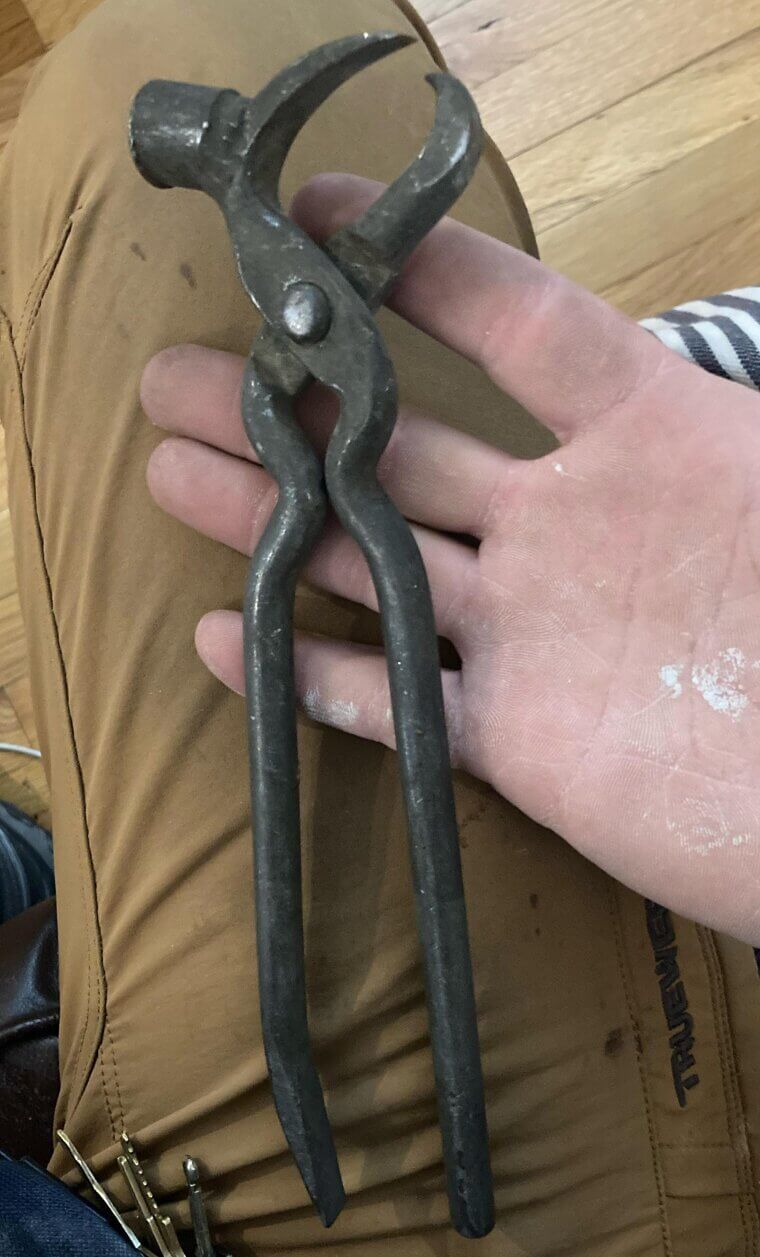
Quality farrier sets bring $50 to $200 depending on completeness. The barn corner is the new auction house.
Antique Adzes Used in Timber Framing
Run your hand across the scalloped beams in an old barn — those marks are the adze's signature, a record of a craftsman's skill and rhythm from a century ago. Timber framers used broad ship's adzes and lipped carpenter's adzes to dress hewn beams through the early 20th century, then the tool all but vanished from the modern kit. One of the oldest tools in human history, and most people under sixty have never held one. The ship's adze is the one that makes collectors reach for their wallet.
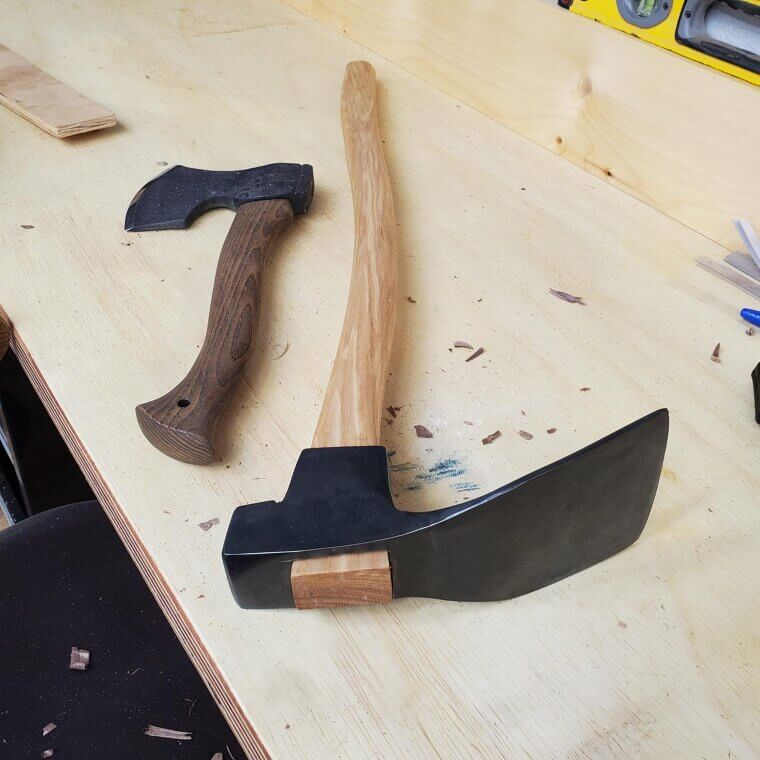
Quality antique adzes bring $50 to $200 — rare ship's adzes considerably more. Halfway point ahead, and the numbers are about to jump.
Halfway There — And the Math Gets Serious
Twenty tools down, twenty to go. Everything so far topped out around $200 — honest money, but not life-changing. That ends now. From here the list climbs through tools worth $300, $500, $800... and finishes with finds that have genuinely paid for cars. If a relative ever "worked with his hands," the back half of this list is the reason to keep scrolling.
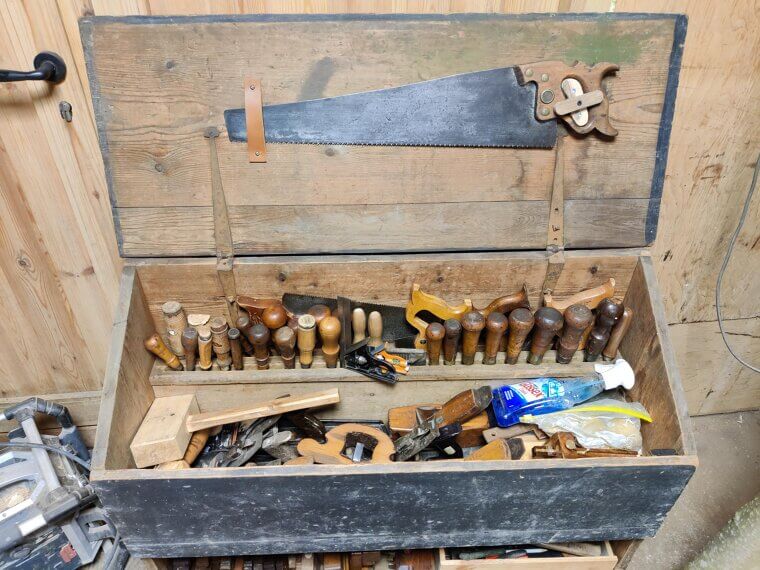
Fair warning: #2 has sold for more than some people's first car. #1 goes well beyond that.
Antique Trammel Points for Layout Work
Geometry and craft became the same thing when a joiner swung a perfect arc with trammel points — adjustable scribing tools that turn any straight beam into a giant compass. Standard equipment in serious joinery and timber-framing shops from the colonial era through the mid-1900s, the best were cast brass or machined steel with hardened points, used for laying out curved aprons and arched panels. Matched pairs with vernier adjustment are the version layout-tool collectors hunt.
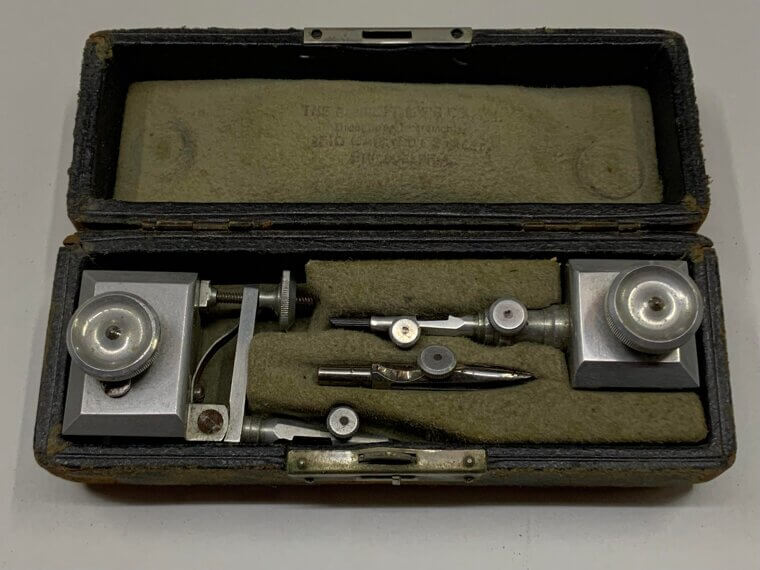
A matched pair in original case brings $50 to $200. Two pointy brass things in a box — who knew.
Old Leather Punch Sets From Harness Shops
Harness making was a major American industry through the 1920s — neatsfoot oil, tallow, cured leather, and at the center of every job, a fitted wooden case of punches, each ground to a precise diameter and hardened to cut heavy leather without tearing. The full kits came with a rawhide mallet and a steel anvil block. Both collectors and working leather craftsmen want them today, which is exactly what keeps the prices honest.
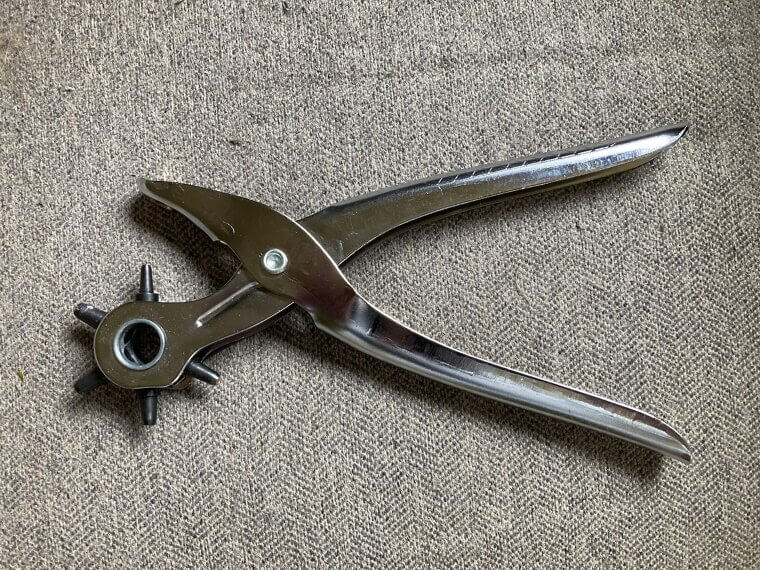
Complete sets in original cases bring $60 to $200. Two centuries of American craft in a box the size of a lunch pail.
Disston Crosscut Saws Still in Demand
Henry Disston & Sons built saws in Philadelphia the way cathedrals were built — slowly, with pride, and to last forever. An 1890s–1940s Disston had a hand-filed taper grind, a medallion stamped into the apple-wood handle, and a ring to the steel modern saws can't replicate. Serious woodworkers were hunting them at estate sales as far back as the 1970s, knowing a well-kept Disston outcut anything on a hardware shelf. The medallion is your dating guide — and your price guide.
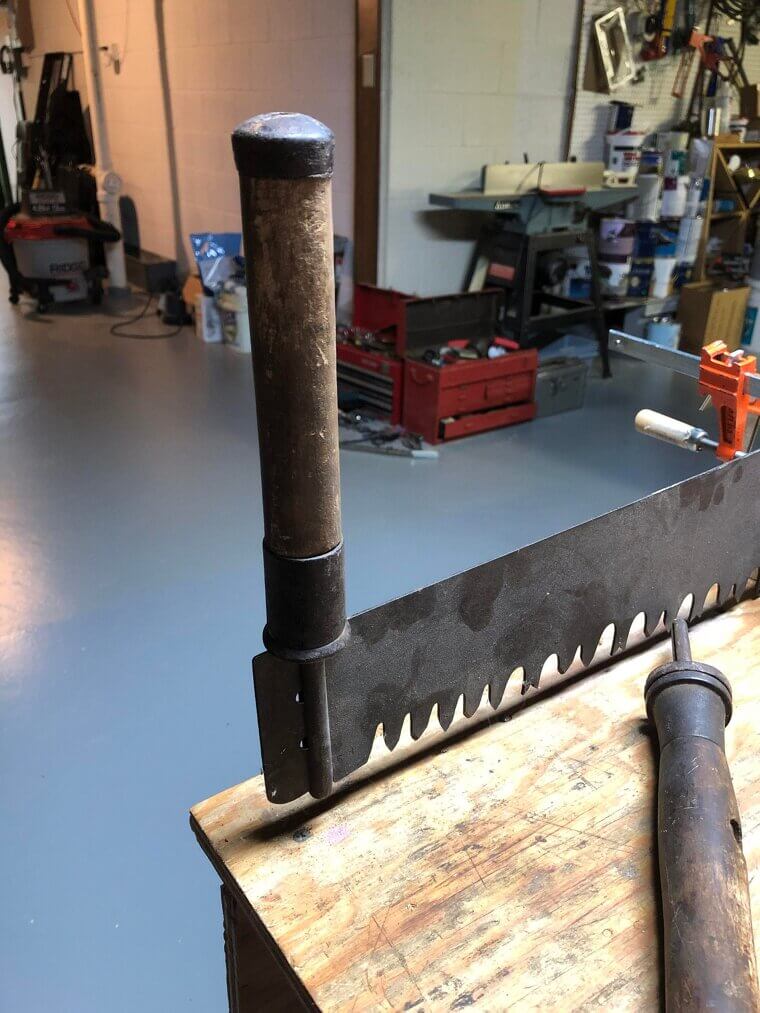
Clean examples with intact handles regularly sell for $75 to $250. Running a thumb across that medallion is touching American industrial history — the profitable kind.
Old Mortise Chisels Built for Heavy Work
These were built to be beaten. Mortise chisels took mallet blows into hardwood all day, every day, chopping the square holes that accept tenons — so Witherby, Buck Brothers, and Ohio Tool gave them thick, heavy blades and oval handles that refused to split. A century of punishment was the design spec. Single chisels turn up everywhere; the find is a matched, graduated set from one maker in one cabinetmaker's chest — the kind collectors drive three states for.
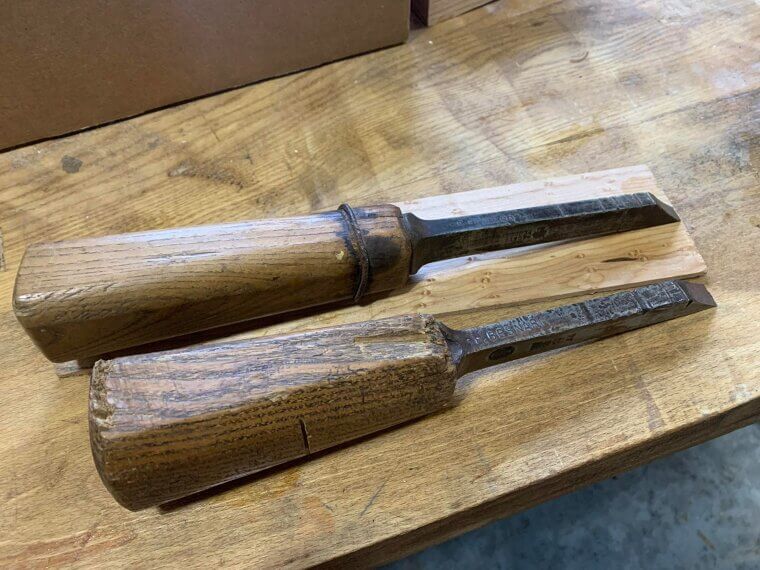
A matched set with original handles represents $80 to $250 in collector value. Singles are common; the full set is the jackpot.
Old Scraper Planes Prized by Fine Woodworkers
Fine furniture makers had a secret weapon for figured wood that tore under a normal plane — and many guarded it like a trade secret. The scraper plane shaved rather than cut, leaving a surface that caught light like polished glass, no sandpaper needed. Stanley's No. 80 was the workhorse; the rarer No. 112 is the one that changes a collector's expression. Preston and Record equivalents are equally prized. Learn to spot the 112 — the difference is hundreds.
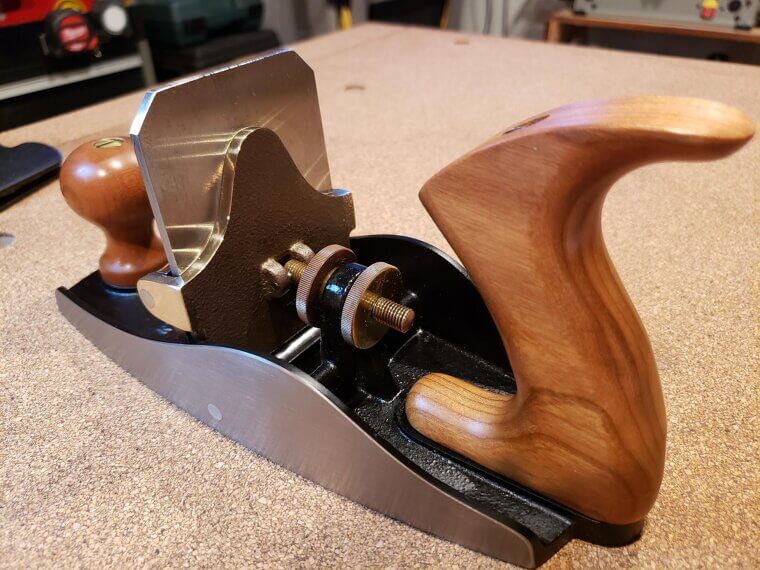
Clean examples bring $80 to $250 — and the No. 112 can fetch $400 or more. The most closely guarded tool in the finishing room is now the priciest in the drawer.
Antique Levels With Original Brass Fittings
Watching the bubble settle in an old brass-fitted level felt like watching something ancient and reliable at work. Stanley, Davis, and Stratton Brothers built them from seasoned cherry and mahogany with solid brass end caps and vial holders — finished to a standard that made them as handsome as furniture, and carpenters kept them wrapped in cloth between jobs. These tools outlasted the buildings they helped construct. Davis is the name that changes the conversation.
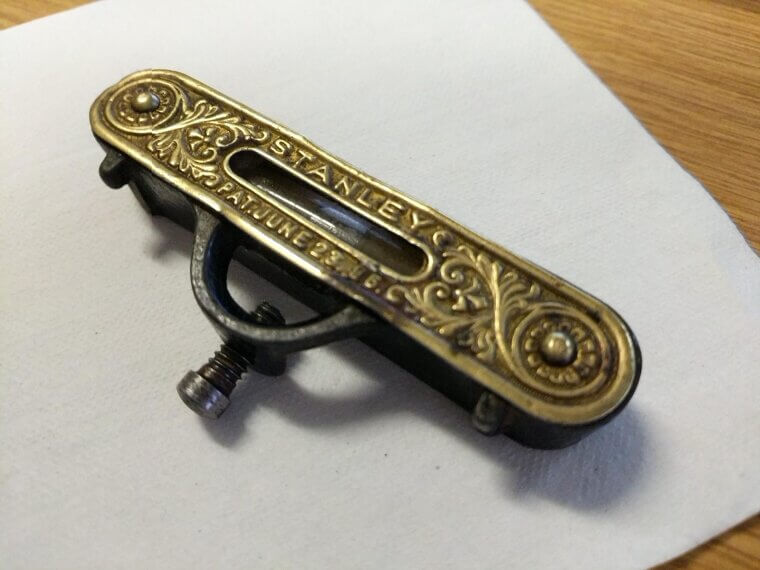
Clean examples with intact brass and readable vials bring $75 to $300 — rare Davis models much more. The fancier the brass, the harder you should look.
Antique Coopers Tools From Barrel-Making Trades
American whiskey, cider, and salt pork all once traveled in wooden casks — and the cooper's trade that built those barrels used a toolkit unlike any other: croze planes, howels, sun planes, bung borers, each made for a single purpose and made well. The shop smelled of white oak shavings and the ghost of whatever the barrels had held. A complete identifiable set today is a museum-quality find. Even the orphan pieces carry that history in their grain.
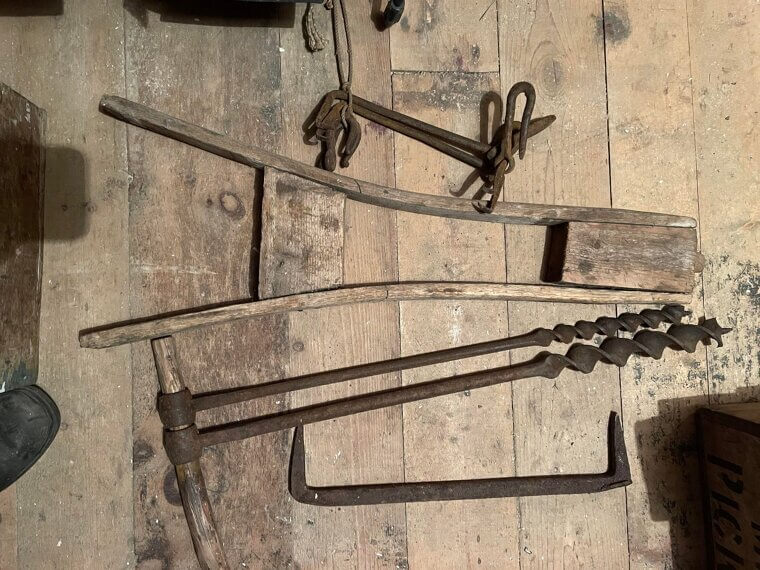
Individual pieces bring $50 to $300 depending on type and rarity. If you can't name the tool, there's a decent chance it's a cooper's — and worth looking up.
Vintage Router Planes for Woodworking Collectors
They called it the old woman's tooth — a strange-looking tool with one job: skimming the bottom of a dado or groove to a dead-flat, precise depth. Stanley's No. 71 was the definitive version from the early 1900s through the 1970s, and woodworkers who discovered one never gave it up; you could feel the cutter shave the last whisker of wood, feedback no power router gives. When they vanished from store shelves in the 80s, craftsmen were already buying them secondhand.
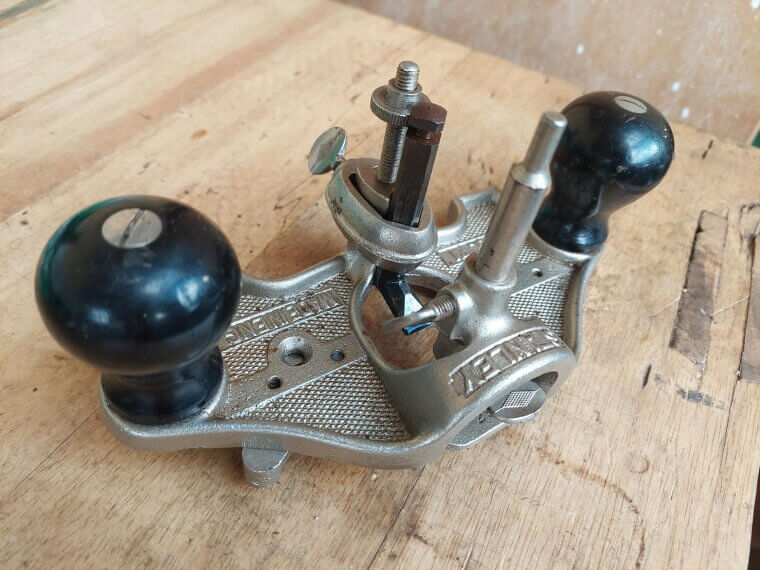
A complete No. 71 with original fence, depth stop, and full cutter set brings $150 to $350. The loose cutters rattling in the bottom of the box are the difference.
Stanley Hand Planes From the Early 1900s
Here's the one everyone's grandpa actually had. The heavy, japanned-black Stanley Bailey planes — No. 4, No. 5, and especially the No. 7 jointer — were the backbone of every serious woodshop of the early 1900s, precision instruments craftsmen saved up for. The rosewood totes darkened with decades of linseed oil and honest sweat. Collectors check the frog casting date and blade etch before they even pick one up. Intact original japanning is the money detail.
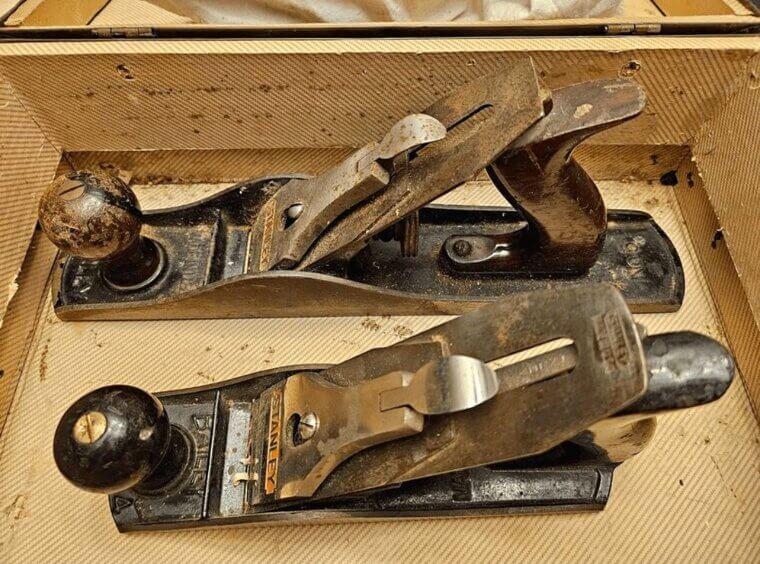
A pre-1940s Stanley in original condition fetches $150 to $400 at auction — sometimes more. The most likely tool on this list to actually be in your family's garage.
Cast Iron Bench Vises From Old Workshops
Would you pay good money for a hunk of cast iron bolted to a plank? Collectors absolutely would. Record, Wilton, and Columbia built mid-century vises with jaw widths and screw mechanisms modern imports don't match — and the groan of a big one opening under load was the sound of serious work beginning. Grandpa's vise, the one lagged into the bench corner with the cracked jaw pad, may well be a Wilton Bullet or a Record 52½. Look before you scrap.
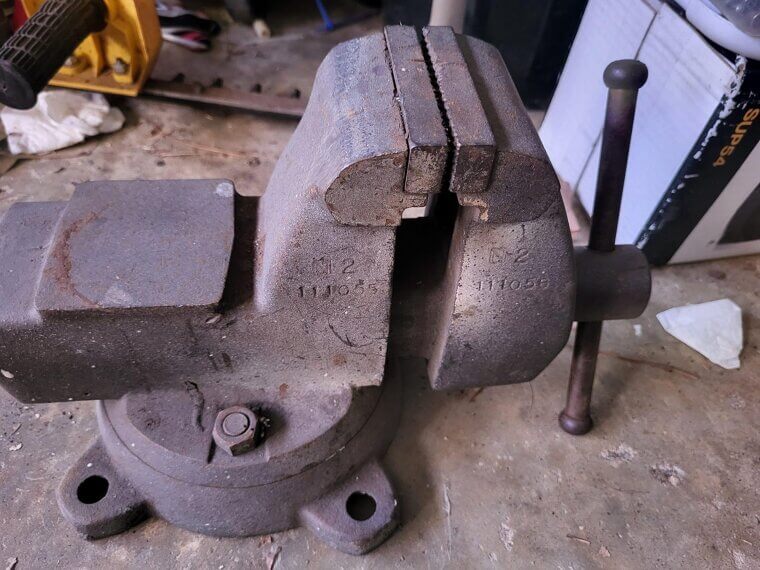
Cleaned and freed of rust, those models regularly sell for $150 to $400. The Bullet name alone moves the price — check the casting.
Final Ten — Where Toolboxes Become Inheritances
Thirty down. If your tally has even five recognitions by now, you may be sitting on four figures' worth of pegboard. The last ten entries are the reason appraisers get called to estate sales: precision instruments, pre-war steel, English planes built one at a time — and at #1, the single find that has genuinely reached five figures. Don't skim these. This is the part people screenshot.
From here, every single entry tops $400. Several top $1,000.
Vintage Tap and Die Sets in Metal Cases
A complete vintage tap and die set in its fitted metal case makes a machinist's hands shake a little. Greenfield, Butterfield, and Morse built theirs in the first half of the century with individual pockets for every tap and die, a tap wrench, die stock, and guide bushings — ground to tolerances modern import sets don't consistently hit. Opening one with every piece in place feels like opening a treasure chest. Missing pieces are exactly what they sound like: missing money.
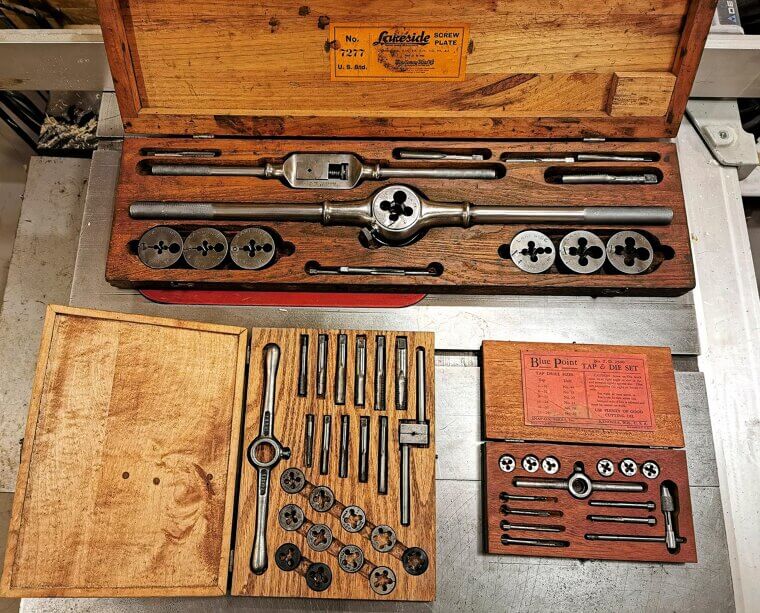
Complete sets in original cases bring $100 to $400 — rare large-range sets considerably higher. Count the pockets, then count the pieces.
Vintage Socket Chisels in Original Sets
The solid thunk of a socket chisel driven into hardwood meant the joinery was being done properly. Built for heavy work — the handle seats into a tapered steel socket rather than onto a fragile tang — the best sets came from Buck Brothers, Ohio Tool, and Witherby, forged from tool steel with handles turned from boxwood or hornbeam. They were made to take a century of punishment and keep an edge. A full set in its original leather roll, matching handles, readable stamps: that's the prize.
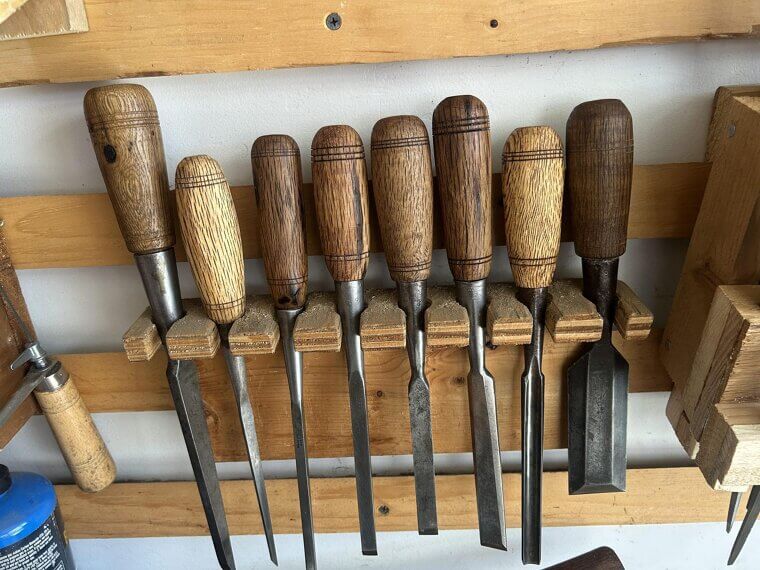
Quality sets in good condition regularly sell for $150 to $400, rare complete sets higher. The roll, the match, the stamps — get all three and you're at the top of the range.
Vintage Shoulder Planes Loved by Collectors
A shoulder plane in skilled hands could remove a single shaving from a tenon and make a joint close with a whisper. It's a specialist's tool — narrow, precise, built for exactly one job — and the vintage Preston, Record, and Stanley versions are among the most collected hand tools in the world. The Preston 1383 and Record 073 command prices that genuinely surprise the people who find them at estate sales. Which is the point: most sellers have no idea.
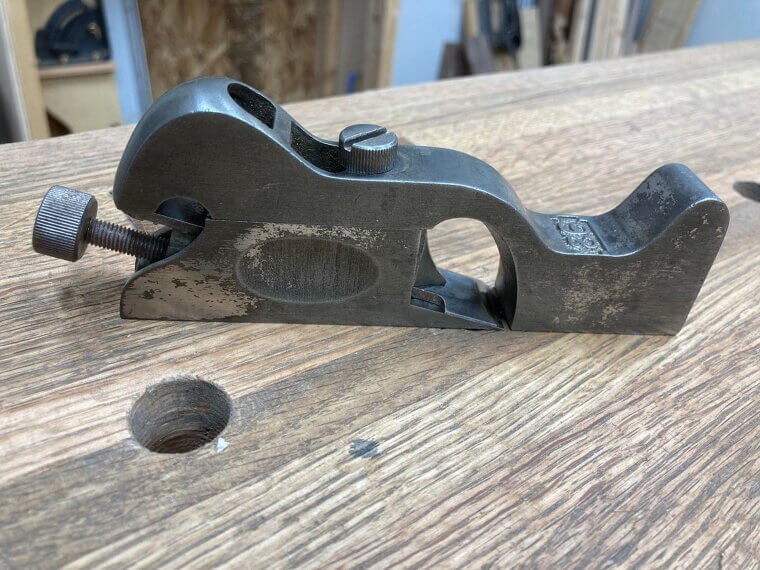
Good examples bring $100 to $400 — rare Preston models exceed $600. Small plane, embarrassingly large payday.
Pre-War Starrett Precision Measuring Tools
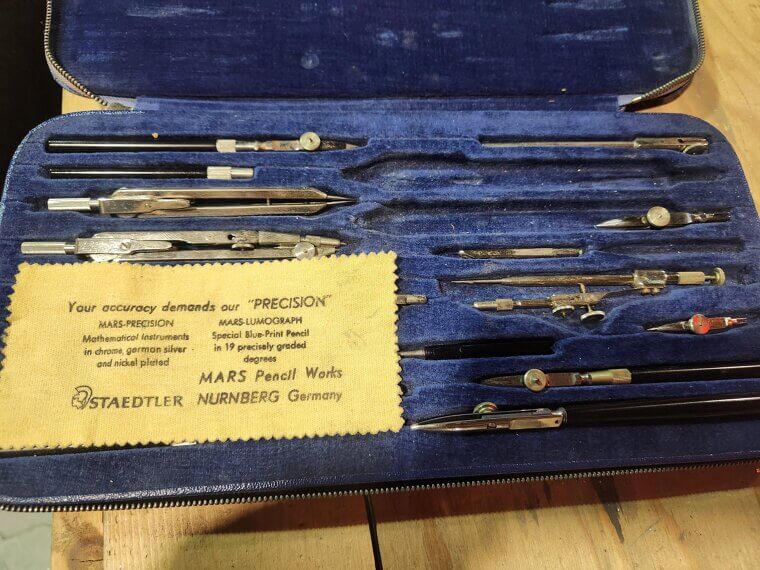
Machinists guarded their Starretts the way surgeons guard their instruments. The company has made precision tools in Athol, Massachusetts since 1880, but the pre-World War II pieces are a class apart — harder steel, finer graduations, a jewel-like fit. Opening a worn leather Starrett case felt ceremonial: velvet lining, every instrument seated precisely. These were made by people who took accuracy personally — and the market takes the date markings personally.
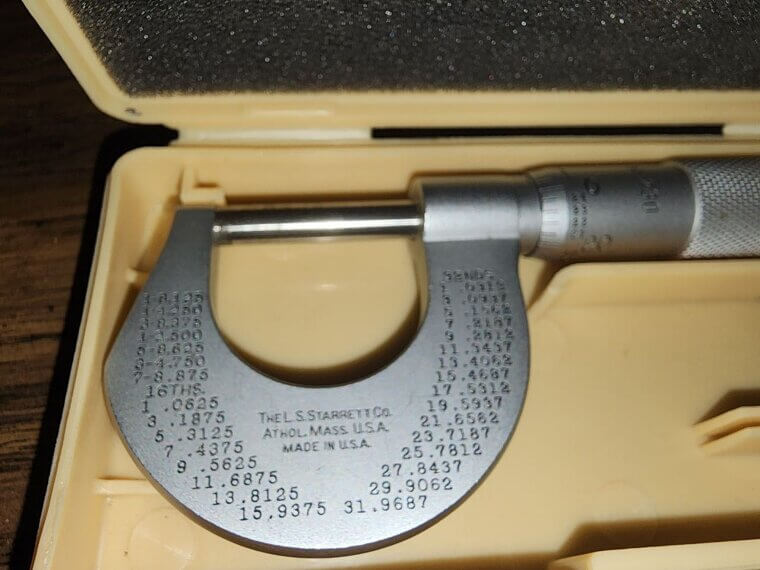
A pre-war No. 4 combination square in original condition brings $200 to $500 — complete cased sets considerably more. "Pre-war" is the magic word; learn to read the markings.
Antique Wooden Plow Planes From Early Workshops
Nobody made a tool this beautiful unless they were proud of what they did for a living. The wooden plow plane — fence, depth stop, interchangeable irons for any width of groove — was the pre-industrial woodshop's groove-cutter, and the finest from Ohio Tool, Auburn, and Sandusky wore boxwood arms and brass hardware that gleamed like jewelry against dark fruitwood bodies. The router and dado stack retired them by the 1950s. The full set of irons separates the wall-hanger from the windfall.
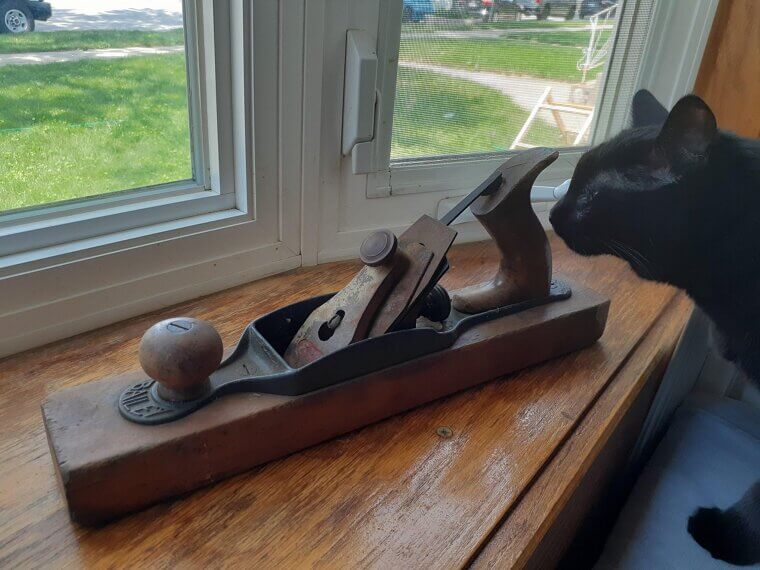
A complete plow plane with full irons and intact hardware commands $200 to $600 — and a rare Sandusky will stop a serious collector cold.
Old Carving Gouges From European Toolmakers
Carvers talk about old English gouges the way musicians talk about vintage instruments — as if the tool itself has a voice. Sheffield makers like Addis, Herring Brothers, and Ward & Payne forged them from crucible cast steel in the late 1800s, hand-ground the bevels, and turned the handles from boxwood to fit the carver's grip. The edge held with a tenacity that seemed almost personal. American craftsmen were paying premiums for these back in the 1970s — and they were right to.
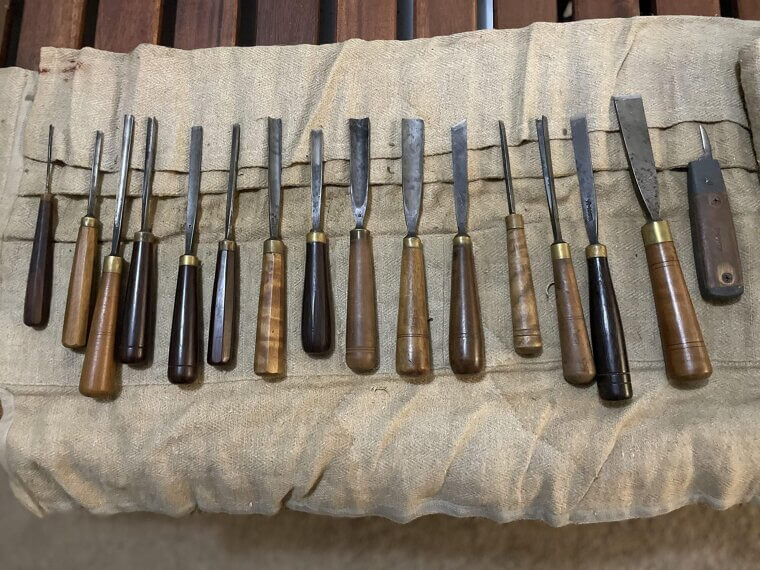
A matched Sheffield set in its original canvas roll brings $200 to $600. The roll matters, the match matters, the Sheffield stamp matters most.
Vintage Machinist Micrometers in Original Cases
A Brown & Sharpe or Lufkin micrometer was not a tool you bought lightly. Ground to tolerances measured in ten-thousandths of an inch, with thimbles that turned almost liquid-smooth, these were instruments mid-century machinists wiped down after every use and never let an apprentice touch unsupervised. They lived in fitted wooden or leather cases — and that case is half the value. Lose it and you've cut the price dramatically. Find it, and you're holding one of the best returns in the toolbox.
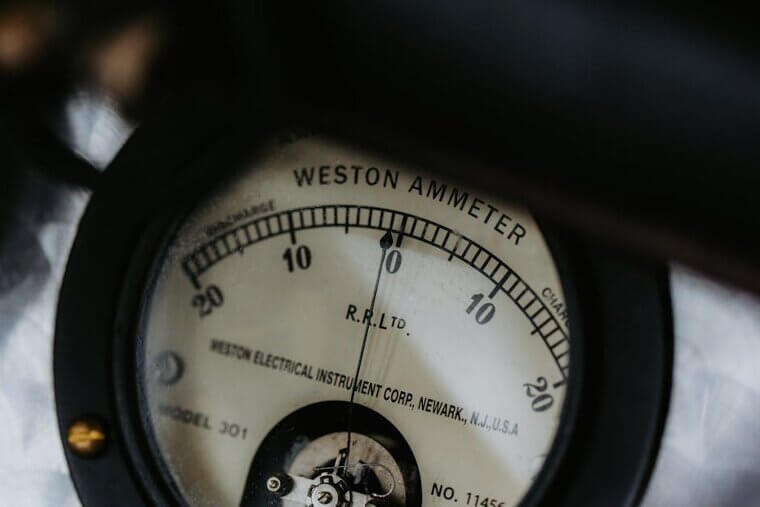
A complete cased Brown & Sharpe or Lufkin set brings $300 to $800 at auction. Accuracy as a form of respect — and now, of profit.
Pre-War Snap-on Wrenches in Original Sets
Snap-on started selling to mechanics from a rolling cabinet in 1920, and the pre-war wrenches are among the most valuable hand tools in the collecting world. Different steel, different forging, a fit and finish even Snap-on's modern premium line struggles to match — and a finish collectors call "old chrome," a color and texture never quite replicated after the war. Once you've seen it, it's unmistakable. Even individual early wrenches with legible stamps are worth real money on their own.
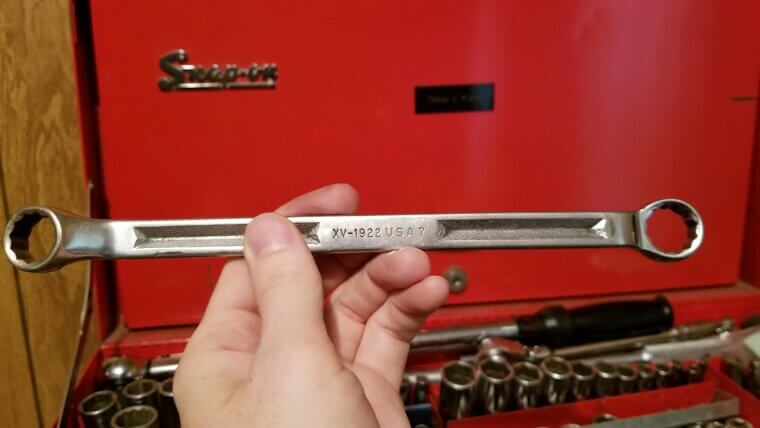
A complete pre-war combination set in its original roll brings $500 to $2,000 at the right auction — single stamped wrenches $50 to $200 each. Yes. For wrenches.
English Infill Planes by Norris and Spiers
These were the sports cars of the hand tool world. While Stanley dominated America, English makers — Norris, Spiers, Mathieson — built infill planes one at a time: dovetailed steel bodies packed with rosewood or gunmetal, infills shaped to the palm, mouths filed to a hairline. They produced a surface no sandpaper could match and were sold to craftsmen who expected a lifetime of use. Collectors who find one at an estate sale rarely talk about anything else for the rest of the day.
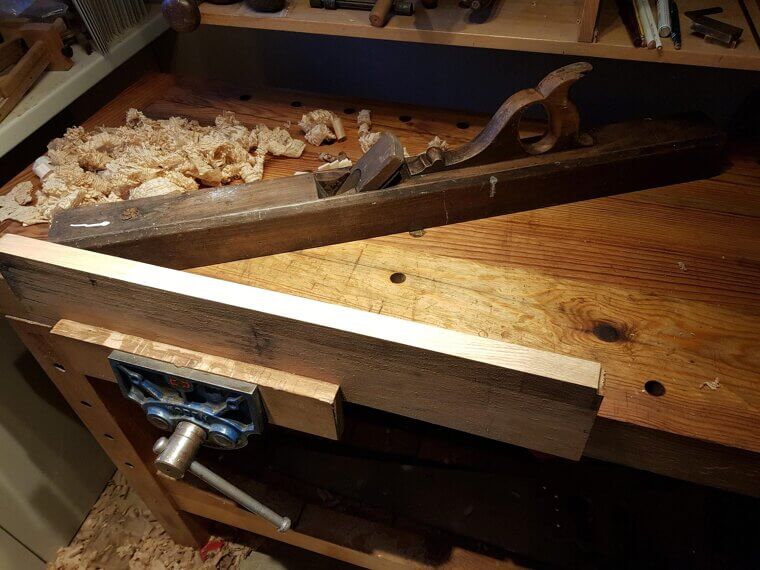
A genuine Norris or Spiers in original condition brings $600 to $3,000 at auction. One plane. Three grand. And we're still not at #1.
Antique Tool Chests Filled With Old Treasures
The antique tool chest is the whole story in one object — a craftsman's life compressed into dovetailed drawers and fitted trays. The great 19th-century chests were built by the men who used them, often in mahogany or cherry, every tool in exactly the right place. Opening one for the first time — aged wood, oil, and steel rising up — feels like opening a letter from someone you never got to meet. Finding one intact, tools still seated, changes the course of an estate sale.
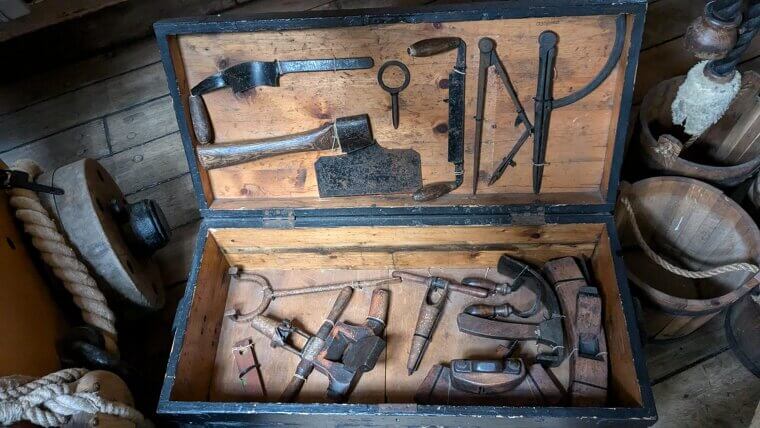
A complete craftsman's chest with original tools brings $1,000 to $10,000 or more. So — how was your tally? Grandpa's garage might be calling. Seriously. Go check.