
Some houses don't just survive — they hold still. The original furniture is right where it was left. The handwriting is still on the walls. In one case, the descendants of the owner's cats are still wandering the rooms. Here are 30 historic homes that feel like their famous residents could walk back in any minute.
Monticello's Rooms Still Breathe Jefferson's Genius
Everyone knows Thomas Jefferson designed Monticello in Charlottesville, Virginia. You've seen the nickel, read about his architectural brilliance, maybe even visited. But here's what shifts the experience from museum to something almost eerie — his personal inventions are still exactly where he left them. The revolving bookstand sits ready for five open volumes. The Great Clock still marks the days of the week. His alcove bed remains tucked between his study and bedroom, precisely where he slept.
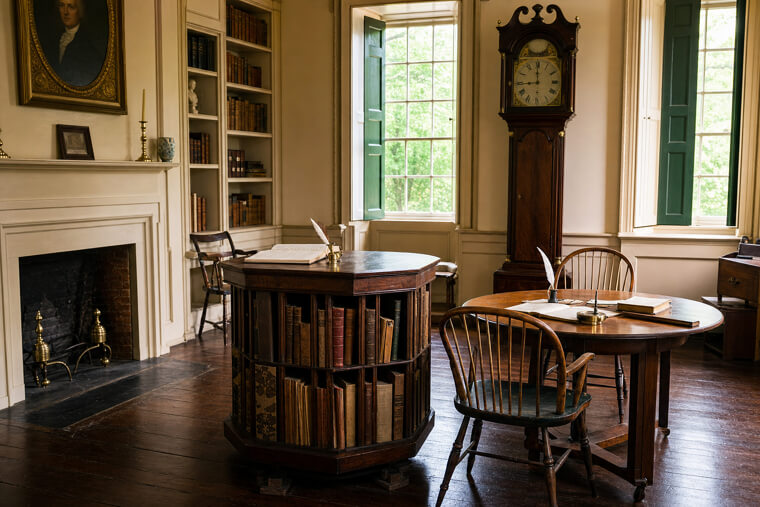
It doesn't feel preserved. It feels paused — like Jefferson just stepped into his garden and forgot to come back. That sense of a life interrupted is rare in historic homes, but the next one on our list manages something similar with an even older founding father.
Mount Vernon Keeps Washington's Dentures Story Alive
You already know Mount Vernon — George Washington's Virginia estate overlooking the Potomac, the home every schoolkid learns about. You probably even know the dentures weren't wooden (they were ivory, metal, and human teeth). But here's the detail that stops visitors cold: hanging on the wall of the central passage is the key to the Bastille, sent by the Marquis de Lafayette in 1790. It hasn't moved in over two hundred years.
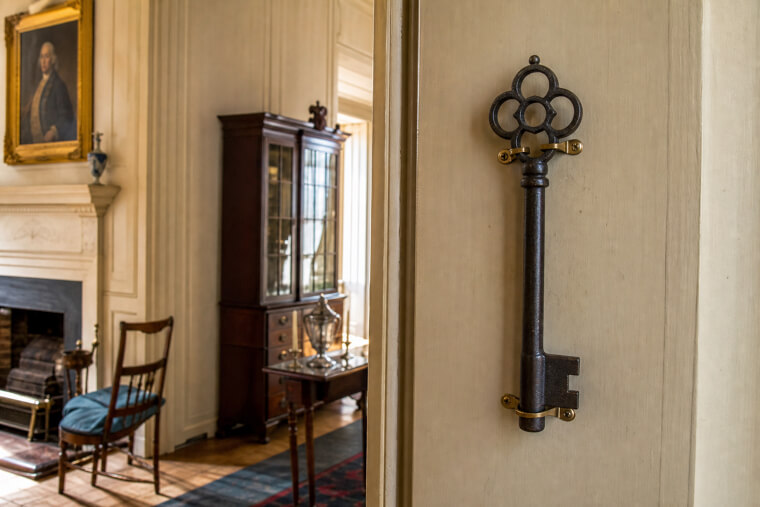
Washington's personal study, his original furniture, even the layout of his enslaved workers' quarters — all meticulously maintained since 1858. The estate feels less like a monument and more like a household waiting for its general to return. But not every frozen-in-time home belonged to someone famous for nobility.
Biltmore Estate Froze the Gilded Age
You've seen photos of the Biltmore Estate in Asheville, North Carolina — everyone recognizes that massive French Renaissance château the Vanderbilt family built in 1895. At 250 rooms, it's still America's largest privately owned home, and yes, it's as overwhelming as you've heard. But here's the detail that reframes everything: this place was finished before federal income tax existed. The 65 fireplaces, the indoor swimming pool, the bowling alley — all original, all intact.
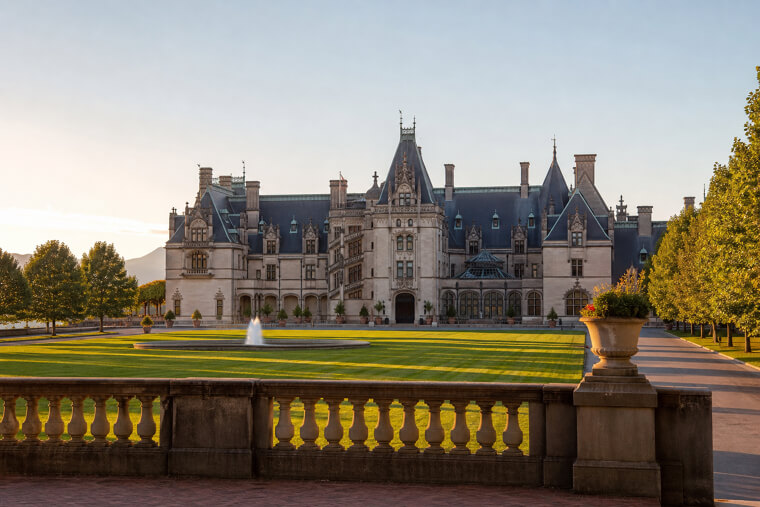
This wasn't old money being cautious. This was new money with literally no tax obligation building whatever it wanted. Walking through Biltmore doesn't just show you Gilded Age wealth — it shows you wealth without limits. The next home on our list tells a very different American story.
Laura Plantation Tells the Unfiltered Truth
Laura Plantation in Vacherie, Louisiana, offers something most historic homes won't — the full story. Book a tour focused specifically on the original slave quarters, which still stand behind the elegant Creole main house. What makes Laura exceptional is that handwritten memoirs were discovered in the attic, providing first-person accounts from enslaved families who lived here. Guides read directly from these documents, giving names, voices, and daily realities to people most plantation tours reduce to footnotes.
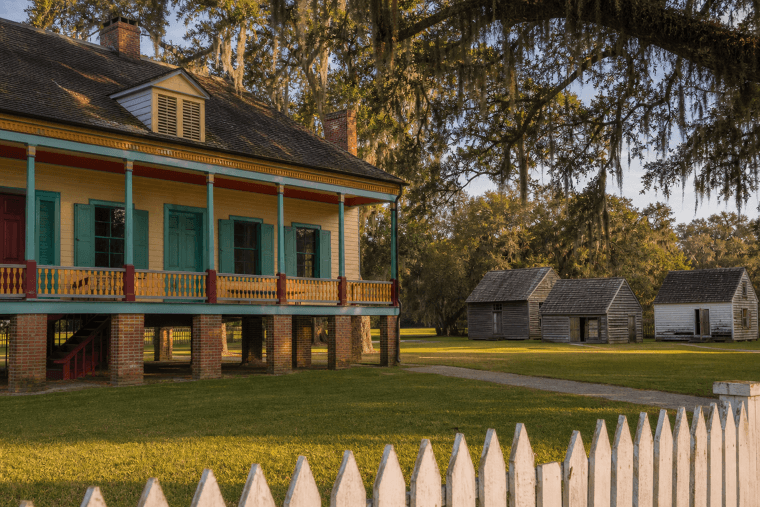
Admission is around $25, and the enslaved people's tour runs daily — arrive early, because it sells out. You'll leave carrying stories that don't let go easily. Speaking of stories that linger, the next home belonged to a poet who barely left her bedroom.
Emily Dickinson's Bedroom Where Poetry Was Hidden
Emily Dickinson wrote nearly 1,800 poems without publishing more than a handful. When she died in 1886, her sister Lavinia found them bundled in a locked chest in her bedroom — decades of genius hidden in a piece of furniture. That bedroom in the Dickinson Homestead in Amherst, Massachusetts, looks exactly as it did during those secretive years. The same small writing desk sits by the same window, where Dickinson watched neighbors, funerals, and seasons change from a room she increasingly refused to leave.
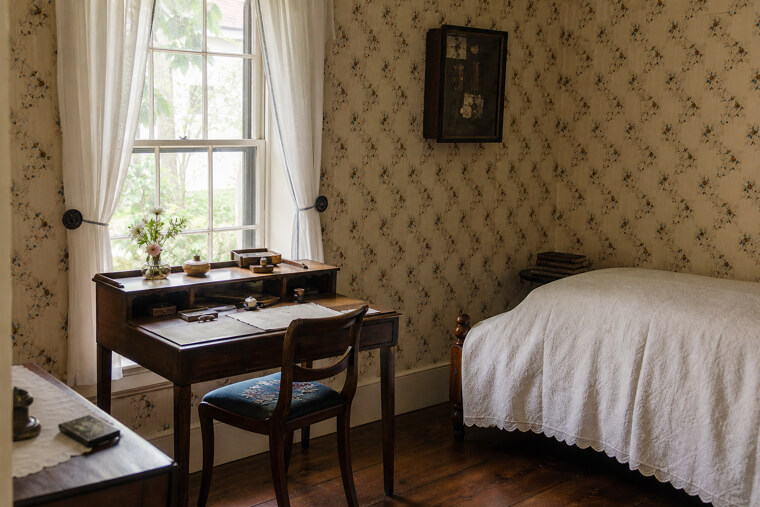
She reportedly lowered gingerbread in a basket to children below that window. The wallpaper, the light, the modest scale of the space — nothing prepares you for how tiny the room is where American literature quietly transformed. The next home's owner didn't hide from the world. He rode through it at midnight.
Paul Revere's Home Survived Three Centuries Downtown
Everyone knows the midnight ride. But most people picture Paul Revere living in some grand colonial estate befitting a national hero. The Paul Revere House in Boston's North End shatters that image immediately. Built around 1680, it's the oldest remaining structure in downtown Boston — a modest, dark-timbered home with small rooms where Revere raised 16 children across two marriages. The ceilings are low. The kitchen is cramped. This was a working silversmith's home, not a monument.
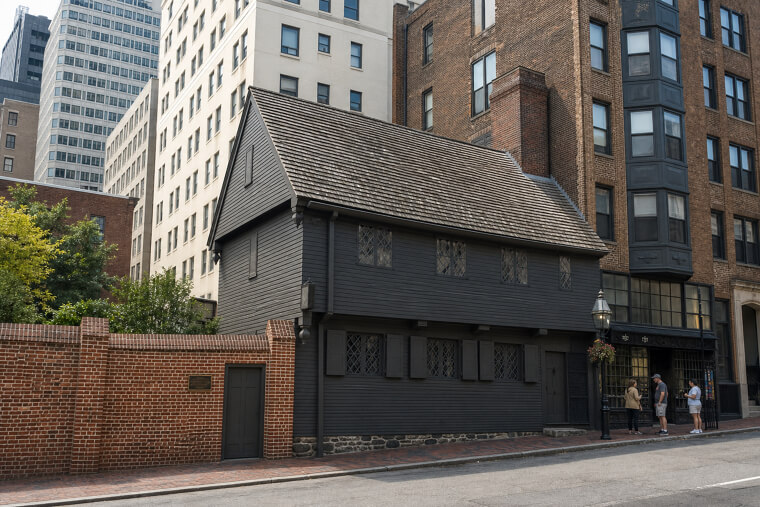
Step outside and glass towers loom overhead, making the house look almost impossibly fragile — a wooden survivor surrounded by three centuries of change. That contrast alone is worth the visit. The next home on our list wasn't built to blend in. It was designed as a fantasy.
Olana's Painter Built a Persian Fantasy in New York
You don't expect to find a Persian palace on a hilltop in rural New York. But Frederic Edwin Church, the most famous landscape painter in 19th-century America, didn't just paint breathtaking vistas — he built one to live inside. Olana, his home overlooking the Hudson River in Hudson, New York, features hand-stenciled Islamic-inspired patterns on nearly every surface, vibrant colors Church mixed himself, and original furniture he collected during travels through the Middle East.
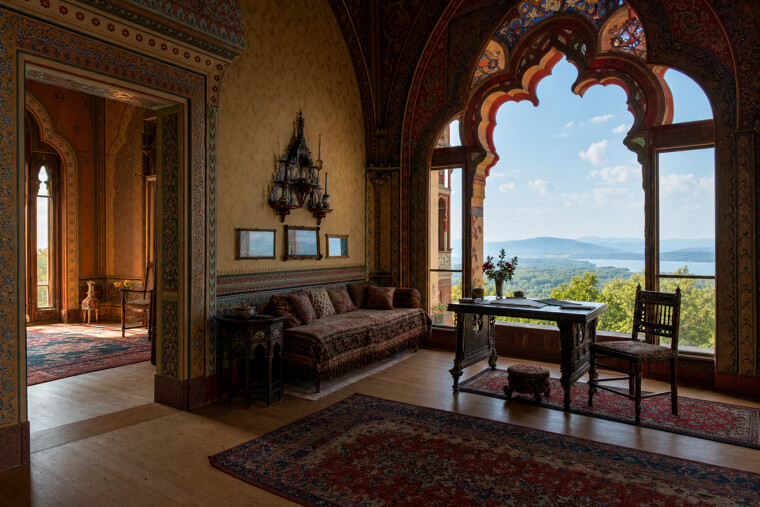
Here's what stops visitors cold: every single window was positioned to frame the outside landscape like a painting. Church literally designed his home as a gallery of living art, with the Hudson Valley as his permanent exhibition. The next historic home took the opposite approach — refusing to change a single thing, ever.
Drayton Hall Never Got Electricity or Plumbing
Preservationists will tell you restoration always involves compromise — you're guessing at paint colors, replacing rotted wood, interpreting what was. Drayton Hall near Charleston, South Carolina, sidesteps that problem entirely. Built in 1738, it has never been restored because it was never modernized. No electricity was ever installed. No plumbing. No wallpaper, no central heating, no layers of renovation to peel back. What you see is the actual building, aging honestly for nearly three centuries.
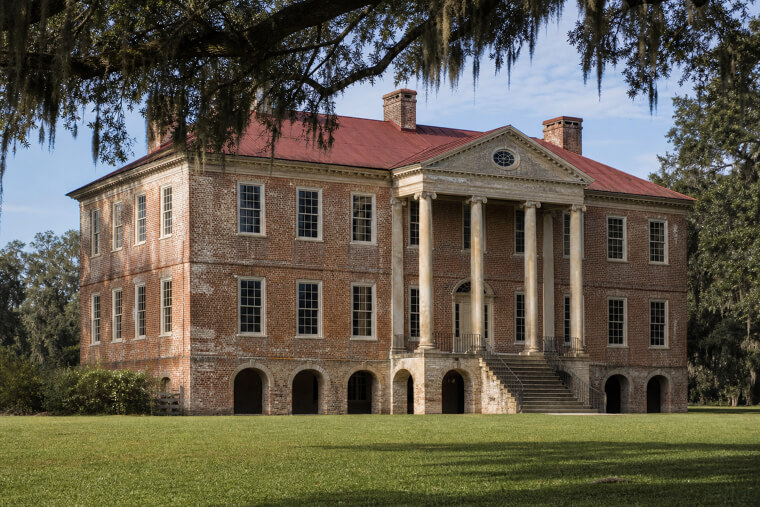
This makes it invaluable to architectural historians studying original Georgian-Palladian construction techniques. But it also delivers something unexpected — standing in rooms built by enslaved craftsmen, without modern distractions, the silence forces you to reckon with their skill and their suffering simultaneously. Speaking of homes that never stopped changing, the next one was built nonstop for 38 straight years.
Winchester Mystery House Never Stopped Being Built
Construction crews worked around the clock for 38 years straight. Not renovating — building. Sarah Winchester, heir to the Winchester rifle fortune, kept carpenters hammering at her San Jose, California, mansion 24 hours a day from 1886 until her death in 1922. The reason? She reportedly believed the ghosts of everyone killed by Winchester rifles would haunt her unless construction never ceased. The result is 161 rooms of architectural madness.
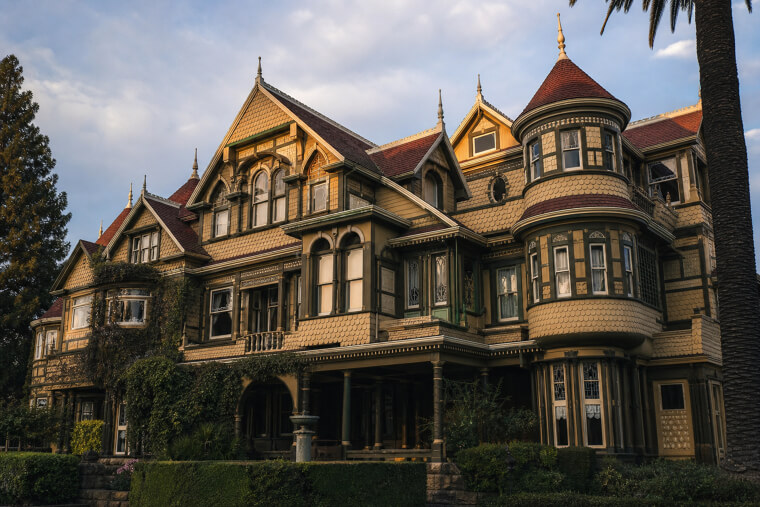
Staircases climb directly into ceilings. Doors swing open onto blank walls. Windows look into other rooms. Cabinet doors open to reveal inches of wall behind them. It's a home designed by grief, superstition, and unlimited money — and every bewildering detail remains exactly as she left it. The next home was also built by a visionary, but this one defies gravity itself.
Fallingwater Defies Gravity Over a Waterfall
You can stand inside Fallingwater and feel the house breathe. Frank Lloyd Wright's 1935 masterpiece in Mill Run, Pennsylvania, is cantilevered directly over Bear Run waterfall — and when you tour the home, that rushing water follows you through every room. The original owners, the Kaufmann family, called it the house's heartbeat. Wright's custom-designed furniture, built-in desks, and original Cherokee red accents remain exactly where he placed them.
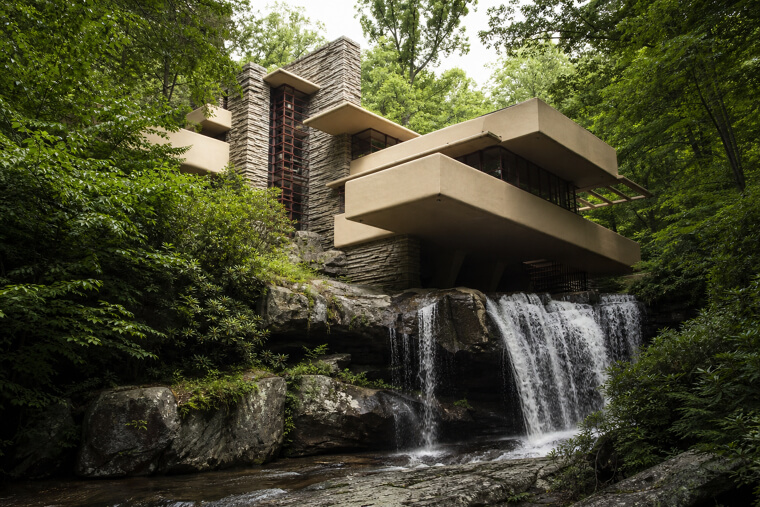
Book the in-depth tour, not the regular one — it lets you step onto the terraces hanging over the falls and opens private spaces most visitors never see. It's architecture you don't just observe but physically experience. Up next, a house where the experience gets considerably more unsettling.
Lizzie Borden's House Lets You Sleep There
Most historic homes keep you behind velvet ropes. The Lizzie Borden House in Fall River, Massachusetts, invites you to spend the night. The site of the infamous 1892 axe murders now operates as a bed-and-breakfast, with period-accurate furnishings restored to their exact 1890s arrangement. You can book the room where Abby Borden's body was discovered — then sleep in it, if sleep comes. But the most unnerving detail isn't the rooms themselves.
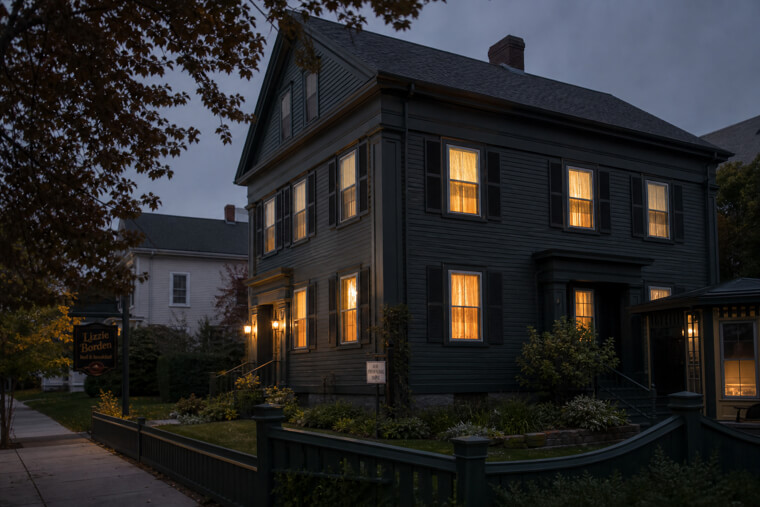
It's breakfast. The kitchen serves the same meal prepared the morning of the murders — bananas, johnnycakes, sugar cookies, and mutton. History served on a plate in a house that refuses to let you forget what happened there. The next home takes preservation in an entirely different direction — locking away perfection instead of horror.
Gamble House Locked Away Every Original Detail
Architects call the Gamble House in Pasadena, California, the holy grail of Arts and Crafts design — and here's why insiders get reverent about it. When David and Mary Gamble donated their 1908 Greene and Greene masterpiece to the City of Pasadena and USC, they attached one non-negotiable condition: nothing leaves. Every hand-shaped light fixture, every custom mahogany chair, every original rug remains exactly where the architects placed it. No pieces sold at auction, no furniture scattered across museums.
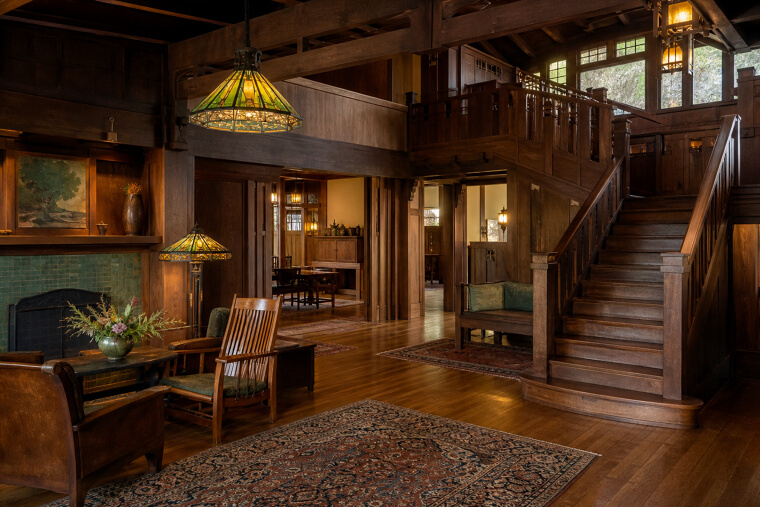
This matters because most historic homes are reassembled approximations. The Gamble House is the real thing — a complete, untouched artistic vision where the architecture, furniture, and decorative details were designed as one unified work. It's the difference between hearing about a masterpiece and standing inside one. Speaking of standing inside someone's creative world — the next home has a Nobel laureate's descendants still patrolling the grounds.
Hemingway's Key West Cats Still Rule the House
Visit Ernest Hemingway's Key West home and you'll be greeted before you reach the front door — by cats. Roughly 60 polydactyl six-toed cats descended from Hemingway's own pet Snow White roam the property freely, napping on his original Spanish colonial furniture and padding through the lush gardens like they hold the deed. The house preserves his writing studio above the carriage house, where he worked on "For Whom the Bell Tolls" each morning before heading downstairs to join the chaos of daily life.
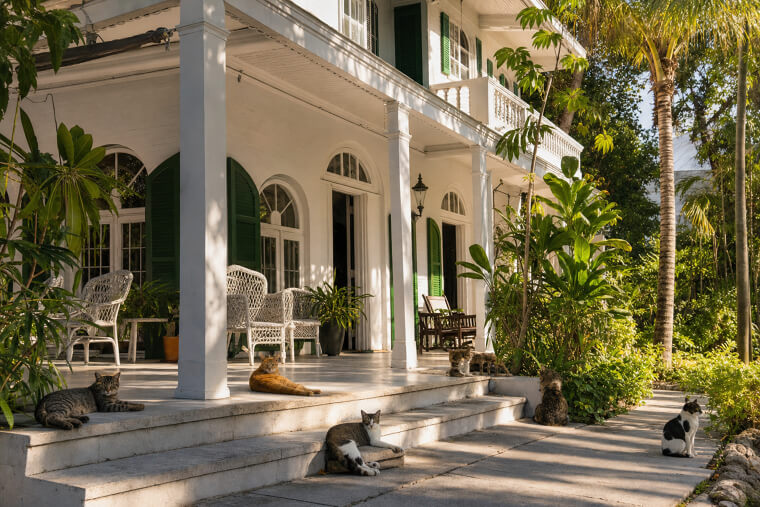
Look for cats lounging near the penny embedded in the concrete by Hemingway's pool — he pressed it there himself, joking his wife had spent his last cent building it. It's a home where the literary legend feels close enough to argue with. The next home's story carries far greater weight — and a far harder history.
Harriet Tubman's Final Home Still Stands in Auburn
Harriet Tubman's brick home in Auburn, New York, is where freedom wasn't abstract — it was daily life. After leading dozens of enslaved people to liberation through the Underground Railroad, Tubman settled here for over 50 years, turning her property into the Harriet Tubman Home for the Aged, caring for elderly Black Americans who had nowhere else to go. The modest rooms where she cooked, prayed, and organized still stand.
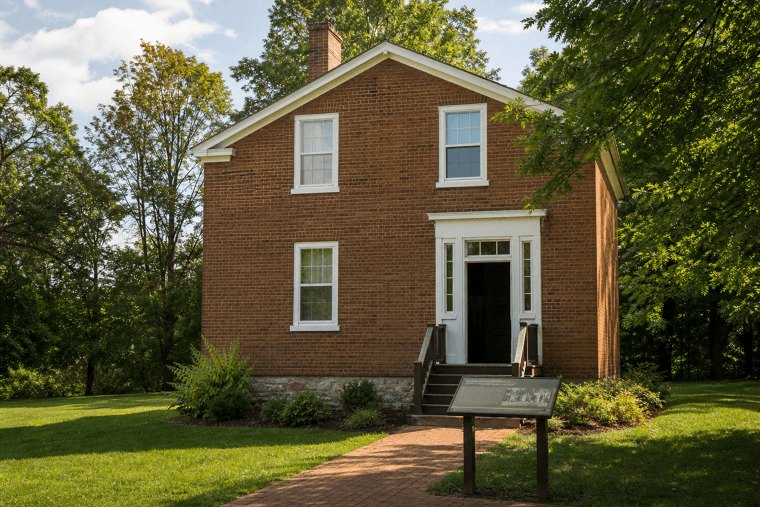
In 2017, the site became a national historical park, ensuring federal protection for a house that represents something rare — not just where a hero lived, but where she kept working after the history books stopped paying attention. The next home belonged to a man whose wealth could fill this one a thousand times over.
Lyndhurst Mansion Holds a Robber Baron's Secrets
Jay Gould was America's most hated man — a railroad tycoon so ruthless he nearly crashed the gold market. But step inside his Gothic Revival castle, Lyndhurst, in Tarrytown, New York, and you'll find something unexpected: a home frozen in amber by a family that simply refused to change it. Gould's descendants kept his Victorian furniture, personal art collection, and ornate interiors untouched for over a century, resisting every urge to modernize.
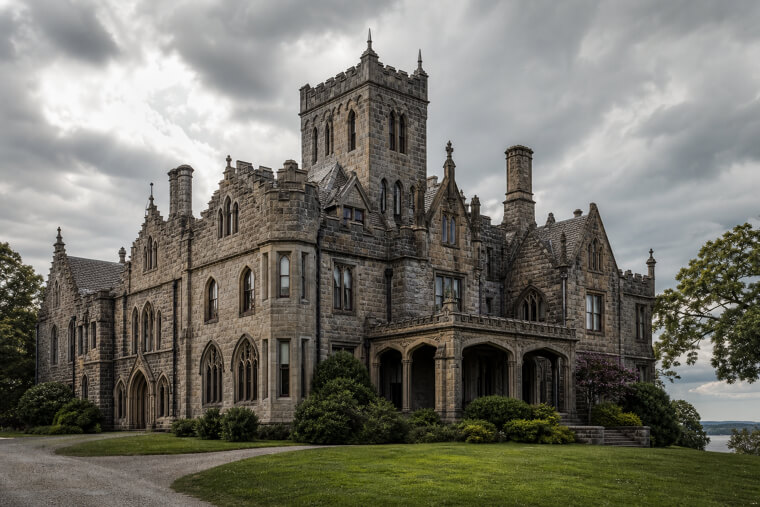
Even the massive steel-framed greenhouse — revolutionary for its time — still stands on the grounds. The result is a rare window into how a man who reshaped American capitalism actually lived behind closed doors. The next home's owner also spent lavishly — and it destroyed him.
Mark Twain's Hartford Home Bankrupted Him Beautifully
Mark Twain spent so lavishly on his 25-room Hartford, Connecticut, mansion that it helped bankrupt one of America's most successful authors. He commissioned Louis Comfort Tiffany to design the interiors — hand-stenciled walls, elaborate woodwork, silver-plated hardware — while raising a family and writing masterpieces like "Adventures of Huckleberry Finn" in the upstairs billiard room. The costs spiraled so badly that Twain eventually had to abandon the home entirely and embark on a worldwide speaking tour just to pay his debts.
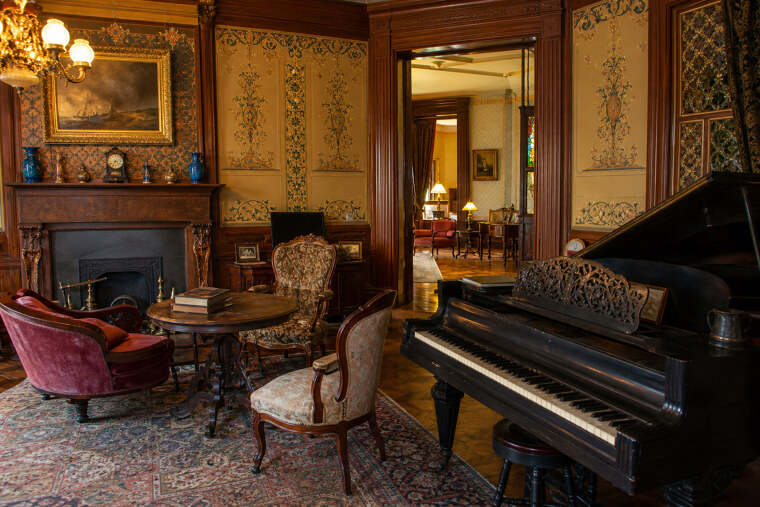
Here's the beautiful irony: because the family left and the house was later carefully restored, those Tiffany interiors survive in stunning condition. You're seeing the exact rooms where America's greatest humorist was both wildly creative and financially reckless. The next home stayed in one family's hands for four generations — and they brought everything with them.
Shadows-on-the-Teche Has the Same Family's Furniture
Most historic homes are furnished with period-appropriate pieces sourced from auctions and educated guesswork. Shadows-on-the-Teche in New Iberia, Louisiana, is different. When the Weeks Hall family donated this 1834 antebellum home to the National Trust in 1958, they included everything — four generations of furniture, personal letters, photographs, clothing, and everyday objects, all in their original rooms. Preservation experts consider this one of the most authentically furnished historic homes in the entire South.
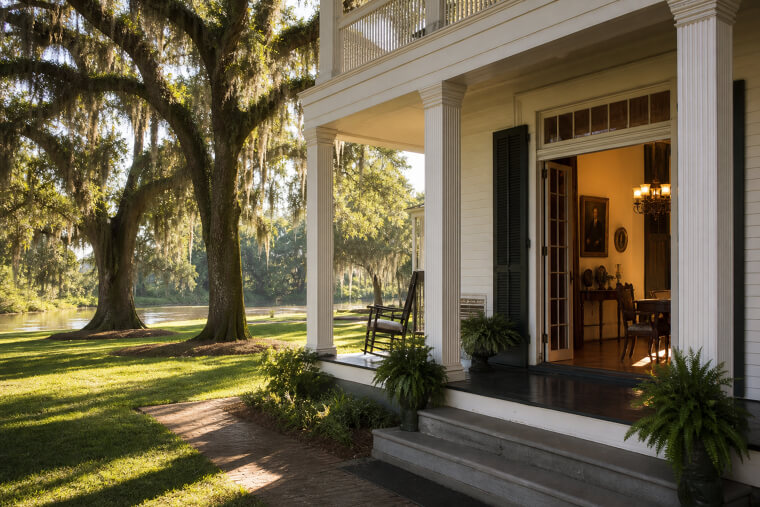
What makes it invaluable is the documentation. Because the family kept meticulous records, curators can trace exactly which piece belonged to whom and when it entered the house. Nothing is guesswork. Everything has a name attached. Up next, a very different kind of preserved home — where the rooms are tiny, the ceilings are low, and seven thousand people once shared a single address.
Tenement Museum Shows How Immigrants Really Lived
You can walk into the apartments at 97 Orchard Street on Manhattan's Lower East Side and stand in the exact rooms where families from Germany, Ireland, Italy, and Eastern Europe squeezed entire lives into 325 square feet. The Lower East Side Tenement Museum doesn't just display artifacts — it reconstructs specific families' apartments using census records, immigration documents, and personal accounts. Book a guided tour and you'll follow the Levine family's garment workshop or the Baldizzi family's Depression-era kitchen.
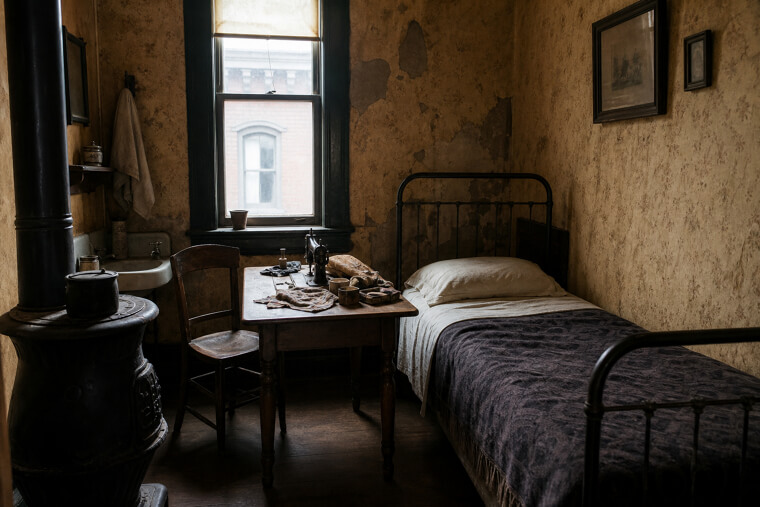
Here's what makes it personal: docents often help visitors trace connections to their own family's immigration story. The cramped hallways and peeling wallpaper hit differently when you realize your great-grandparents may have lived in rooms exactly like these. The next home on our list offers a very different view — one that overlooks the U.S. Capitol by deliberate design.
Frederick Douglass's Cedar Hill Overlooks the Capitol
Cedar Hill sits on a hilltop in Washington, D.C., and the view from Frederick Douglass's front porch isn't accidental. The formerly enslaved man who became America's most powerful abolitionist voice chose this home specifically for its sightline to the U.S. Capitol dome. Inside, his 1,200-volume personal library remains intact alongside his writing desk, gifts from Abraham Lincoln, and a portrait from Harriet Beecher Stowe.
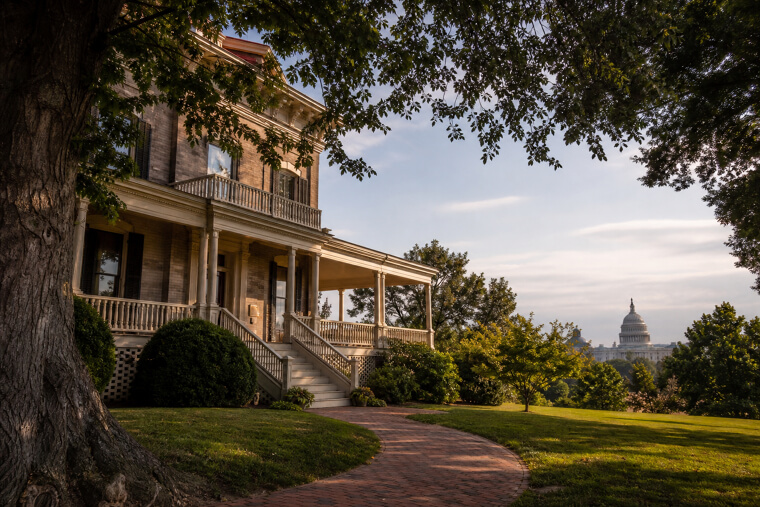
Every object in these rooms represents something that was supposed to be impossible — a Black man in 19th-century America building an intellectual legacy this vast. That Capitol view was his daily challenge to a nation still unfinished. Speaking of impossible timelines, the next home has been continuously lived in for a thousand years.
This New Mexico Pueblo Home Is 1,000 Years Old
While most homes on this list are a few centuries old at best, Taos Pueblo in New Mexico has been continuously inhabited for roughly a thousand years. Families still live in these multi-story adobe structures today — and here's what stops people mid-tour: they do so without electricity or running water, not because they can't afford it, but because they've chosen to preserve their ancestral way of life. The walls are rebuilt each year using the same mud-and-straw mixture their ancestors used around 1000 AD.
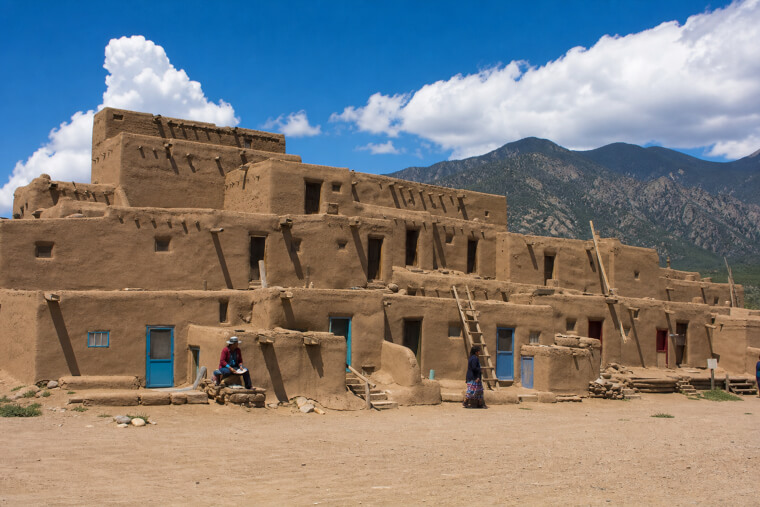
That makes Taos Pueblo the oldest continuously lived-in community in North America — not a museum, not a reconstruction, but an actual neighborhood where people cook, sleep, and raise children inside walls older than most European cathedrals. Next up, a home that reveals a surprisingly private side of America's most public family name.
Hildene Hides Lincoln's Family Legacy in Vermont
Most people know Lincoln through the White House, the memorial, the mythology. But Hildene in Manchester, Vermont, reveals the family behind the icon. Built by Robert Todd Lincoln in 1905, it stayed in Lincoln hands until 1975 — seventy years of private family life largely invisible to the public. What insiders come for is the 1,000-pipe Aeolian organ still standing in the front hall, playable today, its music once filling rooms where Lincoln's descendants gathered for decades.
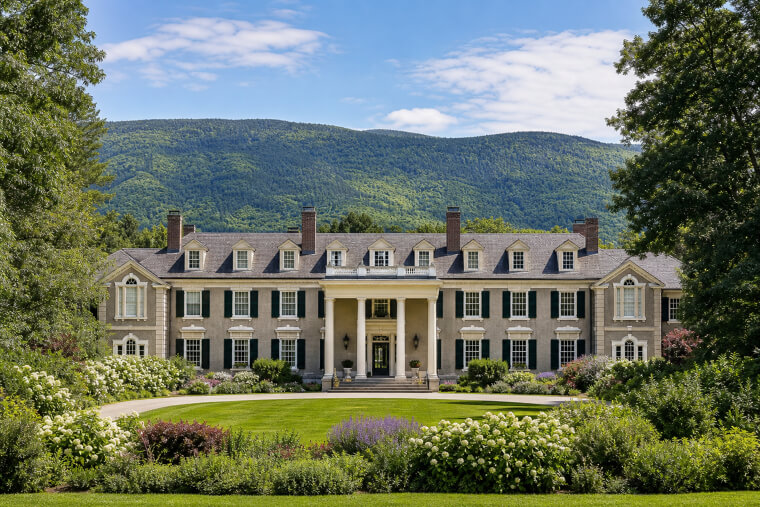
Then there's the stovepipe hat — an actual hat owned by Abraham Lincoln himself, kept here rather than in any national museum. Hildene is where the Lincoln story becomes personal, domestic, human. Next up, a house in St. Augustine reveals a woman who built an empire in an era that said she couldn't.
Ximenez-Fatio House Reveals Women Running Businesses in 1800s
In 1830s America, a single woman running her own business was practically unheard of. Louisa Fatio didn't care. The Ximenez-Fatio House in St. Augustine, Florida, originally built as a merchant's home in 1798, became her thriving boarding house catering to wealthy Northern tourists escaping winter. What makes this place extraordinary is the evidence still sitting in its rooms — original kitchen implements, furnishing ledgers, and guest records that document exactly how Fatio managed everything from meal planning to finances entirely on her own.
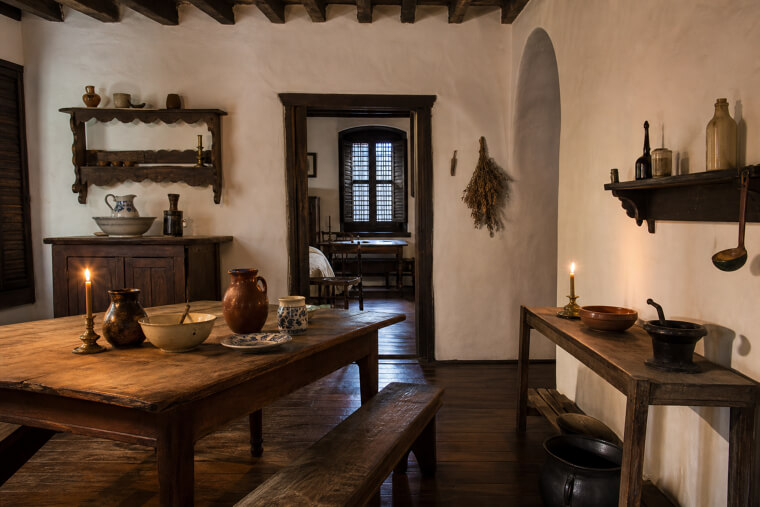
She competed directly with male-owned establishments and won. Her boarding house became one of St. Augustine's most sought-after destinations. The preserved rooms don't just show how people lived — they quietly dismantle assumptions about what women could accomplish two centuries ago. The next home has something even rarer: a famous author's handwriting scrawled directly on the walls.
Rowan Oak Still Has Faulkner's Plot Notes on the Walls
Rowan Oak, William Faulkner's home in Oxford, Mississippi, offers something you can't experience anywhere else in American literature: his actual creative process written directly on his office walls. When Faulkner was plotting "A Fable" in the 1950s, he grabbed a pencil and red ink and outlined the entire novel — character arcs, timelines, scene sequences — right on the plaster. The University of Mississippi preserved those walls exactly as he left them.
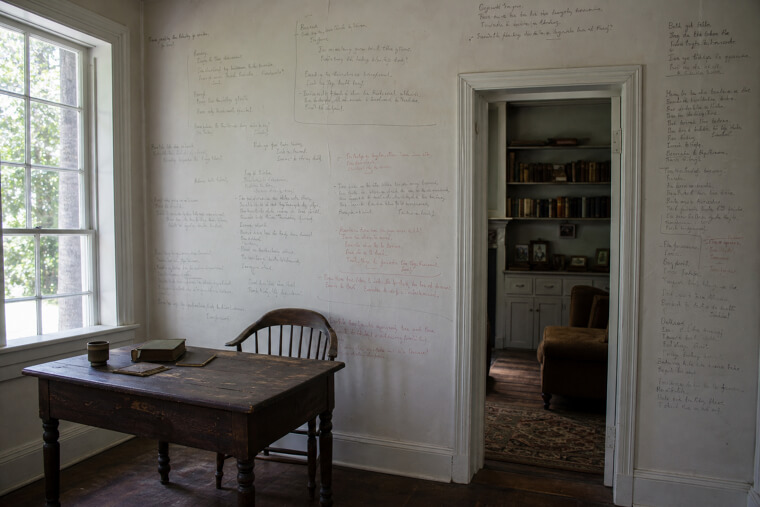
Best part? Admission is free. You can walk through Faulkner's cedar-lined grounds, stand in his study, and trace a Nobel laureate's thinking in his own handwriting. Few literary pilgrimages feel this intimate. Speaking of intimacy, the next home belongs to a woman whose survival story became legend.
Molly Brown's Denver Home Survived Like She Did
There's something poetic about a house that refused to go down. The Molly Brown House in Denver, Colorado, was slated for demolition in 1970 — just another Victorian deemed too old to matter. But neighbors rallied, raised money, and fought to save it, mirroring the fierce determination of the woman who once lived there. Margaret "Molly" Brown survived the Titanic by demanding her lifeboat turn back for drowning passengers when others wanted to row away.
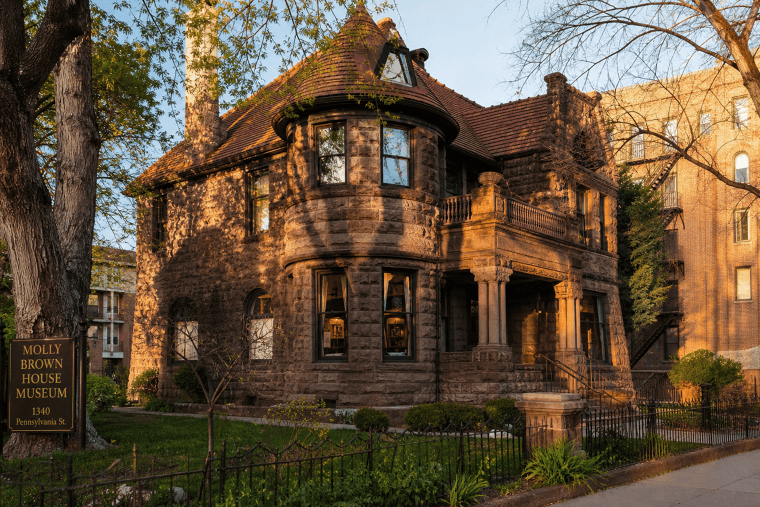
Today her restored parlor, personal belongings, and Victorian furnishings fill rooms that almost became a parking lot. The house endured because people loved what she stood for — the refusal to abandon anyone or anything worth saving. Next, an Akron mansion tells a different kind of love story: a family's promise to give their home to everyone.
Stan Hywet Hall Preserves a Father's Promise
F.A. Seiberling built Stan Hywet Hall in Akron, Ohio, with rubber tire money and boundless love for his family. The 65-room Tudor Revival mansion — one of the largest historic homes in America — was where his children played in sprawling gardens, gathered around fireplaces, and grew up surrounded by beauty their father carefully curated. When the family's fortune declined, they could have sold everything. Instead, the Seiberlings made a promise: this home would never belong to strangers. It would belong to everyone.
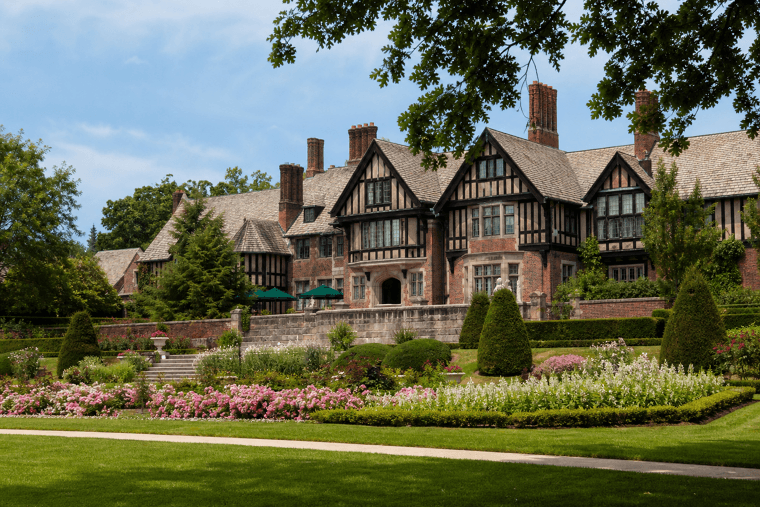
In 1957, the family donated Stan Hywet with its original furnishings, artwork, and magnificent gardens completely intact. Every room still holds the warmth of a family that chose community over profit. It's a rare kind of generosity — giving away something you love so others can love it too. Up next, one Tennessee family never left their home for 129 years.
Mabry-Hazen House Kept 3 Generations Under One Roof
Here's what museum professionals love about the Mabry-Hazen House in Knoxville, Tennessee: nothing was curated. Three generations of the same family lived there continuously from 1858 to 1987, and when the last descendant opened it to the public, over 2,000 original objects remained exactly where they'd accumulated. Civil War weapons sit alongside Depression-era kitchen utensils. Handwritten diaries span decades. A Confederate soldier's belongings share space with his grandchildren's everyday possessions.
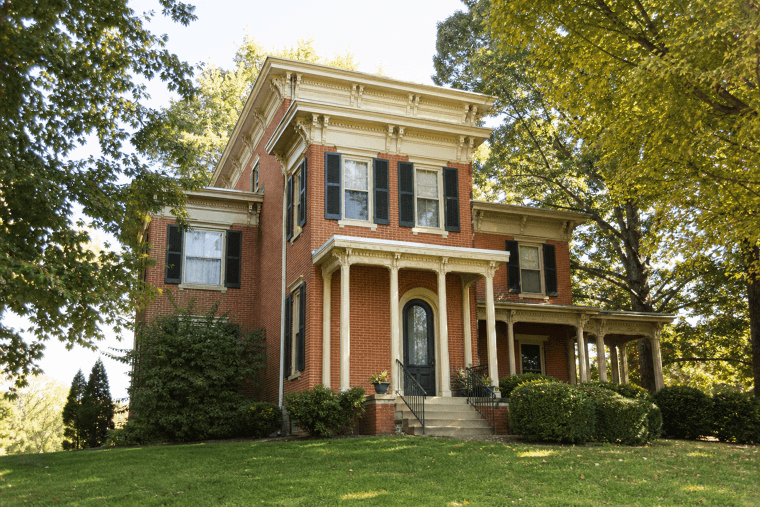
Most historic homes are edited — someone decides what stays and what goes. The Mabry-Hazen House never got that treatment, which is precisely why insiders consider it one of America's most authentic domestic time capsules. Every drawer tells the truth. The next home's truth is far more unsettling — it belongs to the man who started a war.
Rose Hill Plantation Holds a Secession Governor's Regret
Rose Hill Plantation in Union, South Carolina, was where Governor William Henry Gist sat at his desk and wrote the letters urging South Carolina to become the first state to leave the Union in 1860. That study still exists. His pen, his furniture, his personal correspondence — all preserved in the room where a chain reaction began that would kill over 600,000 Americans. Walking through Rose Hill isn't comfortable. The home is beautiful, the grounds peaceful, but the weight of what started here hangs in every doorway.
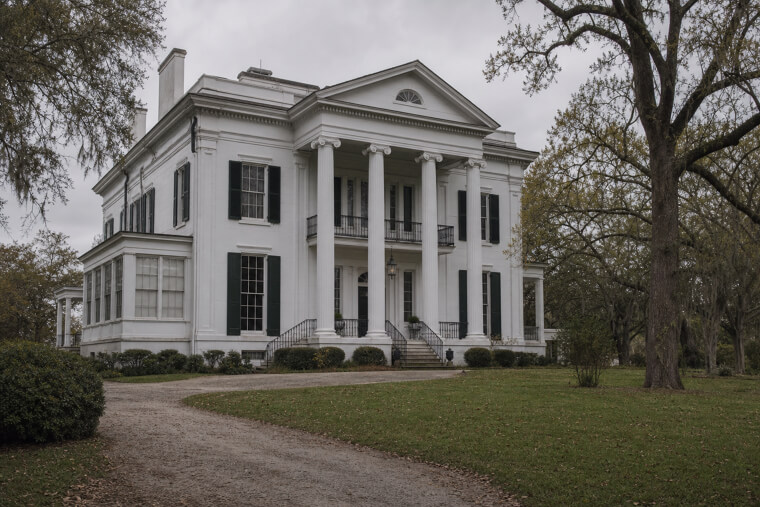
Gist's later letters suggest a man grappling with consequences he hadn't fully imagined. His preserved words are a warning, still speaking from that quiet study to anyone willing to listen. Sometimes the most important historic homes aren't the ones that inspire us — they're the ones that caution us. Speaking of homes that carry heavy truths, a Baltimore rowhouse quietly honored a voice that changed American music.
Billie Holiday's Baltimore Rowhouse Finally Got Its Marker
The rowhouse at 219 S. Durham Street in Baltimore is small. Narrow stairs, tight rooms, peeling history on every wall. For decades, nothing marked it as significant. No plaque, no sign, nothing to tell passersby that Billie Holiday — the voice that could make "Strange Fruit" stop a room cold — once lived here as a child, navigating poverty and pain that would have silenced most people forever.
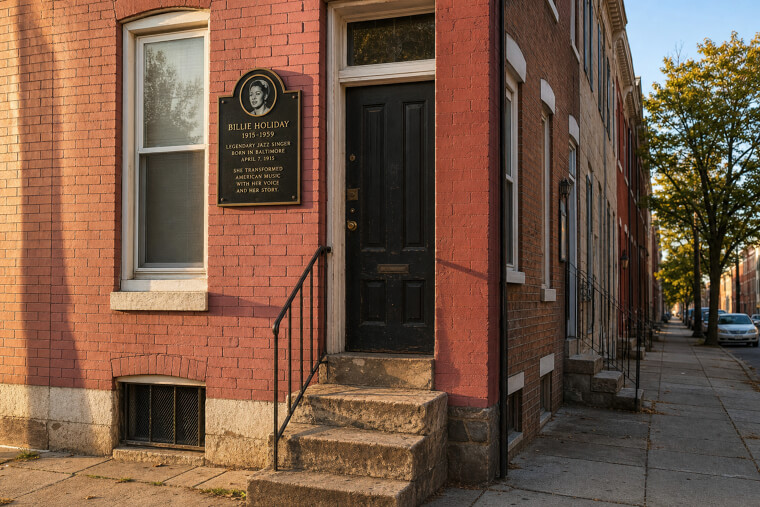
When the historic marker finally arrived, neighbors gathered on the sidewalk. Some cried. That voice, that impossible, heartbreaking gift, started in these cramped rooms. The contrast says everything about what America almost lost. But the next plantation made sure certain names would never be lost again.
Magnolia Mound Plantation Gives Enslaved People Their Names Back
Most plantation museums tell the story of the families who owned them. Magnolia Mound Plantation in Baton Rouge, Louisiana, made a different choice. Researchers spent years combing through estate inventories, church records, and legal documents to identify the enslaved people who actually built and sustained this 18th-century property. Now their names are displayed throughout the house — not in a footnote, not in a separate exhibit, but woven into every room.
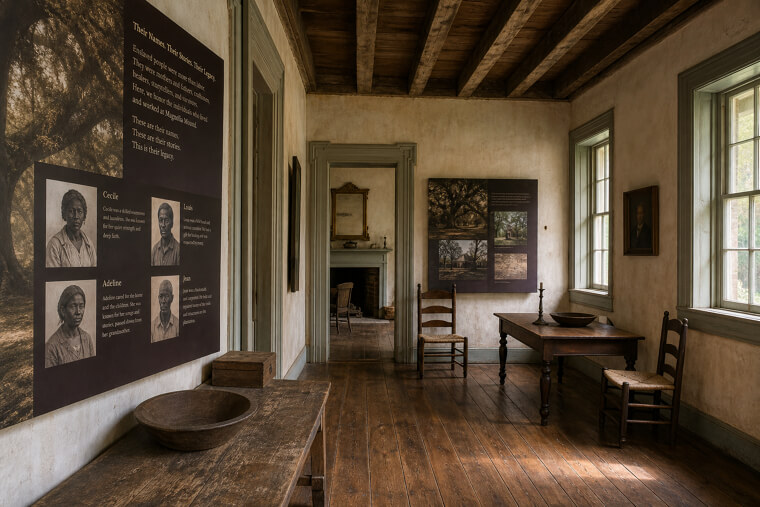
Visitors learn that specific people had specific skills, families, and lives. A carpenter who shaped the timber. A cook who fed everyone. Giving names back to people history tried to reduce to property may be the most powerful form of preservation there is. But what about the homes nobody will ever put a plaque on?
Your Grandparents' House Was Historic Too
Every home on this list had someone who decided it mattered enough to save. But the house that matters most to you probably won't ever make a historic register. Your grandparents' kitchen — the cracked linoleum, the cabinet handles worn smooth, the window above the sink where light hit the counter just right while biscuits cooled. That house is a historic home too. The difference is that nobody's preserving it but you.
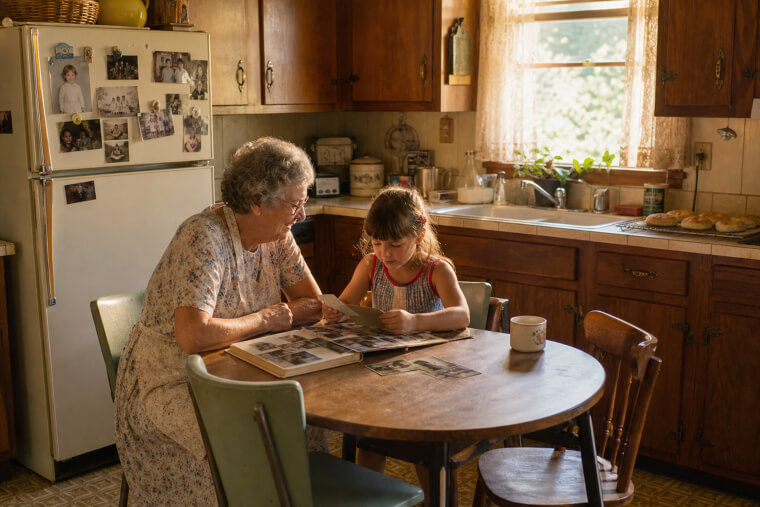
Take the photographs. Record your grandmother's voice describing every room. Write down which chair was whose. Document the wallpaper, the doorframe where heights were penciled in, the porch where stories were told. Museums preserve buildings. You preserve meaning. And that matters just as much.Disclaimer: This story is based on real events. However, some names, identifying details, timelines, and circumstances have been adjusted to protect the privacy of the individuals involved. The images in this article were created with AI and are illustrative only. They may include altered or fictionalized visual details for privacy and storytelling purposes