
Buying an SUV is just the down payment on a much longer financial relationship. Some of these rigs will bleed your bank account through fuel, repairs, insurance, and depreciation long after the dealership handshake. Here's what the sticker price never tells you.
Land Rover Discovery's Legendary Repair Bills
Land Rover owners joke that the letters stand for 'Lots of Repairs, Often.' It's funny until you get the invoice. Average annual repair costs for a Discovery sit around $1,200 — nearly double the industry average for SUVs. Air suspension failures, transfer case leaks, and electrical gremlins stack up fast. Mechanics who specialize in British trucks aren't cheap, and dealers charge a premium just for opening the hood. Budget accordingly.
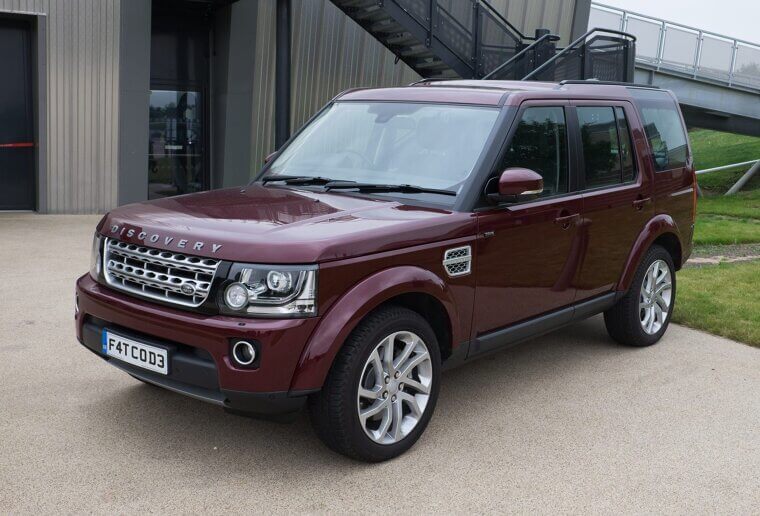
Discovery owners report spending $3,000–$6,000 in a single bad repair year. Some have faced $8,000 air suspension overhauls alone. The badge costs money every single month.
Cadillac Escalade's Thirsty V8 Engine
The Escalade's 6.2-liter V8 is a magnificent, thirsty beast. At 14 mpg city, a daily commuter can burn through $4,000–$5,000 in fuel annually depending on gas prices. That's before you factor in the premium fuel some trims recommend. Cylinder deactivation technology helps slightly, but the weight of a full-size luxury SUV means physics always wins. You're essentially paying a monthly fuel tax for the privilege of riding in style.
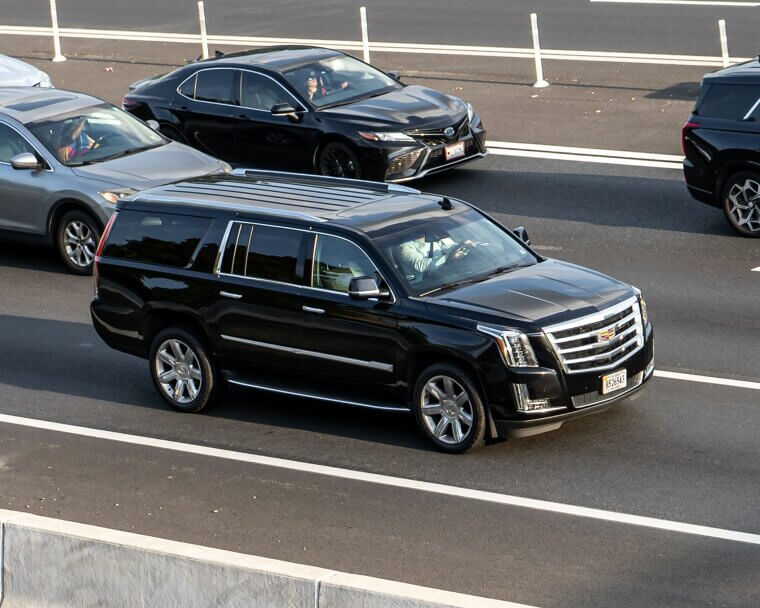
Fill-ups on a Cadillac Escalade can run $120–$140 at current prices. Do that twice a week and fuel alone becomes a second car payment nobody planned for.
BMW X5's Costly European Parts Problem
Picture this: a BMW X5 sitting in your driveway, looking flawless. Then the water pump fails at 80,000 miles — a known weak point — and the quote comes back at $1,800. BMW sources many components from specialized European suppliers, which means parts aren't just expensive, they're sometimes backordered for weeks. Independent shops can help, but complex systems like the Valvetronic engine or adaptive suspension really do require BMW-trained technicians. The engineering is brilliant. The bills match.
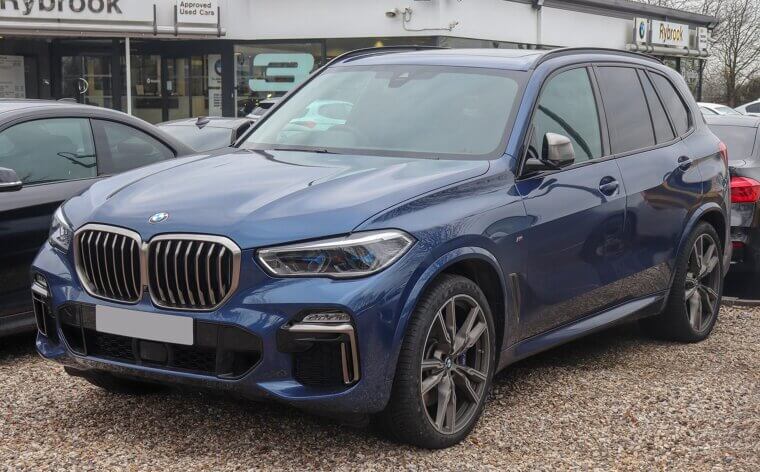
BMW X5 owners average over $1,000 per year in repairs. Timing chain issues, cooling system failures, and electronic module replacements are the most common wallet-emptying culprits.
Jeep Grand Cherokee's Electrical Nightmare
Would you buy a vehicle knowing its electrical system might randomly decide to stop cooperating? Grand Cherokee owners have lived that reality for years. TIPM — the Totally Integrated Power Module — has been a recurring headache across multiple generations, causing everything from phantom horn honking to fuel pump failures. Dealers have struggled to diagnose the root cause, leading to multiple shop visits before a fix sticks. When every problem requires hours of diagnostic time, labor costs alone become brutal.
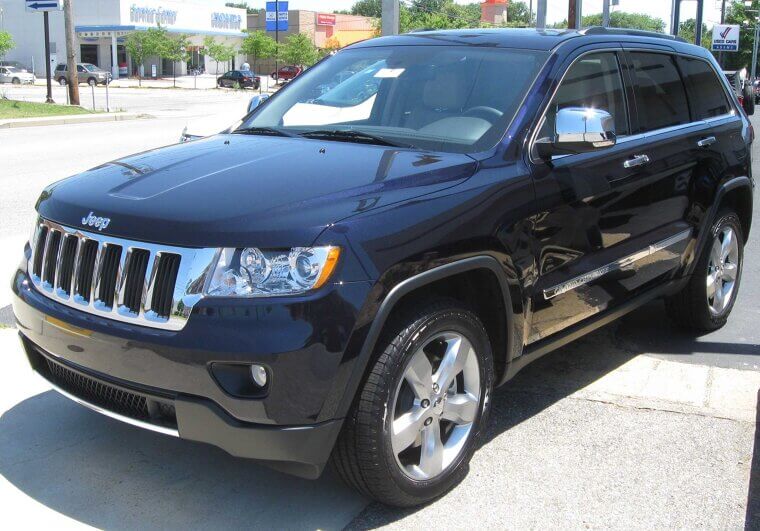
A single TIPM replacement can run $1,500 or more including labor. Owners who've chased electrical gremlins report spending $3,000+ across several visits before the real problem was identified.
Lincoln Navigator's Premium Fuel Appetite
The Lincoln Navigator is one of the last true American land yachts, and it burns fuel like one. The twin-turbocharged V6 actually improves efficiency over older V8s, but 16 mpg combined still stings in a world of $3.50-plus gas. Owners towing boats or trailers drop into the low single digits. Add premium fuel requirements on certain configurations and the cost per mile climbs fast. The Navigator sells a lifestyle — it just bills you for it every time you pull up to a pump.
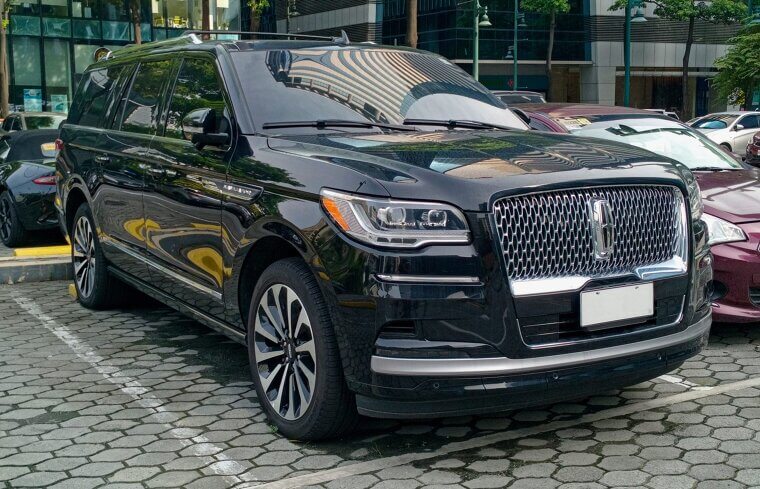
Annual fuel costs for a Navigator in average driving conditions routinely exceed $3,500. Heavy tow-duty use can push that number past $5,000 in a single year.
Mercedes GLE's Expensive Maintenance Schedule
Mercedes-Benz builds the GLE with precision. It also maintains it with precision — and charges accordingly. Service A and Service B intervals aren't optional suggestions; skipping them voids warranty coverage and accelerates wear on complex systems. A single Service B visit at a dealership can run $700–$900. Multiply that over five years and you've spent more on scheduled maintenance than most people spend on a used car. The GLE's air suspension and AIRMATIC system add another expensive layer when components inevitably wear.
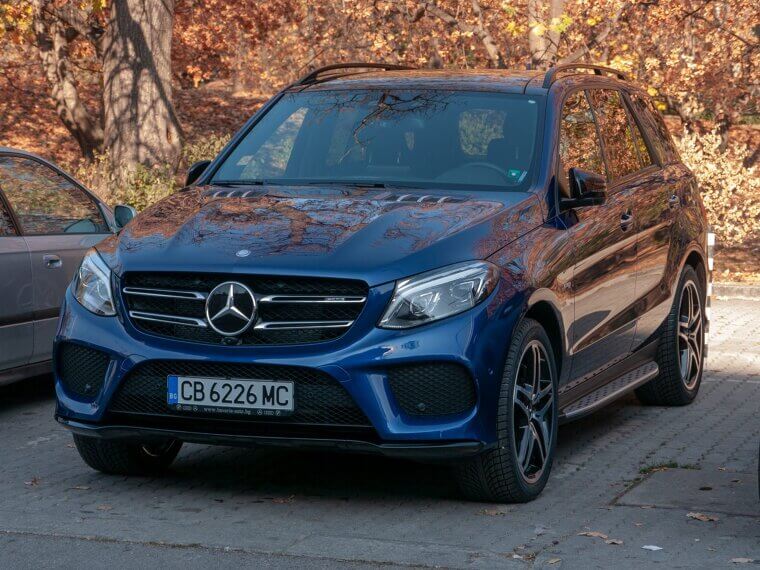
Independent Mercedes specialists can cut service costs by 30–40%, but many GLE owners stick with dealers for warranty protection — paying full price for peace of mind.
Infiniti QX80's Hidden Ownership Costs
Infiniti markets the QX80 as a premium alternative to the Escalade at a slightly lower entry price. What buyers sometimes miss is that ownership costs close that gap quickly. The QX80 shares its platform with the Nissan Armada, but Infiniti's luxury positioning means dealer labor rates run significantly higher. Brake jobs, timing chain services, and transmission fluid changes all carry the premium badge tax. Depreciation also hits hard — the QX80 loses roughly 50% of its value within five years.
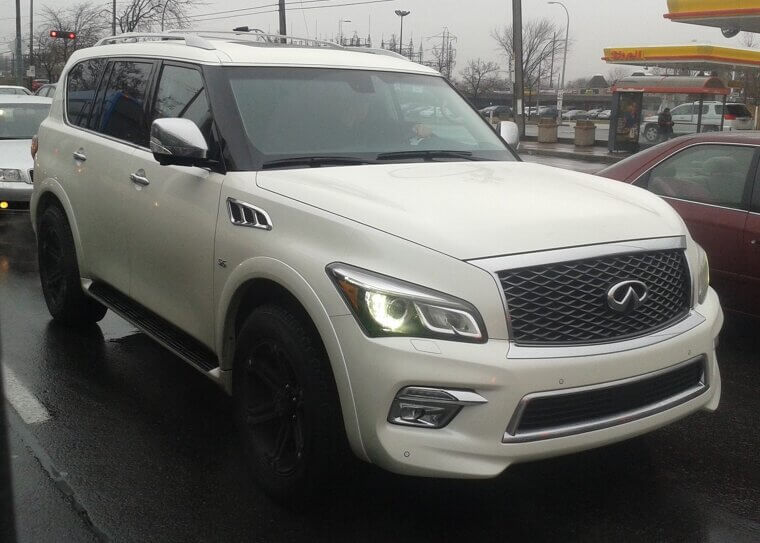
The QX80's five-year ownership cost including depreciation, fuel, insurance, and maintenance regularly tops $60,000. That's almost the purchase price of the vehicle itself, paid again.
Range Rover Sport's Shocking Depreciation Rate
$85,000 today. $42,000 in three years. That's not an exaggeration — Range Rover Sport depreciation is among the steepest in the entire SUV segment. The combination of high MSRP, luxury market softness, and a reputation for reliability issues creates a perfect depreciation storm. Leasing a Range Rover Sport is often smarter financially than buying, precisely because the residual value loss is so predictable and painful. Dealers love selling certified pre-owned versions because the margin on a $40,000 used Sport is substantial.

Some Range Rover Sport owners have reported losing $30,000 in value within the first 24 months. If you're financing, you can find yourself underwater almost immediately after signing.
Audi Q7's Pricey Transmission Repairs
The Audi Q7's ZF 8-speed automatic transmission is a smooth, sophisticated piece of engineering — right up until it isn't. Valve body failures and torque converter issues have been documented across multiple model years, and the repair bills are not subtle. A full transmission rebuild or replacement on a Q7 can run $5,000–$8,000 at an Audi dealership. Even independent shops with the right diagnostic tools charge $3,500 or more. This is the jaw-drop moment many Q7 owners hit around the 80,000-mile mark.
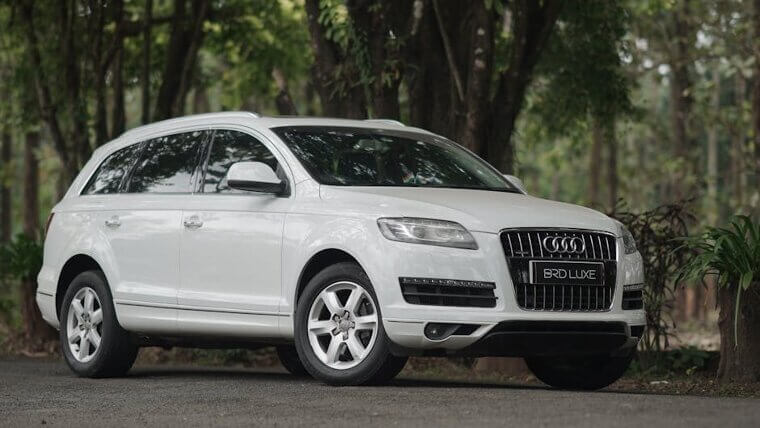
Audi Q7 transmission repairs have reportedly blindsided owners who expected smooth sailing after the powertrain warranty expired. Extended warranties on this model are worth every penny.
Dodge Durango's Below-Average Fuel Economy
The Durango's V8 option returns about 14 mpg in city driving — a number that hasn't improved meaningfully in years. Families using a Durango as a daily driver are burning through fuel at a rate that adds up to real money fast. The irony is that the Durango is often chosen for its value pricing compared to competitors, but that savings evaporates at the pump within the first two years. The V6 version is more reasonable, but buyers frequently upgrade to the V8 for towing capacity and live with the consequences.
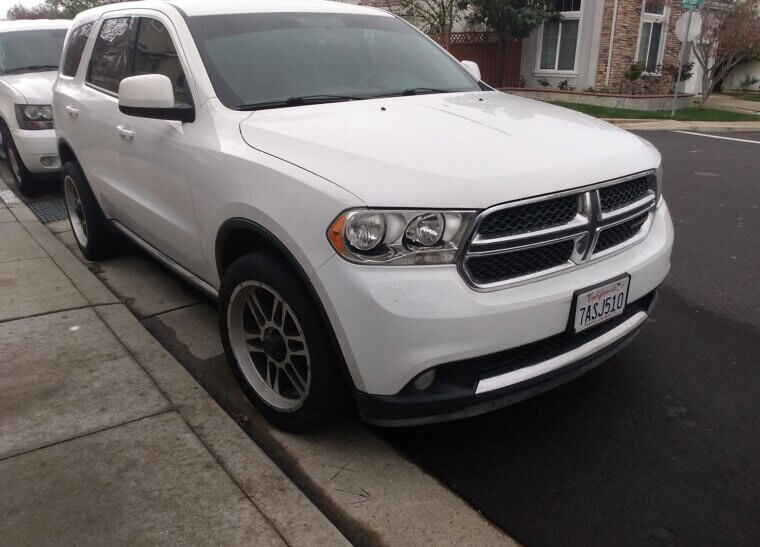
At 14 mpg city, a Durango V8 owner driving 15,000 miles annually spends roughly $3,200–$3,800 on fuel. That's a significant chunk of the original price difference versus more efficient competitors.
Volvo XC90's Steep Dealership Service Costs
Volvo has built a loyal following around safety and Scandinavian design, but dealership service costs don't match the brand's understated image. XC90 owners report paying $400–$600 for routine services that would cost half as much on a Toyota. The XC90's sophisticated Drive-E engine and air suspension components require specialized knowledge that independent shops sometimes lack, funneling more owners back to dealers. Volvo's reliability has improved dramatically, but the cost of maintaining that reliability still carries a Swedish premium.
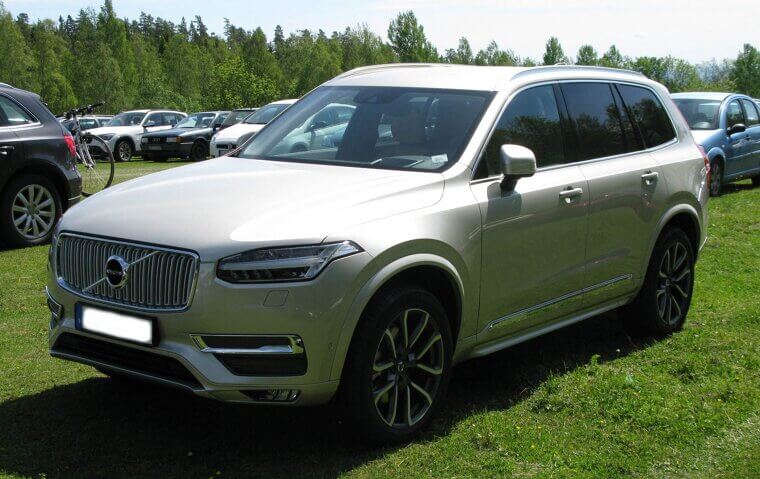
XC90 five-year maintenance costs average around $7,000–$9,000 through dealerships. Owners who find trusted independent Volvo specialists can trim that significantly, but the search takes effort.
Porsche Cayenne's Eye-Watering Repair Invoices
Test the patience of any Porsche Cayenne owner by asking about their last service bill. The Cayenne is a genuinely excellent performance SUV, but Porsche's parts and labor pricing operates in a different atmosphere than most buyers anticipate. A timing chain replacement — a known issue on earlier V6 models — can exceed $4,000. Brake jobs using OEM Porsche components regularly hit $2,000 for a four-wheel service. Even an oil change at a Porsche dealer runs $300–$400. The performance is real. So is the invoice.

Cayenne owners who use aftermarket parts and independent Porsche specialists report cutting annual maintenance costs nearly in half. But many still pay dealer prices to protect resale value — a costly calculation.
Acura MDX's Declining Resale Value Over Time
The Acura MDX has long been praised as a reliable, practical three-row SUV. What gets less attention is how quickly its resale value softens compared to rivals like the Toyota Highlander or Honda Pilot. The MDX loses roughly 45–50% of its value within five years, which matters enormously if you plan to sell or trade. Part of this is Acura's positioning — it's a luxury brand without the same brand equity as BMW or Mercedes, meaning the used market discounts it more aggressively.
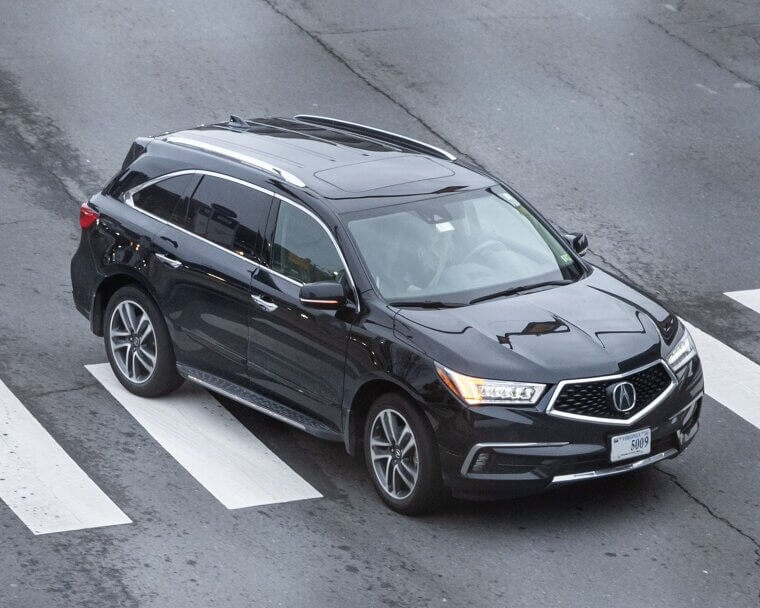
Buying an MDX new means absorbing significant depreciation that a used buyer will capture instead. Running the five-year cost of ownership reveals the resale gap costs thousands more than most buyers expect.
Chevrolet Tahoe's Frequent Fuel Stop Problem
You've probably pulled into a gas station more times than you counted this month. Tahoe owners do it constantly. The full-size Chevy returns 15 mpg in city driving with the standard V8, and real-world numbers from owners frequently come in lower. Families hauling kids, gear, and cargo — exactly the use case the Tahoe is marketed for — see efficiency drop further. The Tahoe is competitively priced for a full-size SUV, but the fuel bill is a recurring monthly reminder of what that big body costs to move.
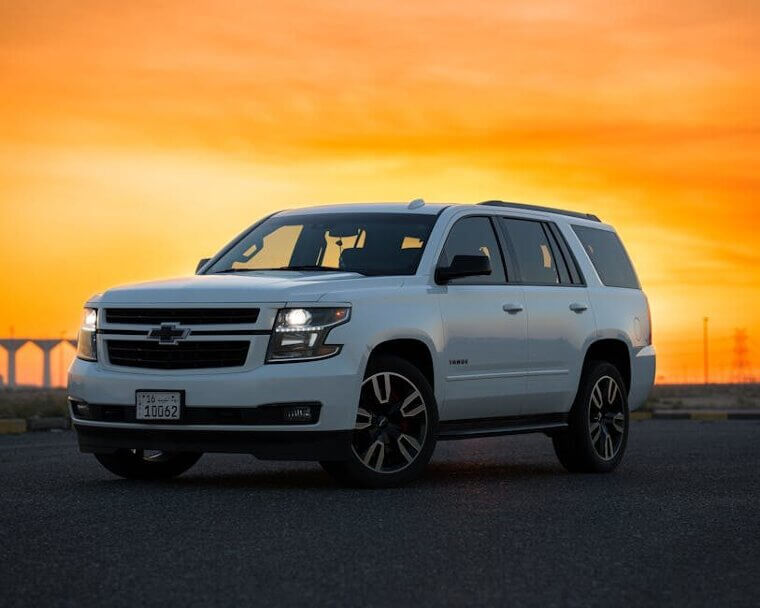
A Tahoe driven 18,000 miles annually at average fuel prices costs roughly $4,000–$4,500 in gas. Over five years, that's a fuel bill approaching $22,000 — more than many people spend on a second vehicle.
Ford Expedition's Ballooning Insurance Premiums
Insurance companies look at the Ford Expedition and see a large, expensive vehicle with high repair costs and strong theft appeal — and they price policies accordingly. Average annual insurance premiums for an Expedition run $1,800–$2,400 depending on location, driving history, and trim level. The Platinum and King Ranch trims, loaded with technology and expensive components, push rates even higher. Buyers who shop the sticker price without getting an insurance quote first often experience genuine sticker shock when the first monthly bill arrives.
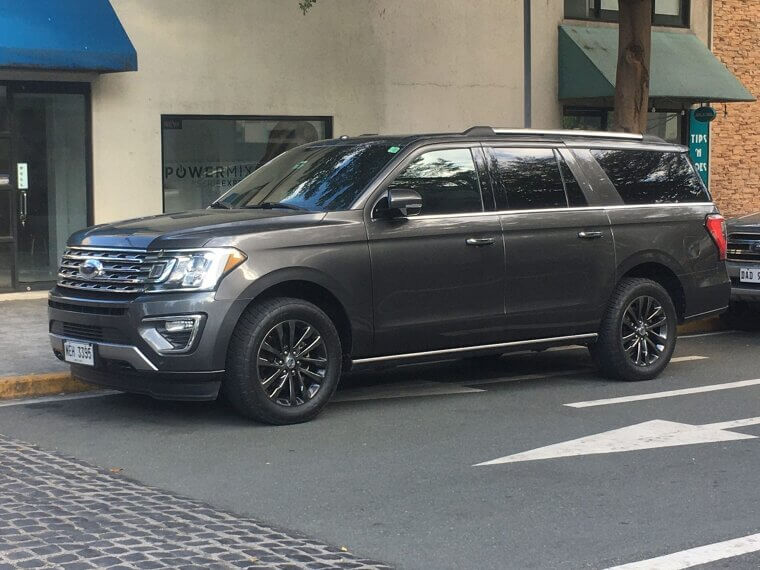
In high-theft urban areas, Expedition insurance premiums can exceed $250 per month. Combined with fuel costs, the monthly operating expense of a new Expedition can rival a luxury car payment.
Lexus GX's Surprisingly High Upkeep Costs
Here's the myth: Lexus means cheap ownership. Here's the reality for the GX specifically — it's a body-on-frame SUV built on aging Land Cruiser Prado architecture, and while it's genuinely reliable, it's not cheap to maintain. Dealer service rates reflect the Lexus luxury positioning, not the truck-based simplicity underneath. Timing belt services, differential fluid changes, and the GX's notoriously thirsty V8 all add up. The GX earns its reputation for durability, but durability and low cost are not the same thing.
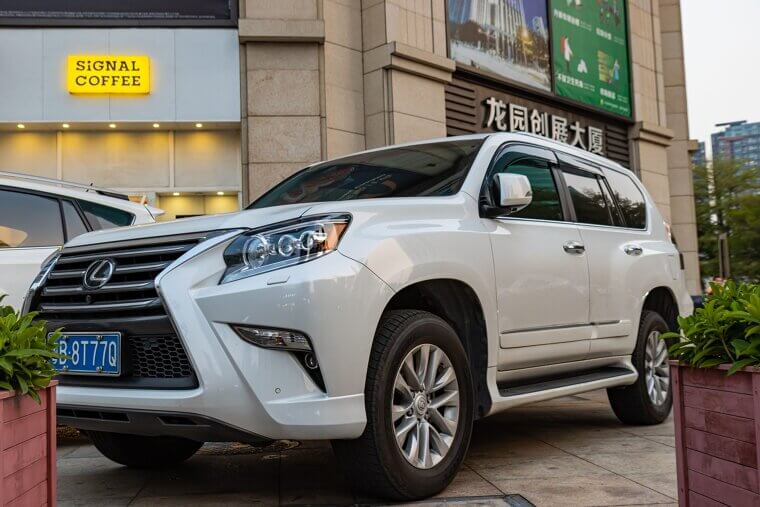
The GX 460's V8 returns just 15 mpg combined — worse than many competitors. Owners who expected Lexus reliability to translate to Corolla-level running costs often find themselves recalculating after the first year.
Nissan Armada's Rapid Value Loss After Purchase
The Nissan Armada drops roughly 55% of its value within five years — one of the worst depreciation rates in the full-size SUV segment. Drive one off the lot and you've already lost $25,000–$30,000 in equity before your first oil change. The Armada is a capable, comfortable truck-based SUV, but the market simply doesn't reward it at resale the way it does a Chevrolet Tahoe or Ford Expedition. For buyers who keep vehicles long-term, this matters less. For anyone planning to sell within five years, the math is painful.
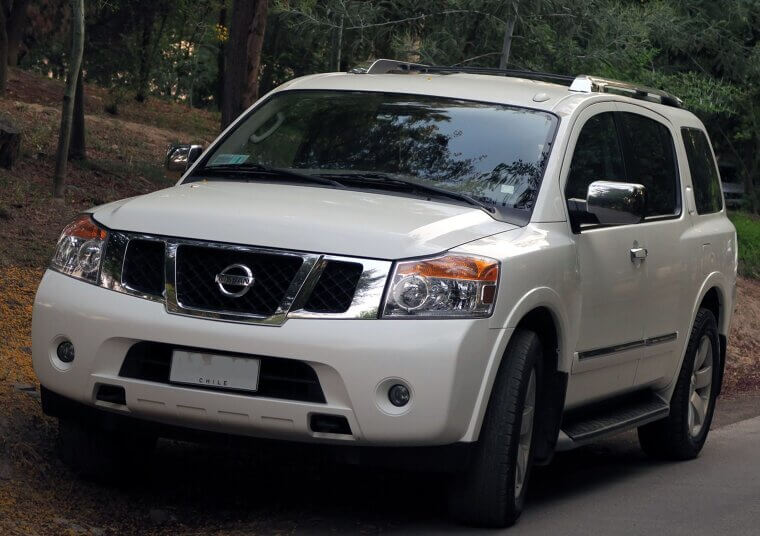
A $58,000 Armada Platinum can be worth under $27,000 five years later. That depreciation curve makes leasing a statistically smarter financial decision for most Armada buyers.
Maserati Levante's Jaw-Dropping Service Bills
$4,200. That's what one Maserati Levante owner paid for a single scheduled service at a Maserati dealership. Not a repair — a service. The Levante's Ferrari-derived engine components, bespoke electrical architecture, and limited dealer network create a perfect storm of expensive maintenance. Parts availability outside major metro areas is genuinely poor, meaning some owners ship components across state lines. The Levante's depreciation is also savage — losing 60% of value in five years is common. It's a beautiful vehicle with an ugly ownership ledger.
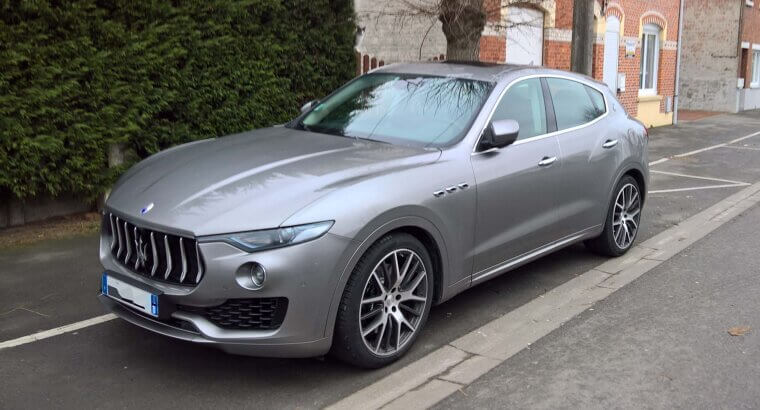
Maserati Levante five-year ownership costs routinely exceed $80,000 when depreciation is factored in. Buying one used at 30,000 miles is financially smarter — but you inherit someone else's deferred maintenance.
GMC Yukon's Costly Air Suspension Failures
The GMC Yukon's optional air suspension system delivers a genuinely impressive ride — smooth, adjustable, and comfortable over long distances. It also fails. Compressor failures, air bag leaks, and sensor malfunctions are documented across multiple Yukon generations. A full air suspension replacement at a GM dealer runs $2,500–$4,500 depending on which components need replacing. Many owners convert to conventional coil springs after the first failure, spending $1,500–$2,000 to escape the air suspension cycle entirely. The ride quality is excellent until the day it isn't.
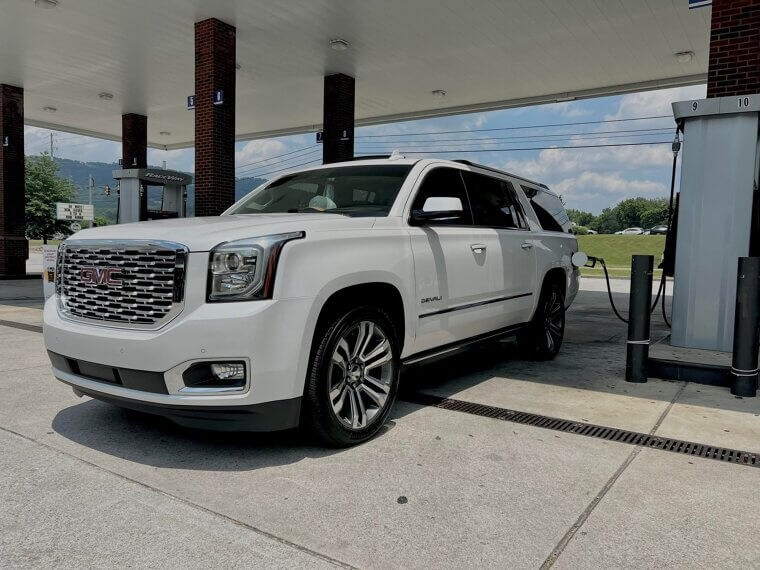
Some Yukon owners have replaced air suspension components twice before 100,000 miles. The cumulative cost of multiple partial repairs often exceeds what a full conversion to conventional suspension would have cost upfront.
Volkswagen Touareg's Unreliable Repair History
The Touareg has always been an engineering showcase — VW's attempt to prove it could play in the luxury SUV space. The problem is that showcasing engineering complexity means more things to go wrong. Air suspension failures, infotainment system issues, and timing chain problems have all been documented. What makes the Touareg particularly frustrating is the diagnostic complexity — problems that seem simple often require dealer-level software to properly identify, adding $150–$200 in diagnostic fees before a single part is ordered.
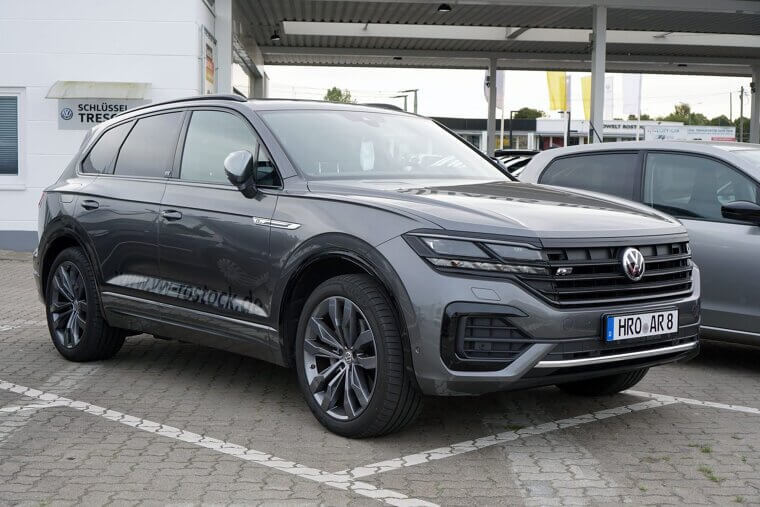
Consumer reliability surveys consistently rank the Touareg below average for its segment. Owners who bought expecting VW's practical reputation were sometimes blindsided by repair bills that felt more Audi than Golf.
Alfa Romeo Stelvio's Frequent Breakdown Problem
The Alfa Romeo Stelvio is one of the most visually striking SUVs on the road. It's also statistically one of the least reliable. J.D. Power and Consumer Reports have both flagged the Stelvio for above-average problem rates, and owners report electrical issues, transmission hesitation, and infotainment failures with uncomfortable regularity. Alfa's dealer network in the US is thin, meaning some owners drive two hours for service. When a vehicle breaks down frequently and the nearest dealer is far away, the true cost of ownership includes time, not just money.
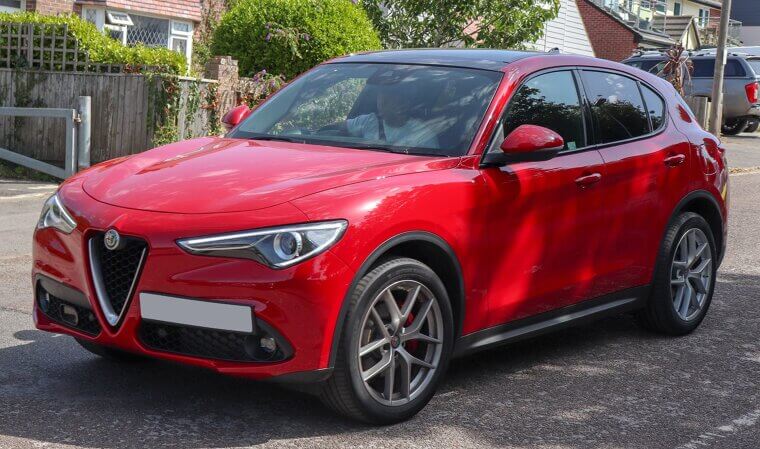
Alfa Romeo's US dealer count is a fraction of BMW or Mercedes coverage. For Stelvio owners in rural areas, a single service visit can mean a full-day round trip — before the repair bill even enters the picture.
Toyota 4Runner's Surprising Long-Term Expenses
The 4Runner's reputation for bulletproof reliability is mostly deserved — but mostly isn't the same as completely. The aging 4.0-liter V6 returns just 17 mpg highway, fuel economy figures that haven't improved since the Obama administration. That fuel inefficiency compounds over years of ownership into a real dollar figure. Meanwhile, the 4Runner commands strong resale value, which is great if you sell but means you pay a premium to buy one used. Long-term 4Runner ownership isn't cheap — it's just a different kind of expensive than most people expect.
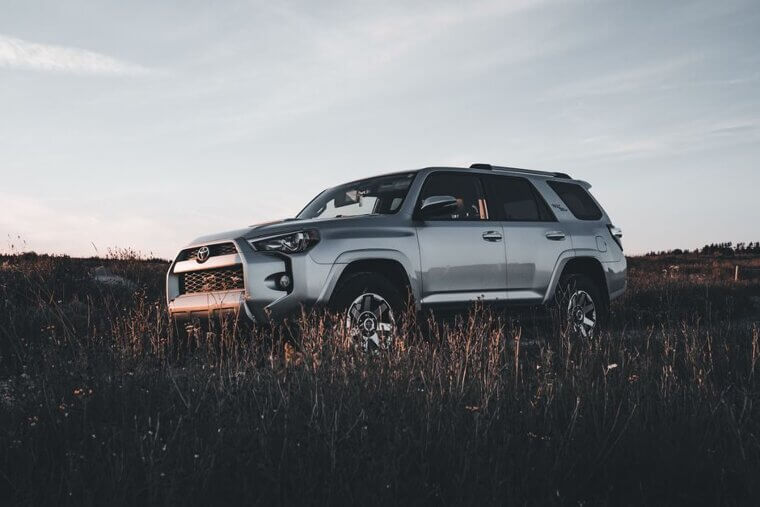
The 4Runner's legendary reliability means repair costs stay low, but fuel expenses over 100,000 miles can exceed $20,000. It's a trade-off — you pay at the pump instead of the shop.
Buick Enclave's Underrated Ownership Costs
Nobody talks about the Buick Enclave's ownership costs because nobody's really paying attention to the Buick Enclave. That might be the point. Tucked under GM's luxury umbrella, the Enclave carries dealer service rates that reflect its premium positioning without the brand recognition that might justify them. Transmission issues have been reported across multiple generations, and the Enclave's infotainment and electrical systems generate more complaints than its quiet cabin image suggests. It's a comfortable, underrated three-row — with underrated ownership costs to match.
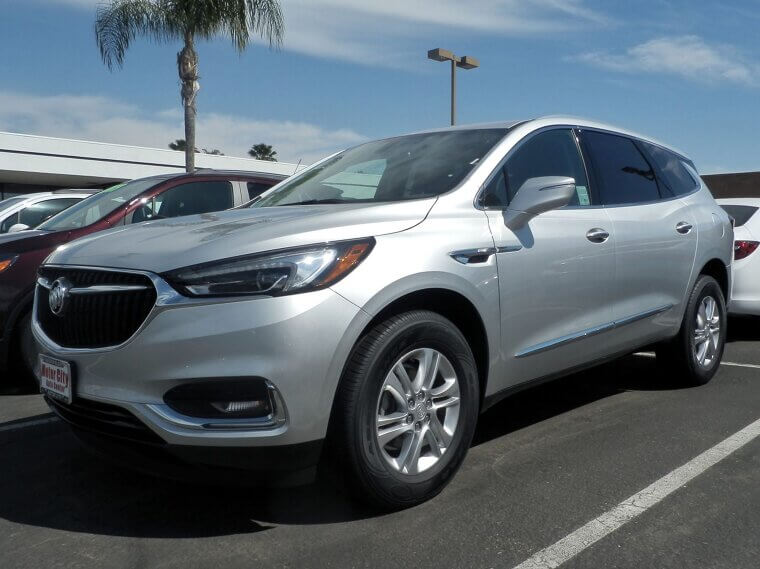
Enclave owners report average annual repair costs around $800–$1,000, above the segment average. For a vehicle positioned as a value-oriented luxury SUV, those numbers quietly erode the savings over time.
Hyundai Palisade's Costly Warranty Gap Issues
The Hyundai Palisade arrives with a competitive warranty — 5 years bumper-to-bumper, 10 years powertrain. The gap problem appears when you buy used. A certified pre-owned Palisade with 40,000 miles might have limited remaining coverage, and Hyundai's powertrain warranty doesn't transfer fully to second owners in all configurations. Buyers who don't read the fine print on warranty transferability can find themselves exposed to repair costs on a vehicle they assumed was still protected. The Palisade itself is solid — the warranty structure requires careful navigation.
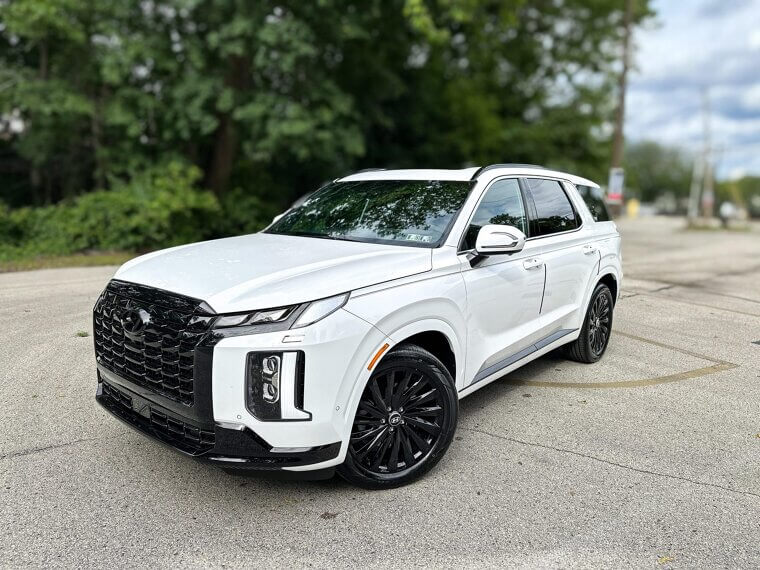
Hyundai's warranty terms differ significantly for original versus subsequent owners. Used Palisade buyers who don't verify remaining coverage have been caught off guard by out-of-pocket repair costs they didn't budget for.
Kia Telluride's Rising Insurance Rate Problem
The Kia Telluride became an overnight phenomenon — praised by critics, loved by families, and apparently beloved by thieves. Telluride theft rates spiked dramatically following viral social media exposure of Kia's ignition vulnerabilities, and insurance companies noticed. Premiums on newer Tellurides have climbed in many markets, with some owners reporting 20–30% rate increases at renewal. Kia issued software patches, but insurers adjust slowly and sometimes permanently. The Telluride is still an excellent value SUV — just budget more for insurance than the window sticker suggests.
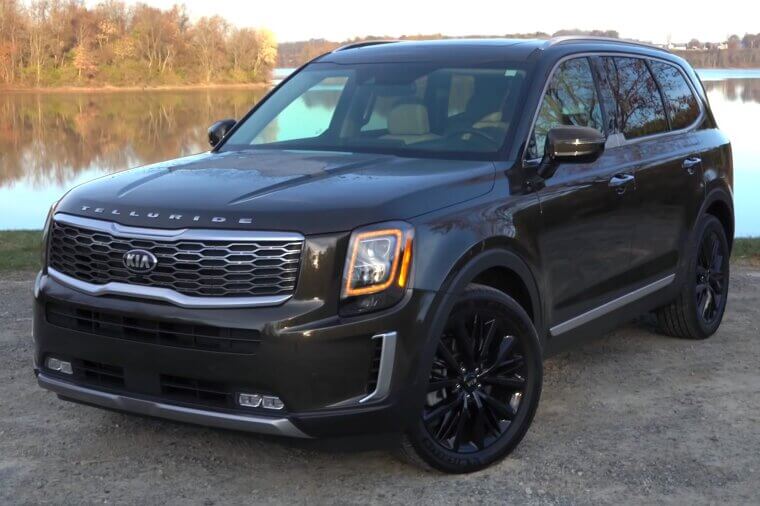
In certain zip codes, Telluride insurance premiums now rival those of luxury SUVs costing twice as much. The theft-rate spike changed the actuarial math, and owners are absorbing that cost at renewal.
Chrysler Pacifica's Plug-In Hybrid Battery Costs
The Chrysler Pacifica Plug-In Hybrid gets cross-shopped against three-row SUVs constantly — and the ownership trap is the same. The high-voltage battery pack costs $10,000–$16,000 to replace out of warranty, and Chrysler's reliability track record with complex hybrid systems hasn't inspired confidence. Some owners reported battery-related issues before 60,000 miles. The fuel savings are real in the early years. Then the battery bill arrives and rewrites the math entirely.
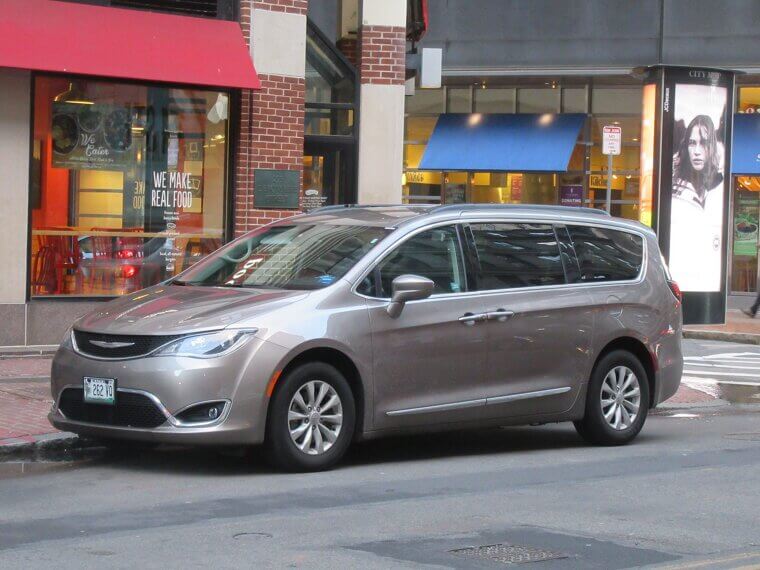
Pacifica PHEV battery replacement can wipe out years of fuel savings in a single invoice. Anyone considering this model used should treat potential battery replacement as a line item in their purchase calculation — not a surprise for later.
Subaru Ascent's Head Gasket Repair Expenses
Subaru built its reputation on reliability and all-weather capability. The Ascent, the brand's largest three-row SUV, carries that reputation — along with a turbocharged 2.4-liter engine that some owners have found more temperamental than Subaru's naturally aspirated motors. Head gasket issues, while less common than on older Subaru engines, have appeared in early Ascent models. A head gasket repair on a turbocharged Ascent runs $2,500–$3,500 — a significant hit on a vehicle positioned as a practical family hauler. The brand image doesn't always match the invoice.
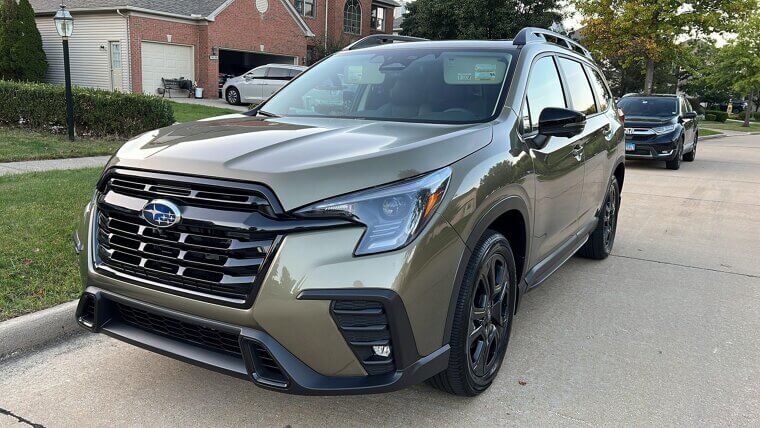
Subaru's older EJ-series engines were notorious for head gasket failures. The Ascent's FA24 engine is newer and different, but early reports of cooling and gasket issues have made some owners nervous about the long-term picture.
Tesla Model X's Out-of-Warranty Repair Shock
Tesla's warranty covers the Model X for 8 years or 150,000 miles on the battery and drive unit. After that, you're in uncharted financial territory. Out-of-warranty Model X repairs have produced some genuinely alarming invoices — falcon wing door actuator replacements at $2,000+ each, suspension control arm failures, and touchscreen replacements that run $1,500–$2,000. Tesla's mobile service model is convenient, but parts pricing is non-negotiable and third-party repair options are limited by proprietary software. The savings on fuel can evaporate in a single bad repair year.
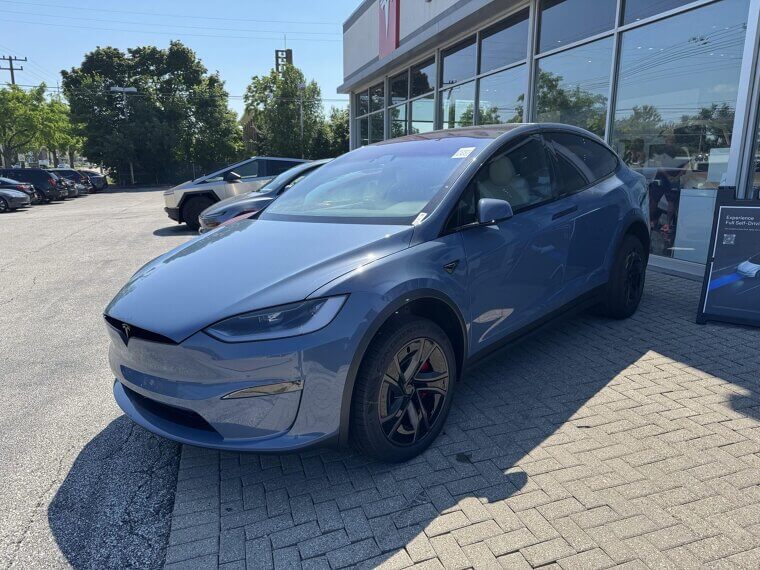
One widely shared repair invoice showed a Model X owner facing $16,000 in out-of-warranty repairs. Tesla's parts pricing and limited independent repair options make post-warranty ownership a genuine financial wildcard.
Rivian R1S's Expensive Parts Availability Problem
Rivian is building something genuinely exciting — but it's also building it from scratch, and the parts supply chain reflects that reality. R1S owners who need body panels, suspension components, or specialized electrical parts have reported wait times measured in weeks, sometimes months. Rivian's service network is expanding but remains thin outside major metro areas. A vehicle that can't be repaired quickly is a vehicle that sits in a driveway earning nothing. For early adopters, the R1S ownership experience includes occasional long stretches of inconvenience that depreciation calculators don't capture.
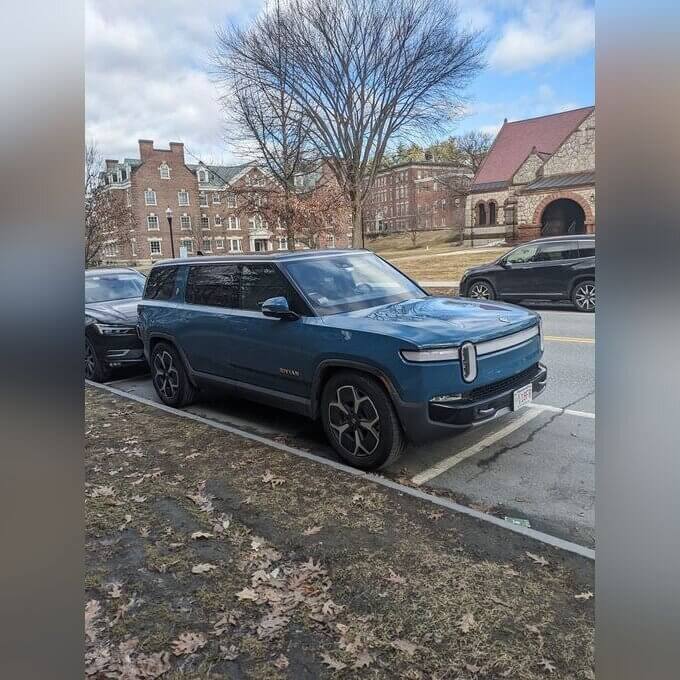
Some R1S owners have waited 6–10 weeks for specific parts. When a $70,000+ vehicle is sidelined for two months awaiting a component, the true cost of ownership includes far more than the repair invoice.
Genesis GV80's Steep Luxury Tax Burden
Genesis entered the luxury market with aggressive pricing designed to undercut BMW and Mercedes. The GV80 delivers genuinely impressive content for the money — but in several states, luxury vehicle taxes and registration fees are calculated on MSRP, not on how good the deal was. A $60,000 GV80 triggers the same luxury tax threshold as a $60,000 BMW in those states. Add higher insurance premiums that come with any luxury badge, and the Genesis value proposition narrows. The purchase price is competitive. The ongoing cost of being classified as luxury is not.
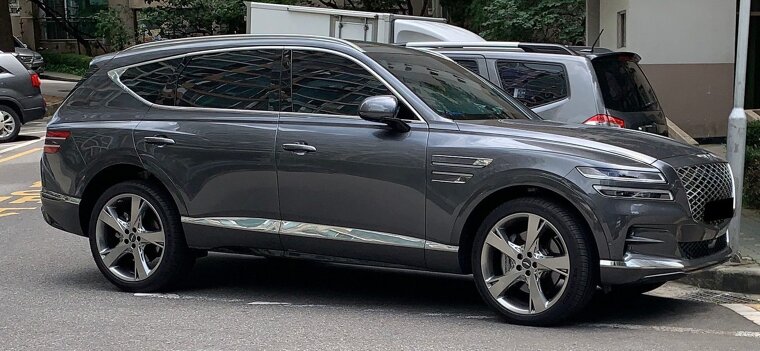
Luxury vehicle registration fees in states like Virginia or Florida can add $1,000–$2,000 annually on a GV80. Buyers who focus exclusively on the purchase price sometimes miss this recurring annual cost entirely.
Jaguar F-Pace's Notorious Engine Replacement Costs
Jaguar's F-Pace is stunning to look at and genuinely engaging to drive. It's also statistically one of the least reliable SUVs sold in America, and when the 3.0-liter supercharged or turbocharged engine needs serious attention, the bills are not for the faint of heart. Engine replacement or major internal repairs on an F-Pace can exceed $12,000–$18,000 at a Jaguar dealership. The brand's dealer network is limited, which means both service appointments and parts availability require planning. Beautiful vehicles with fragile reputations depreciate fast — and the F-Pace does both.
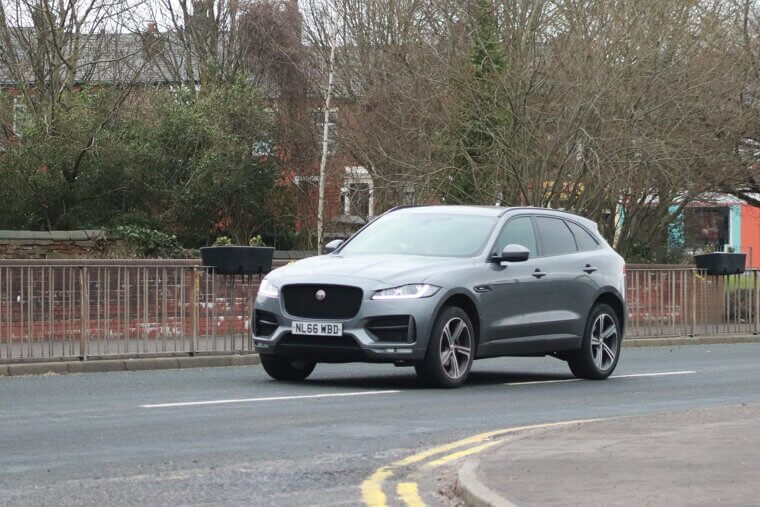
Jaguar F-Pace reliability rankings have placed it near the bottom of its segment in multiple consecutive years. Buyers who fall for the styling without researching ownership costs often list their F-Pace within three years.
Cadillac XT6's Surprisingly High Insurance Premiums
The Cadillac XT6 doesn't get as much attention as the Escalade, but insurance companies give it plenty. As a three-row luxury SUV with a Cadillac badge, the XT6 triggers premium insurance rates that reflect both its replacement cost and the statistical profile of its typical driver and neighborhood. Average annual premiums run $1,900–$2,600, which is notably high for a mid-size crossover. Buyers who cross-shop the XT6 against a Kia Telluride or Toyota Highlander sometimes overlook the insurance delta — which adds up to thousands over a five-year ownership period.
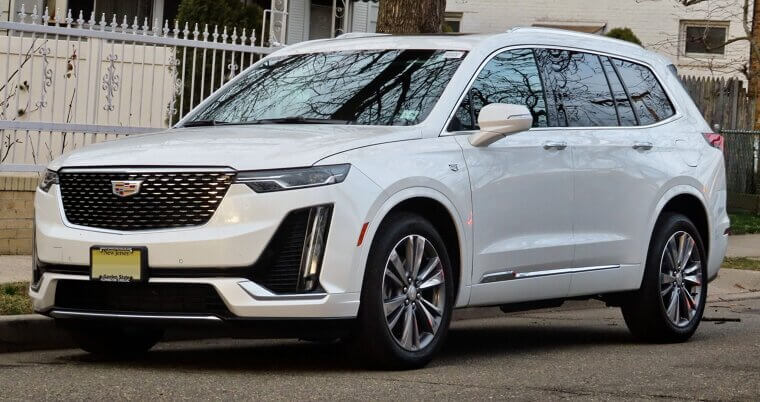
The XT6's insurance premium gap versus non-luxury three-row competitors can exceed $800 per year. Over five years, that's $4,000+ in extra insurance costs — enough to buy a decent used car.
Mercedes GLS's Failing All-Wheel Drive Transfer Case
The Mercedes GLS is the flagship of the lineup — a full-size luxury SUV that does everything with authority, including breaking down expensively. The transfer case on 4MATIC models has been a documented weak point, with fluid contamination and internal wear leading to replacement costs of $4,000–$7,000. Mercedes' complex all-wheel drive system involves multiple control modules that communicate constantly, meaning a single sensor failure can trigger a cascade of warning lights and diagnostic fees. The GLS ownership experience is exceptional — right up until the AWD system decides otherwise.
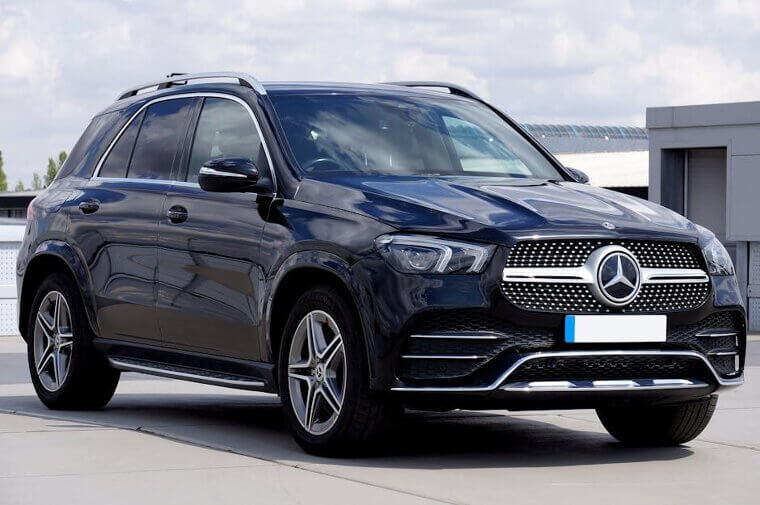
GLS transfer case failures have been reported as early as 70,000 miles on some model years. Given the repair cost and complexity, many GLS owners add extended warranties specifically to cover this known vulnerability.
Land Rover Defender's Dealer-Exclusive Parts Markup
Land Rover's decision to route most Defender parts exclusively through authorized dealers isn't accidental — it's a business model. Dealer-exclusive components carry markups that independent shops simply can't match, and Land Rover's proprietary diagnostic software means unauthorized repairs sometimes void coverage or create new problems. A simple suspension bushing replacement that might cost $200 at an independent shop runs $600+ at a Land Rover dealer once parts markup and specialized labor are added. The Defender's off-road credibility is genuine. Its parts pricing strategy is equally deliberate.

Land Rover dealers have been known to charge $400–$600 for parts that cost $80–$120 at independent suppliers. Owners who find trusted specialists outside the dealer network report saving thousands annually — if they're willing to risk warranty complications.
Lincoln Aviator's Steep Depreciation After Year One
The Lincoln Aviator loses roughly 35–40% of its value in year one alone — a depreciation rate that makes the Range Rover Sport look stable by comparison. Lincoln's brand positioning creates the problem: it's premium enough to carry a high MSRP, but not prestigious enough to hold value the way a BMW or Lexus does in the used market. Buyers who finance a $65,000 Aviator can find themselves owing more than the vehicle is worth within 18 months. The first-year depreciation hit is so predictable that buying a one-year-old Aviator is genuinely one of the smarter used car purchases available.
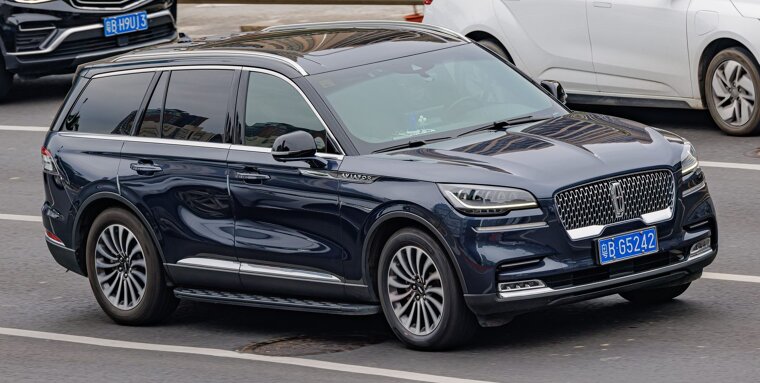
A $65,000 Aviator Reserve can be worth $40,000–$42,000 after just 12 months and 12,000 miles. That $23,000 value loss is the real price of being the first owner — and it happens before the first major service.
BMW X7's Crumbling iDrive System Repair Bills
BMW's iDrive infotainment system is sophisticated, intuitive, and expensive to fix when it fails. On the X7, iDrive module failures, screen delamination, and controller unit malfunctions have generated repair bills in the $1,500–$3,500 range — for what is essentially the radio and navigation system. BMW integrates iDrive deeply into vehicle functions including climate, suspension settings, and driver assistance systems, meaning a software or hardware failure isn't just inconvenient — it can disable features throughout the entire vehicle until the module is replaced or reflashed.
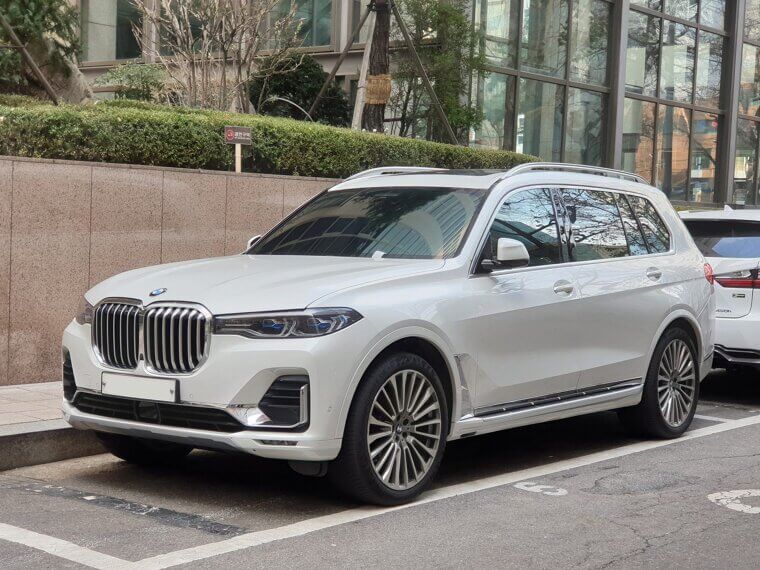
BMW X7 iDrive repairs are compounded by the system's integration with nearly every vehicle function. What starts as a screen glitch can cascade into a full-day dealer visit with a bill that shocks owners who expected a simple fix.
GMC Acadia's Dismal Fuel Economy Real-World Numbers
The GMC Acadia's window sticker shows 19 mpg city, 26 highway — numbers that look reasonable until you actually own one. Loaded with passengers, running AC in summer, and sitting in stop-and-go traffic, owners consistently report 16–18 mpg in mixed driving. The optional V6 drops further. What makes this particularly frustrating is that the Acadia is marketed as a practical family vehicle — exactly the use case that kills its efficiency. The EPA rating is a best-case scenario that most families never see.
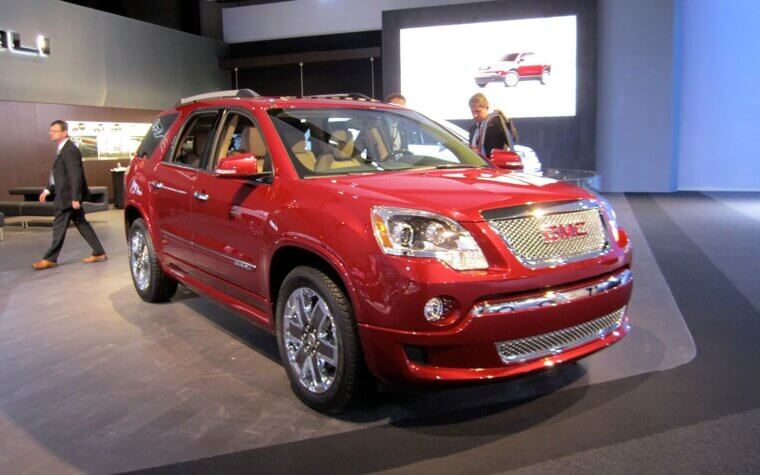
The EPA-vs-reality gap on the Acadia isn't just an annoyance — it's a $2,000–$3,000 miscalculation over five years. Buyers who budgeted based on the window sticker number are quietly overpaying at every fill-up.
Porsche Macan's Oversized Tire Replacement Expense
The Porsche Macan rides on wide, performance-spec tires that deliver exceptional handling and a planted feel through corners. They also wear faster than standard tires and cost significantly more to replace. A full set of OEM-spec Macan tires runs $1,200–$1,800 installed, and performance-oriented driving accelerates wear to 25,000–35,000 miles per set. Owners who drive the Macan the way it's designed to be driven — enthusiastically — are replacing tires every two to three years. Multiply that over a decade and tire costs alone represent a substantial ownership expense that few buyers calculate upfront.

Macan owners who track their tire expenses report spending $4,000–$6,000 on rubber over 80,000 miles. That's a cost category most SUV buyers never think to include in their ownership budget — but Porsche owners learn quickly.
Jeep Wrangler's Costly Post-Warranty Breakdown Pattern
The Jeep Wrangler's post-warranty breakdown pattern is well documented enough that it has its own community of survivors. Around 60,000–80,000 miles, after the powertrain warranty expires, owners begin reporting death wobble recurrences, transfer case issues, and electrical system failures with uncomfortable frequency. The Wrangler's off-road-focused design means components face stress that purely on-road vehicles never encounter. Shops that specialize in Wrangler repairs exist in most markets, but the cumulative repair costs in years five through eight of ownership can genuinely rival a car payment. The freedom isn't free.
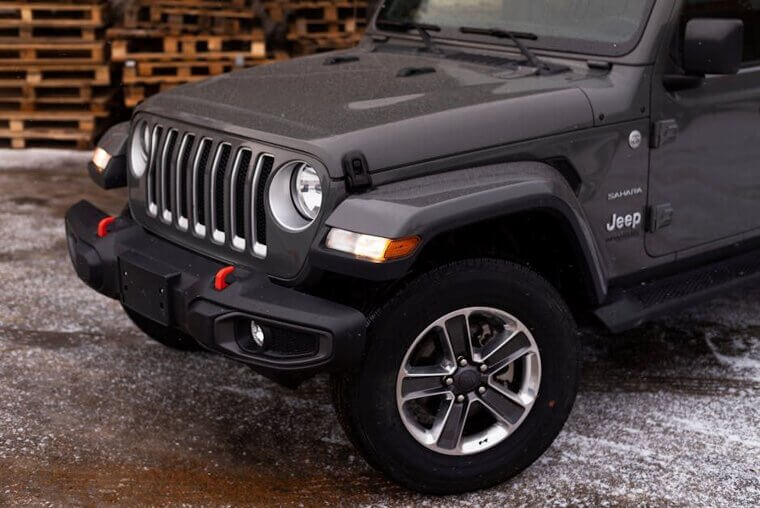
Wrangler owners in off-road communities openly discuss the '60k cliff' — the point where deferred maintenance and design-related wear converges into a concentrated string of repair bills. Budget $3,000–$5,000 for that period.
Audi Q8's Punishing Long-Term Ownership Price Tag
$120,000. That's where a loaded Audi Q8 Prestige starts before options. Now add five years of ownership: depreciation takes roughly $55,000–$65,000 of that. Annual maintenance at an Audi dealer runs $1,200–$2,000. Fuel costs for the 3.0-liter TFSI V6 add another $15,000–$18,000 over five years. Insurance premiums on a six-figure luxury SUV run $2,500–$3,500 annually. Add it up and the five-year total cost of Q8 ownership — purchase price plus operating costs — can approach $200,000. The Q8 is magnificent. It's also one of the most expensive decisions you can make on four wheels.
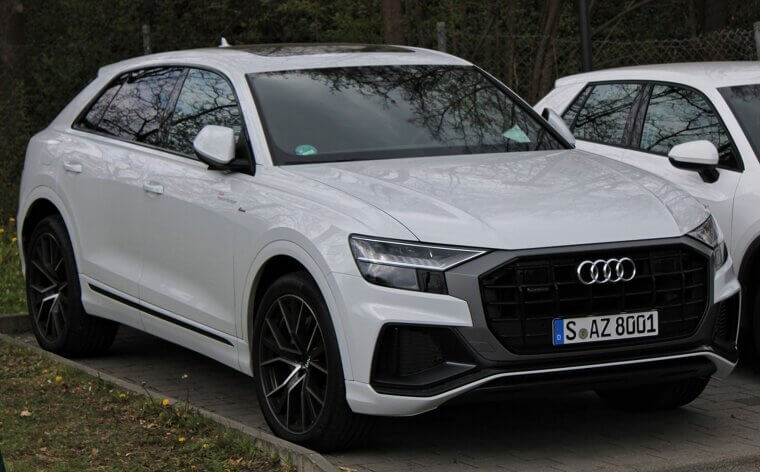
The Q8's five-year depreciation alone often exceeds $60,000 — more than the total purchase price of many new vehicles. It's the ultimate reminder that the sticker price is just the beginning of the conversation.