
Before food processors and instant everything, the kitchen was a place of serious craft. The tools your mother and grandmother relied on were simple, durable, and oddly satisfying to use — and some of them are now fetching serious money at antique markets.
The Trusty Rotary Egg Beater
Picture this: Sunday morning, a bowl of cream, and that satisfying whirring click as the gears spin. The rotary egg beater was the original kitchen workout — no batteries, no cords, just mechanical genius. Most households owned at least two because one always disappeared. They sold for under a dollar at the five-and-dime, and moms used them for everything from whipping cream to beating cake batter into submission.
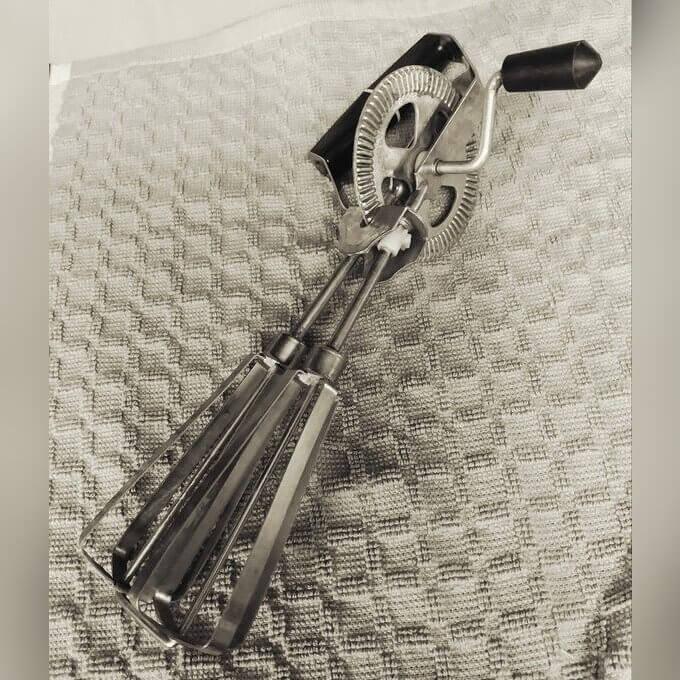
Vintage rotary beaters in original packaging now sell for $15–$40 at flea markets. The painted wooden handle versions fetch the highest prices from collectors who grew up watching them spin.
The Beloved Jello Mold
No 1950s dinner party was complete without something wobbly and suspiciously colorful on the table. The Jello mold wasn't just a dessert vessel — it was a status symbol. Copper fish-shaped molds, aluminum rings, and fluted bundt-style versions all had their moment. Moms spent real effort layering fruit, vegetables, and cream cheese into architectural gelatin masterpieces that guests were almost afraid to slice. Almost.
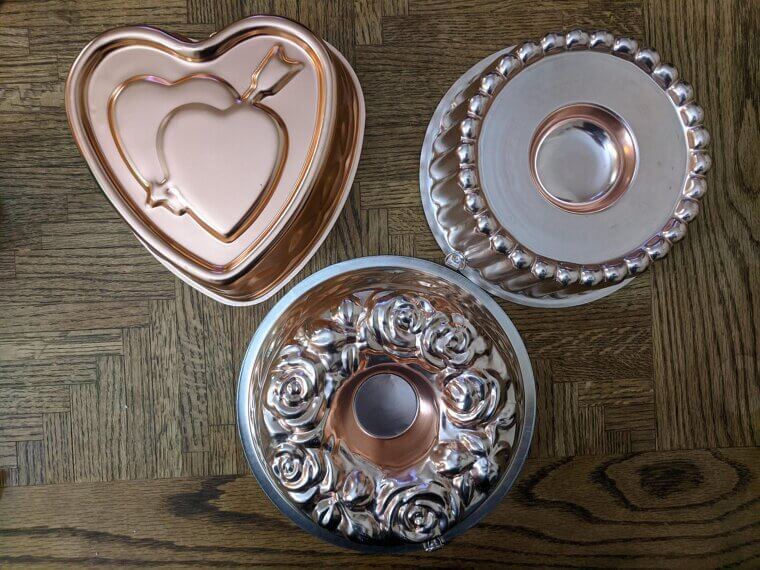
Decorative copper Jello molds from the 1950s and 60s regularly sell for $20–$75 each. A matched set of six in original condition? Collectors will clear a shelf just to display them.
The Charming Butter Mold
The butter mold sounds almost too quaint to be real, but it was a genuine kitchen staple in households that took presentation seriously. Carved wooden molds pressed pats of butter into decorative shapes — wheat sheaves, pineapples, flowers — that arrived at the table looking almost too pretty to use. Almost. Dairy farms used larger commercial versions, but the home kitchen models were small, personal, and often carved by hand with real artistry.
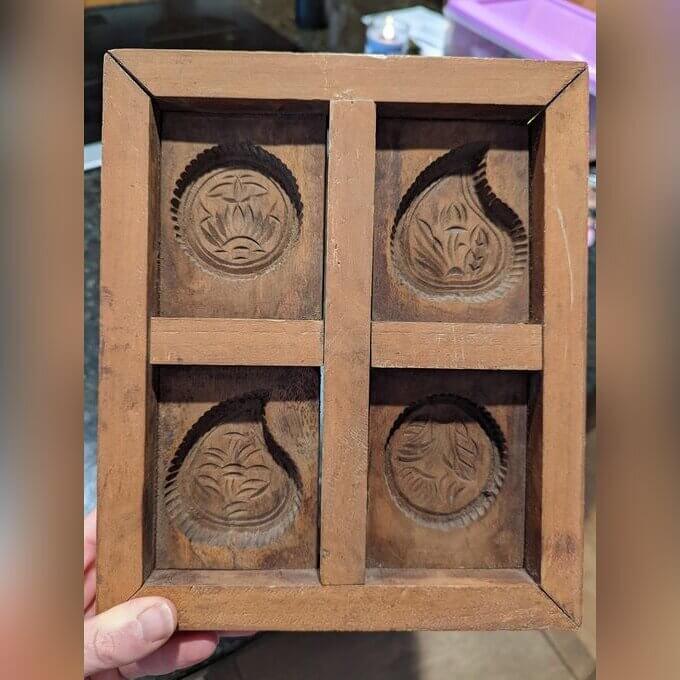
Hand-carved antique butter molds from the 1950s and earlier sell for $30–$120 depending on the design's complexity. Pineapple and cow motifs are perennial favorites at folk art auctions.
The Classic Cast Iron Skillet
Some things never go out of style — and the cast iron skillet is proof. These pans were handed down like heirlooms because, frankly, they outlasted everything else in the kitchen. A well-seasoned skillet from the 1950s could fry chicken, bake cornbread, and sear a steak without missing a beat. Brands like Griswold and Wagner were the gold standards, and moms treated them with more care than the good china.
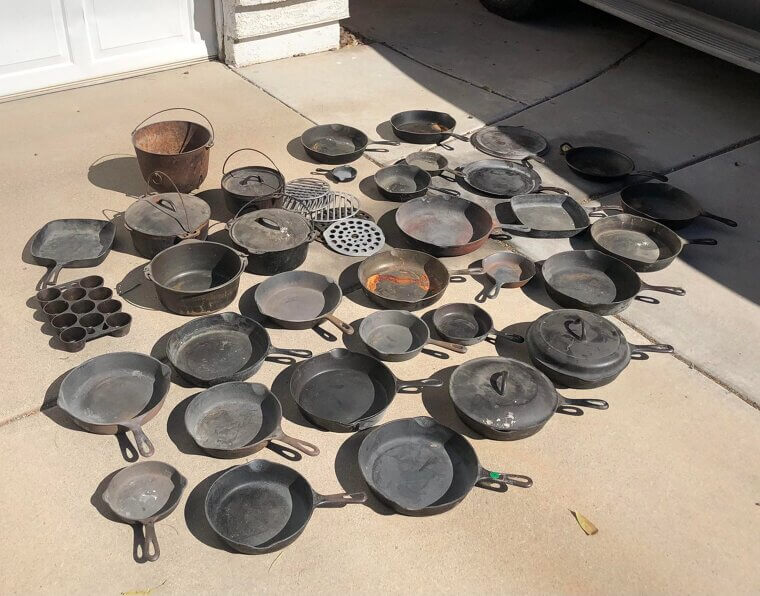
A Griswold cast iron skillet from the 1950s in excellent condition can sell for $200–$800 depending on size and markings. Your grandmother's 'junk' pan might be someone's treasure.
The Reliable Pressure Cooker
The pressure cooker was the 1950s version of the Instant Pot, except louder, heavier, and considerably more terrifying. That hissing weight on top sent kids running from the kitchen. But moms trusted it completely — pot roast in 45 minutes, dried beans in under an hour. Brands like Presto and National dominated the market. The aluminum body could take serious abuse, and most of them did, for decades without complaint.
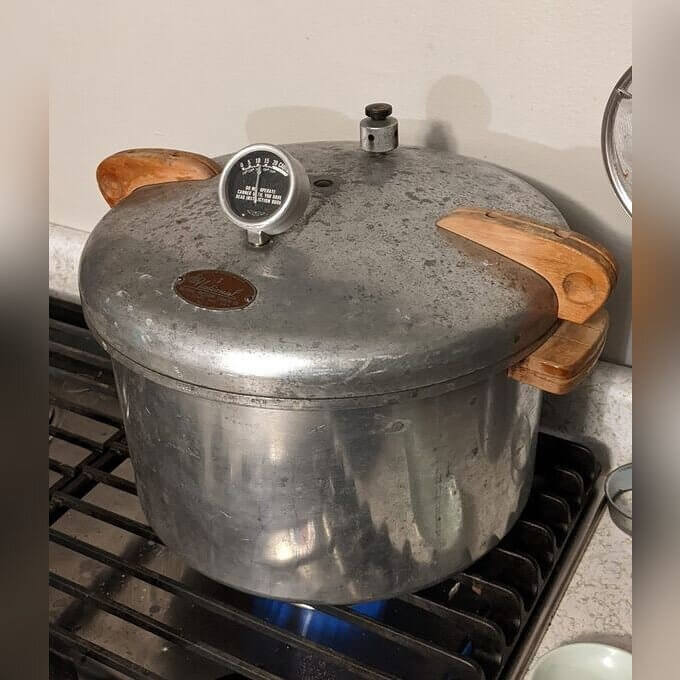
A working vintage Presto pressure cooker from the late 1950s sells for $30–$75 at antique stores. Parts are still available for many models, which makes them surprisingly functional collectibles.
The Elegant Deviled Egg Plate
There was a specific kind of hostess pride that came with owning a deviled egg plate. These ceramic or glass trays — each with their perfectly oval indentations — only came out for special occasions, which somehow made deviled eggs taste better. The fancier versions had a domed lid and painted rooster or floral designs around the rim. Owning one signaled that you were the kind of household that planned ahead and had the right tool for every occasion.
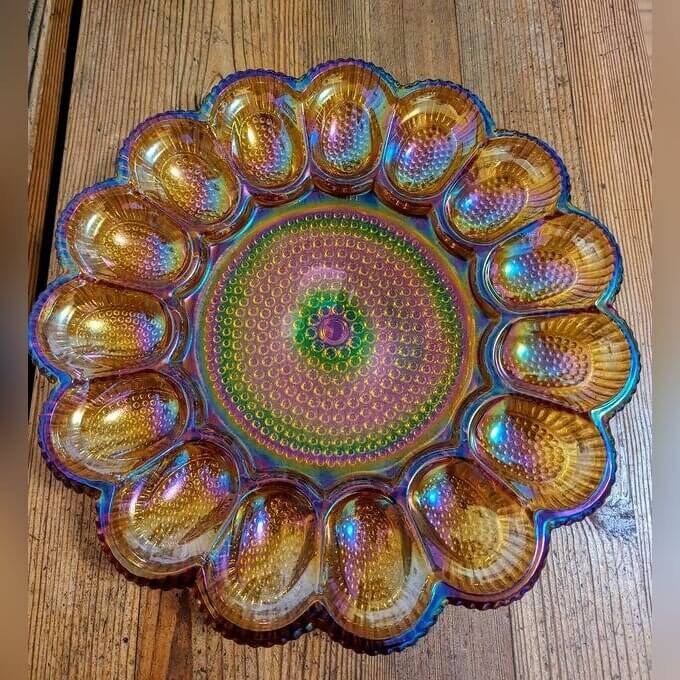
Vintage deviled egg plates with original lids and hand-painted designs sell for $25–$90. Rooster-themed and milk glass versions are the most sought-after, especially at Southern estate sales.
The Useful Pastry Blender
Before shortening got cut into flour by machine, the pastry blender did the job by hand. Those arched wire tines rocking through cold butter and flour were the secret behind every flaky pie crust your grandmother ever made. It looked deceptively simple — just a handle with curved wires — but the technique took practice. Too much pressure and the butter warmed up. Too little and you had chunks. Getting it right was a genuine skill passed down with the tool itself.
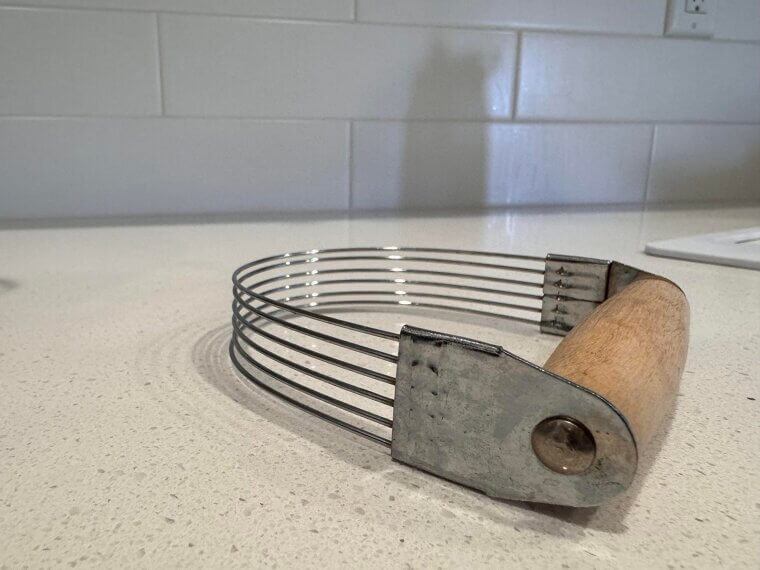
Pastry blenders are still made today, but the vintage versions with turned wooden handles and solid construction sell for $10–$30. Bakers who learned on them refuse to switch to anything else.
The Sturdy Potato Masher
Mashed potatoes in the 50s weren't made in a food processor — they were made with muscle. The potato masher was a weapon of comfort food construction, and every kitchen had one jammed in a drawer alongside the spatulas. The wavy wire version and the flat perforated disc version sparked genuine household debates about which made lumpier, better mashed potatoes. Spoiler: neither. It was always about the butter-to-potato ratio.
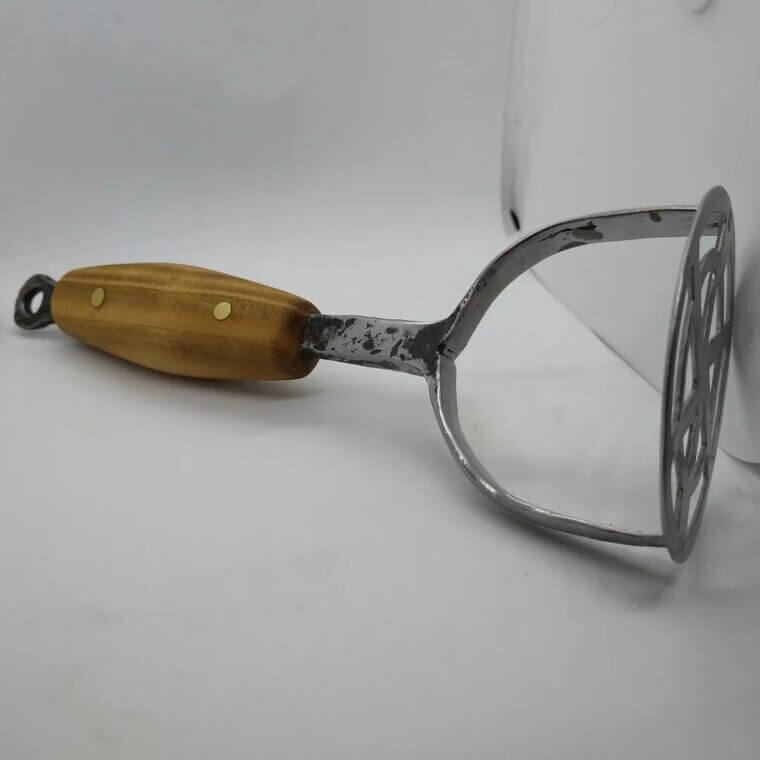
Vintage potato mashers are among the most affordable collectibles going — usually $5–$20 at thrift stores. The zigzag wire style with painted handles is the one everyone remembers most fondly.
The Handy Manual Can Opener
Would you trust a can opener that required actual effort? In the 50s, you had no choice. The wall-mounted manual can opener was a kitchen fixture — screwed right next to the stove, always slightly sticky, always completely indispensable. The freestanding versions with the butterfly key mechanism were equally common. Opening a can of Campbell's tomato soup was practically a ritual, and kids fought over who got to turn the handle.
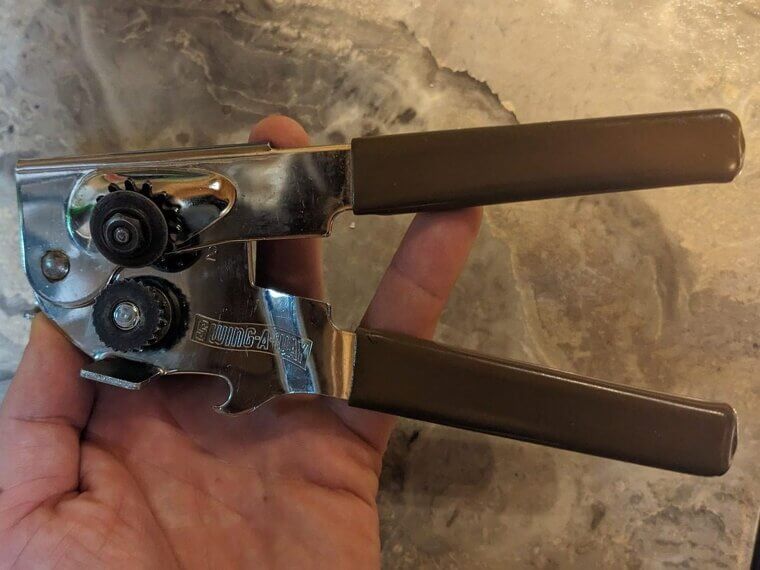
Vintage wall-mount can openers with cast iron bodies still pop up at estate sales for $8–$25. The ones with original paint and no rust are snapped up by retro kitchen decorators immediately.
The Iconic Pyrex Mixing Bowls
$400. That's what a complete set of vintage Pyrex mixing bowls in the Primary Colors pattern can fetch today. In the 1950s, you could buy the whole nested set for a few dollars. Moms used them for everything — mixing, storing, serving, even as makeshift salad bowls. The bold red, yellow, green, and blue colors were designed to be cheerful, and they were. They were also nearly indestructible, which is why so many survived to become the most collectible kitchenware of the postwar era.
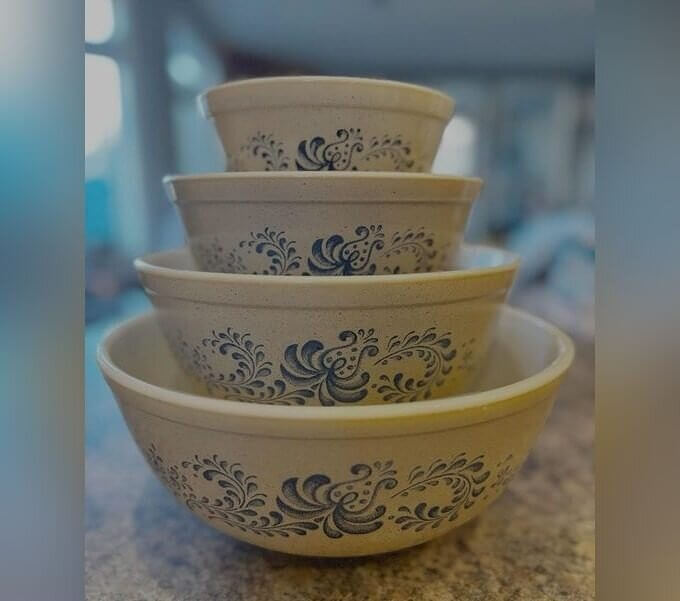
The 'Gooseberry' and 'Butterprint' Pyrex patterns are the holy grail for collectors. A single bowl in mint condition can sell for $50–$150, and complete sets in original boxes are genuinely rare finds.
The Handy Meat Grinder
The hand-cranked meat grinder clamped to the edge of the counter like it owned the place. And in a way, it did. Moms used these cast iron workhorses to grind leftover roast into hash, turn pork into sausage, and stretch a small amount of meat into a large amount of dinner. The grinding plates came in different sizes for coarse or fine results. Cleaning them was a project, but nobody complained because the food that came out was worth every minute.
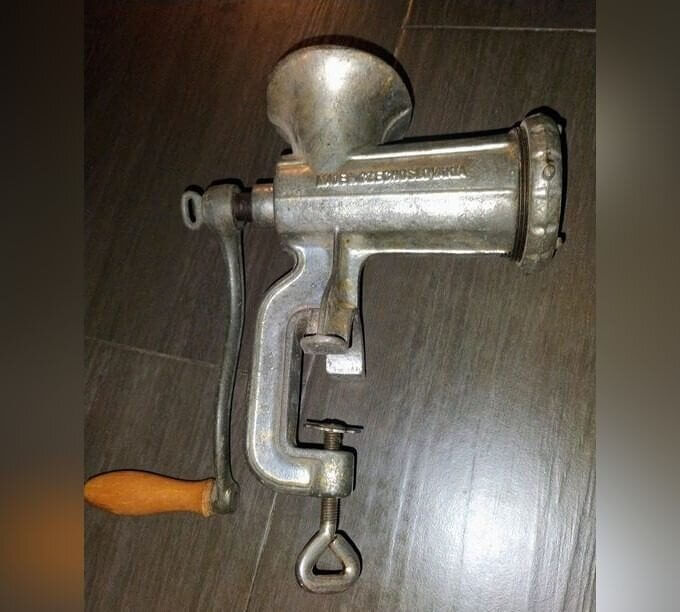
Universal and Griswold meat grinders from the 1950s sell for $20–$60 at estate sales. Complete sets with multiple grinding discs and the original clamp command the highest prices from serious collectors.
The Practical Flour Sifter
Sifting flour wasn't optional — it was gospel. Every recipe from the 1950s called for sifted flour, and the rotary flour sifter was the tool that made it happen. The single-cup squeeze-handle version was the most common, but triple-screen models promised extra-fine results for serious bakers. The satisfying swoosh of flour cascading through the mesh was practically therapeutic. Moms who baked daily kept theirs on the counter, dusted with a permanent ghost of white.
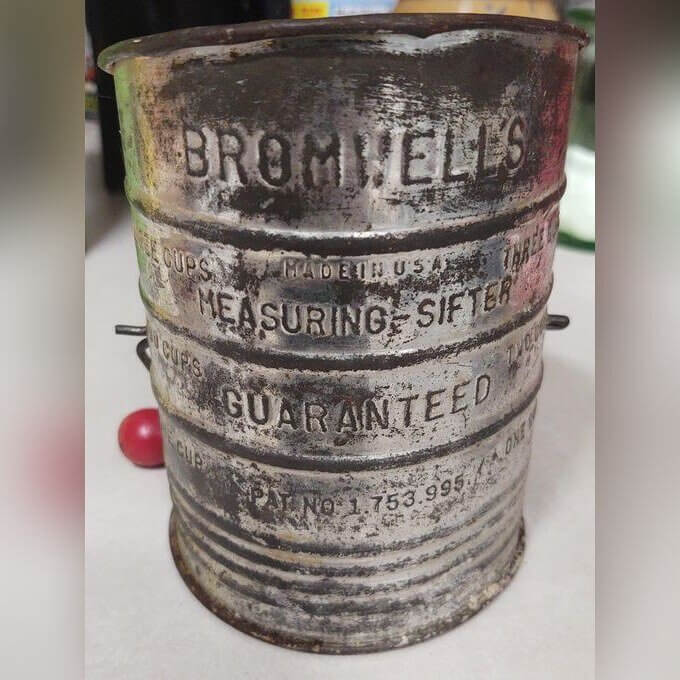
Vintage flour sifters with lithographed tin designs — red cherries, blue cornflowers — are popular kitchen décor pieces. Expect to pay $15–$45 for one in good cosmetic condition at antique malls.
The Classic Tin Bread Box
Before plastic bags and resealable everything, the tin bread box stood on the counter doing exactly one job — and doing it well. These rectangular metal boxes with roll-top or swing-out doors kept bread fresh longer than leaving it on the counter, and they looked sharp doing it. Chrome trim, painted flowers, or simple two-tone designs were all popular. The satisfying clunk of a well-fitted bread box lid closing is a sound that's genuinely hard to describe to anyone who didn't grow up with one.
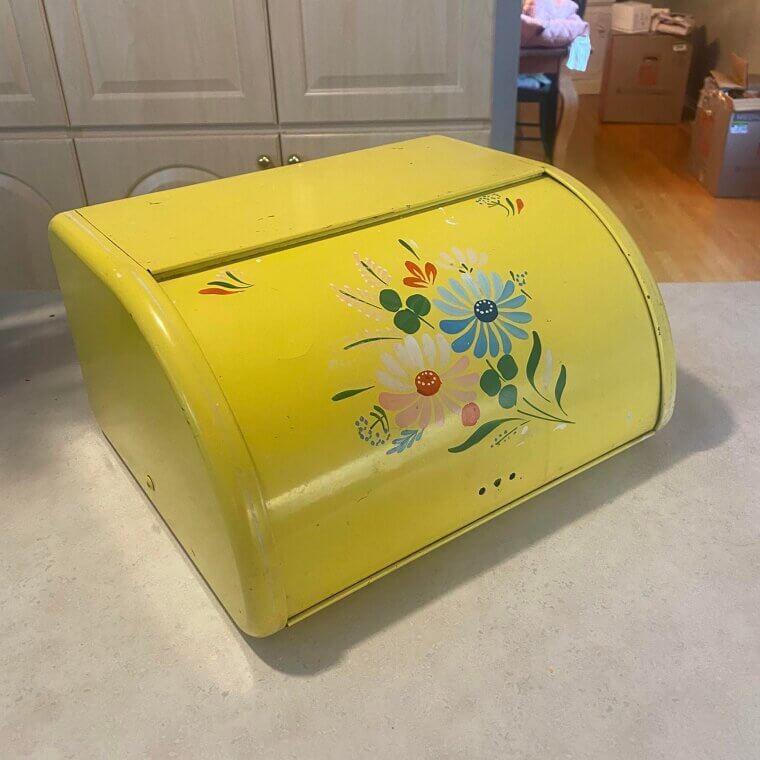
Vintage tin bread boxes in original paint with minimal rust sell for $25–$80. The red-and-white or green-and-cream color combinations are the most collectible, especially with original decals intact.
The Dependable Waffle Iron
Sunday waffles were a serious production. The stovetop waffle iron required preheating, greasing, timing, and a certain amount of faith. Flip it too early and the waffle tore. Wait too long and you had a hockey puck. But when the timing was right — that golden, crisp grid emerging from the iron — nothing beat it. The electric versions arrived in the late 50s and made things easier, but plenty of families kept the stovetop version because it made thicker, chewier waffles that the electric models couldn't match.
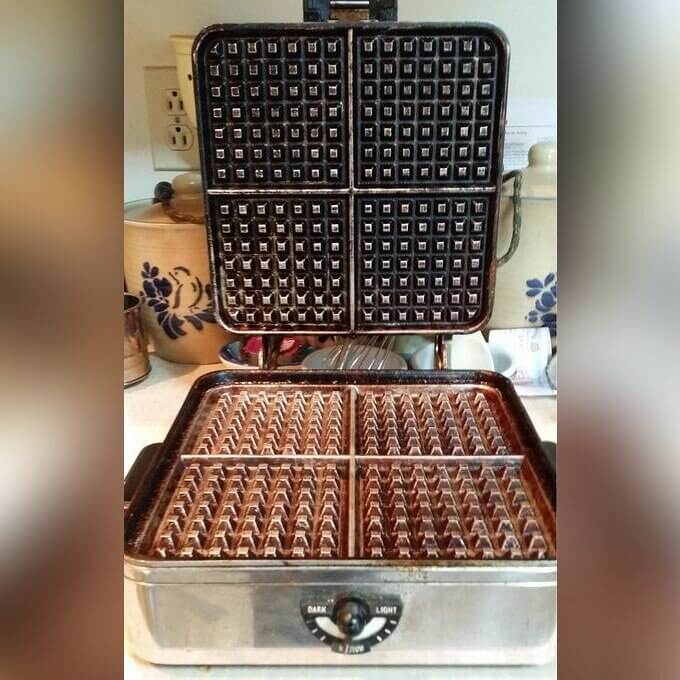
Cast iron stovetop waffle irons in working condition sell for $40–$120 at antique markets. The long-handled versions designed for wood stoves are particularly prized by collectors of early American cookware.
The Colorful Tupperware Containers
Tupperware parties changed how America stored leftovers — and how suburban women socialized. The pastel-colored containers with their satisfying burping seal were genuinely revolutionary in the 1950s. Moms collected them obsessively, stacking them in every cabinet. The genius of the airtight seal was matched only by the genius of the direct-sales model that made Tupperware a household name through living room demonstrations rather than retail shelves. Earl Tupper's invention was simple. The marketing was anything but.
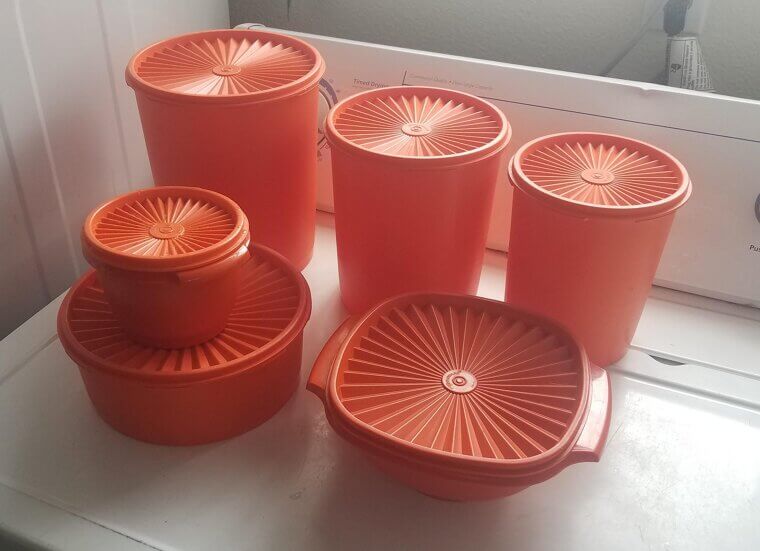
Original 1950s Tupperware in pastel colors sells for $5–$30 per piece, with complete nested sets fetching $50–$150. The 'Wonderlier' bowl set in millennial pink is a particular collector favorite right now.
The Trusty Rolling Pin
Every kitchen had one, but no two were exactly alike. Rolling pins came in marble, glass, wood, and ceramic — each with passionate advocates who would argue the merits of their preferred material at length. The French tapered style versus the American ball-bearing handled version was a genuine debate. Grandmothers passed their rolling pins down with the same gravity as jewelry, and the worn spots on the handles told the story of thousands of pie crusts, cookie doughs, and pasta sheets.
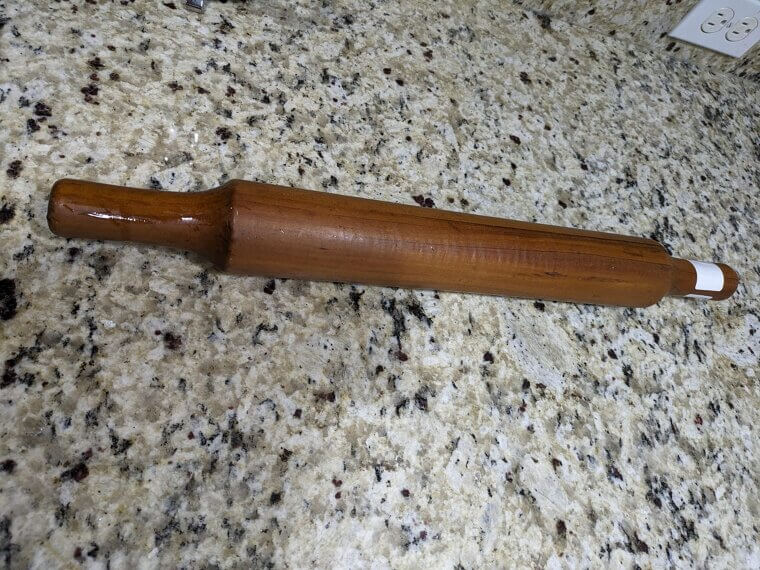
Vintage glass rolling pins filled with ice water — a real 1950s trick for keeping pastry cold — sell for $30–$65. Milk glass versions and hand-painted ceramic pins are the most decorative collectibles.
The Useful Cherry Pitter
Here's a tool that sounds made up until you've actually used one. The cherry pitter was a small, spring-loaded device that punched the pit out of a cherry in one clean motion — fast enough to process a pound of cherries in minutes. In the summer canning season, this thing earned its drawer space a hundred times over. Without it, pitting cherries by hand meant purple-stained fingers for days. Moms who made cherry pie from scratch treated this tool like a minor miracle.
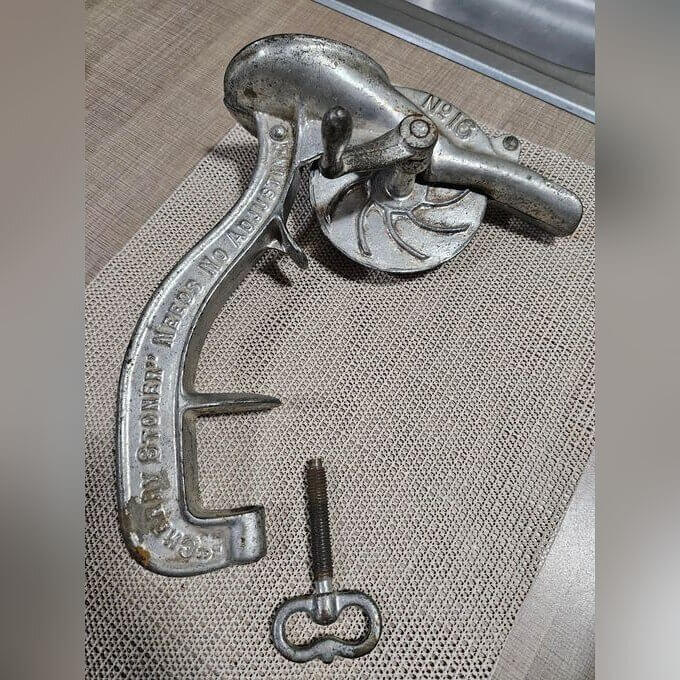
Vintage cast iron cherry pitters from the 1950s sell for $25–$75, with the clamp-on counter models fetching more than the handheld versions. They're still completely functional and surprisingly satisfying to use.
The Charming Cookie Press
The cookie press was the closest thing to a 3D printer that the 1950s kitchen ever produced. Load the dough, choose your disc — star, wreath, flower, Christmas tree — press the trigger, and out came a perfectly shaped cookie every single time. The Spritz cookie was its signature achievement: buttery, crisp, and uniform in a way that hand-rolled cookies never quite managed. Kids loved watching the shapes appear. Moms loved that the whole batch was done in twenty minutes.
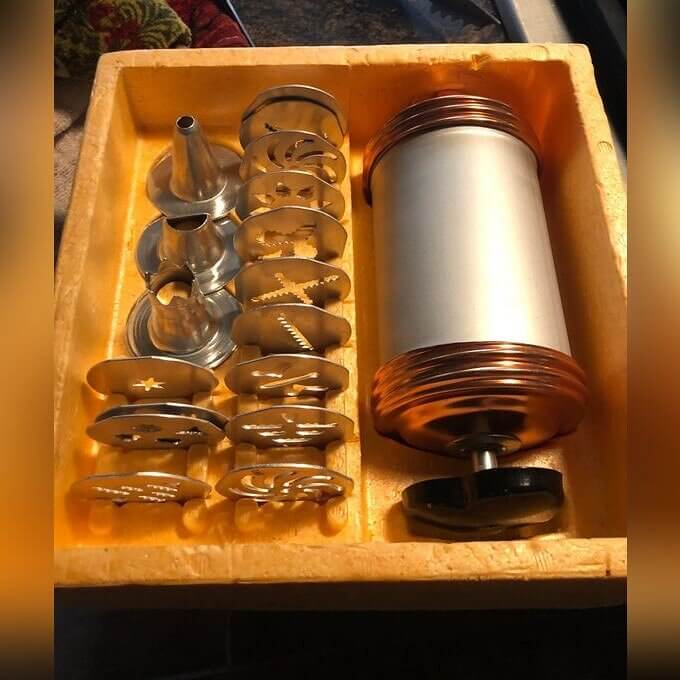
Vintage Mirro and Wear-Ever cookie presses with their original disc sets sell for $20–$55. Complete sets in original boxes with all discs present are increasingly hard to find and worth considerably more.
The Sturdy Canning Jar Lifter
Canning season was not for the faint of heart. Rows of Ball jars filled with tomatoes, peaches, green beans, and pickles lined the basement shelves like a trophy wall of domestic achievement. The jar lifter — those simple rubber-tipped tongs — was the unsung hero of the whole operation. Without it, lifting a scalding jar from a boiling water bath meant burned fingers at best and a dropped jar of three hours' work at worst. It cost almost nothing and prevented countless disasters.
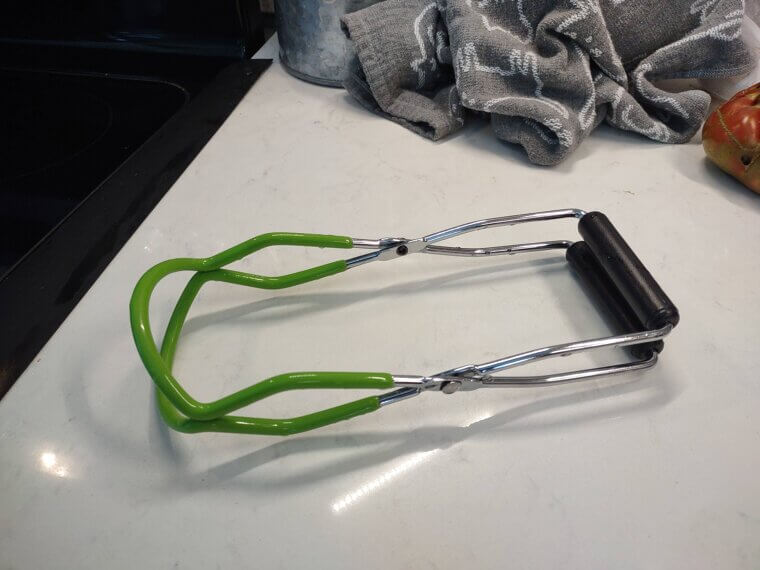
Vintage canning jar lifters are purely functional collectibles — usually $5–$15 at estate sales. But paired with a complete canning kit from the 1950s in original packaging, the set can reach $40–$80.
The Beloved Bundt Cake Pan
The Bundt pan didn't become an American icon until 1966, when a Tunnel of Fudge cake won second place at the Pillsbury Bake-Off and the country lost its collective mind. Before that, Nordic Ware had been making the fluted ring pan since 1950 with modest success. After that contest, the company received 200,000 requests in a single year. The pan's distinctive ridged shape turned an ordinary cake into something that looked professionally made, which was exactly the point for a generation of ambitious home bakers.
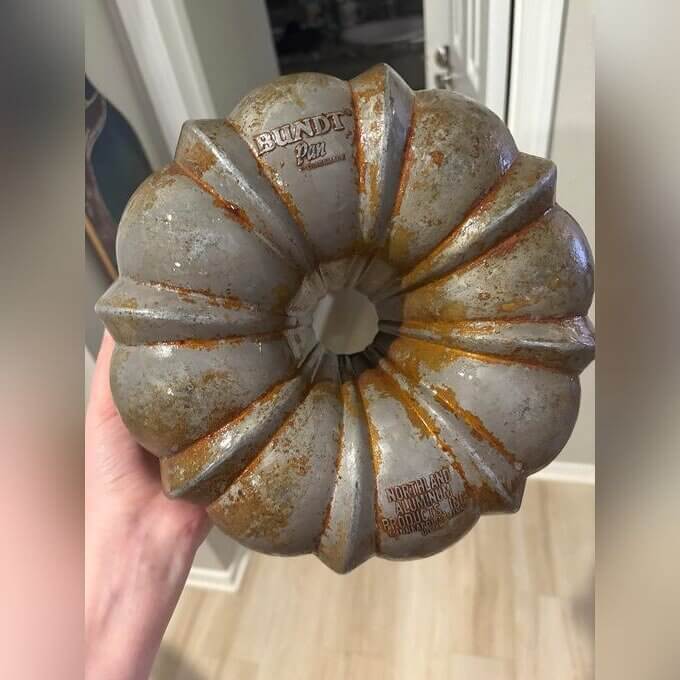
Original cast aluminum Nordic Ware Bundt pans from the 1960s sell for $30–$90 at antique stores. The earliest versions with the original Nordic Ware stamp and no non-stick coating are the most collectible.
The Classic Gravy Separator
Thanksgiving gravy was a two-step process: make it, then fix it. The gravy separator — a clear pitcher with a spout that draws from the bottom — let cooks pour off the good stuff and leave the fat floating on top. It sounds simple because it is simple, but the physics are genuinely elegant. Before this tool, moms were skimming fat with a spoon, chasing it around a hot pan, losing half the gravy in the process. The separator made Sunday roasts significantly less stressful.
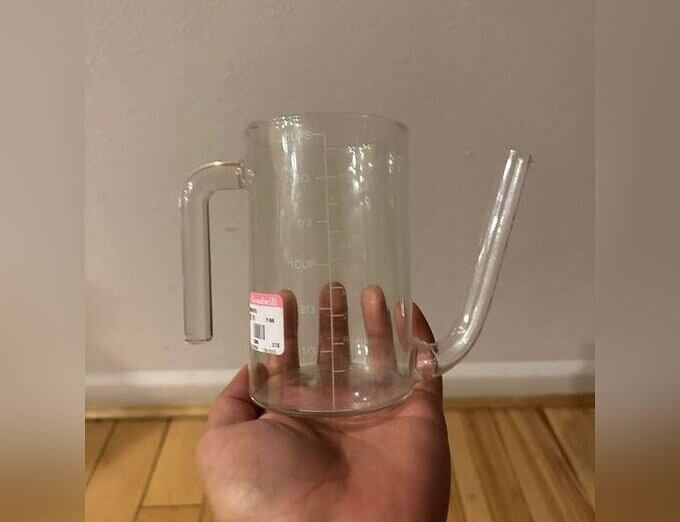
Vintage glass gravy separators with original pour spouts intact sell for $15–$40. The clear glass versions with measurement markings are preferred by collectors, especially those with red or green accent handles.
The Handy Apple Peeler
$150. That's what a complete cast iron apple peeler-corer-slicer from the 1950s can command at a serious antique auction. These clamp-on contraptions were marvels of mechanical efficiency — one turn of the handle and an apple came off the spike peeled, cored, and sliced in a single continuous spiral. During apple season, they were worth their weight in time saved. Kids thought they were the greatest invention in human history. Moms thought so too, but for different reasons.
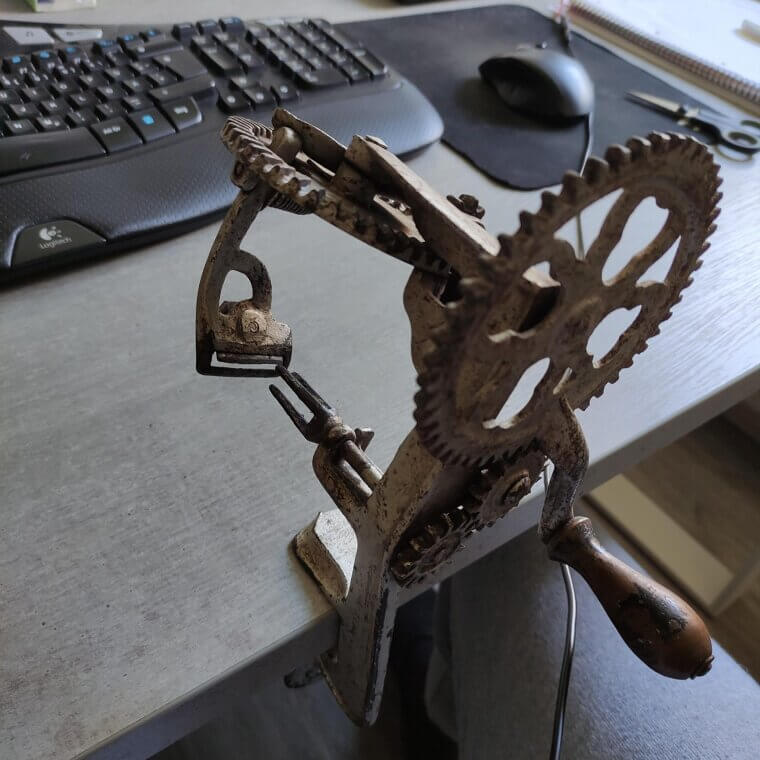
The most collectible vintage apple peelers are the cast iron Goodell and White Mountain models. Working examples with original paint sell for $60–$150, and the mechanical action on well-maintained versions is still impressively smooth.
The Decorative Cake Stand
A cake on a cake stand said something about the household that served it. It said: we take dessert seriously here. The footed glass or ceramic cake stand elevated a simple layer cake — literally and figuratively — into a centerpiece worthy of the occasion. The domed lid version kept the cake fresh between slices and looked spectacular on the counter. Milk glass stands, crystal pedestal versions, and hand-painted ceramic models all had their devotees, and moms collected them the way others collected art.
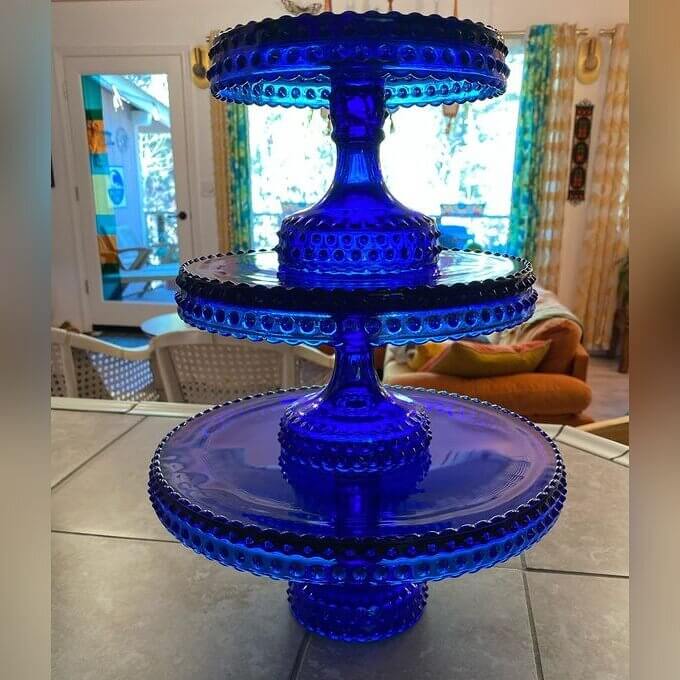
Vintage milk glass cake stands from the 1950s and 60s sell for $40–$120. Fenton and Westmoreland pieces with original labels are the most valuable, particularly in rare colors like black or deep ruby red.
The Reliable Stovetop Percolator
The stovetop percolator was an alarm clock you could smell. That rhythmic bubbling — perk, perk, perk — and the rich coffee aroma filling the kitchen were the official soundtrack of 1950s mornings. Drip coffee makers hadn't arrived yet, and instant coffee was considered a concession to weakness. The percolator required attention: too hot and the coffee turned bitter, too cool and it came out weak. Getting it right was a daily skill that serious coffee households took genuine pride in.
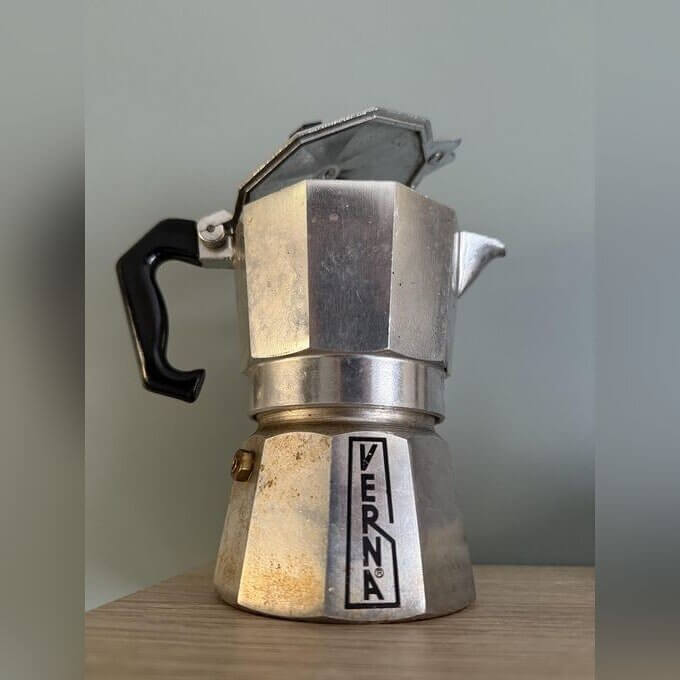
Vintage aluminum and stainless steel percolators from the 1950s sell for $20–$65. The Manning-Bowman and Mirro brands are most collectible, particularly the chrome versions with Bakelite handles in perfect condition.
The Practical Cheese Grater Box
Four sides, four jobs. The box grater was the Swiss Army knife of 1950s kitchen prep — coarse shreds for hash browns, fine shreds for cheese sauce, a slicer side for cucumbers, and a zester for lemon peel. It stood on the cutting board like a small tin skyscraper and required both hands and a certain amount of courage near the fine grating side. Every mom had at least one knuckle scar to prove it. The box grater was efficient, versatile, and absolutely unforgiving.
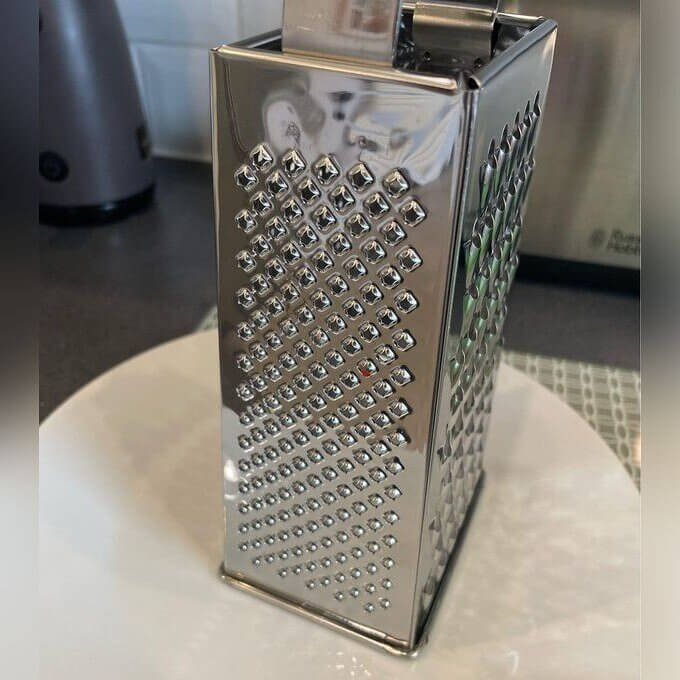
Vintage tin box graters with four distinct grating surfaces sell for $10–$30 at flea markets. The ones with original painted handles or lithographed brand names on the body are the most decorative collector pieces.
The Iconic Copper Measuring Cups
Copper measuring cups were the jewelry of the 1950s kitchen — beautiful, functional, and displayed proudly on hooks rather than hidden in drawers. The warm glow of polished copper hanging in a row above the counter was a deliberate design choice, not just storage. Sets came in standard 1/4, 1/3, 1/2, and 1-cup sizes, often with matching spoons. The copper actually had a practical benefit: it conducts heat evenly when used for candy making, which serious confectioners appreciated.
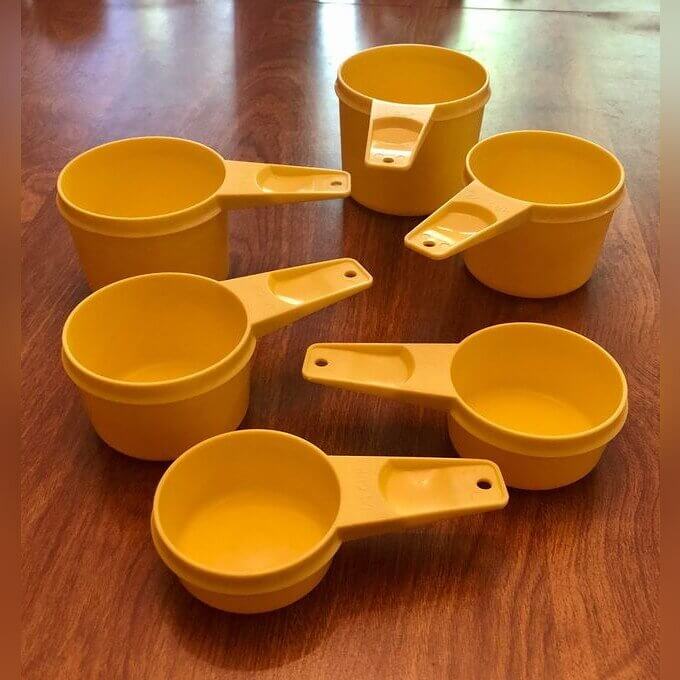
A complete set of vintage copper measuring cups with dovetail seams and brass rivets can sell for $80–$200. Individual cups in exceptional condition fetch $25–$60 each, particularly the larger sizes with original hanging loops.
The Useful Corn Cob Holder
Corn on the cob holders are the kind of tool that seems almost too specific to exist — until it's July and you're holding a scalding ear of corn with nowhere to put your fingers. The twin-pronged holders, usually sold in sets of eight, stabbed into each end of the cob and gave you something to grip without burning yourself or getting butter all over your hands. They came in corn-shaped designs, plain stainless steel, and novelty versions shaped like little animals that delighted children and confused adults.
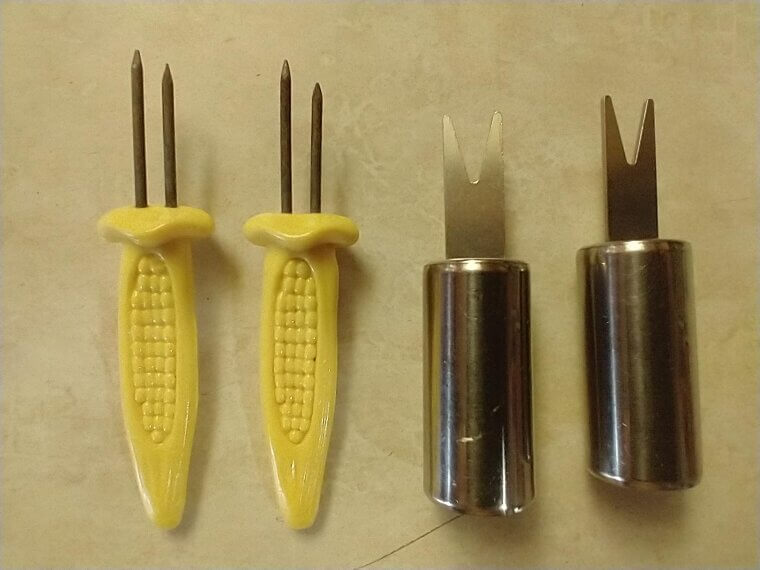
Vintage corn cob holders in original sets of eight with the original box sell for $15–$45. The most collectible are the corn-shaped plastic versions in bright yellow from the early 1960s — genuinely charming kitsch.
The Trusty Biscuit Cutter
You've probably walked past one without knowing what it was. The biscuit cutter looks like a small metal ring with a handle, but in the right hands it was the difference between a biscuit and a hockey puck. The sharp edge made a clean cut without compressing the dough layers, which was crucial for achieving that tall, flaky rise. Some moms used a drinking glass in a pinch, but serious biscuit makers kept their proper cutter wrapped in a cloth in the flour drawer, always ready.
Vintage biscuit cutters with the original tin construction and wooden or wire handles sell for $8–$25. Sets of graduated sizes in original tin canisters are the most collectible, often found at Southern estate sales.
The Handy Lemon Reamer
The lemon reamer is proof that the best tools are often the simplest. A ridged wooden or glass cone, pressed into a halved lemon and twisted — that's the entire mechanism. No moving parts, no electricity, no assembly required. Yet it extracted more juice than squeezing by hand and was faster than any contraption with a lever. Glass reamers in Depression-era green or pink are genuinely beautiful objects. The wooden versions developed a permanent citrus fragrance after years of use that was impossible to wash out.
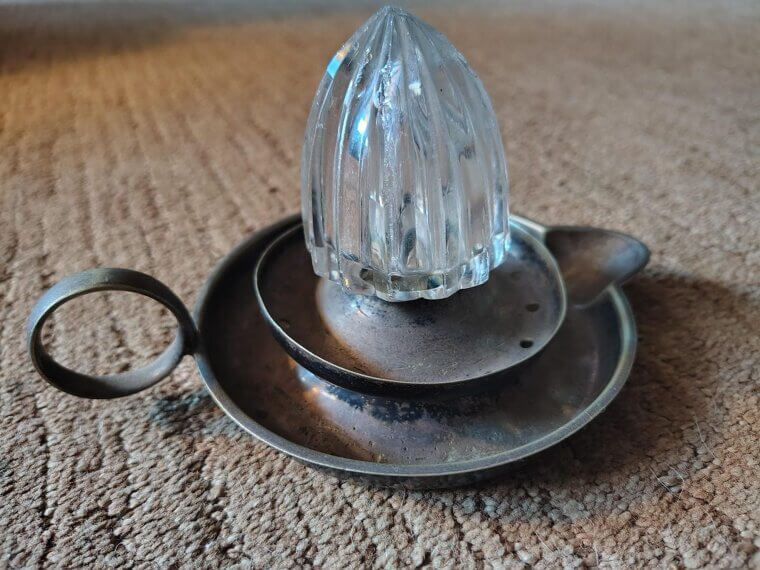
Depression glass lemon reamers in pink, green, or cobalt blue sell for $20–$85 depending on color and condition. Cobalt blue examples are the rarest and most valuable, often doubling the price of common green versions.
The Classic Tin Cookie Cutters
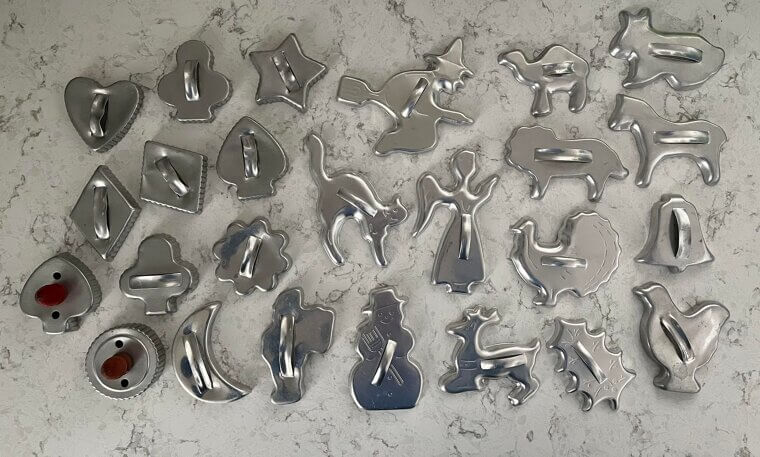
Christmas meant the tin cookie cutter box came down from the high shelf. Inside: a Santa, a star, a tree, a reindeer, and at least three unidentifiable shapes that had been in the family long enough that nobody questioned them. Tin cookie cutters were cheap, sharp, and nearly indestructible. The rolled-edge versions were safer for little hands. Moms collected them year-round — hearts for Valentine's Day, eggs for Easter, turkeys for Thanksgiving — until the tin box rattled with dozens of possibilities.
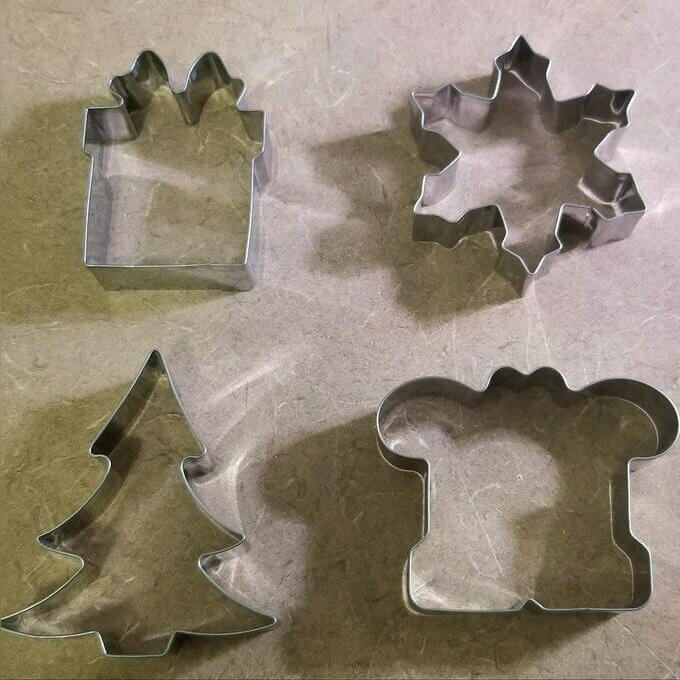
Vintage tin cookie cutter sets in original boxes sell for $15–$60. Individual cutters in unusual shapes — airplanes, cowboys, animals — fetch $5–$20 each. A complete holiday set in original condition can reach $75–$100.
The Beloved Fondue Pot
The fondue pot arrived in American kitchens in the 1960s and immediately became the most theatrical piece of equipment in the house. Cheese fondue, chocolate fondue, beef fondue — each required the same cast iron or enameled pot, the same long forks, and the same slightly dangerous open flame in the middle of the dinner table. It was a European import that the suburbs embraced wholeheartedly as a symbol of cosmopolitan sophistication. Losing your bread in the cheese meant buying the next bottle of wine, according to Swiss tradition.
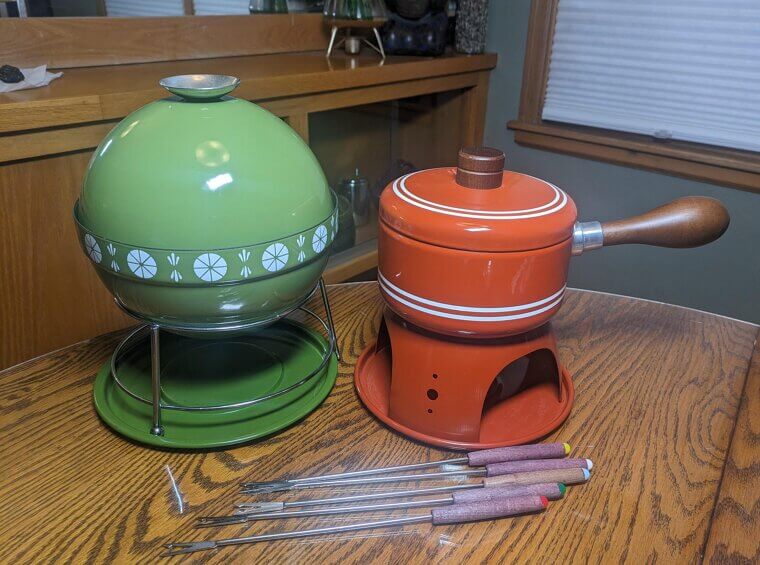
Vintage Le Creuset and Cousances fondue sets from the 1960s sell for $75–$200 in excellent condition. The orange enamel color is the most iconic and commands a premium over other colors at auction.
The Sturdy Wooden Salad Bowl
The large wooden salad bowl was a statement piece — a hand-turned walnut or teak bowl that lived on the counter or the dining table because it was too beautiful to hide. Moms seasoned these bowls with oil and never washed them with soap, which horrified some guests and fascinated others. The accumulated seasoning was considered the secret to the bowl's flavor. Matching sets with individual smaller bowls and wooden servers completed the picture of a household that took its salads as seriously as its roasts.
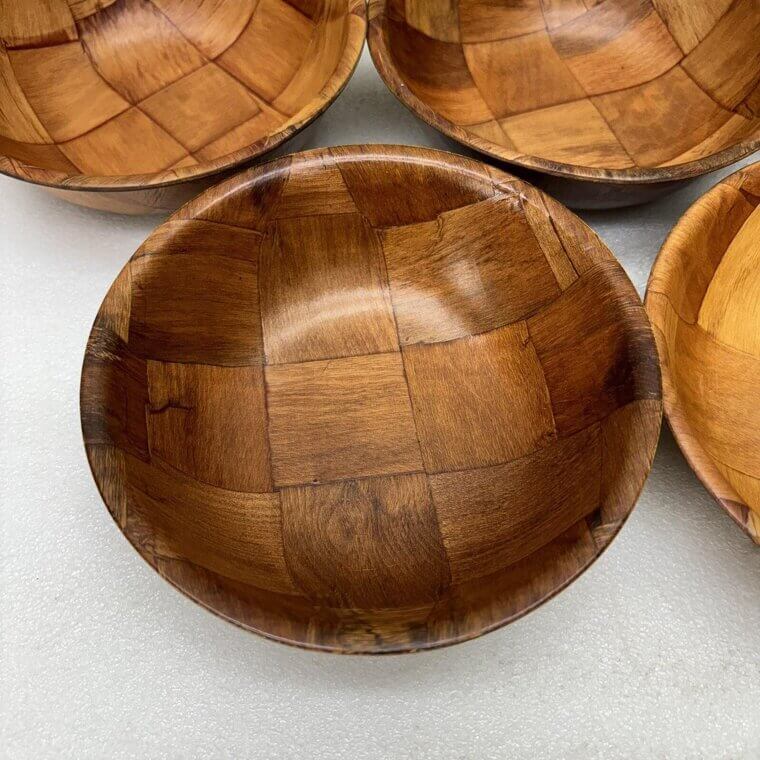
Vintage hand-turned teak salad bowl sets from the 1960s — complete with servers and individual bowls — sell for $40–$120. Single large bowls in figured walnut with original oil finish can fetch $60–$150 at design-focused auctions.
The Practical Stovetop Popcorn Popper
Before microwave bags and pre-popped everything, Saturday night meant the stovetop popcorn popper. The wire-mesh basket with the long handle sat over a gas flame while someone cranked the handle to keep the kernels moving. The moment the first pop echoed through the kitchen, kids came running. The whole house smelled of hot oil and toasted corn within minutes. Getting the timing right — off the heat before the burning started — was a genuine skill, and every family had one person who was best at it.
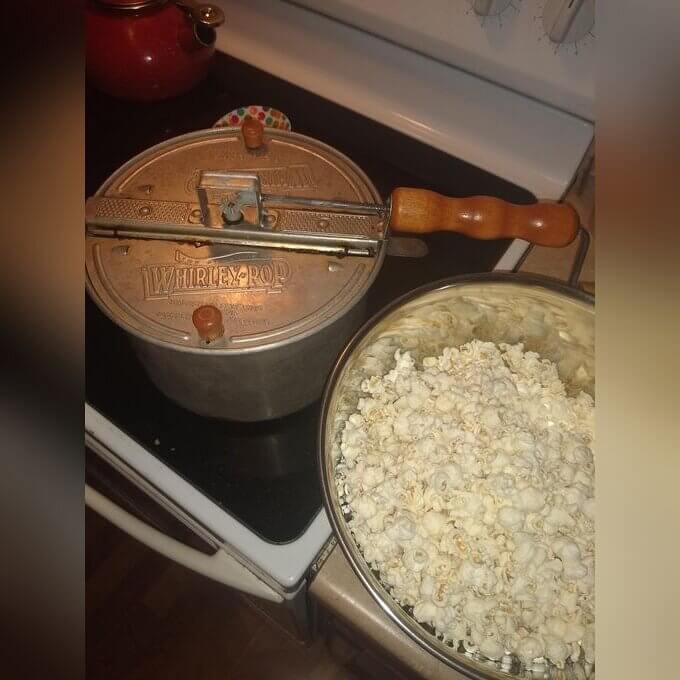
Vintage wire-mesh stovetop popcorn poppers with long wooden handles sell for $15–$45. The Whirley-Pop style with the stirring mechanism and the simpler wire basket versions are both popular with collectors of mid-century kitchen tools.
The Reliable Nut Chopper
The nut chopper sat in the spice cabinet like a small glass grenade. You loaded the top chamber with walnuts or pecans, pressed the spring-loaded plunger, and the blades inside chopped them into the glass jar below — clean, contained, and controlled. No flying nut pieces across the counter, no uneven chunks. Moms used them for brownies, banana bread, and the obligatory nut topping on every Jello mold that contained cream cheese. The chopper was small, specific, and completely irreplaceable once you owned one.
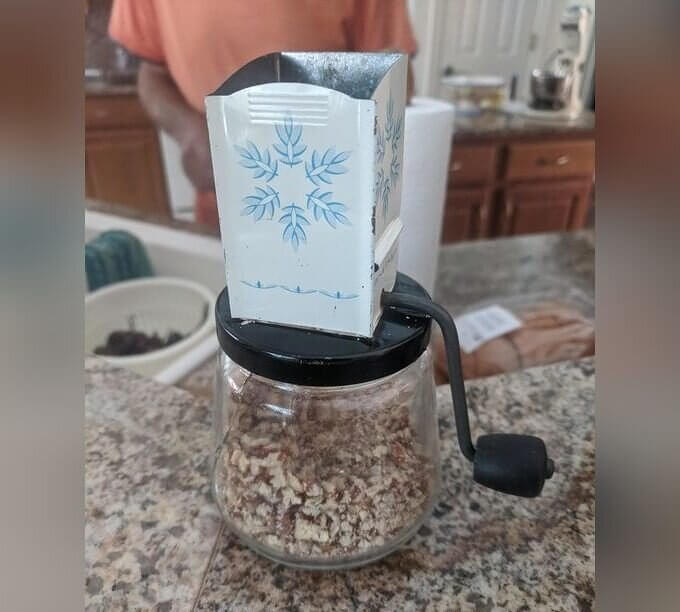
Vintage glass-jar nut choppers with metal plunger mechanisms sell for $12–$35. The Nut Chopper by Ekco and similar brands are the most recognized. Complete examples with the original glass jar and all blades intact are increasingly hard to find.
The Charming Spice Rack Set
The spice rack was the 1950s kitchen's version of a bookshelf — organized, displayed, and a direct reflection of the cook's personality. Wall-mounted wooden racks held matching glass jars with metal lids, each labeled in neat script. The spices themselves were often bought from a traveling McCormick salesman who came to the door with a sample case. Having a full, matched rack meant you were a serious cook who planned ahead. Having a half-empty rack with mystery contents was the mark of a improviser.
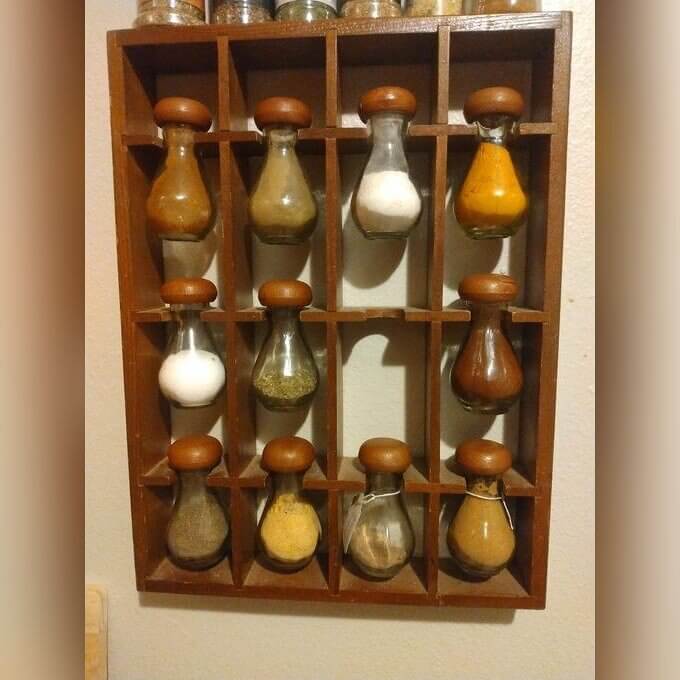
Complete vintage spice rack sets with original matching glass jars and lithographed metal lids sell for $45–$120. Wall-mounted wooden racks with original paint and all twelve jars present are the most sought-after by kitchen collectors.
The Useful Strawberry Huller
The strawberry huller is possibly the most specific single-purpose tool ever invented, and 1950s kitchens had dozens of tools exactly like it. This small metal pincer gripped the hull and core of a strawberry and pulled it out cleanly in one motion, leaving a perfect berry ready for shortcake or preserves. Without it, you used a paring knife and lost a quarter of the berry with each hull. During strawberry season, when moms were processing flats of berries for jam, the huller paid for itself in about ten minutes.
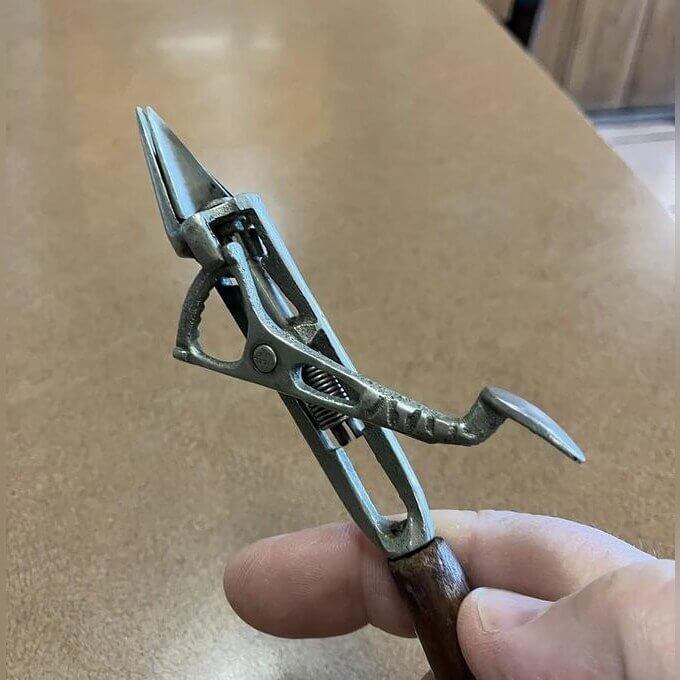
Vintage strawberry hullers sell for just $5–$15 at most thrift stores, making them one of the most affordable vintage kitchen collectibles. Sets of four or six in original packaging are rare enough to reach $30–$45.
The Classic Roasting Pan with Rack
Thanksgiving and Christmas lived inside the roasting pan. That large, heavy, lidded oval pan — usually speckled blue or gray enamelware — held the turkey, the pot roast, the leg of lamb, and every other centerpiece protein the holiday calendar demanded. The rack inside lifted the meat above the drippings, which collected below for gravy. Moms owned one roasting pan for their entire adult lives and expected it to outlast them, which it usually did. These pans were built for decades of serious work.
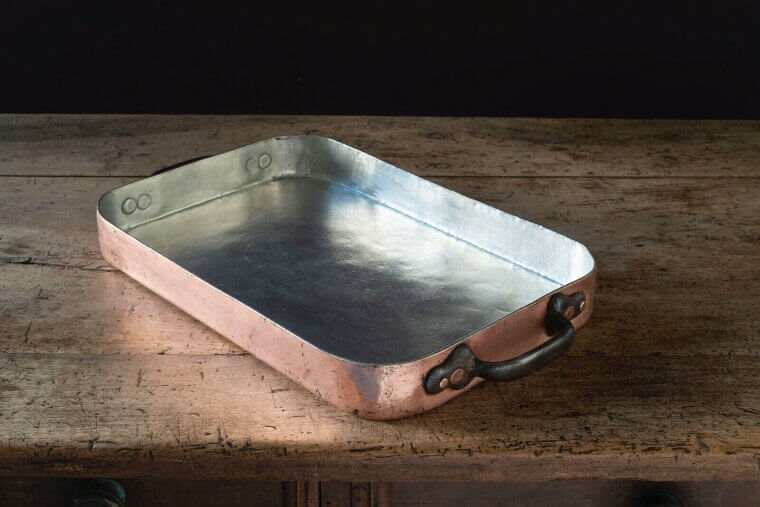
Vintage speckled enamelware roasting pans with original racks sell for $30–$80 at antique stores. The large oval versions in cobalt blue or forest green are the most visually striking and command the highest prices from farmhouse kitchen decorators.
The Handy Tomato Slicer
The tomato slicer promised uniform slices every time — a wire frame with evenly spaced cutting wires that pressed through a tomato in one smooth motion. In theory, it was brilliant. In practice, it worked beautifully on firm tomatoes and catastrophically on ripe summer ones, which exploded through the wires in a spectacular mess. Moms kept them anyway, because for the six weeks when the grocery store tomatoes were firm enough, the results were genuinely impressive. The rest of the year, they used a good knife and pretended the slicer didn't exist.
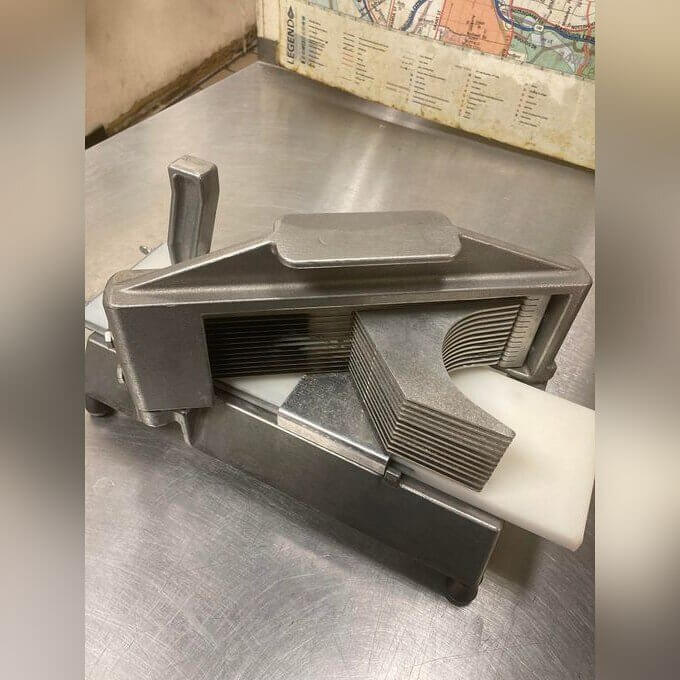
Vintage tomato slicers with wire cutting frames and wooden bases sell for $15–$40. They're more popular as display pieces than working tools today, since modern tomatoes vary too much in firmness for consistent results.
The Beloved Aluminum Gelatin Molds
$200 for a set of aluminum gelatin molds sounds absurd until you see them displayed together. Individual fish, lobster, ring, and fluted molds in brushed aluminum were the workhorses of the 1950s entertaining kitchen — used for everything from savory aspic to layered fruit gelatin desserts. The aluminum conducted cold efficiently, which helped the gelatin set quickly and release cleanly when unmolded onto a plate. A well-executed unmolding — that perfect wobbling dome landing intact — was a genuine point of pride.
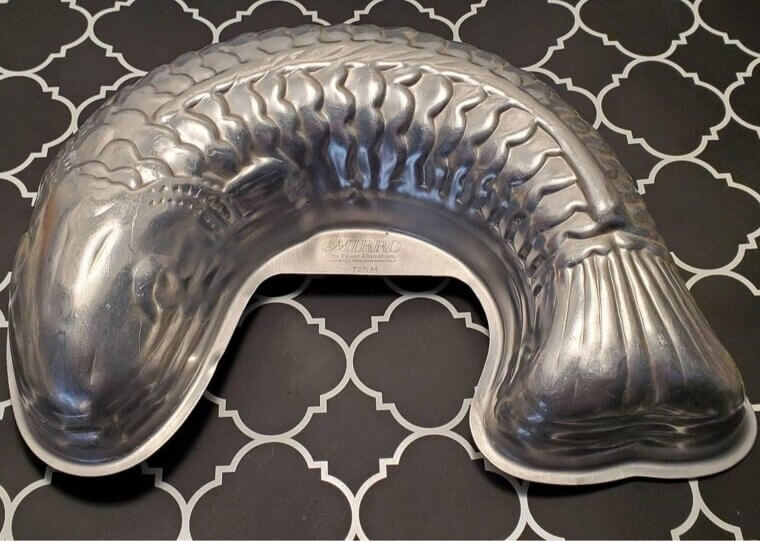
Complete sets of vintage aluminum gelatin molds in graduated sizes sell for $60–$200. Individual novelty shapes — fish, lobster, rabbit — sell for $15–$45 each. The fish mold is the most iconic and the most requested by collectors.
The Iconic Eggnog Punch Bowl Set
$350. Sometimes more. That's what a complete vintage glass punch bowl set — bowl, ladle, twelve cups, and the original box — commands at serious antique auctions today. In the 1960s, the eggnog punch bowl set came out exactly once a year, usually the weekend before Christmas, and the whole family treated its appearance like a minor holiday in itself. Crystal versions with etched holly patterns, milk glass sets with gold rims, and pressed glass patterns like Hobnail or Thumbprint were all prized. Setting it out on the buffet table meant the season had officially begun.
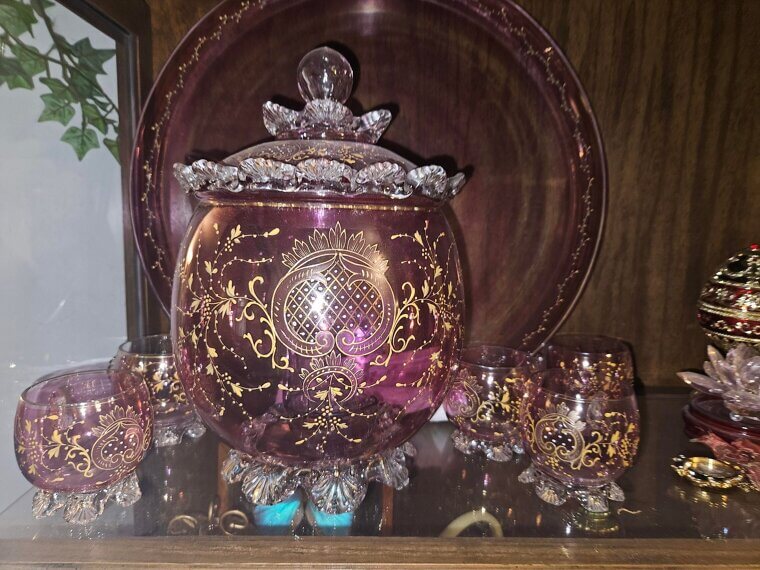
Federal Glass and Indiana Glass punch bowl sets from the 1960s in complete condition sell for $75–$350 depending on pattern and glass type. The etched crystal versions with all twelve matching cups are the rarest and most valuable finds at estate sales.