
Your kitchen drawers, office desks, and medicine cabinets used to be full of products that felt permanent. Then, one by one, they quietly disappeared. Some were banned. Some were replaced. Others just stopped being made while nobody was paying attention. Here are 30 once-everywhere items that are now genuinely hard to track down. 👇
Whatever Happened to the Rolodex?
The Rolodex was as much a part of the American office as the coffee pot. That satisfying spin through alphabetized cards, each one holding a handwritten phone number or a tucked-in business card — it was your entire professional network in a compact metal frame. Every salesperson, receptionist, and executive had one within arm's reach. If you lost your Rolodex, you essentially lost your career.
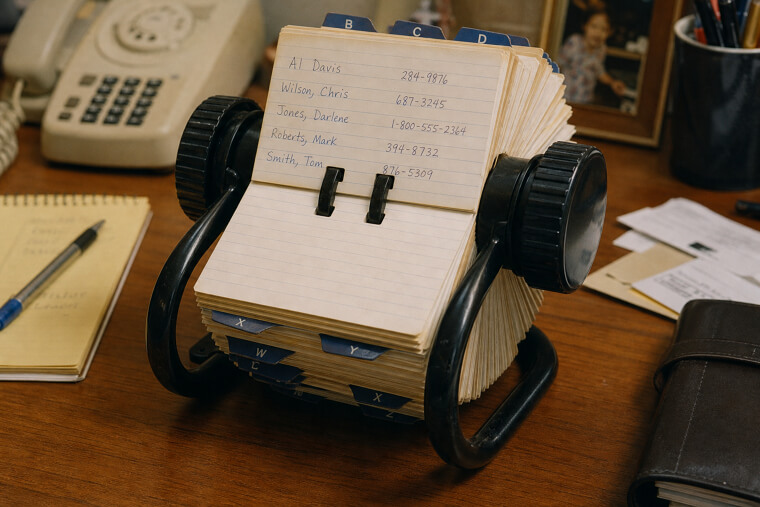
Here's what's interesting: some veteran sales pros never gave theirs up. They'll tell you a physical card you can flip to in two seconds beats scrolling through 2,000 digital contacts every time. Try finding a new one in stores today, though — you'll be searching a while. Speaking of things that disappeared from desks, remember what happened to portable music?
The Trusty Portable CD Player
The Sony Discman was everywhere. Clipped to your belt, bouncing around in your backpack, sitting on your nightstand — that silver portable CD player was the ultimate personal music device throughout the '90s. You'd burn through AA batteries at an alarming rate, master the art of walking smoothly so it wouldn't skip, and maybe splurge on one with "anti-skip protection" that gave you a glorious ten seconds of buffer.
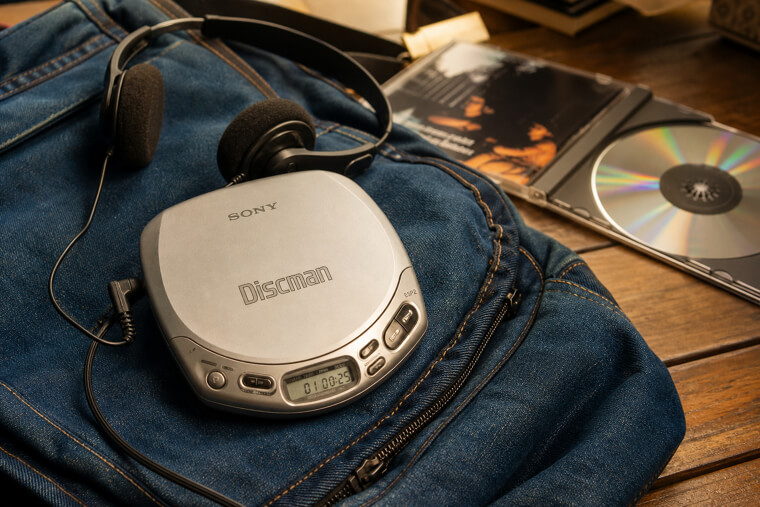
Today, streaming killed the entire category so completely that no major manufacturer produces portable CD players anymore. The ones you find online are either cheap knockoffs or vintage units selling as collectibles at prices that would've bought you dozens of CDs back in the day. But at least CDs existed — some everyday products vanished without anyone even noticing.
You Can't Find a Good Pencil Sharpener Anymore
Everyone remembers the Boston pencil sharpener. That heavy, cast-metal beast bolted to the classroom wall or clamped to the teacher's desk, with its satisfying hand crank and the way it could turn a dull nub into a needle-sharp point in seconds. These things were virtually indestructible — many lasted thirty or forty years without a single repair. You probably used the same one from first grade through high school graduation.
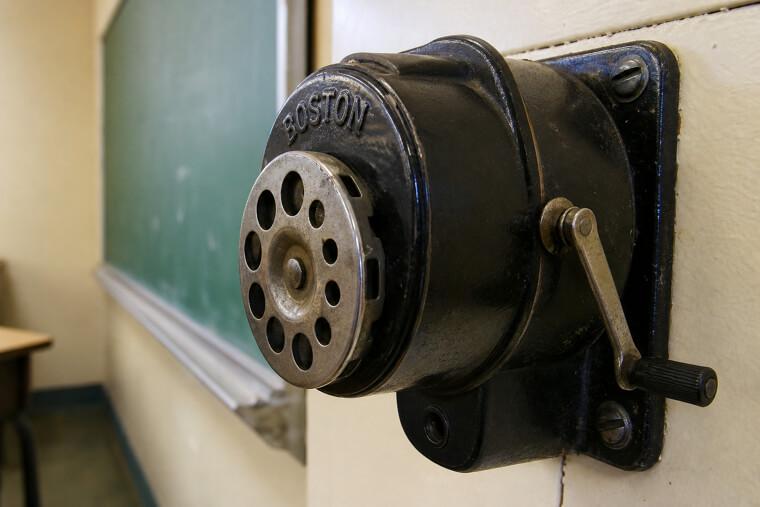
Try sharpening a pencil with today's flimsy plastic replacements and you'll understand why original Boston models now sell for $40 to $80 online. People are literally hoarding mid-century pencil sharpeners because nothing made today comes close. And if vanishing quality frustrates you, wait until you hear what happened to the answering machine.
The Answering Machine Changed Everything
Everyone knew the ritual. You'd walk through the front door, glance at the answering machine on the kitchen counter, and see that blinking red light — the universal signal that someone had called while you were out. You'd hit play and hear the tiny cassette tape whir to life, delivering messages from your mom, your dentist's office, or that friend who always rambled until the beep cut them off. Brands like Panasonic and AT&T sold millions of these machines throughout the '80s and '90s.
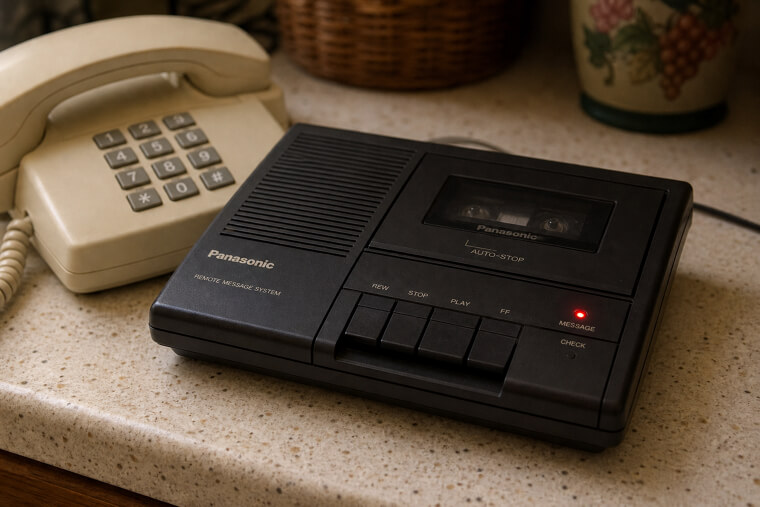
Then voicemail got baked directly into phone service, and seemingly overnight, the standalone answering machine became obsolete. Finding a working one today means scouring thrift stores or eBay, where sellers market them as retro curiosities. The blinking red light has gone dark for good. Next up: something that disappeared from a completely different room in your house.
TV Dinner Trays Were in Every Living Room
Here's something that might surprise you: those flimsy-looking folding metal TV tray tables that every family owned are now genuine mid-century collectibles. The original designs — made by companies like Cal-Dak and Marsh Allan — featured hand-painted tops with scenes of autumn leaves, tropical birds, or elegant floral patterns, all on lightweight steel that folded flat against the wall. At their peak, nearly every American living room had a set of four tucked behind the couch.
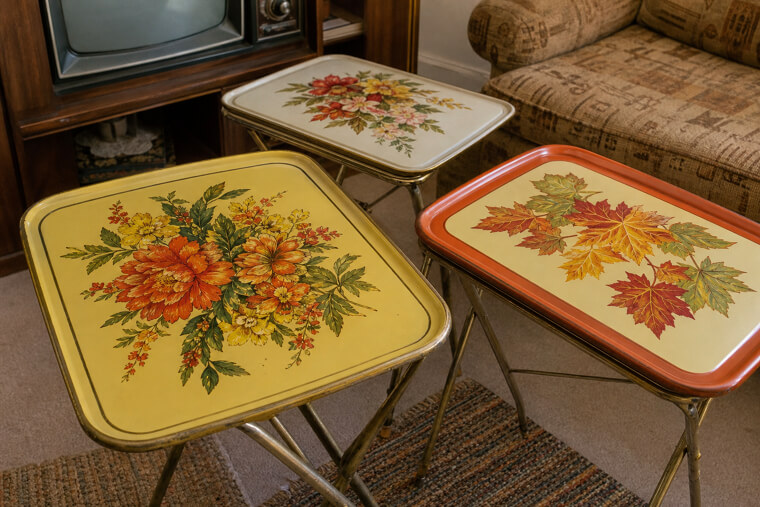
Today, vintage sets in good condition with their original stands sell for $75 to $200 on collector sites. The painted designs that once felt ordinary now look like folk art. Modern versions exist, but they're plain and forgettable — nothing like those originals that turned dinner in front of the TV into something oddly stylish. Speaking of things you used to find everywhere, when's the last time you unfolded a real paper road atlas?
Try Finding a Real Paper Road Atlas
Here's your best travel hack: buy a Rand McNally road atlas before your next trip. They still publish them annually, but good luck finding one in the wild. Gas stations stopped stocking them years ago, and most bookstores dedicate zero shelf space to maps. Your best bet is ordering directly online or checking truck stops, which remain one of the last reliable places to grab one off a rack.
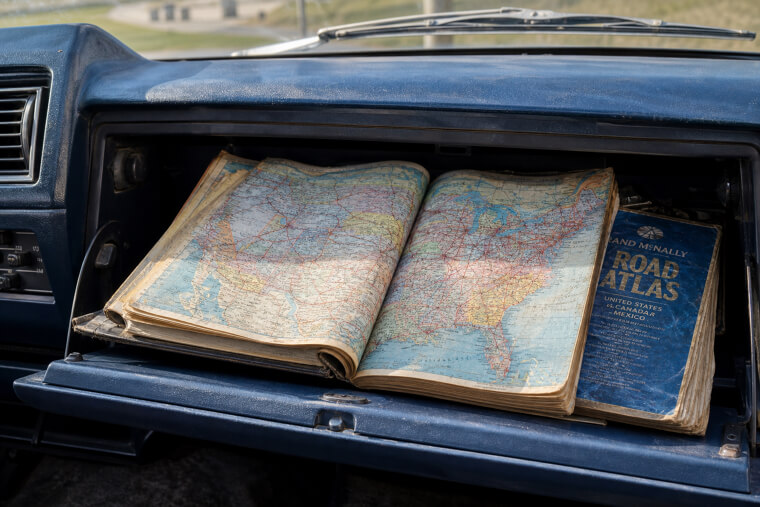
Experienced road-trippers swear by them for dead zones where GPS fails — mountain passes, desert stretches, rural highways where your phone becomes a useless glass rectangle. An atlas never loses signal, never needs charging, and gives you a big-picture view no phone screen can match. Tuck one in your glove compartment and thank yourself later. Up next: a tiny gadget that millions carried daily before it vanished almost overnight.
The Handheld Electronic Address Book Vanished
Here's a product that vanished so completely it feels like a fever dream: the Casio Data Bank and its many rivals. In the early '90s, millions of people carried pocket-sized electronic organizers — tiny devices with miniature QWERTY keyboards and LCD screens that stored phone numbers, addresses, and appointment calendars. Companies like Royal, Sharp, and Franklin sold them everywhere from RadioShack to department stores. They were genuinely revolutionary, offering a taste of digital life before smartphones existed.
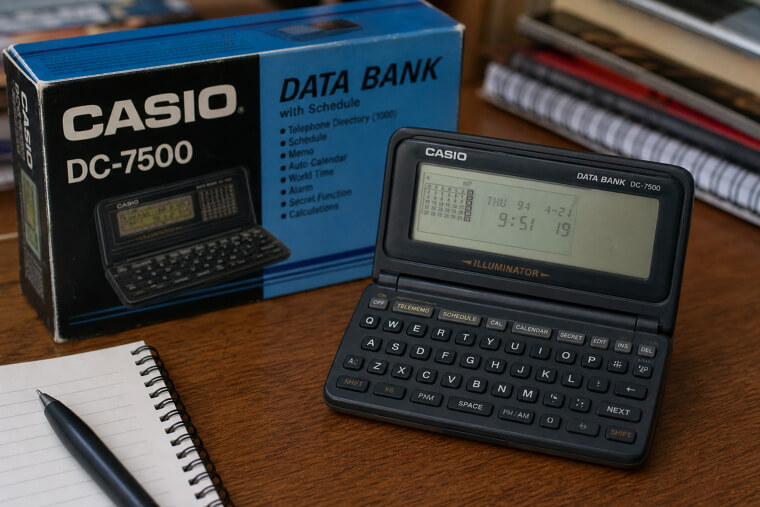
Then the smartphone arrived, and these gadgets didn't just decline — they evaporated. Within roughly two years, entire product lines disappeared from shelves without clearance sales or farewell tours. Try finding one sealed in its original packaging today. You'll be hunting for a while. Speaking of things that quietly left American kitchens, the next item involves a beloved dish you almost certainly ate from growing up.
Corningware's Original Pattern Is Gone
The blue cornflower CorningWare casserole dish wasn't just popular — it was practically universal. From 1958 through the early '90s, that white pyroceramic dish with its delicate blue flowers sat in nearly every American kitchen. The original material was extraordinary: developed from missile nose cone technology, it could go from freezer to stovetop to oven without shattering. Then in 1998, the company quietly switched to standard stoneware. Same name, completely different product. The new versions can't handle thermal shock the way the originals could.
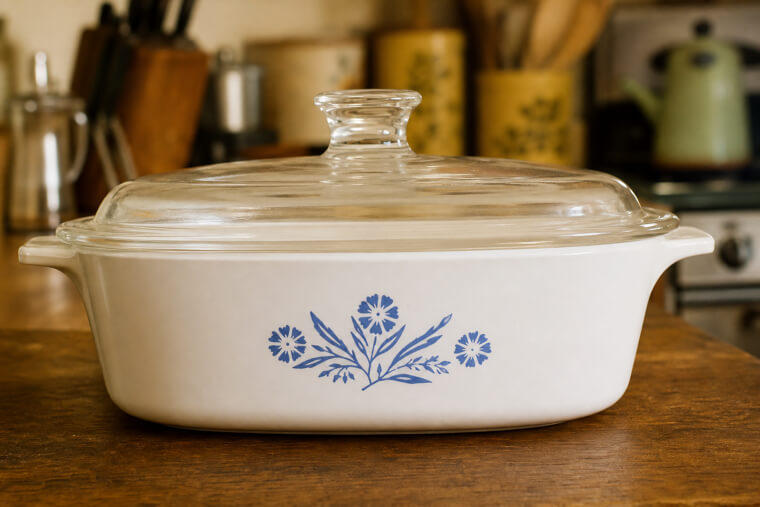
That's why vintage blue cornflower pieces now sell for $50 to $10,000 depending on rarity. Collectors know the difference immediately — original pyroceramic feels lighter and rings almost like a bell when tapped. Your grandmother's casserole dish might be worth more than you'd ever guess. And the disappearance of everyday essentials doesn't stop in the kitchen — when's the last time anyone handed you a sheet of carbon copy paper?
No One Sells Carbon Copy Paper Anymore
Here's something that might catch you off guard: the phrase "CC" in your email literally stands for "carbon copy" — yet most people have never touched an actual sheet of carbon paper. This thin, ink-coated paper was once absolutely everywhere. Every office, every doctor's form, every receipt book relied on it to create instant duplicates. You'd sandwich it between sheets, write or type on top, and the pressure transferred ink to create a perfect copy beneath.

By the early 2000s, carbon paper had quietly vanished from office supply stores. Staples, Office Depot — gone. You can still find specialty sheets online, but the everyday ubiquity of carbon paper has completely evaporated, leaving behind only a two-letter email abbreviation that outlived its source material. Next up: a phone that demanded your patience — and rewarded it.
The Rotary Phone Disappeared Faster Than Expected
There was something almost ritualistic about using a rotary phone. You'd slip your finger into the dial, pull it around to the metal stop, and listen to it whirr back — click-click-click-click — before starting the next digit. Long-distance numbers felt like a commitment. Your grandmother's heavy black Western Electric model probably sat on the same hallway table for thirty years, its cord stretched and coiled from decades of conversations. These phones were virtually indestructible, built from Bakelite and solid metal components that could outlast the house itself.
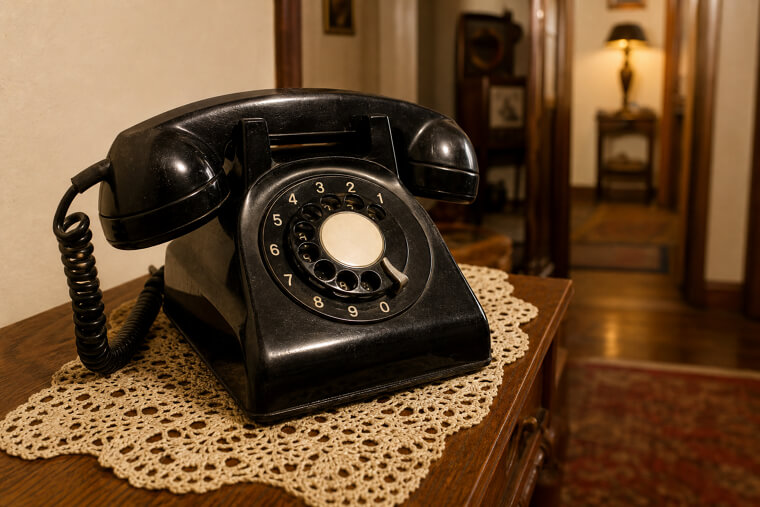
Now they sit on antique store shelves, silent. Kids pick them up and genuinely don't understand how to make a call. There's something bittersweet about a machine built to last forever becoming obsolete anyway. But obsolescence doesn't always happen so gently — the next item was actually pulled from shelves for a far more alarming reason.
Mercurochrome Was in Every Medicine Cabinet
Mercurochrome was the go-to fix for every childhood scrape. That little orange-red bottle lived in medicine cabinets across America, and one dab painted your wound — and surrounding skin — a dramatic crimson that announced your injury to the world. Kids wore those bright red knees like badges of honor. Parents reached for it without a second thought. But here's the thing: the "mercuro" in the name was literal. The active ingredient contained mercury, and in 1998, the FDA reclassified it as "not generally recognized as safe," effectively removing it from American shelves overnight.
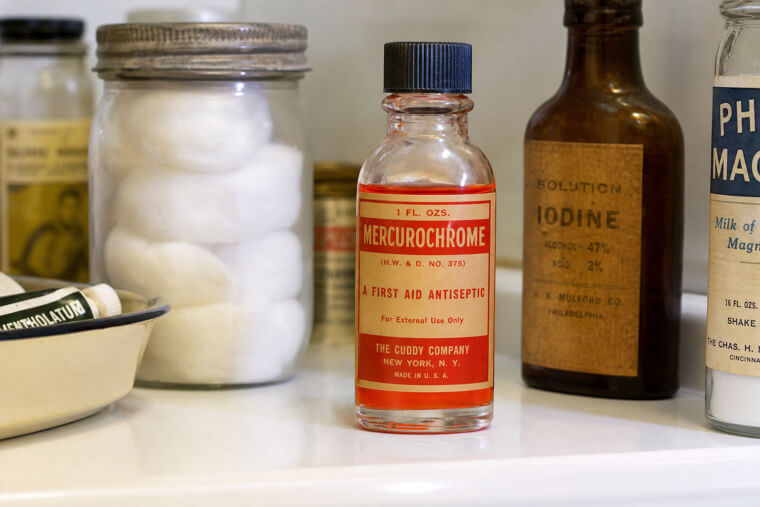
No recall, no dramatic announcement — it just quietly vanished. Millions of adults have vivid memories of a product they can never purchase again in the United States, though it remains available in some other countries. It's a striking example of something universally trusted becoming universally unavailable. Speaking of kitchen drawer staples that lost their way — finding a truly great manual can opener has become its own quiet struggle.
Finding a Quality Manual Can Opener Is Surprisingly Hard
If you've got an original American-made Swing-A-Way can opener in your kitchen drawer, hold onto it. For over fifty years, this simple tool was the gold standard — smooth cutting, comfortable grip, virtually indestructible. Then production moved to China around 2008, and everything changed. The gears stripped, the handles bent, the cutting wheel dulled after a few uses. Home cooks who'd never thought twice about a can opener suddenly couldn't find one that actually worked.
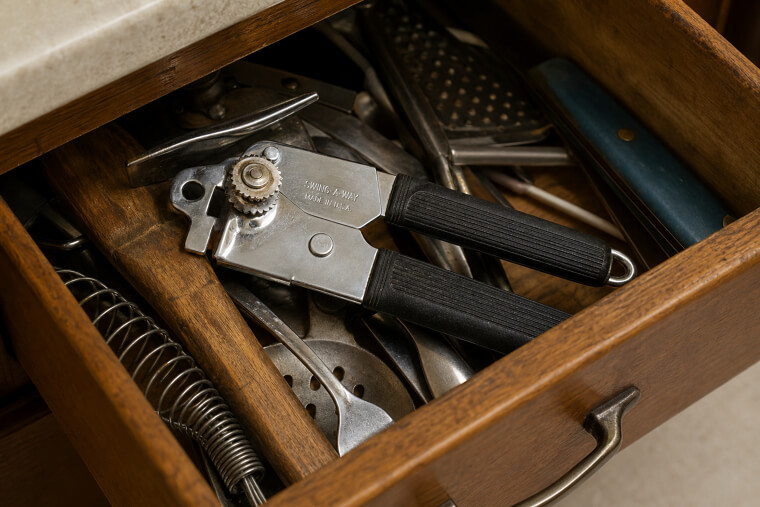
Your best bet now? Hunt for pre-2008 Swing-A-Way models at estate sales and thrift stores — they're still out there, and they're still perfect. Alternatively, the Japanese-made EZ-Duz-It has earned a loyal following as a worthy successor. Some everyday tools just shouldn't be reinvented. And some entire product categories? They vanished from shopping malls completely — like the stores that once sold waterbeds.
Waterbed Stores Used to Be Everywhere
Here's a number that sounds made up: in 1987, waterbeds accounted for roughly one in five mattress sales in the United States. Dedicated waterbed stores anchored strip malls in every midsize American city, selling everything from waveless mattresses to elaborate wooden frames with mirrored headboards and built-in bookshelves. They were the furniture equivalent of tanning salons — absolutely everywhere, then suddenly nowhere. The industry collapsed through the '90s as pillow-top mattresses improved and landlords increasingly banned waterbeds over leak fears.
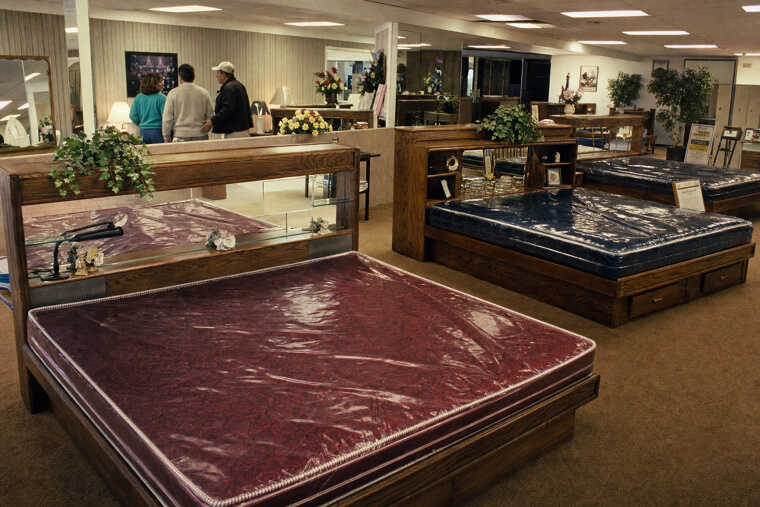
Today, finding a waterbed heater or vinyl patch kit means navigating obscure specialty websites. The few remaining manufacturers cater to a small but devoted community of holdouts who insist nothing else matches that gentle, floating sleep. An entire retail ecosystem simply evaporated. But at least waterbeds still exist in some form — the next item was literally projected out of existence.
The Slide Projector Gathered Dust Then Disappeared
The Kodak Carousel projector was engineered with deceptive simplicity — an 80-slot circular tray, gravity-fed mechanism, and a single high-intensity bulb that turned any living room wall into a cinema screen. Kodak ended production in 2004, but here's what most people don't realize: the machines themselves are practically immortal. The real crisis is bulbs. The specific halogen lamps these projectors require are no longer manufactured domestically, and remaining stock commands premium prices.
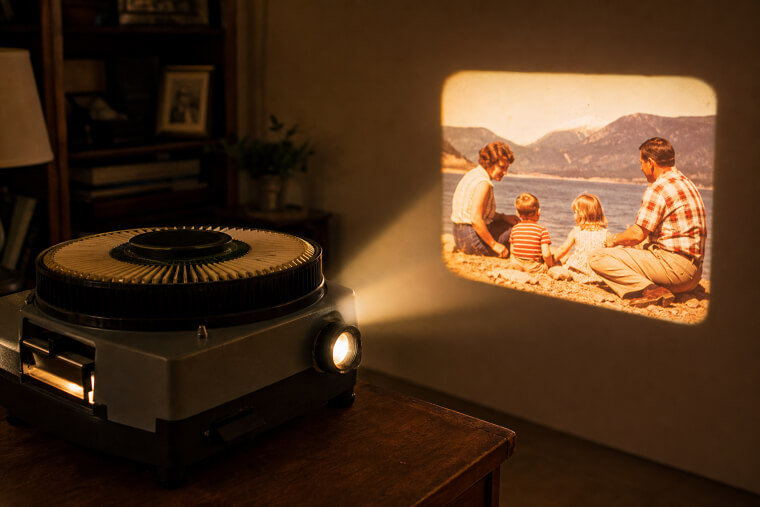
Fine art photographers and gallery installers still prefer Carousels for their warm, rich color rendering that digital projection can't replicate. Refurbished units now sell for more than their original retail price — a rare case where obsolescence actually increased demand. Some products, though, didn't just fade away. They were forcibly removed from existence.
Lawn Darts Were Banned for Good Reason
Jarts weren't just discontinued — they were outlawed. These weighted metal-tipped lawn darts, heavy enough to stick into the ground from a high arc, were a backyard barbecue fixture throughout the '70s and '80s. Then children started dying. After multiple fatalities, the U.S. Consumer Product Safety Commission banned them outright in 1988, making it illegal to sell them commercially — even at garage sales. That puts Jarts in a category entirely their own on this list.

They're not just hard to find. They're contraband. Original sets still surface in attics and basements, but selling them can technically bring federal penalties. Few consumer products have been so thoroughly erased from the marketplace. The next item wasn't banned — it was simply forgotten, buried in a drawer alongside wedding china and holiday silverware.
The Electric Knife Was a Wedding Gift Staple
If you want to experience the satisfying ease of carving a Thanksgiving turkey the way your parents did, you can still track down an electric knife — but you'll need to look. Hamilton Beach and Black+Decker still manufacture a handful of models, typically priced under thirty dollars. Check restaurant supply stores or online retailers, because most big-box stores have banished them to a forgotten corner of the kitchen aisle, if they stock them at all. Once you use one on a brisket or a crusty loaf of bread, you'll understand why every couple in the '70s registered for one.
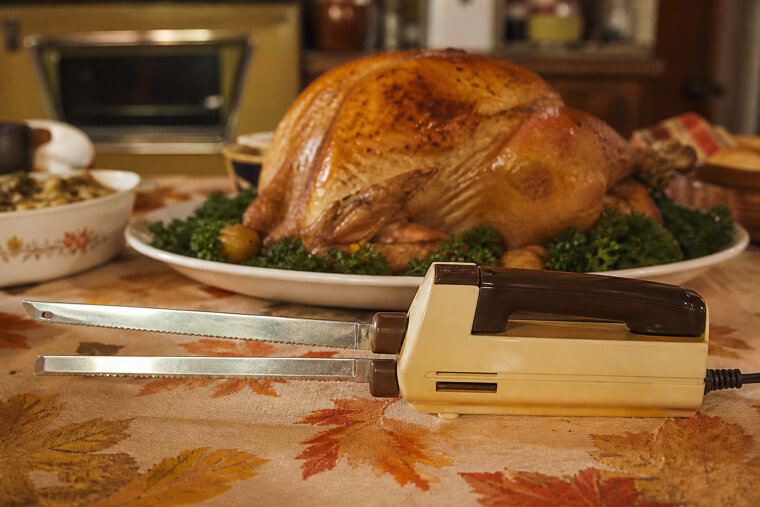
The serrated dual blades glide through meat with almost zero effort — no sawing, no shredding. It's the kind of single-purpose tool that modern minimalism decided we didn't need anymore. But the next item on our list wasn't a practical tool at all. It was a tiny, scented piece of childhood currency.
Smell-Good Scratch-and-Sniff Stickers Are Mostly Gone
Nothing triggers a childhood flashback quite like a scent. If you attended elementary school in the 1980s, you almost certainly remember Trend Enterprises scratch-and-sniff stickers — the pizza slice that smelled like pizza, the pickle that smelled impossibly like a real dill pickle, the root beer float. Teachers pressed them onto spelling tests and reading logs, and kids traded them like gold. Those specific scent formulations were tiny chemical masterpieces, and the original Trend and CTP collections have been discontinued for years.
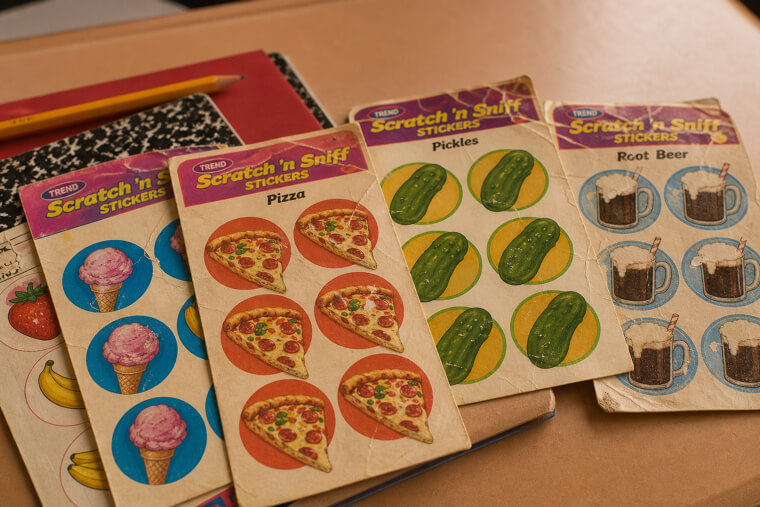
You can find novelty scratch-and-sniff stickers today, but they're pale imitations. The originals carried scents so accurate they're seared into the memory of an entire generation — one whiff could transport you back to a second-grade classroom in an instant. Speaking of powerful sense memories, the next item didn't appeal to your nose. It hit you with an unforgettable smell anyway.
The Floppy Disk Drives No One Makes
Here's what insiders know about the floppy disk: it's not just obsolete — it's creating genuine crises. When Sony stopped manufacturing 3.5-inch floppy disks in 2011, they didn't just end an era. They stranded entire industries. The U.S. nuclear arsenal relied on floppy-based systems until 2019. Many Boeing 747s still require floppy disk updates for avionics software. Vintage computing enthusiasts hoard new-old-stock disks like precious metals, and USB floppy drives — once a five-dollar afterthought — now sell for ten times that price as manufacturers quietly discontinue them.
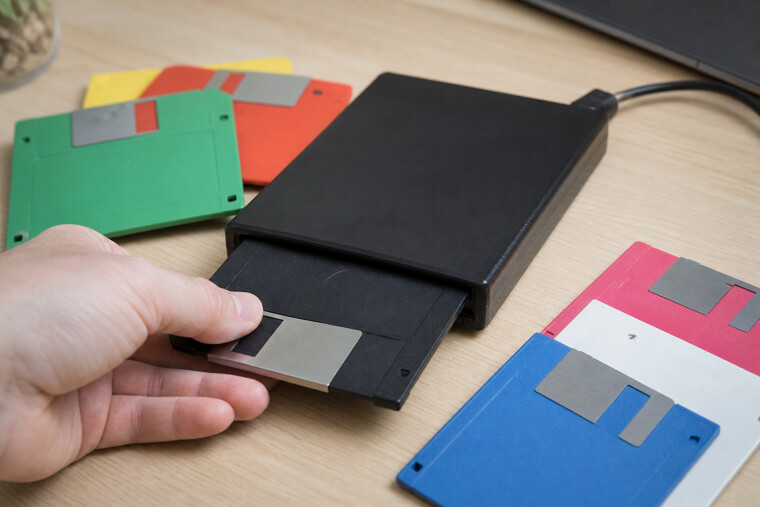
The real problem isn't nostalgia. It's that irreplaceable data still lives on magnetic disks that are slowly degrading in desk drawers worldwide, with fewer working drives available each year to read them. Some things disappear from stores. Others disappear from entire economic systems — like the loyalty program that once rewarded every grocery run.
S&H Green Stamps Rewarded Every Shopping Trip
At its peak in the 1960s, the S&H Green Stamps program was the largest loyalty rewards system on Earth — and the company printed three times more stamps annually than the U.S. Postal Service. Grocery stores, gas stations, and department stores handed out these small green trading stamps with every purchase. Shoppers licked and pasted them into collection booklets, then redeemed filled books at dedicated S&H redemption centers for toasters, furniture, even bicycles. The program was so massive that S&H operated over 800 retail redemption stores across America.

Then credit card reward points arrived, and S&H quietly folded its stamp program in the early 2000s. Those redemption centers vanished from strip malls. An entire economic ecosystem — one that predated every airline mile and pharmacy loyalty card — simply evaporated. But while stamps disappeared from the checkout counter, something else was quietly vanishing from the kitchen counter.
The Percolator Made Better Coffee (Fight Us)
Here's your mission: find a Farberware or Presto stovetop percolator and brew a pot the old-fashioned way. You'll understand immediately why your grandparents never switched. The coffee cycles through the grounds repeatedly, extracting a bold, full-bodied flavor that drip machines simply can't replicate. That cheerful bubbling through the glass knob on top? That's your timer — when the color looks right, it's ready. No pods, no paper filters, no electricity required for stovetop models.
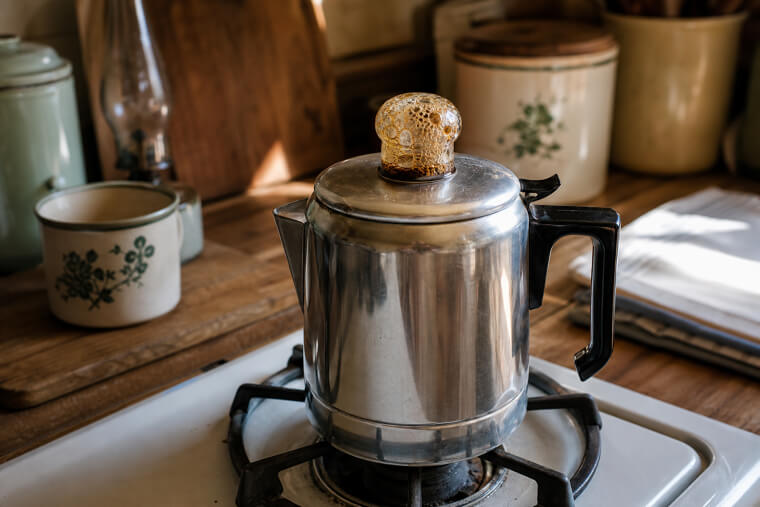
Check camping supply stores or restaurant equipment websites — they're your best bet since mainstream retailers barely stock them anymore. Brands like GSI Outdoors and Coletti still make quality models under thirty dollars. Once you taste percolator coffee, you'll wonder why America ever abandoned it. And speaking of things that disappeared from schools and offices alike, the next item left behind a smell nobody could forget.
Ditto Machine Worksheets Had That Unforgettable Smell
The moment the teacher handed out those freshly printed worksheets from the spirit duplicator — the ditto machine — every kid in the classroom did the exact same thing. You pressed the paper to your face and inhaled. That sweet, intoxicating solvent smell from the purple ink was unlike anything else in school. The sheets were still slightly damp, the text that distinctive violet hue, and for a brief wonderful moment, a math quiz actually felt like a treat.
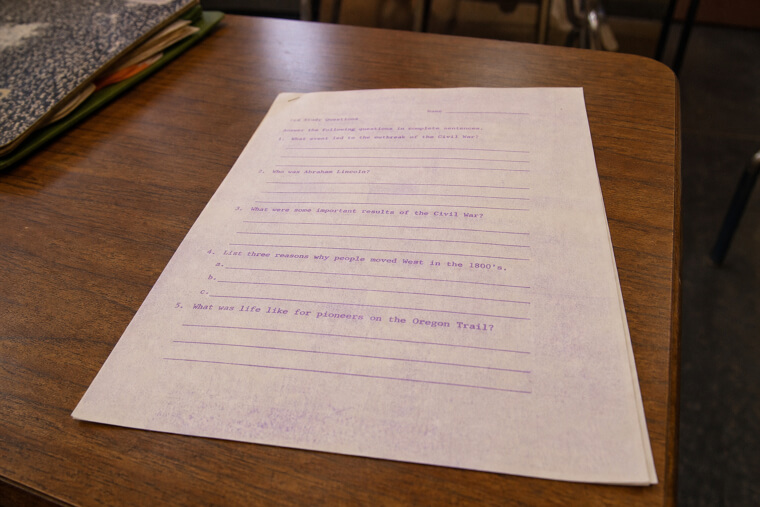
Nobody taught you to smell them. You just did, like some universal childhood instinct. By the early '90s, photocopiers replaced every last ditto machine, and that smell vanished from classrooms forever. Some memories live in your nose more than your mind. Speaking of things delivered to your door that quietly stopped coming — when's the last time you saw a phone book?
Where Did All the Phone Books Go?
Every year, like clockwork, a thick Yellow Pages and White Pages landed on your doorstep with a satisfying thud. Need a plumber at midnight? A neighbor's number after losing your address book? The phone directory had every answer, no password required. By 2019, most major carriers — including Verizon and AT&T — had stopped printing them entirely. For millions of tech-savvy Americans, nobody noticed. But for older adults without smartphones or reliable internet access, an essential lifeline simply vanished.
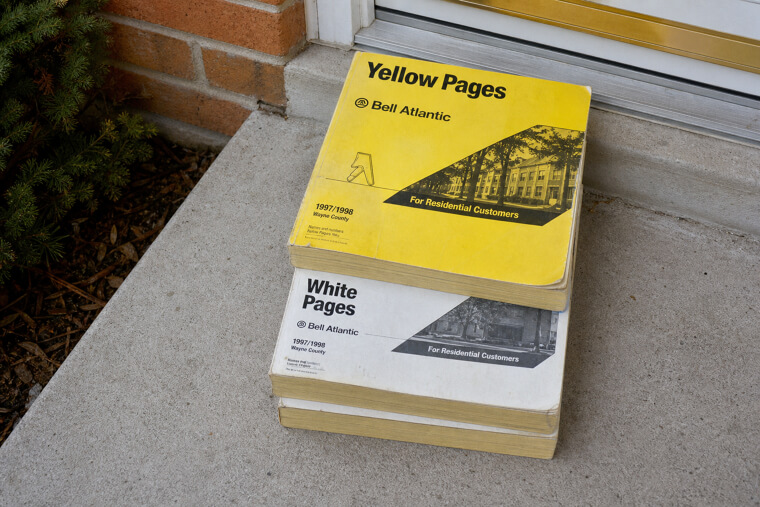
Senior advocacy groups have raised alarms about this quiet disappearance. When your only method of finding a doctor, a pharmacy, or emergency services was that thick book by the phone, losing it isn't nostalgia — it's isolation. The digital divide isn't just about convenience. It's about access. And yet another childhood staple is proving just as hard to hold onto — one that let you see the whole world in three dimensions.
The ViewMaster Was Pure Childhood Magic
You held the red ViewMaster up to your eyes, clicked the orange lever, and suddenly you were standing at the rim of the Grand Canyon. Click — now you're inside Cinderella's Castle. Click — the surface of the moon. Those white circular reels, each containing fourteen tiny stereo transparencies, made the whole world feel reachable from your bedroom floor. Every kid had a favorite reel they viewed dozens of times, memorizing each frame like pages of a beloved book.

Mattel still sells a basic ViewMaster, but the vast original library — hundreds of reels covering national parks, classic TV shows, wildlife, and world landmarks — stopped production years ago. Collectors now trade vintage reels like precious artifacts, each disc a tiny portal to wonder. Some things you held up to your eyes. Others you held in your pocket — folded, pressed, and quietly essential.
Finding Real Cloth Handkerchiefs Takes Effort Now
If you want to carry a proper cloth handkerchief today, you'll need to do some hunting. Department stores that once devoted entire display cases to pressed cotton and linen handkerchiefs have shrunk their selections to almost nothing — if they stock them at all. Your best options are specialty haberdashers like Brooks Brothers, Etsy artisans who monogram by hand, or Irish linen companies that still produce the real thing and ship worldwide.
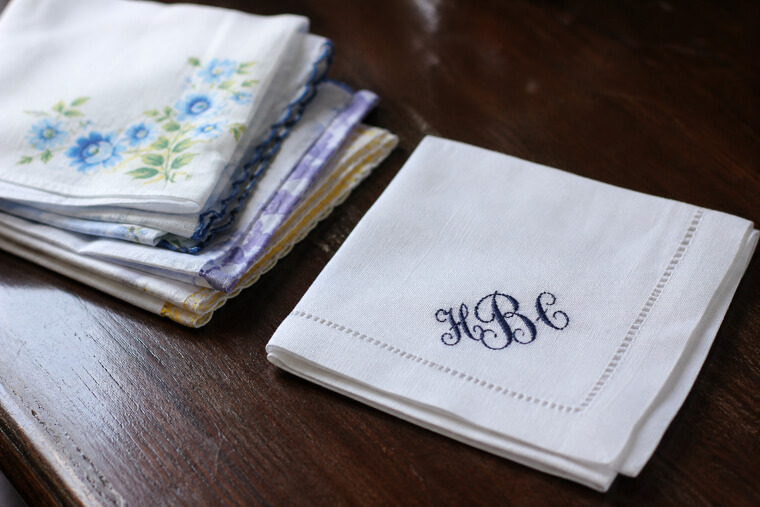
Look for 100% cotton or linen with rolled hems — that's the mark of quality. A good set of three will run you fifteen to thirty dollars and last for years. They're more sustainable than disposable tissues, and there's something undeniably sharp about pulling a crisp, folded handkerchief from your pocket. Speaking of pockets — the tiny device that once filled them with music changed everything.
The Transistor Radio Gave You Freedom
Here's what audio insiders know: the transistor radio didn't just shrink existing technology — it democratized it. When the Regency TR-1 hit shelves in 1954, it severed the cord between listeners and their living rooms overnight. Suddenly teenagers had their own private soundtrack. By the mid-1960s, companies like Sony, Zenith, and Panasonic were producing millions of pocket-sized AM/FM receivers that cost less than a nice dinner. Radio engineers will tell you those simple analog circuits were remarkably durable — many still work perfectly sixty years later.
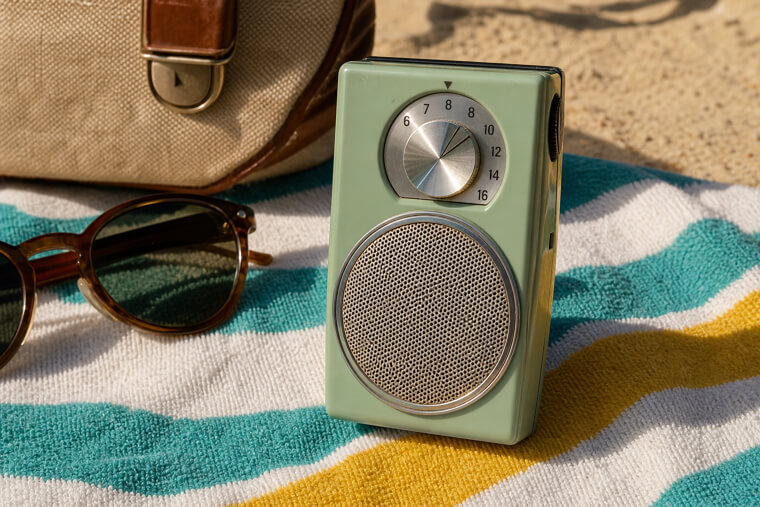
Yet walk into any electronics store today and try finding a basic dedicated pocket radio. They've been absorbed into smartphones, rendered redundant by streaming. The few remaining models are cheap imports with tinny speakers that would make any old radio tech wince. Meanwhile, something as humble as classroom chalk is disappearing just as quietly.
Blackboard Chalk Is Harder to Find Than You Think
You'd think chalk would be one of those eternal products — just compressed calcium carbonate, nothing fancy. But when Japan's Hagoromo Fulltouch Chalk ceased production in 2015, mathematicians worldwide panicked. Professors called it the "Rolls Royce of chalk" for its smooth, dust-free writing and snap-resistant density. A devoted following had developed around this one manufacturer's formula, and when the factory closed, people hoarded boxes like gold. Some sold online for ten times their retail price.

Schools accelerated the decline by ripping out blackboards entirely, replacing them with whiteboards and interactive screens. The handful of companies still producing real chalk make noticeably inferior versions — dustier, scratchier, prone to crumbling mid-sentence. An object that symbolized education for centuries is quietly becoming a relic. And speaking of things that defined entire holiday seasons — do you remember the catalog that basically *was* Christmas?
Sears Wish Book Was Christmas Itself
The Sears Wish Book arrived every September, and from that moment forward, it practically lived on the floor of every kid's bedroom in America. You'd sprawl out on your stomach, flip to the toy section, and circle everything your heart desired with a ballpoint pen. Those dog-eared, creased pages became your personal letter to Santa — a tangible map of childhood longing. Families gathered around it to plan Christmas budgets, compare options, and negotiate who got what. It wasn't just a catalog. It was the starting gun for the entire holiday season.
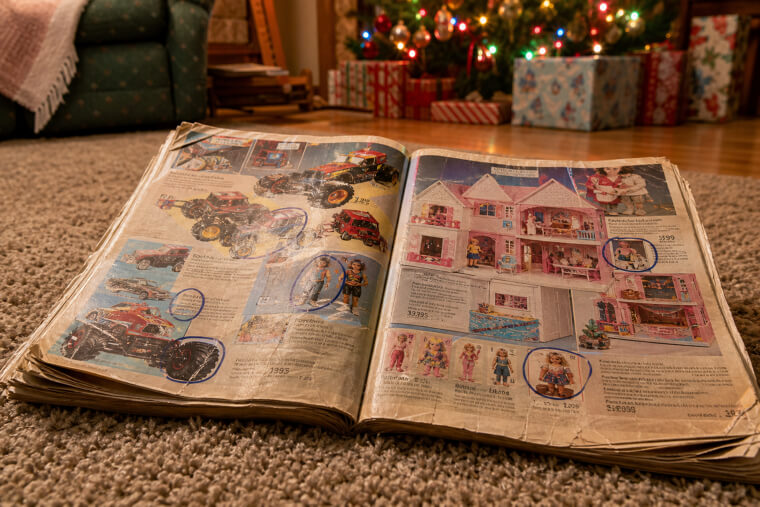
When Sears discontinued the Wish Book in 1993, no website or app truly replaced that ritual. You can't circle a screen with a pen. You can't fight your siblings over a webpage. For millions of families, something sacred and analog simply vanished. But Christmas gatherings lost more than catalogs — they also lost those tiny, brilliant flashes of light that made every photo possible.
Flashcubes Lit Up Every Family Gathering
Flashcubes were tiny engineering marvels — four single-use flash bulbs sealed in a rotating plastic cube that clicked into the top of your Kodak Instamatic. Each time you pressed the shutter, one bulb fired with a brilliant pop, the cube rotated, and a fresh bulb was ready. They made indoor photography possible for ordinary families, capturing every birthday candle blown out and every Thanksgiving table.
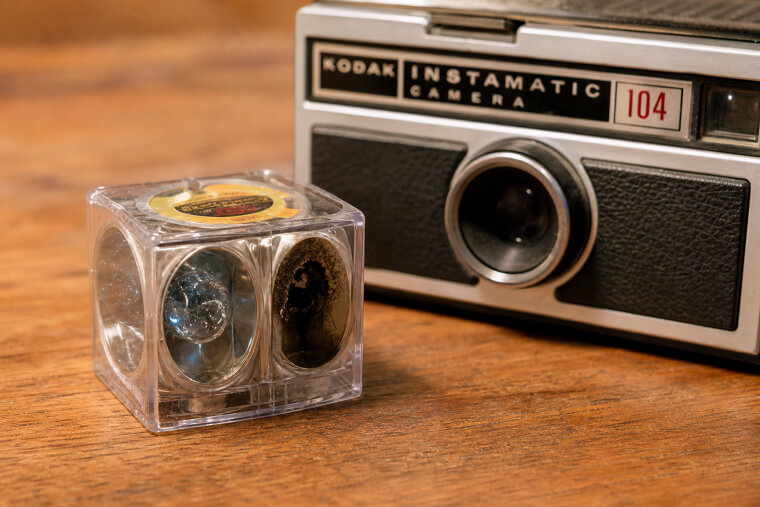
When electronic flash units arrived in the late '70s, flashcubes became obsolete almost overnight. Production ceased entirely, and today vintage camera collectors face a real problem: their perfectly functional Instamatics are essentially paperweights without them. Expired flashcubes surface occasionally online, but reliability is a gamble. Sometimes the simplest technologies are the hardest to replace — like the alarm clock that never needed plugging in.
The Wind-Up Alarm Clock Never Needed Batteries
If you want a genuine wind-up twin-bell alarm clock today, start with estate sales and antique shops rather than big-box stores. Brands like Westclox Big Ben and Baby Ben were built with brass gears and steel springs that lasted forty years without a single battery. Wind the back key each night, set the alarm hand, and that's it — complete independence from outlets, charging cables, and software updates. The ring could wake the dead, which was exactly the point.

A few companies still produce mechanical alarm clocks, but most use cheaper movements that won't survive five years. For the real thing, search for mid-century American or German-made models. A well-maintained one still keeps perfect time decades later. Our final item isn't about function at all — it's about the feeling of walking into a grandparent's house.
Your Grandmother's Cast Iron Doorstop Meant Home
You'd push open your grandmother's front door and there it sat — a heavy painted cast iron doorstop shaped like a Scottish terrier or a basket of flowers, weighing more than seemed reasonable for something so small. These doorstops were everywhere for nearly a century, produced by foundries that cast them in iron and hand-painted them in cheerful colors. They held doors open on summer afternoons when screen doors let the breeze through and air conditioning wasn't an option.

Mass production ended decades ago, and now they surface at flea markets and estate sales like small monuments to a quieter life. Pick one up and you feel it immediately — not just the weight in your hand, but the weight of memory. Some things disappear so slowly we barely notice until they're gone. And maybe that's the real thread connecting everything on this list.Disclaimer: This story is based on real events. However, some names, identifying details, timelines, and circumstances have been adjusted to protect the privacy of the individuals involved. The images in this article were created with AI and are illustrative only. They may include altered or fictionalized visual details for privacy and storytelling purposes