
Not every state is holding onto its residents — and some are losing people so fast it's reshaping elections, closing hospitals, and hollowing out entire towns. We dug into the data to find the states people just can't leave quickly enough. Some of these will confirm what you already suspect. Others will genuinely catch you off guard.
California's Cost Crisis Drives Mass Exodus
California is expensive — everyone knows that. But the sheer scale of the exodus is staggering. The Golden State lost over 340,000 residents in a single year, and the people leaving aren't just dreamers who couldn't make it. They're middle-class families with two solid incomes who did the math and realized they simply cannot afford a basic home. The median house price in California hovers near $750,000, meaning a couple earning $150,000 combined still struggles to qualify for a mortgage.
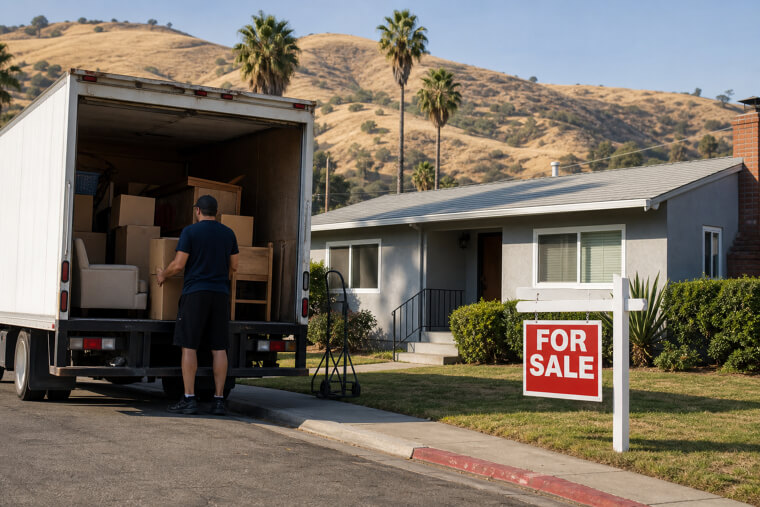
Teachers, nurses, firefighters — the people who keep communities running — are being pushed out by the very places they serve. And California isn't even the state losing residents the fastest. Illinois has been bleeding people for nearly a decade straight.
Illinois Can't Stop the Bleeding
Illinois has lost residents for nearly a decade straight, and most people can point to the reason without hesitation: property taxes. The state has some of the highest in the nation, with homeowners in some counties paying more than twice the national average. But here's what makes it feel truly hopeless — Illinois's pension system is underfunded by roughly $140 billion, and residents know that someone has to pay that bill eventually.
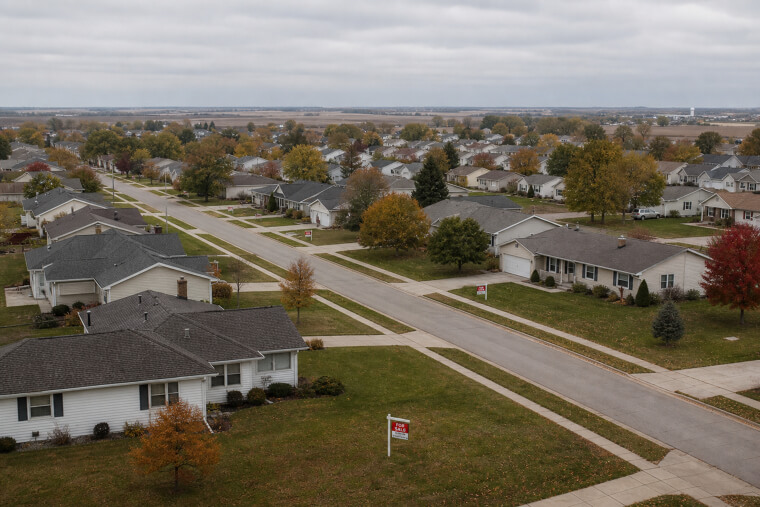
That looming debt hangs over every financial decision families make. Why invest in a home that could be taxed into oblivion to cover promises made decades ago? So they leave, and the tax base shrinks, making the problem even worse. New York knows that spiral all too well — it just lost a seat in Congress because of it.
New York Lost a Congressional Seat
Everyone knows New York is losing people, but here's what made it undeniable: the 2020 census confirmed the state's population loss was so significant that New York lost an actual seat in the House of Representatives. That's not just a statistic — it's a concrete shift in political power. Fewer representatives means less federal funding, less influence in Washington, and a weaker voice on national policy.

New York missed keeping that seat by just 89 people. Eighty-nine. The margin stings because it shows how close the state came to holding on. But population loss has consequences that go beyond politics — just ask New Jersey, where the tax burden has become the heaviest in America.
New Jersey's Tax Burden Tops the Nation
New Jersey has the highest overall tax burden in America — and most residents already feel it in their bones. Between property taxes averaging over $9,000 a year, state income taxes, estate taxes, and sales taxes, the Garden State takes a bigger bite than anywhere else. You know it's bad. But here's the detail that changes the math entirely: retirees on fixed incomes get hit hardest because their savings shrink faster than they planned.
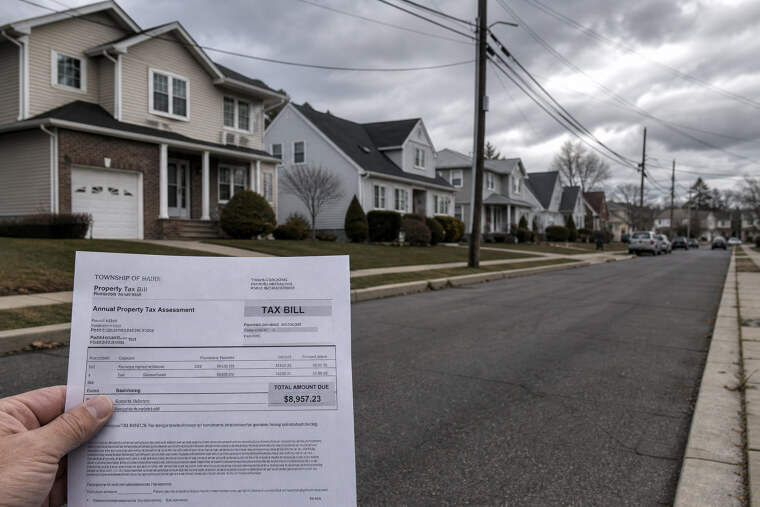
Financial advisors now routinely recommend that New Jersey retirees consider relocating just to make their nest eggs last. When your own financial planner says "leave," that tells you everything. But at least New Jersey has functioning infrastructure — Louisiana can't even guarantee clean drinking water.
Louisiana's Infrastructure Is Crumbling Fast
Most people associate Louisiana's problems with hurricanes, but the everyday infrastructure crisis is arguably worse. The American Society of Civil Engineers gives Louisiana's roads and bridges near-failing grades, and the state has over 1,600 structurally deficient bridges — one of the highest counts in the nation. Even more alarming, residents in multiple parishes have been told not to drink their tap water for months at a time due to contaminated or failing water systems.
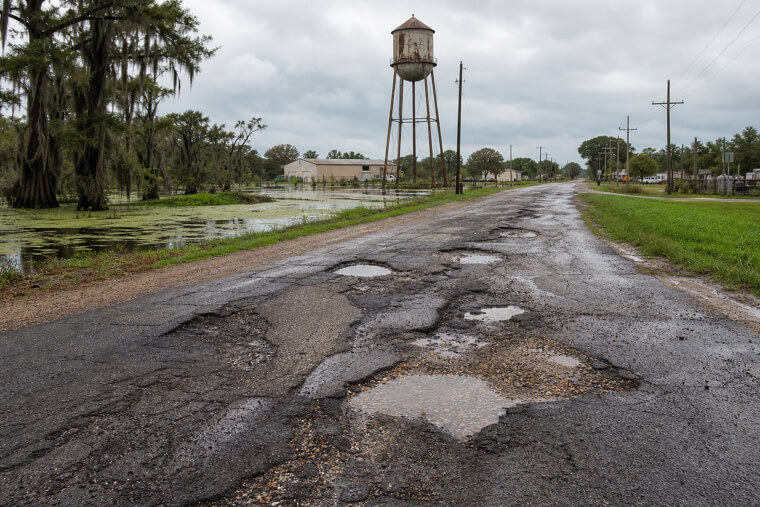
This isn't a developing-world story. This is a state where basic services are deteriorating faster than officials can repair them, and residents are deciding they'd rather start over somewhere new. Speaking of starting over — in West Virginia, entire towns are disappearing.
West Virginia's Shrinking Towns Feel Abandoned
West Virginia is losing its population faster than any other state in America, and the consequences are devastating. Since 1950, the state has shed nearly 300,000 residents. When coal jobs disappeared, young people followed — and they took everything with them. Tax revenue dried up. Schools consolidated. Local businesses shuttered. Entire downtowns sit empty, with boarded-up storefronts lining streets that once held thriving communities.
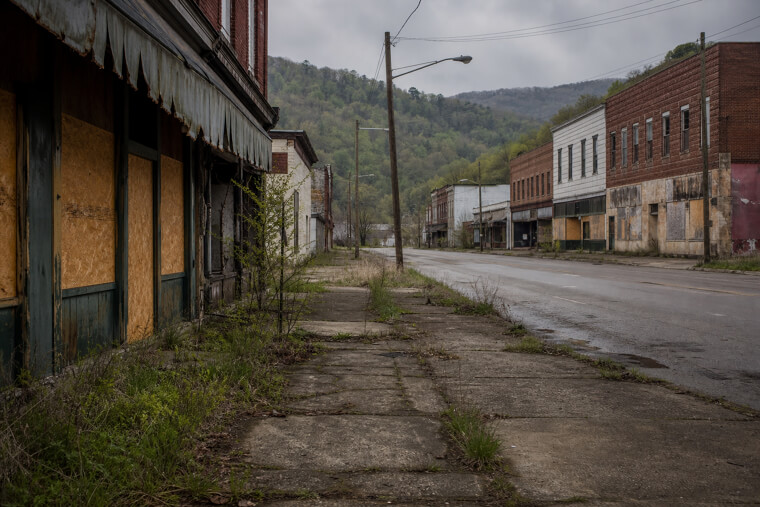
What's left behind is an aging population with fewer hospitals, fewer services, and fewer reasons to stay. It's a vicious cycle — the more people leave, the harder it becomes for those who remain. Connecticut knows something about that cycle, but its version looks completely different.
Connecticut's Young Professionals Keep Fleeing
Here's something that surprises people: Connecticut is one of the wealthiest states in America, and young professionals still can't leave fast enough. The state lost population for five consecutive years, with twenty- and thirty-somethings leading the charge. They're not fleeing poverty — they're fleeing stagnation. Connecticut's cities lack the vibrant urban culture that young workers crave, the commuter rail system feels stuck in the 1970s, and housing costs rival Boston without offering Boston's energy, nightlife, or career density.
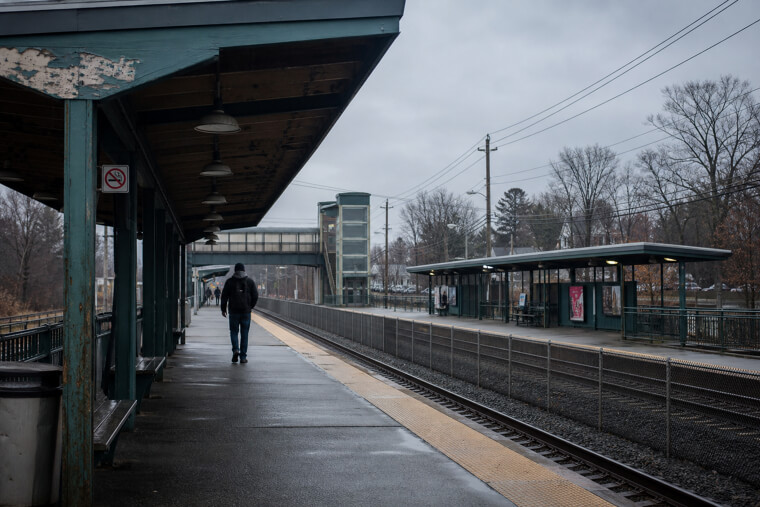
The irony cuts deep. A state built on proximity to New York City is now losing residents to cities much farther away — Austin, Raleigh, Denver — places that feel alive in ways Connecticut's quiet suburbs simply don't. Wealth without vibrancy turns out to be a surprisingly weak anchor. But wealth without healthcare? That's Mississippi's nightmare.
Mississippi Ranks Dead Last in Healthcare
Mississippi doesn't just rank poorly in healthcare — it ranks dead last. The state has fewer physicians per capita than almost anywhere in the country, and rural hospital closures have left enormous gaps in the map. In some counties, the nearest emergency room is over an hour away. For elderly residents or anyone experiencing a heart attack or stroke, that drive time isn't an inconvenience. It's potentially a death sentence.
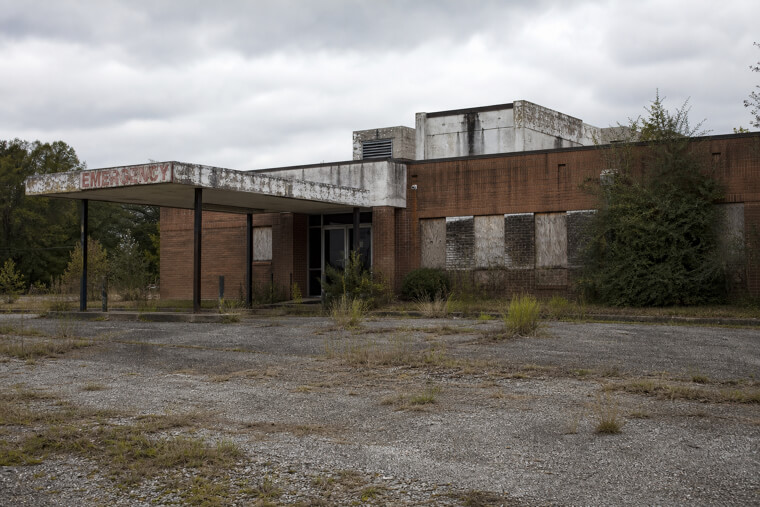
The state declined to expand Medicaid for years, leaving hundreds of thousands without coverage and hospitals without funding to stay open. It's a spiral that feeds itself — fewer doctors, sicker populations, more closures. And if you think Alaska's remoteness solves the access problem differently, think again.
Alaska's Isolation Is More Than Geographic
If you're considering Alaska, do this first: price out a gallon of milk in Anchorage. Then check Fairbanks. In remote communities, basic groceries can cost two to three times what you'd pay in the Lower 48, and heating a home through seven months of darkness runs thousands of dollars. Before committing, visit during January — not July. Experience the 4:30 p.m. sunsets, the negative-twenty windchill, the roads that disappear under ice for months.
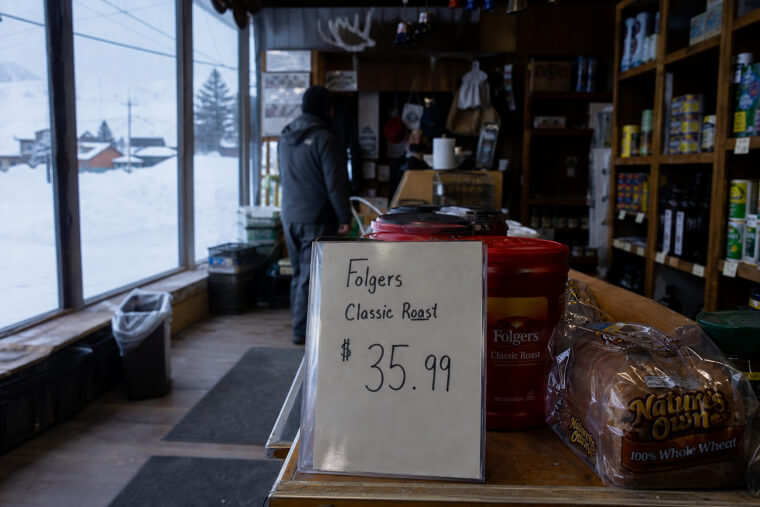
Longtime Alaskans are increasingly selling homes and retiring south, trading stunning scenery for accessible healthcare and affordable eggs. The beauty is real, but so are the bills. Speaking of paradise with a punishing price tag — Ohio's struggles are a completely different kind of expensive.
Ohio's Rust Belt Identity Haunts Its Future
Here's what catches people off guard about Ohio: Columbus is legitimately booming. It's adding tech jobs, restaurants are thriving, and Ohio State pumps energy into the city. So why is the state still losing ground? Because Columbus is an island. Drive forty-five minutes in any direction and you'll find hollowed-out factory towns where the main employer closed a decade ago and nothing replaced it. Cities like Youngstown, Dayton, and Canton have lost staggering percentages of their peak populations.
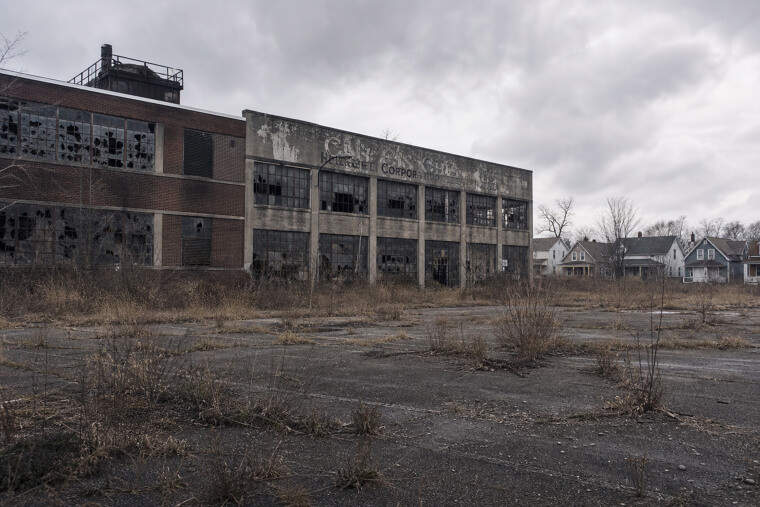
The opioid crisis hit these communities like a wrecking ball, and college graduates — even those educated at Ohio's own universities — routinely bounce to Chicago, Nashville, or Charlotte for careers. One thriving city can't carry an entire state. And speaking of states where paradise masks a brutal reality, Hawaii's price tag is pushing out the very people who call it home.
Hawaii's Paradise Comes With a Brutal Price
Here's what real estate insiders in Hawaii understand that tourists never will: the $800,000 median home price is just the entry point. Factor in Hawaii's Jones Act shipping costs, which inflate everything from building materials to groceries, and you're looking at a cost of living roughly 90% above the national average. Native Hawaiian families have developed a survival strategy that's become the norm — three generations sharing one home, pooling income just to keep a roof overhead in the place their ancestors have lived for centuries.
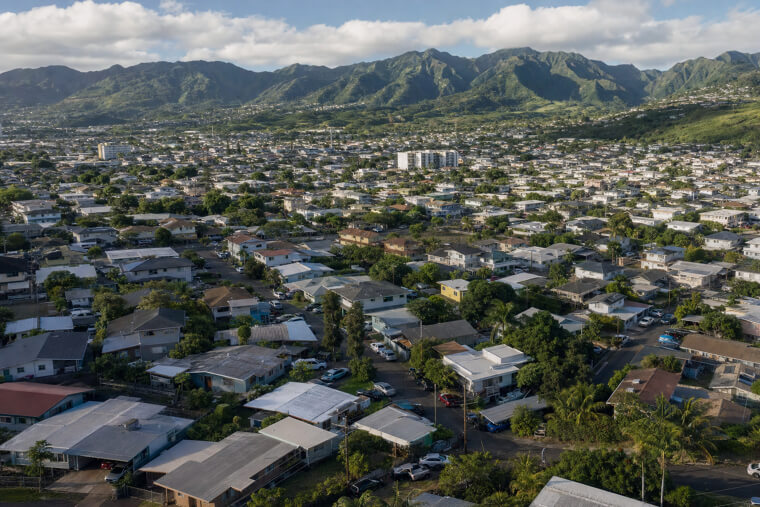
Many local families are making the painful decision to leave for Las Vegas or the Pacific Northwest, creating Hawaiian diaspora communities on the mainland. It's a cultural loss that no economic indicator fully captures. But Michigan proves that even affordable states can drive people away when the water coming out of the tap isn't safe to drink.
Michigan's Water Woes Go Beyond Flint
Flint's lead-contaminated water became national news in 2014, but here's what most people outside Michigan don't realize: the crisis never truly ended, and it's far from unique. Benton Harbor declared its own water emergency in 2021. Detroit, Hamtramck, and dozens of smaller communities are still wrestling with aging lead service lines that leach contaminants into drinking water every single day. Michigan has an estimated 460,000 lead pipes statewide — one of the highest counts in the nation.
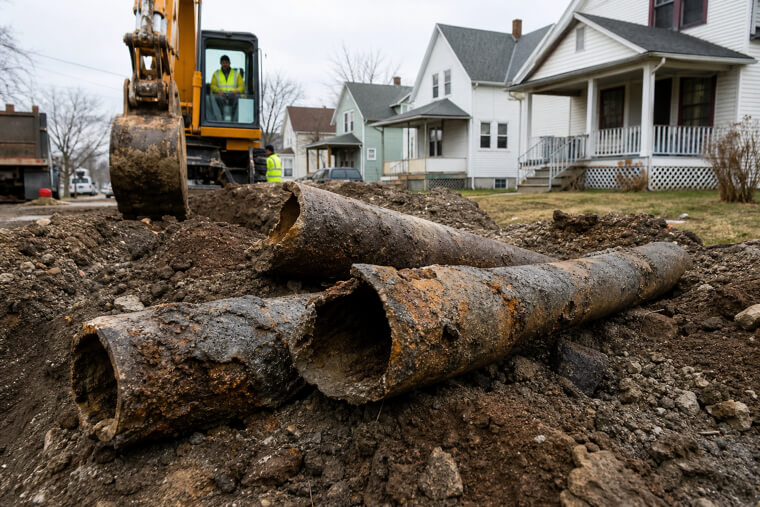
Replacement costs run into the billions, and at current funding levels, full remediation could take decades. Families with young children aren't waiting around. They're leaving for states where turning on the faucet doesn't feel like a gamble. Meanwhile, rural Pennsylvania is facing its own quiet disappearing act.
Pennsylvania's Rural Decline Is Accelerating
Most people picture Pennsylvania and think Philadelphia cheesesteaks or Pittsburgh's steel-city reinvention. What they don't see is startling. Rural counties like Cameron, Sullivan, and Potter have lost over 25% of their population since 2000. These aren't gradual declines — they're accelerating. Hospitals that served communities for generations are shutting down. School districts are merging because there simply aren't enough children to fill classrooms. Main Streets that once anchored small-town life now feature more boarded-up storefronts than open businesses.
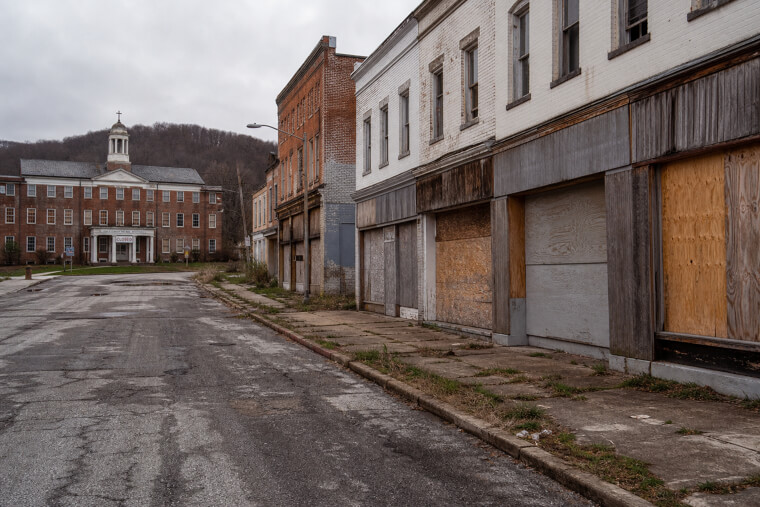
The gap between Pennsylvania's thriving cities and its dying rural communities is becoming one of the starkest urban-rural divides in America. Young people leave for jobs and never return, while aging residents watch their towns quietly vanish from the map. Speaking of stark realities, what a UN investigator found in rural Alabama stunned the world.
Alabama's Poverty Rate Shocks Visitors
When a UN Special Rapporteur visited Alabama's Black Belt region in 2017, he found raw sewage flowing through yards because families couldn't afford proper septic systems. Hookworm, a parasitic disease associated with extreme poverty, was detected in Lowndes County residents. It was a wake-up call that parts of America look nothing like the brochure. Yet here's the actionable flip side: Alabama's low cost of living means retirees can buy land for a fraction of what they'd pay almost anywhere else.
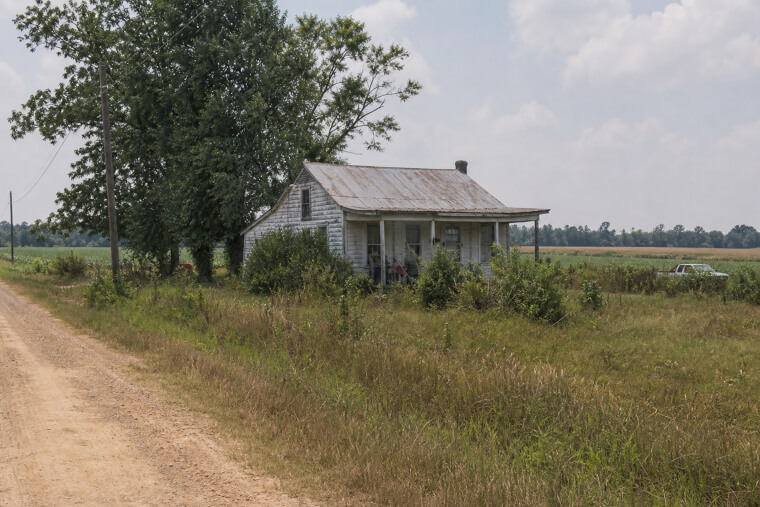
The key is researching specific counties thoroughly. Check infrastructure — water systems, hospital proximity, road conditions — before signing anything. Some communities offer genuine affordability with decent services. Others are affordable for a reason. But affordability means nothing if crime keeps people locked indoors — just ask anyone trying to sell a house in Missouri.
Missouri's Crime Statistics Scare Away Newcomers
Missouri's violent crime rate is among the highest in the nation, and St. Louis regularly tops lists as America's most dangerous city. That reputation carries devastating economic consequences. Businesses evaluating relocation bypass the state entirely. Families researching moves cross it off their lists after a single Google search. The numbers are staggering — Missouri's homicide rate runs roughly double the national average, and property crime compounds the problem across both urban and rural areas.

Cities like Kansas City and Springfield aren't immune either, each battling their own surging crime statistics. For a state with genuinely affordable housing and central geography, this crisis neutralizes every advantage Missouri could offer newcomers. And speaking of neutralized advantages, Indiana has something valuable that keeps slipping through its fingers.
Indiana's Brain Drain Won't Stop
Here's what workforce insiders know about Indiana: universities like Purdue, IU, and Notre Dame produce world-class talent every single year. And every single year, roughly 25% of graduates leave the state within twelve months. The industry pipeline is the problem. Indianapolis has a growing tech scene, but it can't absorb the volume of ambitious graduates competing for limited roles. Meanwhile, Chicago sits just three hours north, offering ten times the career options and a cultural ecosystem Indiana simply hasn't built yet.
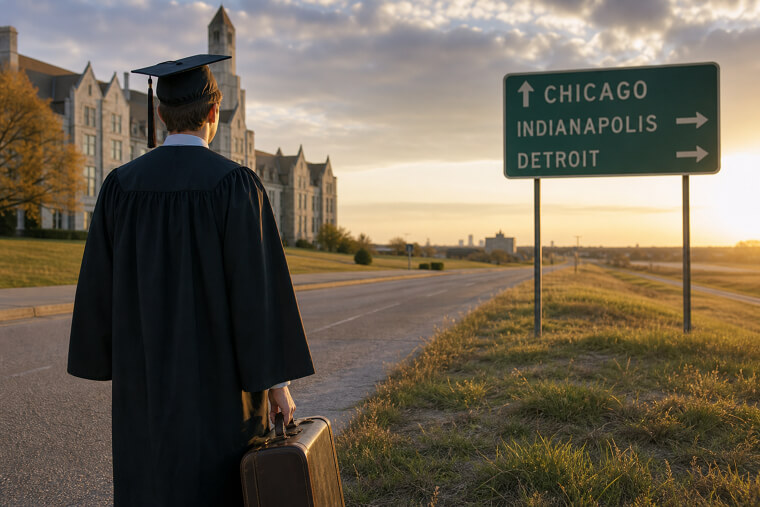
Corporate recruiters privately call Indiana a "talent farm" — they recruit on its campuses specifically because they know graduates are already planning to leave. The state invests heavily in education only to watch the returns flow elsewhere. It's a painful cycle with no clear fix in sight. But if losing graduates is painful, wait until you see what New Mexico is losing — its children's future.
New Mexico's Education Crisis Is Alarming
In 2018, a New Mexico judge ruled that the state was violating its own constitution by failing to provide children with a sufficient education. That's not a policy debate — it's a legal finding that kids' rights were being actively denied. New Mexico consistently ranks 49th or 50th nationally in education outcomes, with graduation rates, reading proficiency, and math scores that trail the country by devastating margins. For families with school-age children, that ruling wasn't just alarming news. It was a signal to start packing.

The consequences ripple outward. Employers hesitate to relocate where the future workforce is underprepared. Young families leave, shrinking the tax base that funds the very schools already failing. It's a downward spiral that hasn't found its floor yet. And while New Mexico struggles to educate its kids, Arkansas faces its own crisis keeping people alive.
Arkansas Struggles to Attract Doctors
If you're considering a move to Arkansas, here's the most important homework you can do: check how far you'll be from a doctor. Arkansas ranks among the worst states nationally for physician shortages, with rural counties sometimes having zero practicing specialists. That means a cardiology appointment might require a three-hour drive. A dermatology referral could mean waiting four months. For families with chronic health conditions or aging parents, this isn't an inconvenience — it's a genuine risk.
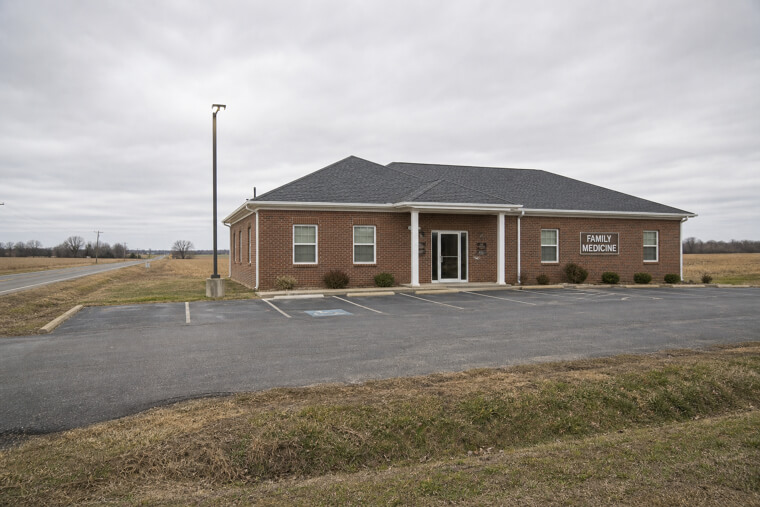
Before committing to any Arkansas community, call local clinics directly. Ask about wait times, available specialists, and the nearest hospital with a full emergency department. Telehealth helps but can't replace hands-on care when it matters most. Beautiful land at bargain prices means little if you can't access basic medical treatment. Next up, a different kind of loss — the quiet disappearance of small-town Kansas.
Kansas Is Losing Its Small-Town Heartbeat
Drive through western Kansas and you'll pass through towns where the grain elevator is the tallest thing for miles — and sometimes the only thing still standing. Places like Kirwin, Natoma, and Codell once had bustling schools, Friday night football, and churches where everyone knew your name. Now the schools have merged with towns thirty miles away. The churches hold services for a dozen gray-haired faithful. The grocery store closed years ago.
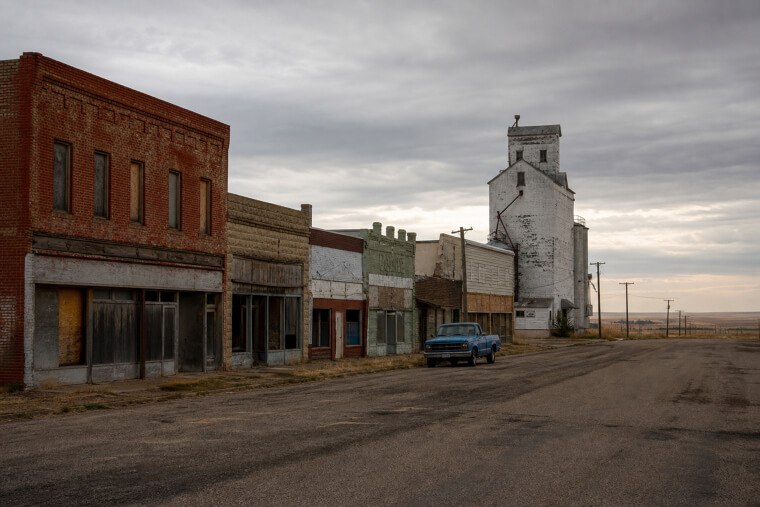
The people who stay aren't foolish — they're loyal. They remember block parties, harvest suppers, and neighbors who showed up without being asked. Watching that world fade isn't just demographic change. It's grief. And in Maryland, newcomers are discovering a different kind of unwelcome surprise.
Maryland's Cost of Living Surprises Everyone
Nobody moves to Maryland expecting it to be cheap, but most people aren't prepared for just how expensive it actually gets. Property taxes in counties like Howard and Montgomery rival those in New Jersey. Car insurance premiums run well above the national average. And then there are the tolls — crossing the Chesapeake Bay Bridge, driving the express lanes, commuting through tunnels — all nickeling and diming residents who are already stretched thin.
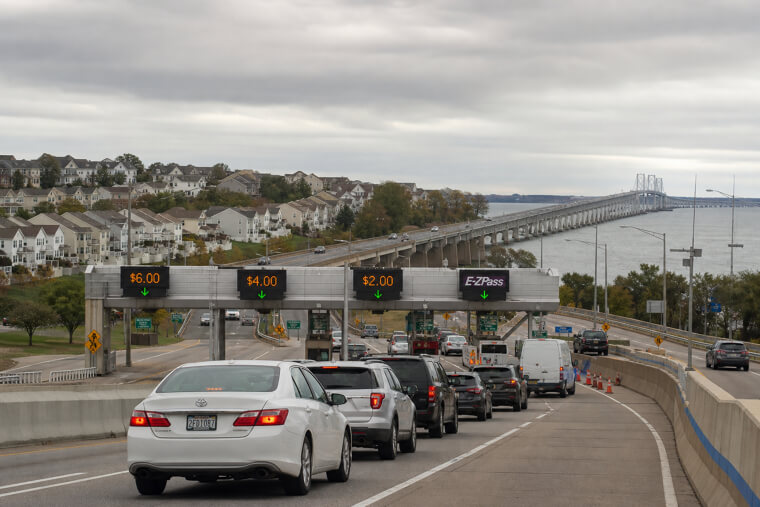
What stings most is the comparison. You're paying coastal-state prices without the beach lifestyle of California or the cultural cachet of New York. It's suburban sprawl with a premium price tag. And for what? Meanwhile, Oklahoma residents aren't just watching their wallets drain — they're watching the ground shake beneath their feet.
Oklahoma's Extreme Weather Is Getting Worse
Here's what insiders know about Oklahoma that weather maps don't show: the state experienced more earthquakes than California in 2015 — not natural ones, but tremors directly linked to wastewater injection from fracking operations. Towns like Pawnee and Cushing, sitting near major oil storage facilities, felt magnitude 5.0+ quakes that damaged foundations and rattled nerves. Layer that onto an already legendary tornado season that climate data shows is intensifying, and you've got a compounding insurance nightmare.
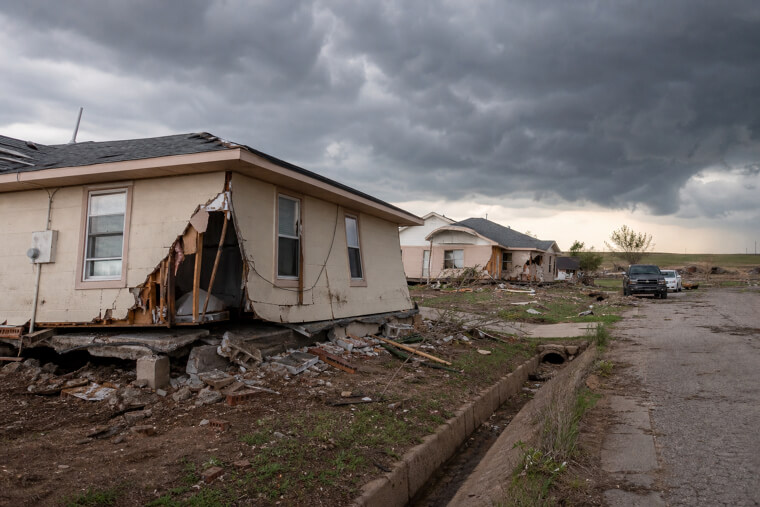
Homeowner premiums in central Oklahoma have surged dramatically, with some carriers pulling out of high-risk zip codes entirely. Residents aren't just battling weather anymore — they're battling the financial fallout of living where the ground itself feels unreliable. Speaking of unreliable impressions, what people think they know about Nevada usually stops at the Strip.
Nevada Beyond the Strip Is Bleak
Most people picture Nevada and see neon lights, poker tables, and Cirque du Soleil. The reality for everyday Nevadans looks nothing like that. Step outside Las Vegas and Reno and you'll find vast stretches of empty desert where the nearest hospital might be two hours away. Even within those cities, the picture is grim — Nevada ranks 50th in the nation for mental health resources and near the bottom for education quality.
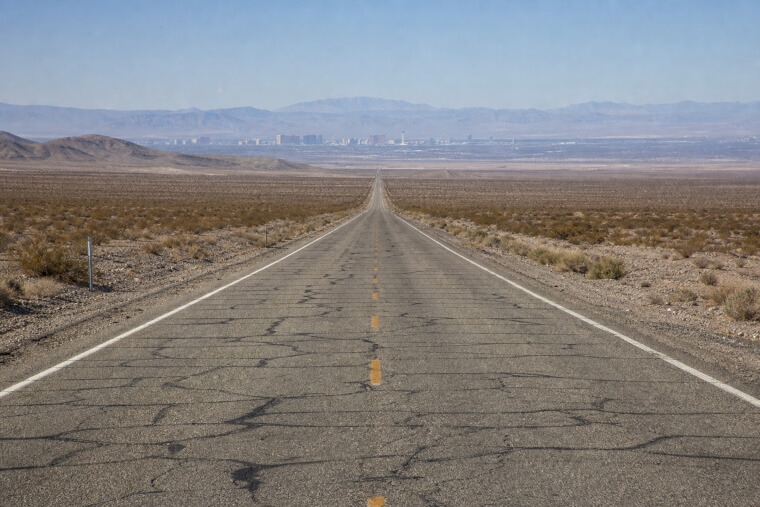
Healthcare access is shockingly limited for a state that generates billions in tourism revenue. The money flows through casinos, not into communities. Residents subsidize a glittering fantasy while struggling to find a therapist or a decent public school. And in Iowa, an entirely different kind of crisis is quietly building — one where there simply aren't enough people left to keep things running.
Iowa's Aging Population Creates a Crisis
Iowa's demographic crisis isn't theoretical — it's happening now, and communities are literally paying people to show up. Towns like Newton and Marshalltown offer cash incentives, free land, or student loan assistance to anyone willing to relocate. If you're considering it, start with the Iowa Rural Opportunities website, where dozens of communities list relocation packages. Research healthcare access carefully — some counties have lost their only hospital, meaning emergency care could be 45 minutes away.
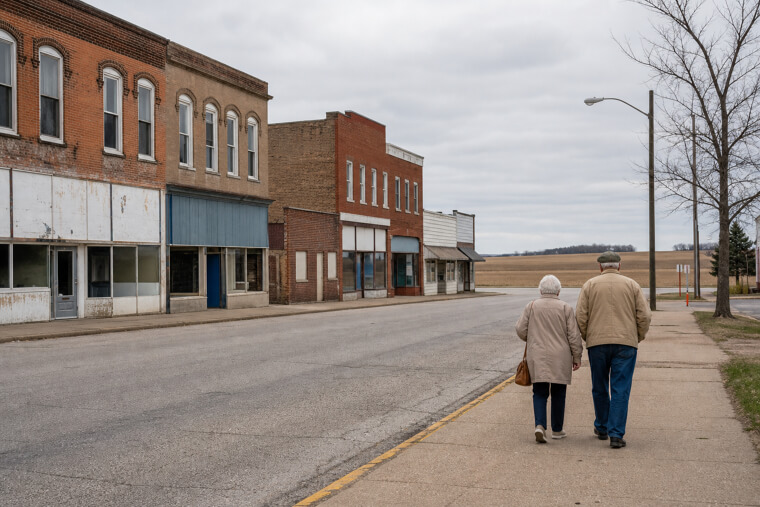
The upside? Housing costs remain remarkably low, and communities genuinely want newcomers. But verify that local schools, clinics, and employers match your needs before signing anything. South Carolina retirees chasing coastal charm are learning a similar lesson about doing homework — the hard way.
South Carolina's Hidden Insurance Nightmare
Here's what insurance agents in South Carolina won't volunteer: coastal homeowners from Myrtle Beach to Hilton Head are now stacking three separate policies — standard homeowner's, flood, and wind — that can collectively exceed $8,000 annually. The state's Wind and Hail Underwriting Association, the insurer of last resort, has raised rates repeatedly, and private carriers are quietly non-renewing policies in high-risk zip codes. Many retirees budgeted for a $300,000 beach cottage but never factored in insurance costs that rival their mortgage payments.
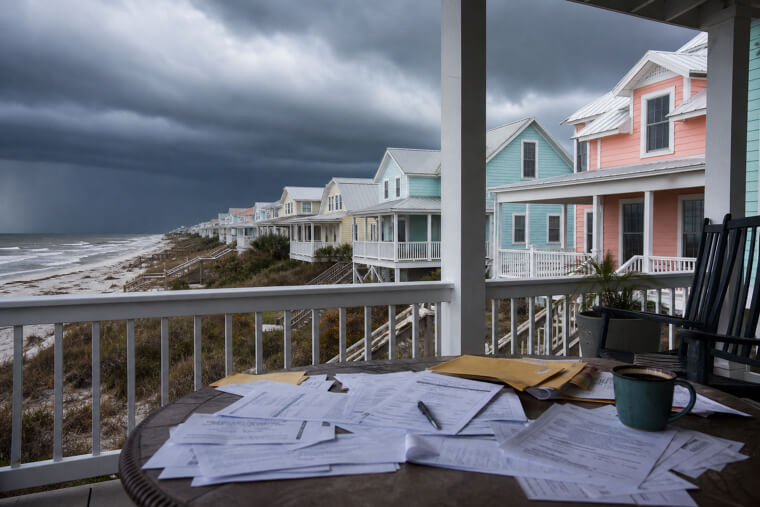
Financial advisors now recommend stress-testing any South Carolina coastal retirement plan against a 15% annual insurance increase — because that's been the recent trend. Dream retirements are collapsing under paperwork nobody expected. But in Tennessee, it's not insurance driving people out — it's the very popularity that drew them in.
Tennessee's Boom Is Actually Pushing People Out
Tennessee sold itself as the promised land — no state income tax, affordable housing, and Nashville's booming cultural scene. It worked too well. The influx of remote workers and transplants from California and New York sent Nashville home prices soaring over 150% in a decade. Neighborhoods like East Nashville and Germantown, once affordable working-class communities, now feature million-dollar homes and artisanal coffee shops where corner stores used to be.
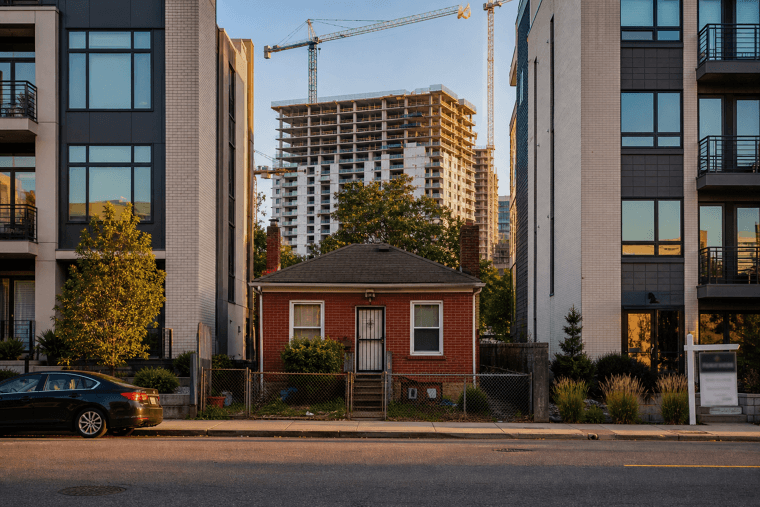
Longtime residents who built those neighborhoods are being taxed and priced out of homes their families owned for generations. The cruel irony? The very people who made Tennessee attractive can no longer afford to stay. And up in North Dakota, the force pushing people out isn't money — it's something far more brutal.
North Dakota's Winters Break Even the Tough
If you're considering North Dakota for its oil field paychecks or rock-bottom housing prices, do yourself one favor first: visit in February. Not July, when the prairies are genuinely beautiful — February, when Williston hits minus 30 and wind chills plunge to minus 50. Your car might not start. Your exposed skin gets frostbitten in minutes. Winter stretches from October through April, and the darkness compounds everything — some days offer barely eight hours of pale sunlight.
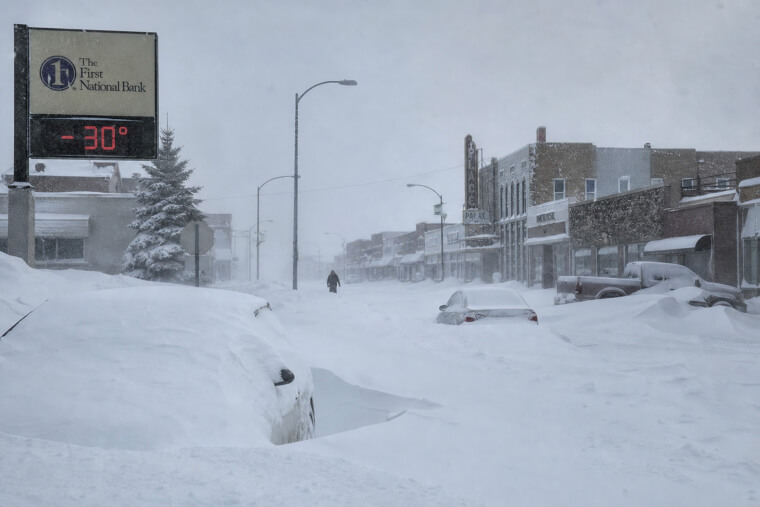
Pack an emergency survival kit for your car, budget for a block heater, and talk to locals about seasonal depression before signing any lease. Many oil boom transplants lasted exactly one winter before heading south. But Georgia's biggest threat isn't cold — it's running out of water entirely.
Georgia's Water Wars Threaten Its Future
Georgia's Tri-State Water Wars have raged since the 1990s, pitting Georgia against Alabama and Florida in one of America's longest-running natural resource disputes. The core problem is simple and terrifying: metro Atlanta — home to six million people and growing — depends almost entirely on Lake Lanier, a federal reservoir never designed to support a megalopolis. During the 2007 drought, the lake dropped to historically low levels, and Georgia's governor literally prayed for rain on the Capitol steps.
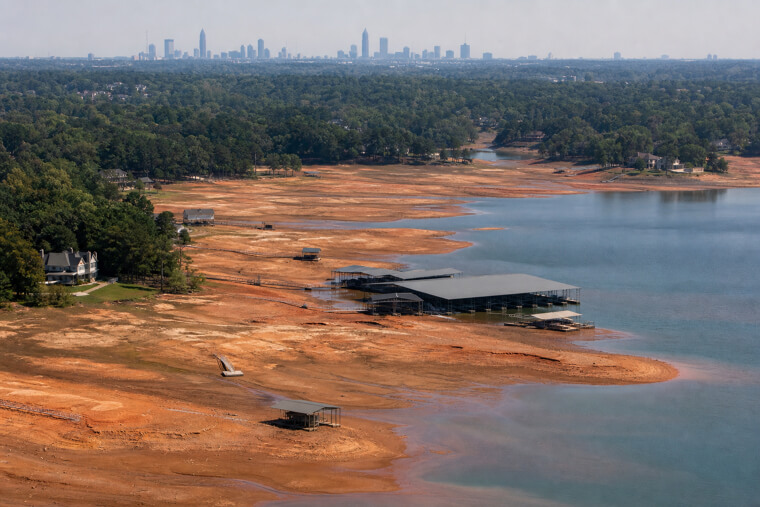
Courts have bounced the case back and forth for decades with no permanent resolution. Meanwhile, Atlanta keeps growing, Florida's Apalachicola oyster industry keeps dying, and the water supply stays finite. Within a generation, something will have to give. Vermont might look like the opposite of Atlanta's sprawl, but its quiet villages are hiding struggles of their own.
Vermont's Charm Can't Hide Its Struggles
There's a particular heartbreak in Vermont's beauty. You drive through Woodstock or Stowe in October, golden maples blazing against white steeples, and everything looks like a painting of how America should feel. But behind those postcard facades, the median age is nearly 43 — among the highest nationwide. Young Vermonters who grew up sledding those hills can't afford to stay. Housing prices have surged while wages remain stubbornly rural. The ones who leave take something irreplaceable with them.
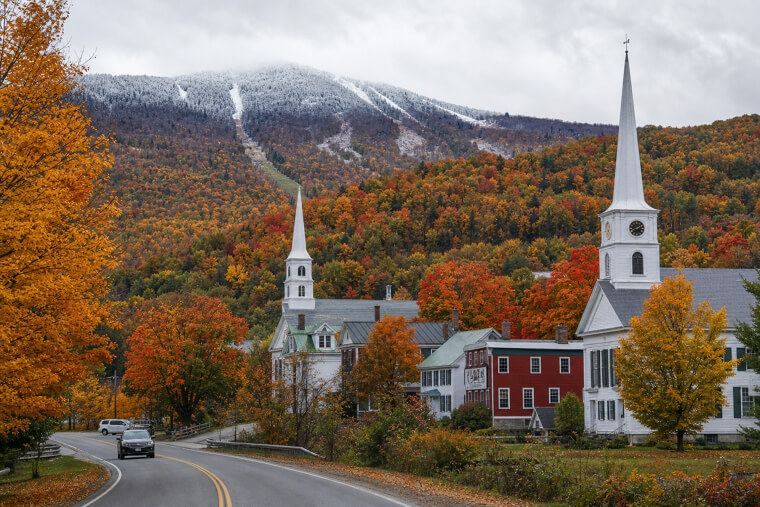
For those who remain — especially elderly residents in remote mountain communities — winters bring crushing isolation. The nearest hospital might be an hour away on icy roads. Neighbors grow fewer each year. Vermont's charm is real, but so is its quiet ache. And speaking of being overlooked, Rhode Island knows that feeling better than anyone.
Rhode Island Feels Like It's Been Forgotten
Rhode Island sits right there on the map between Boston and New York, and somehow the whole country looks straight past it. Longtime residents will tell you that's the hardest part — not just the crumbling bridges or the economy that never fully recovered from manufacturing's collapse, but the invisibility. When federal attention gets distributed, when national conversations happen, Rhode Island barely registers. People who've lived in Providence or Warwick their whole lives watch other states' crises make headlines while their own schools deteriorate and their neighbors quietly pack up.
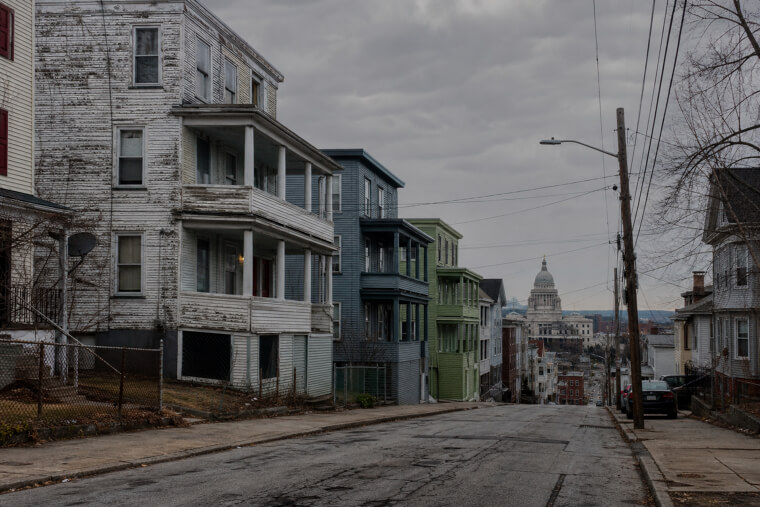
It's a strange grief, loving a place that the rest of the country treats like an afterthought. The smallest state carries that weight every single day. But here's the unsettling truth — Rhode Island's story might not be unique for long.
The State You Live In May Be Next
Here's the truth that should unsettle you: every state on this list was once somebody's forever home. People planted gardens, raised children, built lives around the assumption that their community would hold. Then slowly — so slowly they almost didn't notice — things shifted. Costs crept up. A hospital closed. The kids didn't come back after college. By the time it felt undeniable, leaving meant grieving.
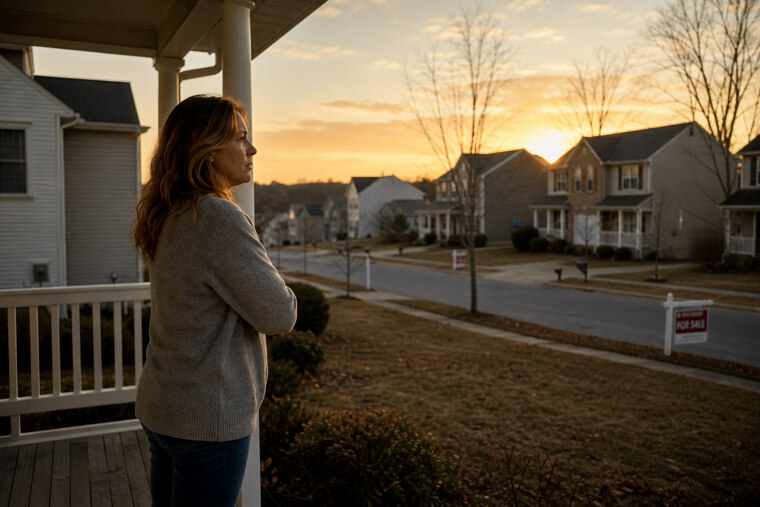
Your state may not have appeared on this list. But the patterns don't need permission to arrive at your door. Look around honestly. Talk to your neighbors. Ask whether the place you love is still loving you back — before the answer becomes obvious to everyone except you.Disclaimer: This story is based on real events. However, some names, identifying details, timelines, and circumstances have been adjusted to protect the privacy of the individuals involved. The images in this article were created with AI and are illustrative only. They may include altered or fictionalized visual details for privacy and storytelling purposes